By Ryan Costello, ’27
Staff Writer
The death penalty is one of the most controversial and troubling punishments in modern society. While some argue that it provides justice to victims’ families or prevents future crimes, a deeper look shows that capital punishment fails in many ways.
One of the strongest arguments against the death penalty is the possibility of executing innocent people. Courts and juries have made mistakes. The Innocence Project, a nonprofit that works to exonerate people who are wrongly convicted, claims that since 1973, more than 190 people in the United States have been sentenced to death, often after spending decades behind bars for crimes they did not commit. DNA testing and improved investigative techniques have proven there can be many errors in the legal system. Once someone is executed, there is no way to correct such a mistake. No judicial system can reverse such a permanent punishment.
Another argument is that it is more expensive and more time consuming to use the death penalty than to sentence someone to life in prison. The death penalty is more expensive than life in prison because death penalty cases require longer trials, more lawyers, and years of appeals. Housing inmates on death row also costs more due to higher security needs, ultimately costing an average of $1 million taxpayer dollars per inmate. An inmate can sit on death row for as long as 20 years.
Some people believe that the death penalty is beneficial because it holds people accountable for their heinous actions and provides justice to victims and their families. While there may be some truth to this, the negatives hold more of an impact.
That is why the 27 states where capital punishment remains legal should do away with the procedure. The cost, in terms of taxpayer money and potentially life-ending mistakes, is too high to pay.
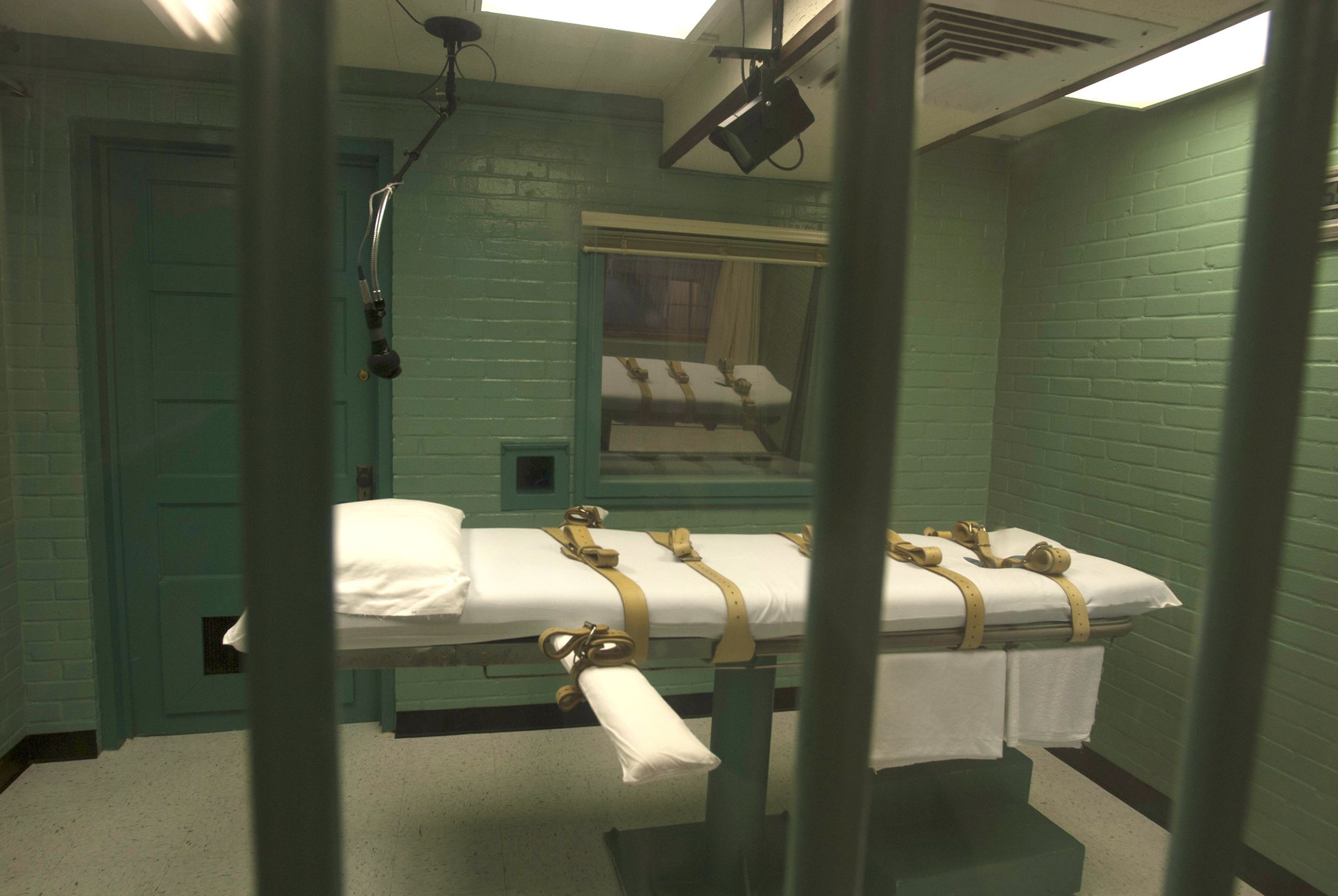
Featured image: https://d.newsweek.com/en/full/326540/rtr3hrgi.jpg
 The Hawk