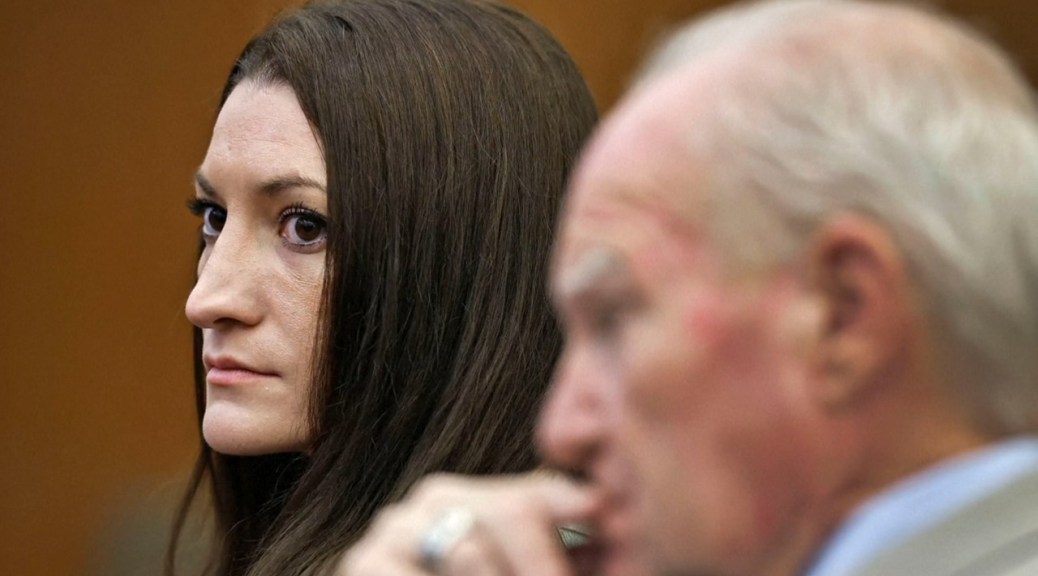
The Lindsay Clancy trial has been one of the most serious and emotional criminal cases in Massachusetts. Clancy was accused of killing her three children, Cora, Dawson, and Callan, in January 2023. Her trial focused not only on what happened, but also on an important legal question: whether Clancy should be considered criminally responsible for her actions because of her mental state at the time.
Clancy admitted to killing her children in their Duxbury home, but her defense argued that she was suffering from postpartum psychosis and should not be found criminally responsible. Postpartum psychosis is a rare, severe mental health crisis that causes new mothers to disassociate from reality, suffer from hallucinations or delusions and experience extreme insomnia. The prosecution argued that Clancy knew what she was doing and should be held responsible for the deaths. The trial lasted almost six weeks this summer and included testimony from medical experts, family members, and other witnesses.
One of the biggest legal issues came when the jury began deliberating. In a criminal trial, the jury must reach a unanimous verdict. In this case, the 12-person jury could not agree on whether Clancy was criminally responsible. Reports said that 11 jurors were leaning toward finding her not criminally responsible, while one juror disagreed. After about seven days of deliberations, the jury told the judge several times that it could not reach a unanimous decision.
Because the jury was deadlocked, Judge William Sullivan declared a mistrial on September 4th. A mistrial means that the trial ends without a final verdict. It does not mean that the defendant was found guilty or not guilty. Instead, the case is left unresolved.
The mistrial also created another important legal issue involving the holdout juror. Clancy’s defense team argued that the juror was not following the judge’s instructions about reasonable doubt and asked for the juror to be removed. The defense even made an emergency appeal to the Massachusetts Supreme Judicial Court. That appeal was denied, and the mistrial went forward. Courts are generally very careful about interfering with jury deliberations because jurors are supposed to make their own decisions based on the evidence and the instructions given to them by the judge.
Another major legal question is whether Clancy can be tried again. Usually, a mistrial caused by a genuinely deadlocked jury does not automatically prevent prosecutors from having another trial. This is connected to the constitutional protection against double jeopardy, which generally prevents someone from being tried twice for the same offense. However, there are exceptions when a first trial ends without a verdict because of circumstances such as a deadlocked jury.
Clancy’s lawyers have argued that the case should be dismissed and have raised double-jeopardy arguments. Prosecutors, meanwhile, have to decide what they want to do next. They could seek another trial, consider a different resolution, or decide not to continue the prosecution. Both sides appeared in court September 29th, but nothing was resolved; the next hearing is November 2nd. The Clancy case shows how complicated the legal system can become when mental health and criminal responsibility are involved. The trial was not simply about whether Clancy committed the acts. The jury also had to consider whether her mental condition meant she should legally be held responsible for them. Since the jury could not reach a unanimous decision, there was no verdict.
The mistrial is important because it means the legal process is not over. The next steps could involve more arguments from the lawyers about double jeopardy, the jury’s conduct, and whether another trial should happen. Whatever happens next, the case demonstrates how the court system has to balance the rights of the defendant, the interests of the prosecution, and the need for a fair trial.
As a high school senior facing deadlines for college applications, there are several things I wish I’d done throughout junior year to better prepare myself. Here are some tips to make the process easier, and to stop you from making easily avoidable mistakes!
TERM 1
Schedule: Everyone knows that junior year is pretty much the hardest year of high school. It’s the year when many students pack their schedules full of APs and extracurriculars to try and bolster their resume. There are both pros and cons to this approach. My suggestion is this: by this point, you know what you like and what you are good at. Maybe you’re involved in a sport, or in the arts, or have a job. Rather than adding new clubs and activities to your already hectic schedule, try to improve on the activities you already have. If you like to draw and already take art classes in school, maybe consider joining the Art Club. If you’re really into volleyball, think about running for captain or another leadership position. Take what you already do and expand on it. This will show colleges that you are invested and hardworking, rather than just trying to pad your resume.
PSAT: You’ve likely seen the emails in your inbox about registering for the school-run PSAT. You should sit down with a parent and sign up for it. Taking the PSAT is a great way to get used to the SAT format and questions, learn what areas you struggle in, and get a fairly accurate estimate of what your SAT score will be.
TERM 2
College Tours: Did you know that juniors are allowed several excused absences for college tours throughout the year? Talk with your parents or friends and try to plan out a few school tours that work for your schedules! If you’re worried about travel during the school year, try and visit some schools nearby. Don’t worry if you don’t have a specific school in mind yet, I’d recommend visiting at least one bigger school and one smaller school so you get a feel for what type of school is right for you.
SAT/ACT: At this point, I would sign up for your standardized testing. You don’t have to take it this term if you’re unprepared, but the spots are limited, so it’s good to sign up in advance. In addition, do some research about the different options. Many students fail to realize that the ACT is just as accepted in college applications as the SAT. Although similar, the two tests have several differing qualities, and some people may perform better on one than the other. Now is also the time to study. Learn how to use the Desmos calculator, remind yourself of the English grammar conventions you learned in middle school and have since forgotten, and look up tips for how to study. This is not a test you can cram for the night before.
TERM 3
High School: In this term, be a high schooler. Do your homework, spend time with friends, start preparing for AP tests, and don’t slack off. By this point, you’re probably getting worn out. I get it, junior year is unimaginably stressful. Try to enjoy yourself, but also remember that colleges will see your junior year grades, and you don’t want to send in a transcript you’re not proud of.
College List: Start making a list of colleges you might be interested in applying to. You don’t have to decide right now, just research some options and write down any school you might be interested in. A good way to narrow down the search is by taking two extremes and pitting them against each other (e.g. Big/Small, City/Rural, Sporty/Artsy, Party/Academics, etc.). By checking off those few big boxes, you can quickly get a feel for what you’re interested in. Additionally, if you know (or don’t know) what you’d like to major in, that could be a limiting factor to consider. Some schools have great programs you might be interested in for specific majors. However, DO NOT WORRY if you’re not sure what you want to do. There are plenty of schools that let students apply undecided, and many liberal arts colleges require students to wait until their sophomore year before declaring a major.
TERM 4
Letters of Rec: If you haven’t already, now is definitely the time to ask your teachers for letters of recommendation. The Guidance department sends out a “Junior Reflection Sheet,” which you should fill out and hand to the two teachers you ask to write letters for you. Notice how I said two teachers? You may be tempted to only ask one, because many schools only require one teacher letter. I’d suggest asking two anyway, because some colleges still require it.
Scholarships: Something you might not be thinking about is applying for scholarships. Some large, merit-based scholarships are only open to applications during junior year. Don’t miss out on these opportunities, especially if you have strong extracurriculars, academic achievements, or consistent community service. With a bit of research on Google, you are sure to find a couple of good options to apply for.
SUMMER
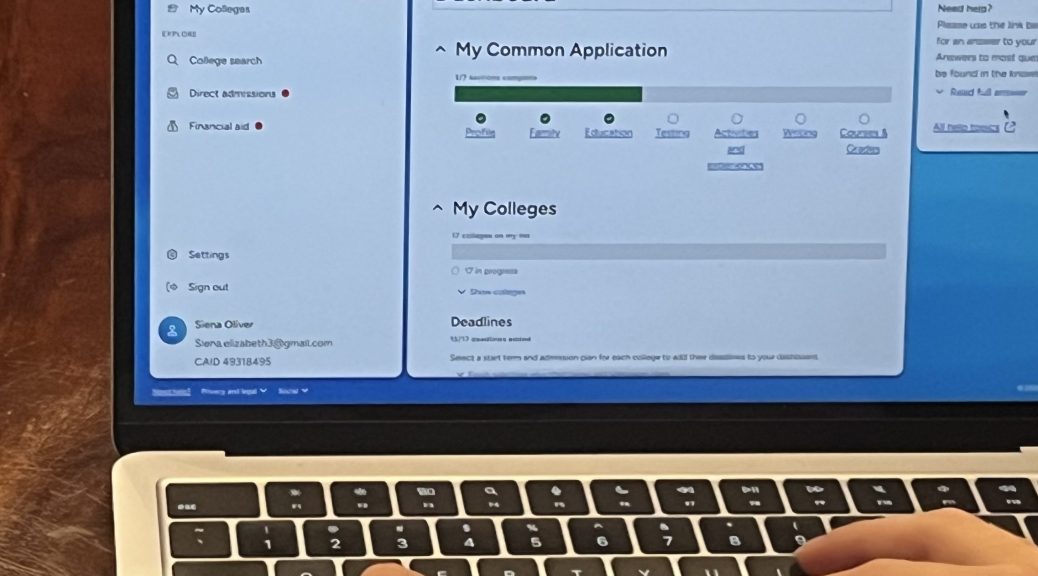
Common App: At this point, you may be operating under the assumption that you cannot begin filling out your common application until the Common App website re-sets on August 1st. This is untrue. Any information filled in under the “My Common Application” section, can – and should – be filled out before August 1st, to give you a head start before the school year (it will not disappear on August 1st, I promise). Just make sure you don’t start on the specific school applications or supplemental essays quite yet.
Tours, continued: Keep going on tours of schools. Because it is summer, you might end up having the opportunity to visit some schools that are further away, take advantage of this!
College Essay: Start drafting your Personal Statement essay. This is the college essay everyone talks about. The one where you are supposed to convince colleges you are the right choice in 650 words or less. I won’t lie, it is a daunting task. Start by writing down any and all ideas you have. Think of your favorite activities, a challenge you’ve had to face, a time you had personal growth. What’s the thing you could talk about for hours without getting bored, the book you read as a child that changed your life, or the craziest summer camp you’ve ever been to? Literally any topic can work, as long as you are passionate about it, and it reflects you in some way. Make a couple of drafts about different ideas, have people read them, and, by the end of the summer, pick one you’d like to work on editing for submission.
The college application process is stressful, yes, but you’re almost there. A little over a year and you’ll be hitting the submit button on your applications, and all of your hard work will be worth it. Good Luck!
At the end of this school year, Hanover High School will say goodbye to six veteran teachers: Kevin Perry, Maura Aborn, Nancy Green, Meg Halloran and Anthony “Doc” DeFranzo. Together, they have nearly 150 years of teaching experience, and that collective wisdom and skill has had a significant impact on our school. The Hawk caught up with them to ask about their careers and plans for the future.
Mrs. Aborn
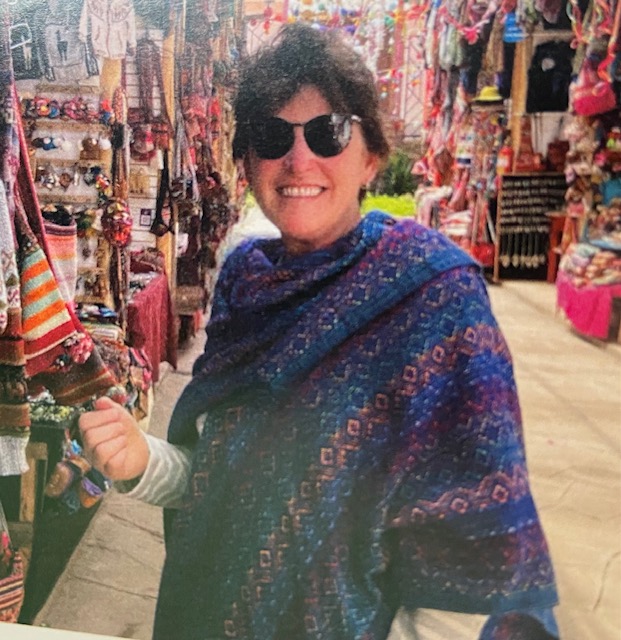
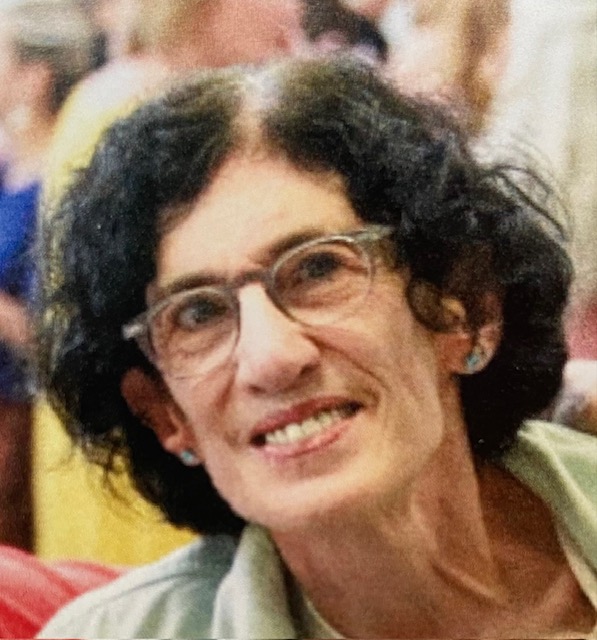
Mrs. Aborn has called HHS her home for 21 of her 24 years teaching. She’s served as a class advisor as well as a National Honor Society advisor. Some of her favorite memories as a Spanish teacher focus on meaningful interactions with students, including unexpected visits from graduates. She also fondly recalled leading a student trip to Machu Picchu in Peru and spending two weeks in France with exchange students.
The most important lesson from her career is patience and understanding, Mrs. Aborn said. It’s important to recognize that students may not always be what they appear to be; some who seem grouchy, for example, may actually be shy. She emphasizes treating every student as if they were her own child, believing each is the most important person in somebody’s life.
Mrs. Aborn’s teaching philosophy has remained consistent over the years, focusing on personal connection and values, even as educational methods have evolved. The constant shifts in teaching methods have required adaptability while staying true to personal values, she said. One big challenge she faced was starting her teaching career later in life with a non-traditional background. Before becoming a teacher, she worked as a translator for the federal government. She also stayed home to raise her children for 10 years, supporting the family by waitressing and selling cars online. Her parenting experience helped her understand students’ perspectives, she said.
After retirement, Mrs. Aborn plans to spend more time with her two grandchildren. She and her husband are taking a cruise from Italy to Greece, including stops in Rome, the Amalfi Coast, Athens, and Santorini — a trip she describes as a “crazy vacation” she’s never done before. She joked about possibly needing to work at Home Depot when she returns to pay for all the souvenirs.
Mr. Perry
Known for his impromptu singing as much as for his skills in the History classroom, Mr. Perry has taught at HHS for 29 years. He says the highlight of his career has been working with students both in the classroom and during educational trips around Europe. This year, he led a group to London and Scotland.
The biggest change Mr. Perry has observed in his career is technology, which he said has transformed education in both positive and negative ways — especially cell phones and artificial intelligence. A challenge he’s overcome has been developing patience and adapting to the diverse learning styles of students. He emphasizes that “words matter,” noting that he’s learned that positive words and smiles can have a major impact.
After retirement, Mr. Perry plans to “low-key chill” before possibly pursuing part-time work in the communications industry. He is excited about the possible release of the third part of Beyonce’s Renaissance and Cowboy Carter album trilogy, and plans to attend her concert if it happens.
Mrs. Green
A chemistry teacher, Mrs. Green joined HHS in 2011. She said for much of that time, teaching has felt like something she’s done for fun, rather than a job. The best days were when she shared a bit of knowledge, demonstrated a concept or conducted a lab and elicited a “wow or “woah” from students. She enjoyed those moments when students admitted that the science was at least a little cool.
The biggest change Mrs. Green has experienced in her career is the reliance on computers and the advent of social media. When she took her first teaching job in 2000 after a career in the pharmaceutical/biotech industry, the Internet was young and there were no smartphones, she said. The emergence of AI has made the educational environment “unrecognizable” from those early years, she said, and she worries how it is impacting language skills and attention spans.
An admittedly shy person, Mrs. Green said her biggest challenge came in her early years, when she had to get used to feeling comfortable in front of a classroom.
In the future, Mrs. Green plans to read the many books she hasn’t had time for, especially in her favorite genre of historical fiction. She wants to visit her four siblings and extended families, as well as her son and grandchildren, who are scattered in five states across the country. She also looks forward to working out more.
Mrs. Halloran
Known for her kind smile and warm presence, Mrs. Halloran has been a special education teacher at HHS since 2009. She says it’s hard to pick just one favorite moment of her career, but joked that her retirement is at the top of the list.
The biggest change she’s experienced in her career is transitioning from Boston schools to more suburban communities like Hanover. She recalled several instances in the city schools when the community was touched by gun violence. “Experiences like that were a big difference.” A challenge she’s dealt with has been keeping up with the demands of school and students as she’s gotten older.
One lesson she’s learned is that we all need to recognize that no one is perfect, and students may be struggling with challenges that others know nothing about. “Everybody has something,” she said.
Mrs. Halloran isn’t sure what retirement holds for her – “I haven’t thought about that yet,” she joked.
“Doc” DeFranzo
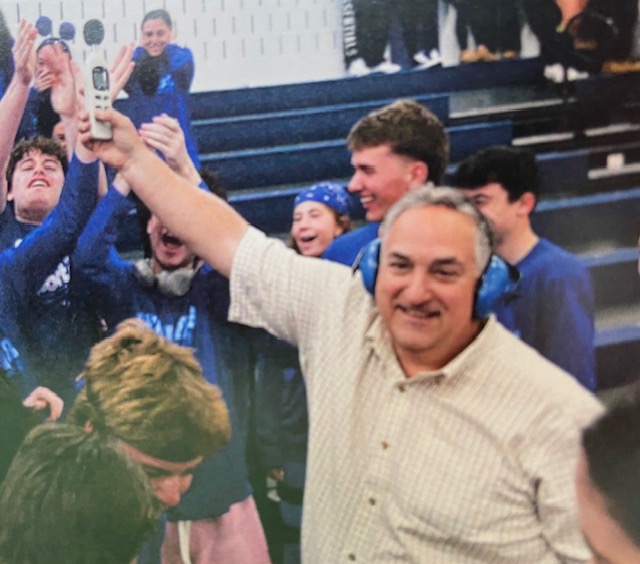
A member of the HHS community since 1994, Doc has become synonymous with Physics in his career. While The Hawk was unable to interview Doc for this article, we know his instruction has encouraged many students to pursue science, technology, engineering and math fields. Whether measuring the loudest class cheer at the annual Homecoming Pep Rally, coaching from the sidelines of the tennis courts or leading the math team, Doc has been a symbol of knowledge and determination. As a tireless leader in the teachers’ union for many years, Doc has advocated for his colleagues across the district. “Your voice and leadership have made a lasting difference for all of us,” Mr. Brown said in a dedication in the 2026 yearbook.
Mr. Faria
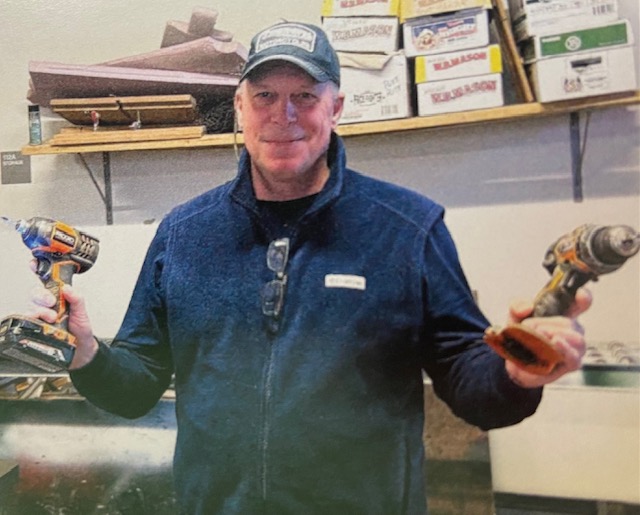
Mr. Faria, an engineering teacher, joined HHS in 1994. The Hawk was unable to secure an interview with the attention-shy Mr. Faria. But in the 2026 yearbook, longtime colleague Mr. Amonte called Mr. Faria “a pillar of quiet wisdom, possessing an encyclopedic knowledge that he shares through conversation and a constantly innovative curriculum.” Mr. Faria made the school’s shop and engineering lab a favorite place of many students. Graduating senior Matthew Yan called him “by far, the best teacher on Earth.”
Whether looking forward to travel, concerts, family or just plain rest in their retirement, these teachers take with them the best wishes of the HHS community. They’ve made a lasting impact on decades of students and coworkers, and their dedication, knowledge and compassion will be missed.
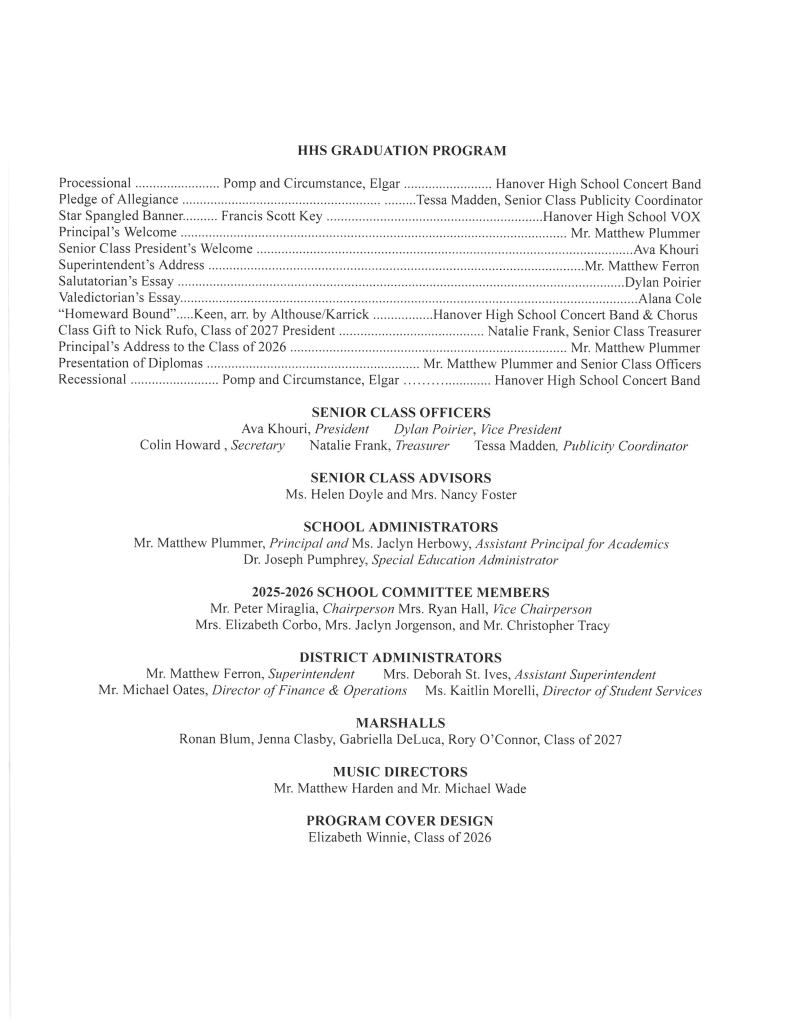
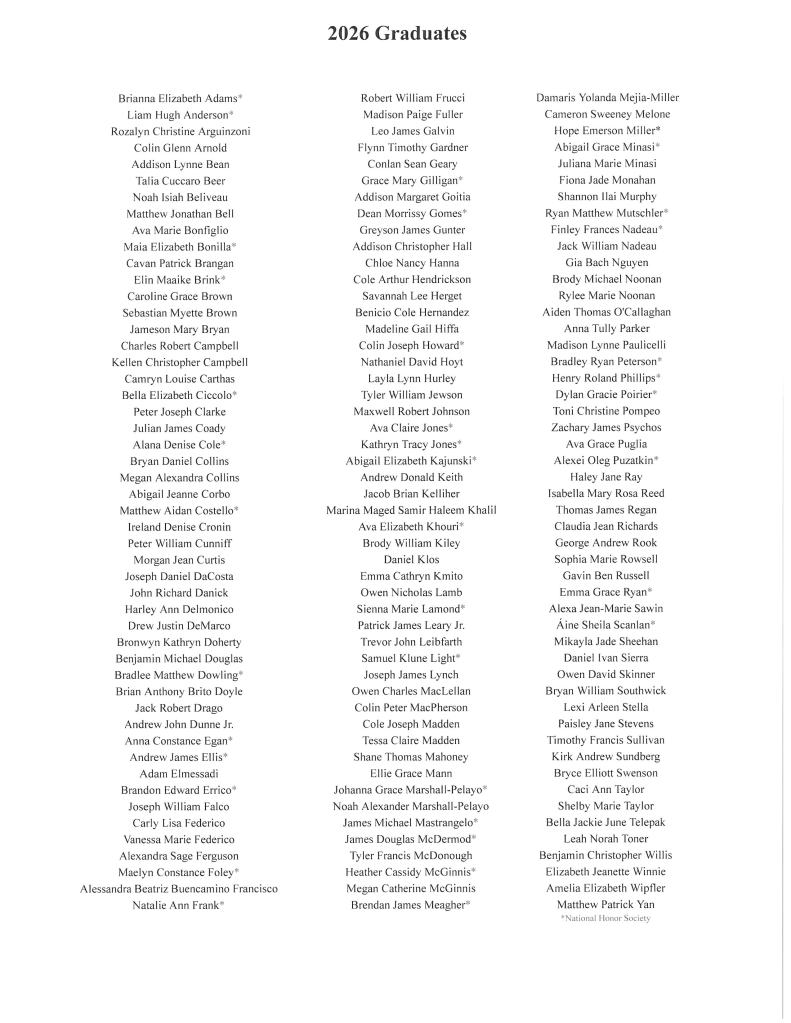
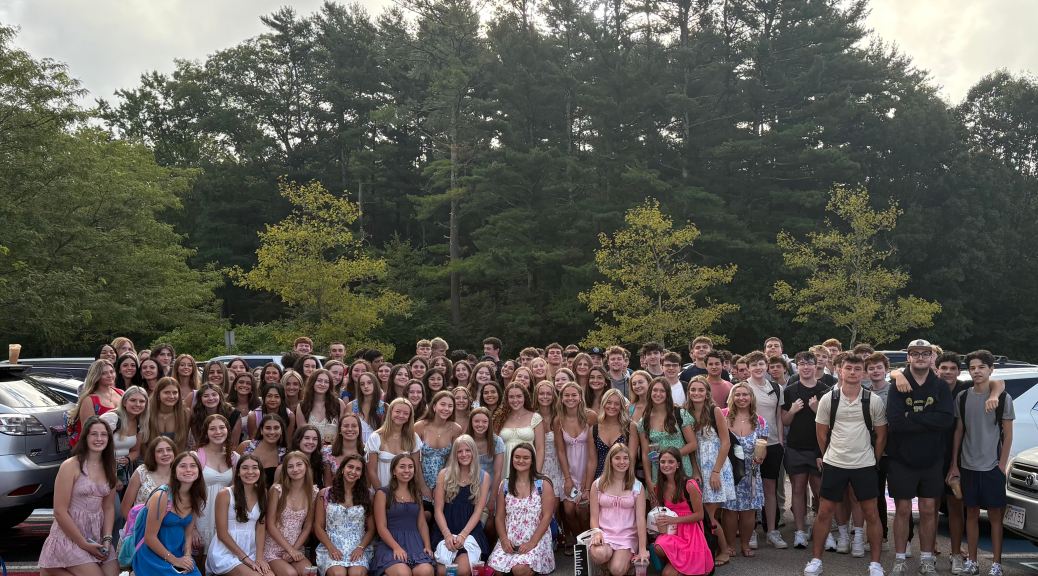
The Class of 2026 found community, friendship, and personal growth in many different places throughout their time at Hanover High School. While many participated in a wide range of activities, a common theme connected nearly every student response to The Hawk senior survey: the people they met and the relationships they built made their high school experience meaningful. Whether it was through sports teams, music programs, clubs, or favorite classes, seniors reflected on the sense of belonging they found at HHS.
Sports
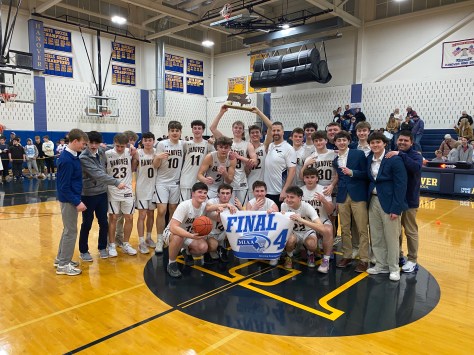
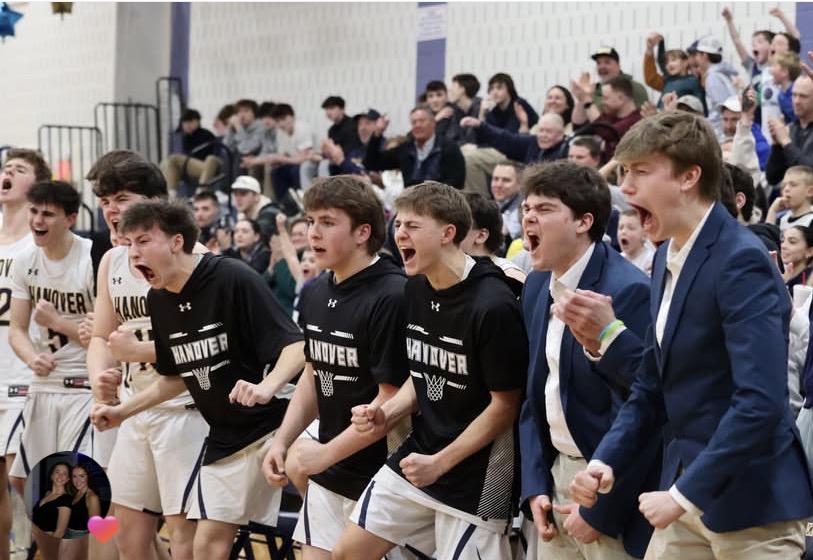
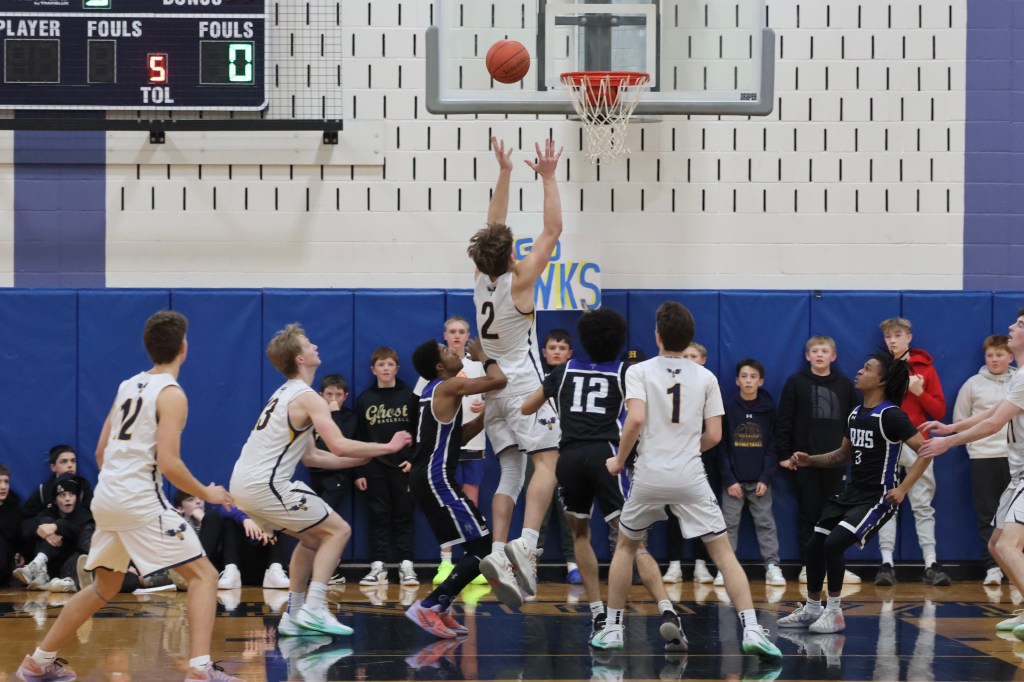
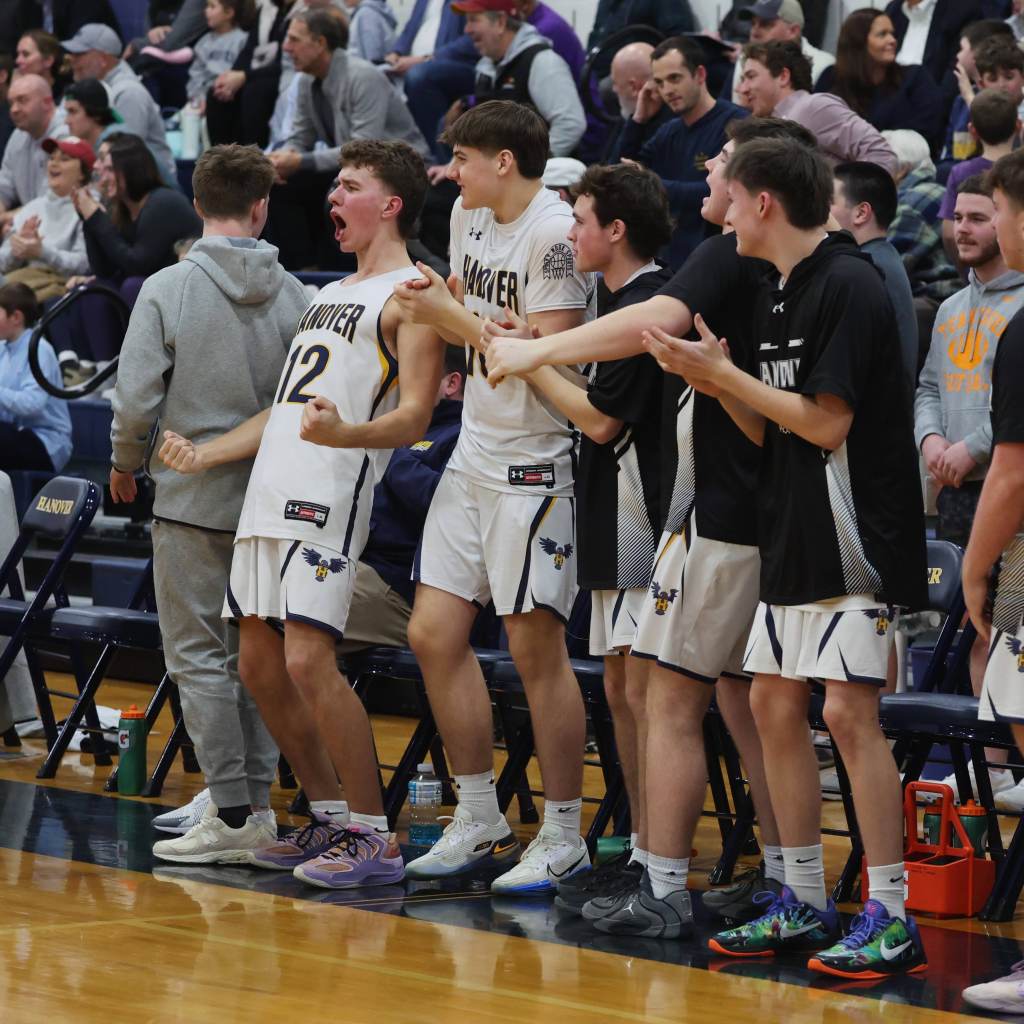
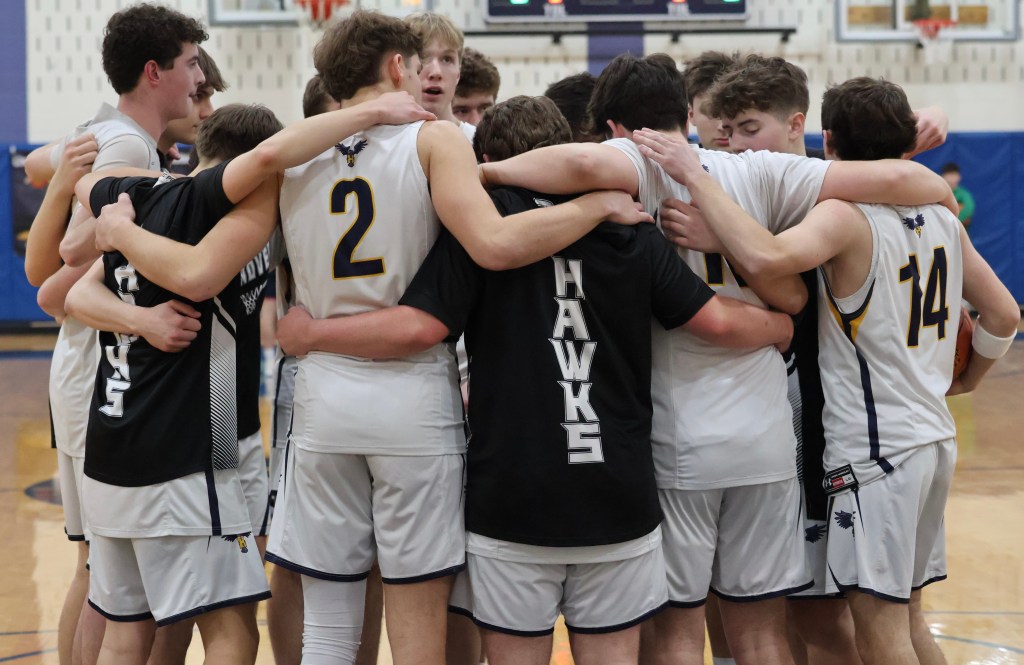
Boys basketball celebrates a playoff win at home.
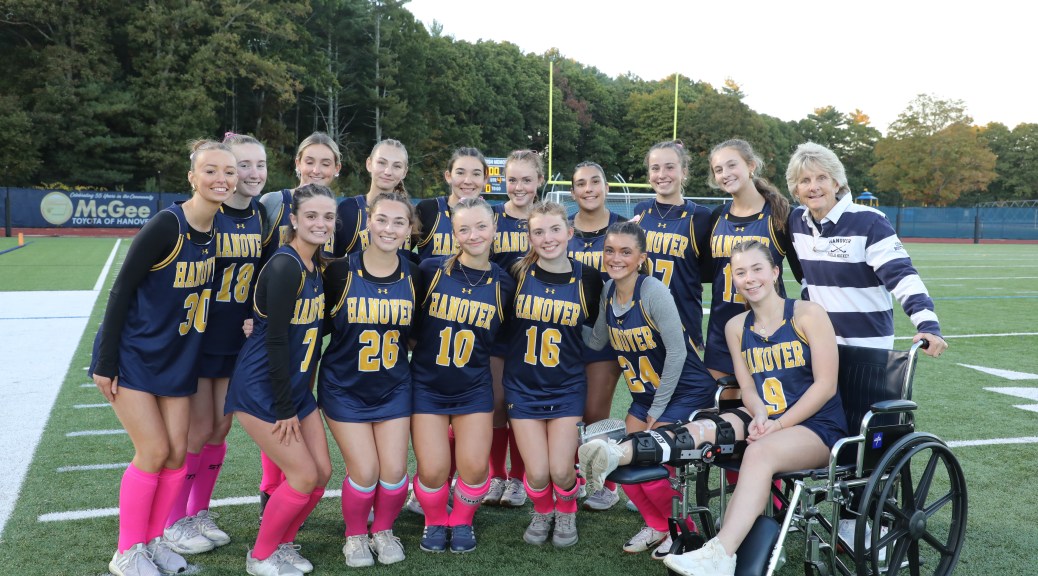
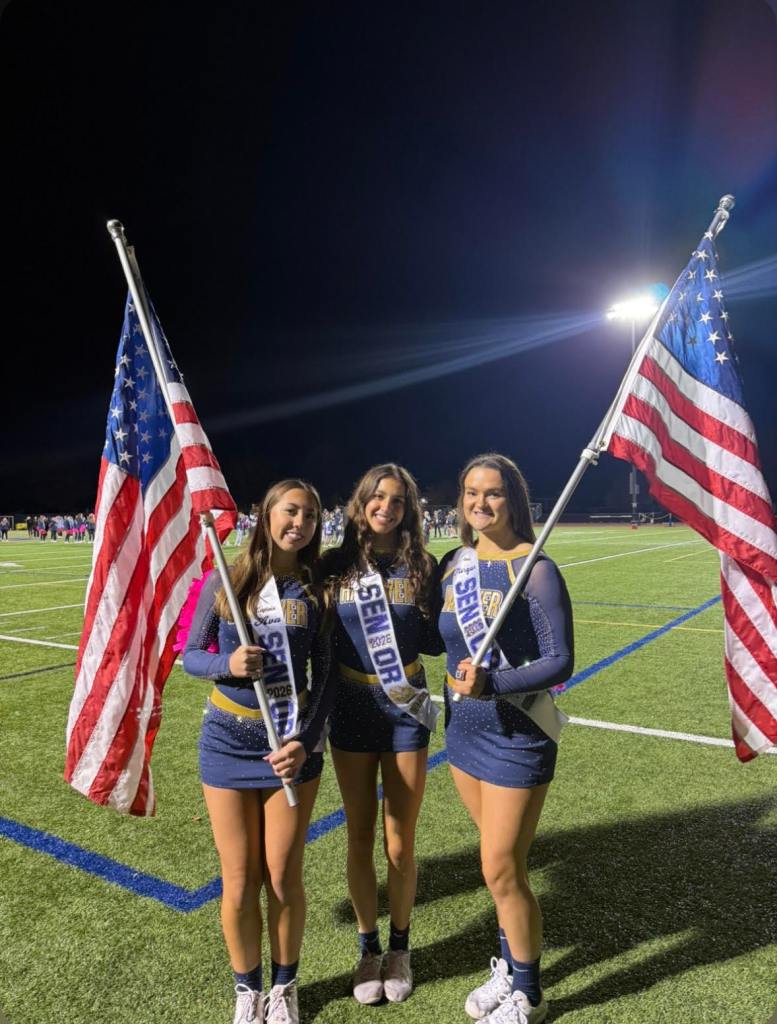
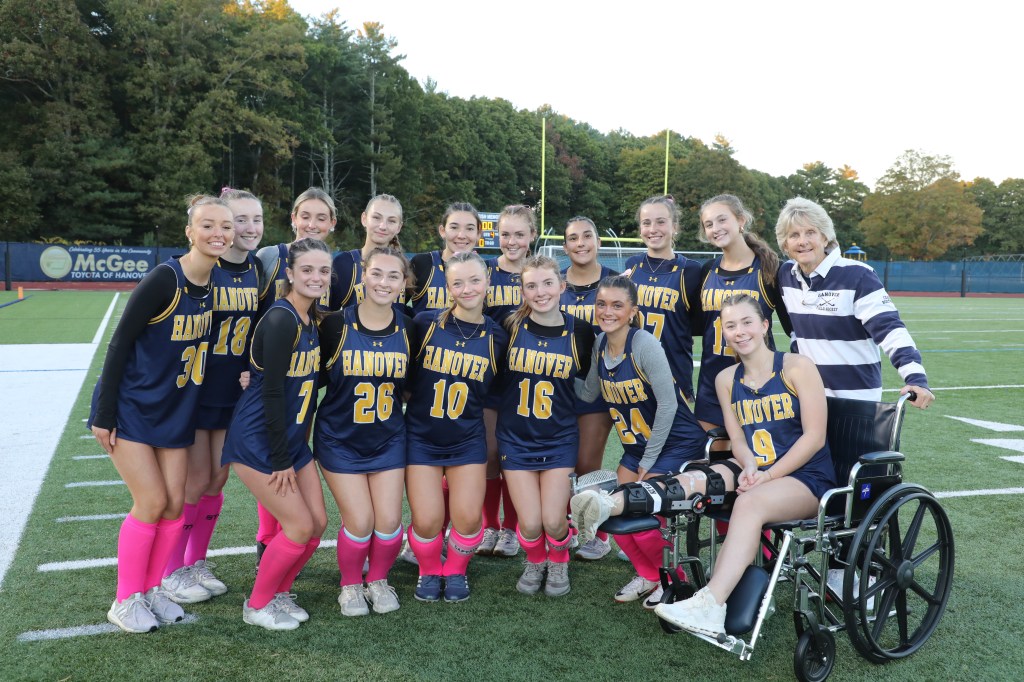
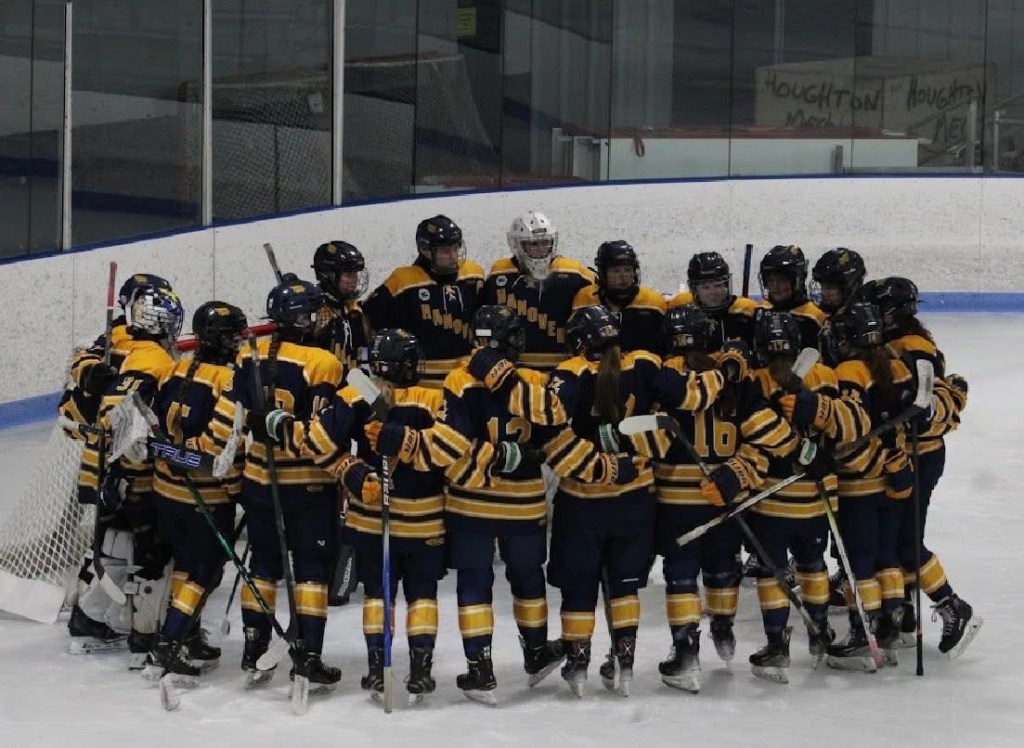
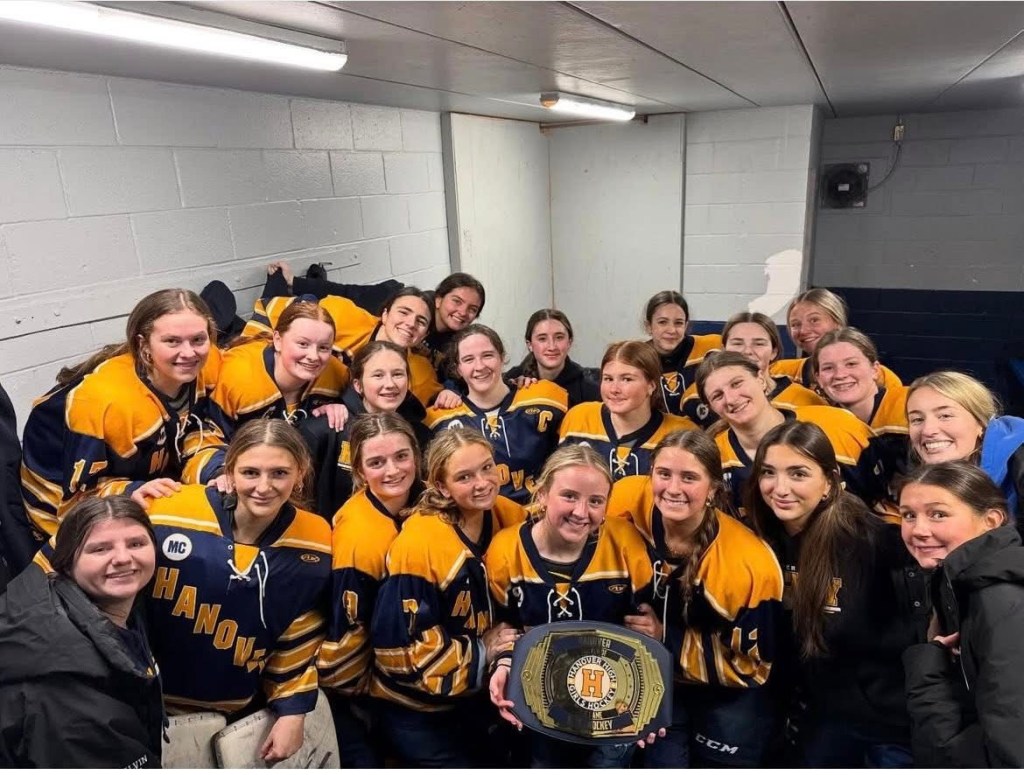
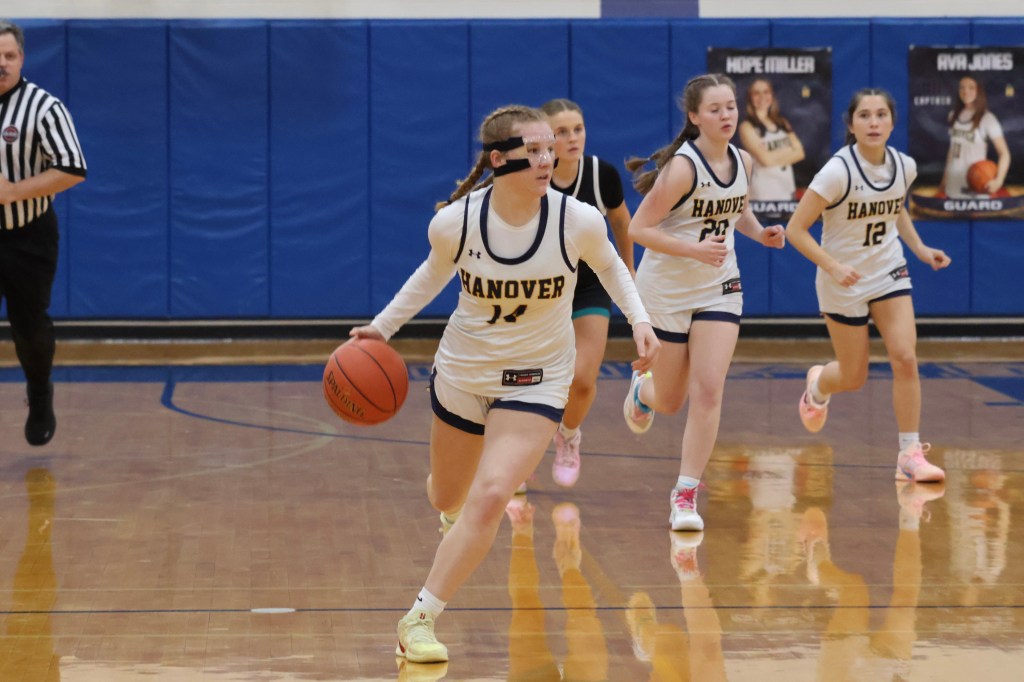
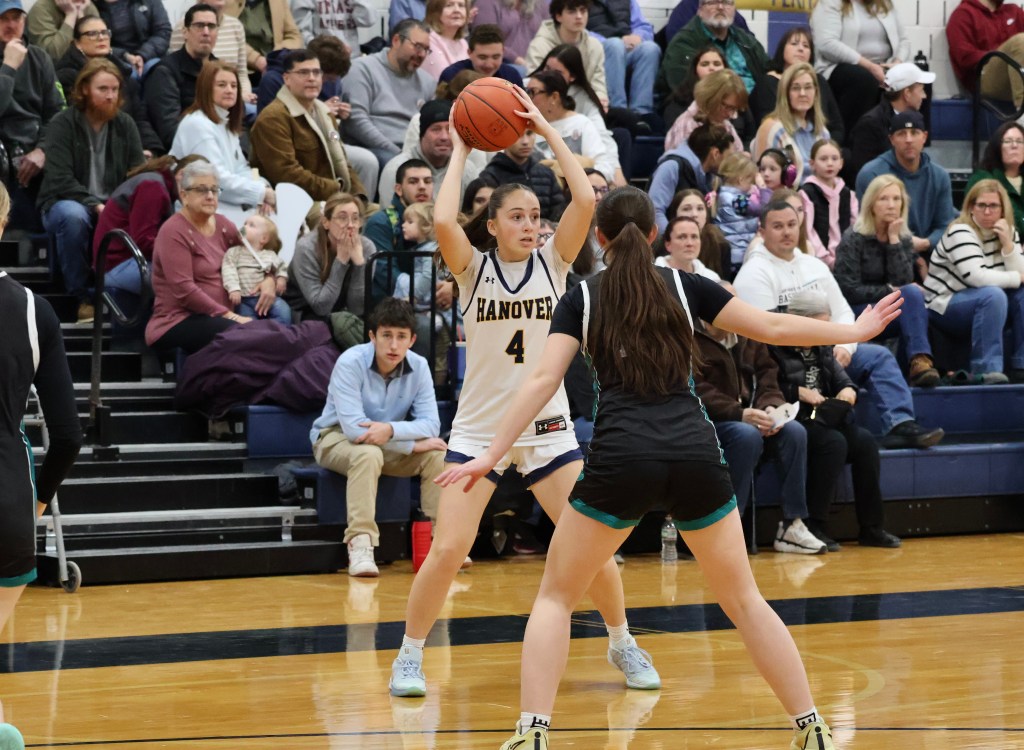
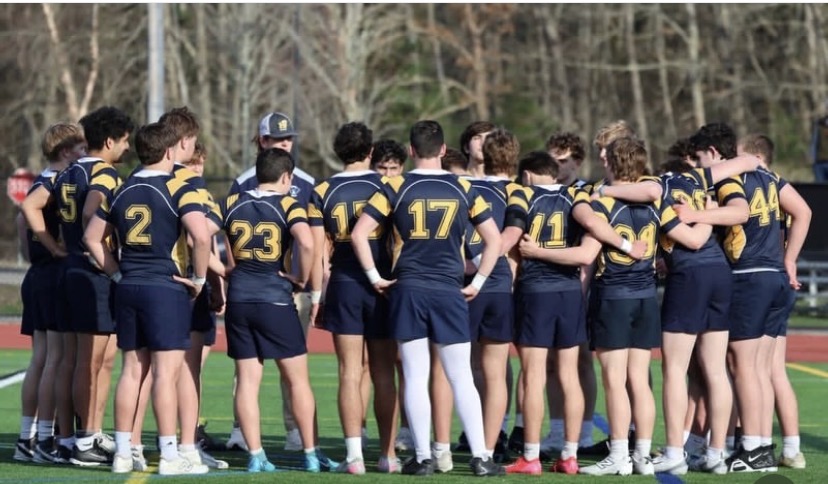
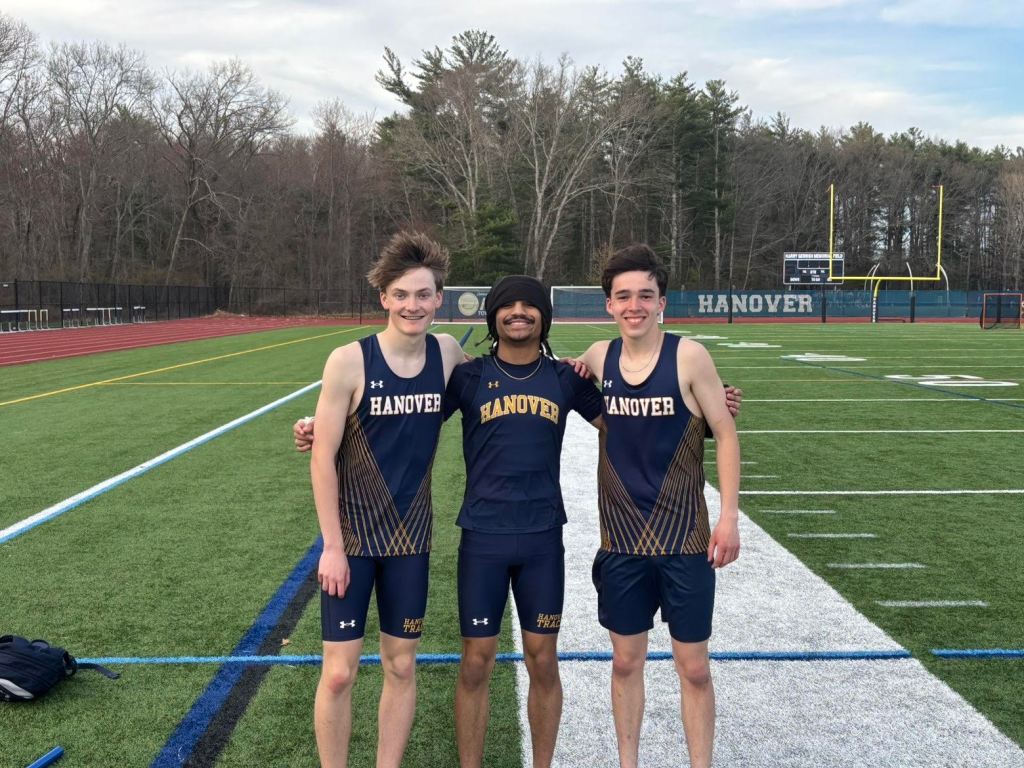
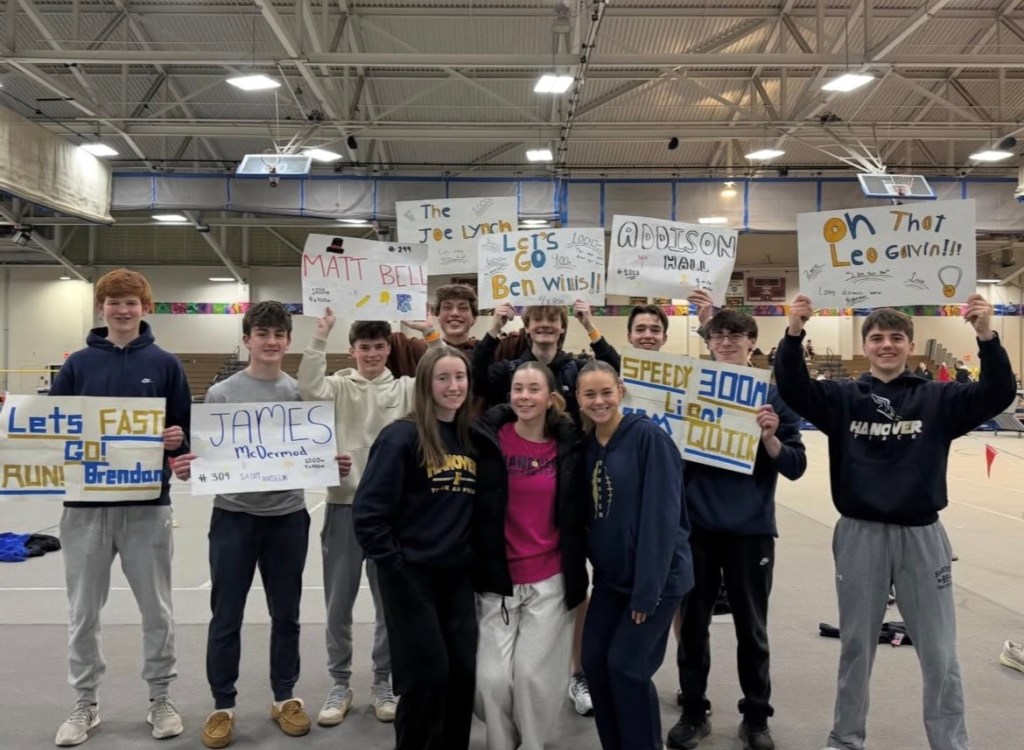
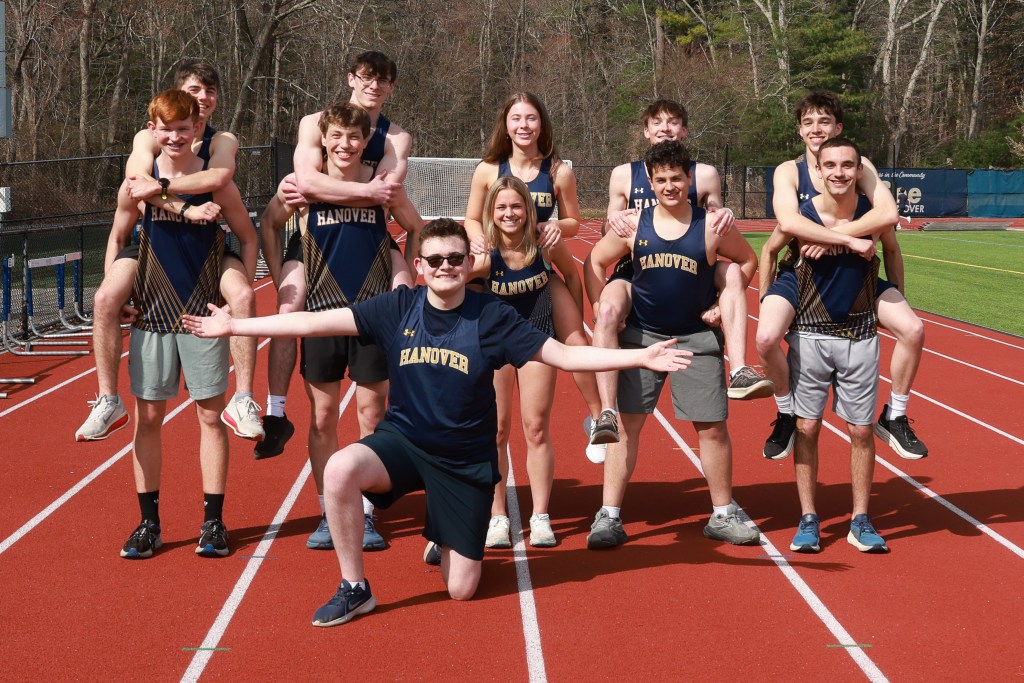
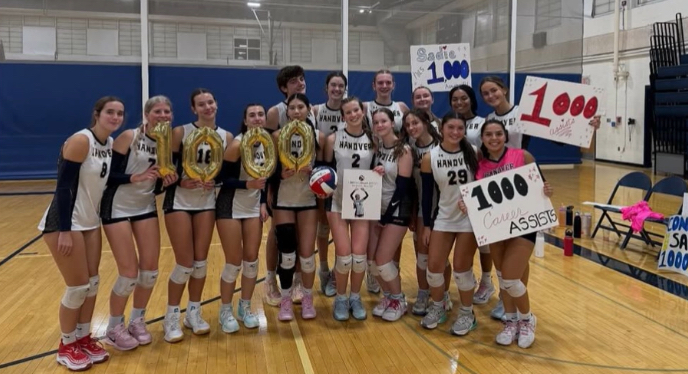
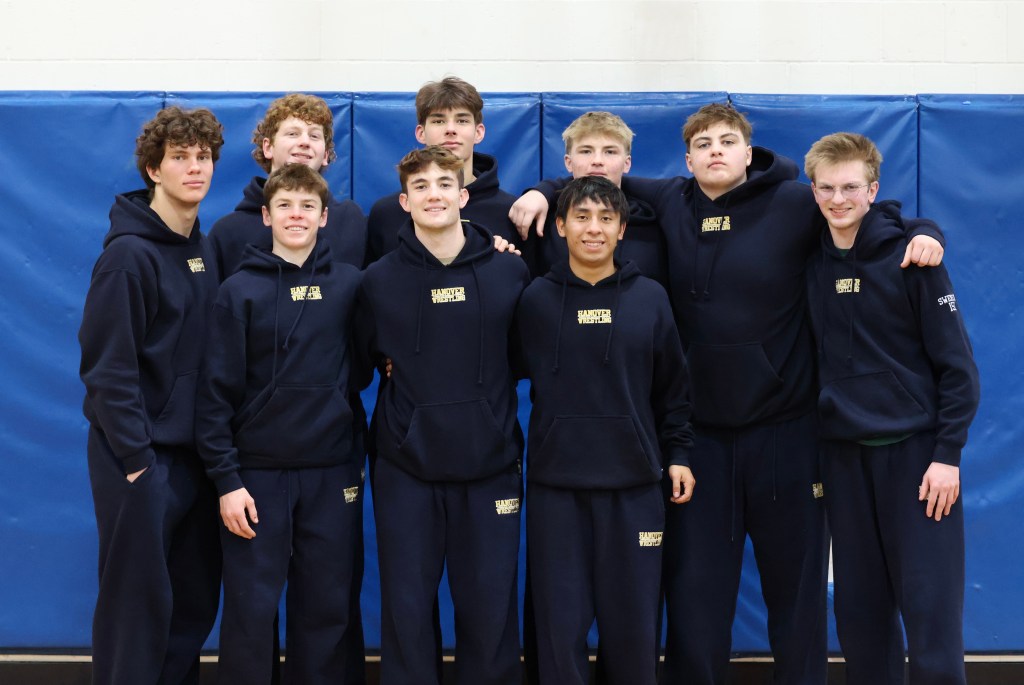
Football was a major highlight for Brandon Errico and Patrick Leary, who felt the team was like a family. Peter Clarke and Sebastian Brown also loved football for the friends they made on the field. Alongside the football team, Ava Khouri had an unforgettable experience as a cheerleader, especially during the Super Bowl at Gillette Stadium. Addison Hall, Camryn Carthas, and Gavin Russell thanked their coaches and teammates for the memories and friendships they made on the soccer teams. Hockey was a meaningful experience for Cam Melone, Heather McGinnis, Henry Phillips, and Vanessa Federico, who credited her coach for making the team a success. Katie Jones and Ava Puglia loved playing field hockey with friends, while Tyler McDonough and Noah Marshall-Pelayo will never forget playing for the rugby team. Dean Gomes created indelible memories on the swim team, as Ryan Mutschler did with both his teammates and coaches on the basketball team. Brendan Meagher and Leo Galvin especially appreciated the cross country team experience, and Ben Willis and Joe Lynch found community through track. Dylan Poirier and Tess Madden agreed that the bonds they made on the volleyball team will have a lasting effect on their lives.
Classes
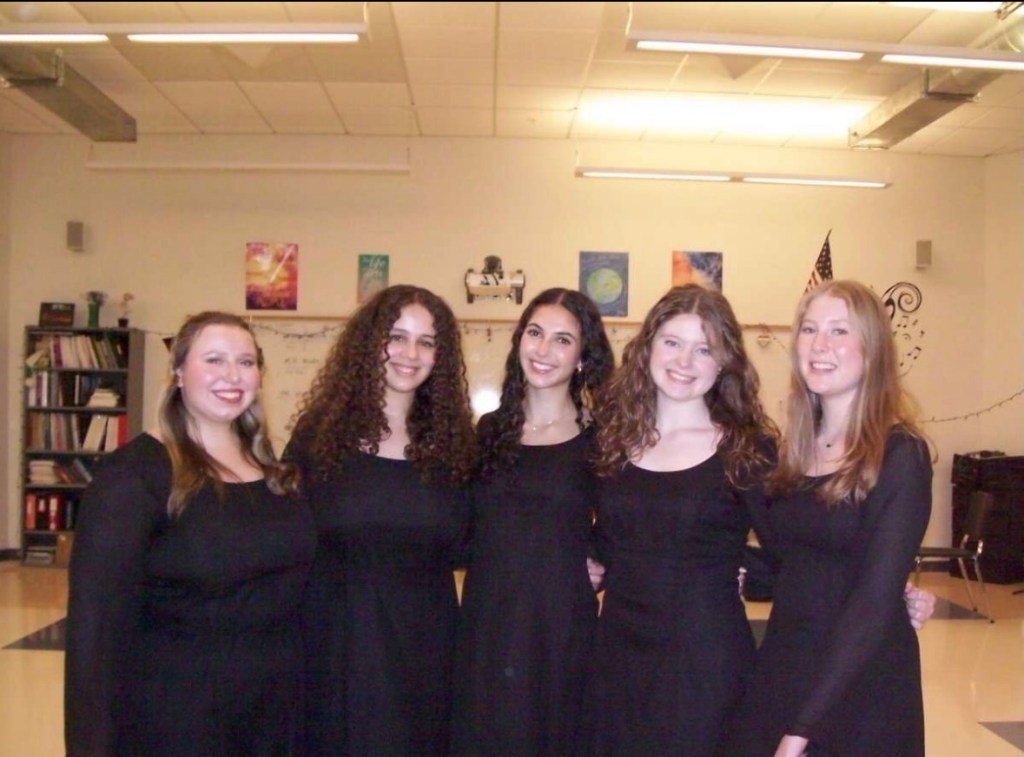
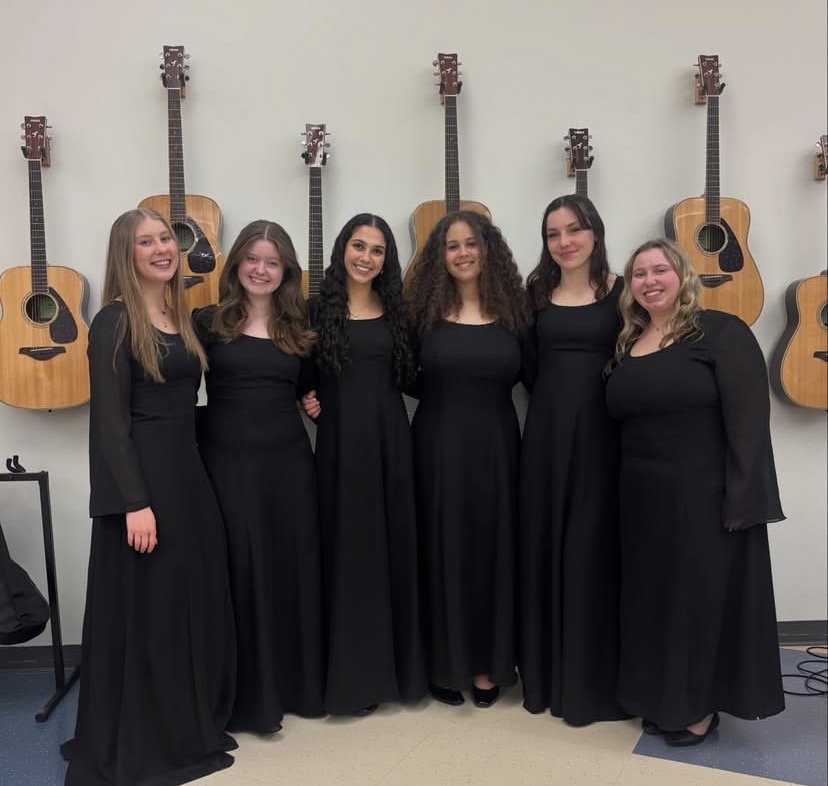
Vox prepares for a concert.
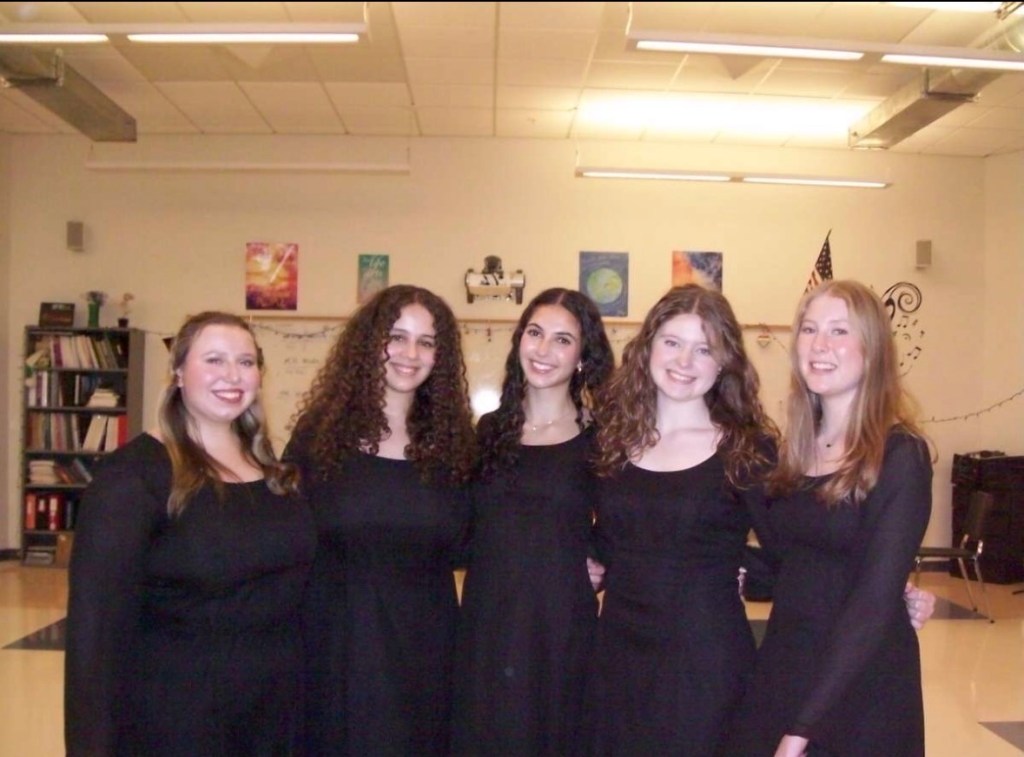
For Ellie Mann, Maddy Hiffa, Sienna Lamond, and Brianna Adams, VOX was not just a class but a valuable community where everyone could grow. Similarly, the band was the highlight for Aine Scanlan. Maddy Hiffa also cited AP Art. Bryan Collins and Joey DaCosta found Sports and Society with Mr. Molloy the most interesting, while Daniel Klos loved gym. Morgan Curtis enjoyed environmental science, especially Ms. McHenry’s class junior year, while Madison Paulicelli echoed that and added marine science as a favorite. Matthew Bell loved Mrs. Molloy’s chemistry class, while Aine Scanlan found biology the most enjoyable. AP Psychology was dubbed the most interesting class by both Mikayla Sheehan and Juliana Minasi. Damaris Mejia-Miller looked forward to Spanish class every day, while Bradlee Dowling eagerly anticipated the new challenges brought in AP English Language. US History 2 Honors was an important yet fun class for Elin Brink, and Maddie Fuller cited AP US History as a class she most looked forward to attending. For Colin MacPherson and Matthew Yan, the opportunities in engineering class outweighed all the rest.
Clubs
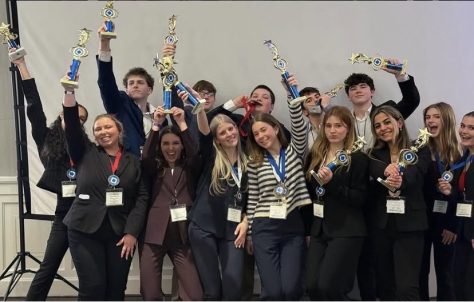
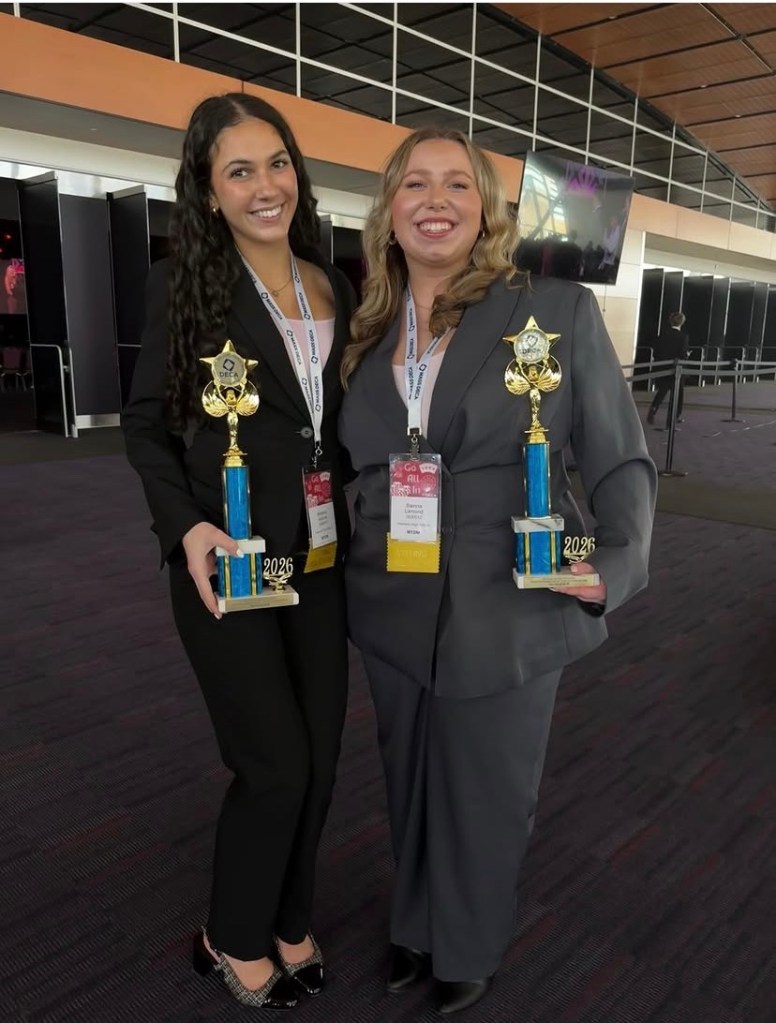
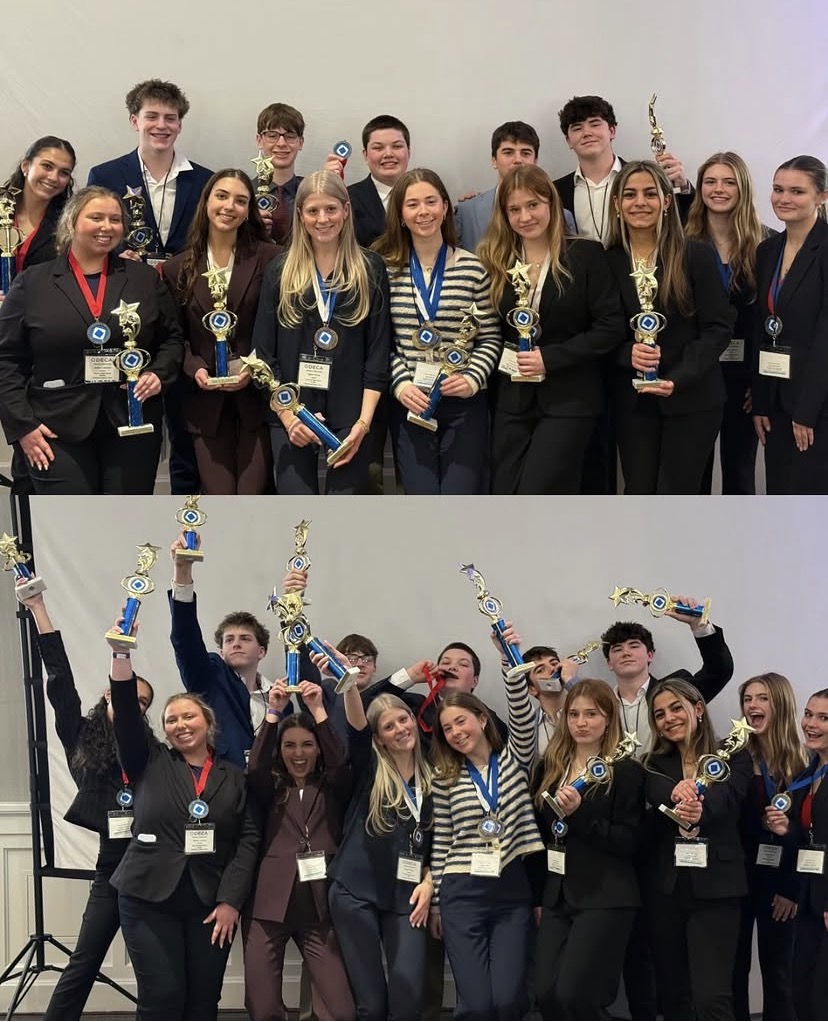
DECA celebrates its wins at the District Championship
Sienna Lamond found that DECA gave her the skills and confidence she needed to be prepared for the future. Similarly, Bradlee Dowling discovered an opportunity to find his voice and hone his skills as the captain of the Debate Club. Bella Reed prepared for the future with Career Club, which she ran alongside her friend. Emma Ryan found the Yearbook Club to be a source of community and creativity. Fiona Monahan and Bronwyn Doherty loved expressing themselves with their friends in the Art Club.
Together, the reflections from the Class of 2026 show that HHS was much more than academics or extracurriculars. For many students, the most important part of high school was the friendships they formed, the communities they became a part of, and the memories they created with the people around them.
As the members of the Class of 2026 prepare to embark on their new journeys beyond Hanover High School, students who responded to The Hawk survey shared advice to inspire their younger peers. Seniors truly believe that by forming meaningful connections, taking advantage of opportunities, and working diligently, every student can achieve great things.
Although freshman year and adjusting to the new high school environment can be difficult, many seniors acknowledged the importance of persistence and effort throughout this formative year and encouraged our incoming freshmen to do the same.
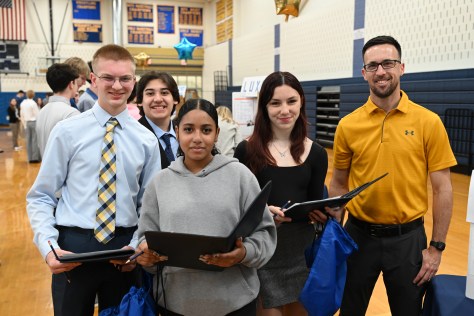
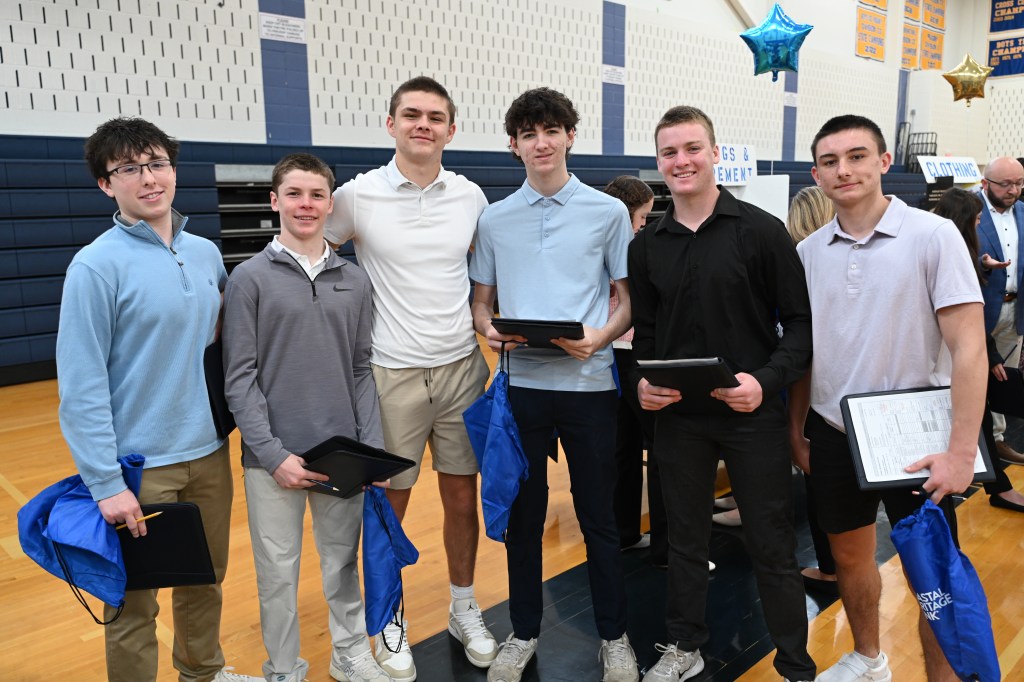
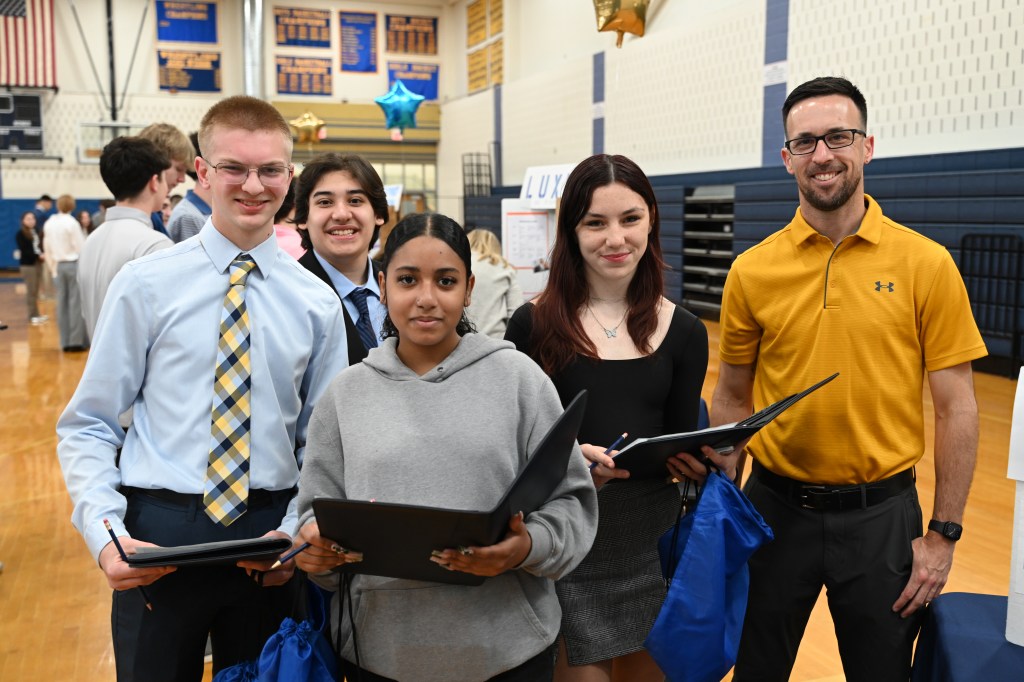
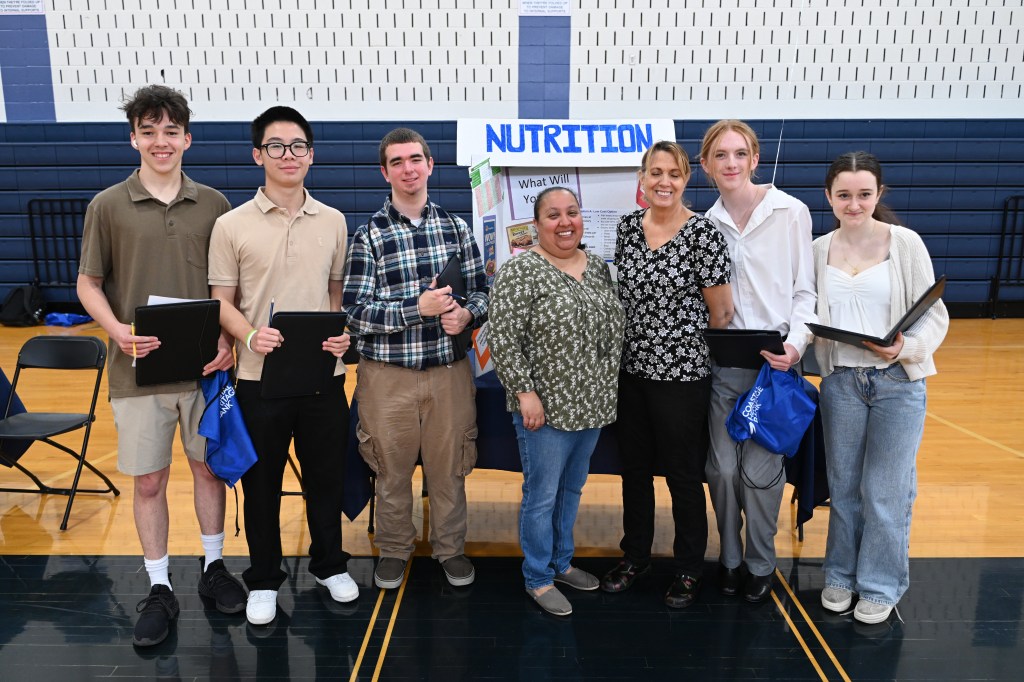
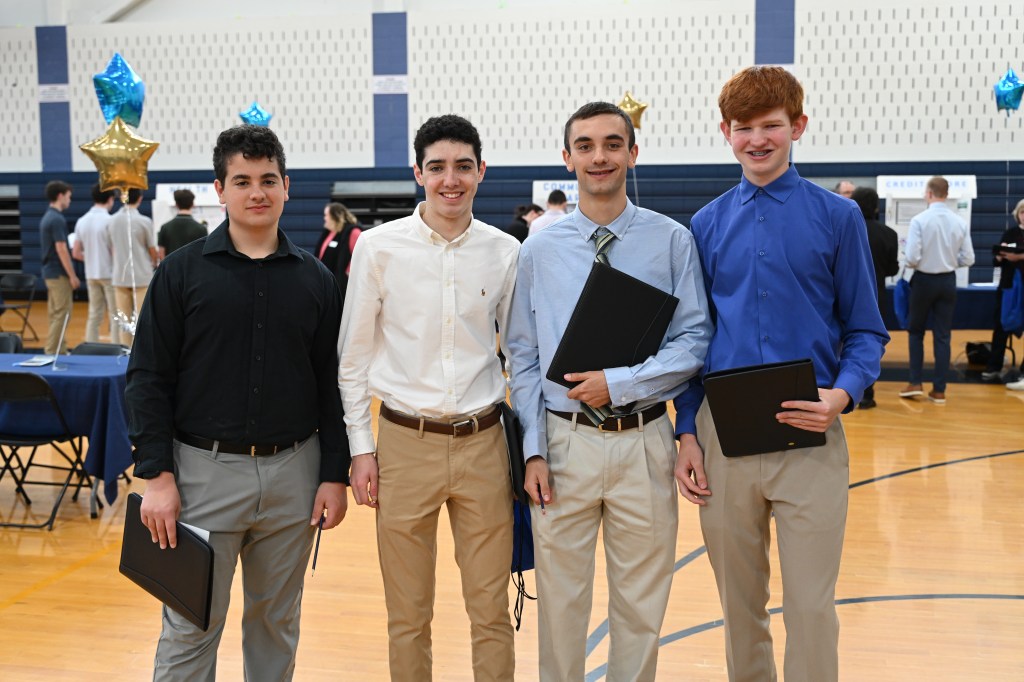
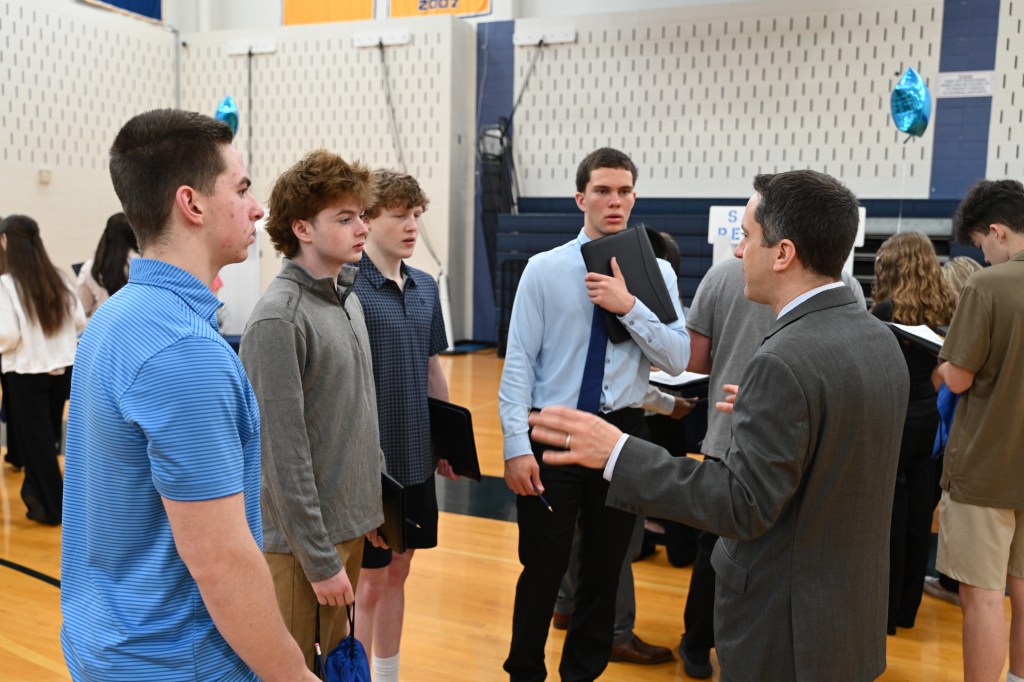
Credit for Life Fair junior year
Matthew Bell expressed how he wished he had “taken freshman year more seriously.” Damaris Mejia-Miller echoed that, saying “lock in freshman year.” Mikayla Sheehan urged students to focus on “getting your GPA up high.” Vanessa Federico advised them to “stay on top of their work, especially freshman year. Most freshmen think their grades don’t matter, but they do.”
Acknowledging the significance of freshman year, but also the value of enjoying your time at HHS, Ava Puglia said, “grades freshman year matter so actually try, but also have fun and get involved in and outside of school.”
For many, attending school and learning new things will always have a special significance. As the next generation of leaders leave the nest, they encourage underclassmen to choose classes that they are passionate about, persist through bad grades, and make meaningful connections with classmates and staff with the time they have at HHS.
Maddie Fuller recognized the value in true learning and emphasized that students should “try to focus on actually learning and absorbing material rather than just getting good grades.” Sienna Lamond encouraged students to take advantage of the opportunities that the school offers, saying “take classes for YOU. High school has the resources to set you up for your future career whether you know what you want to do yet or not! Taking different classes from your friends is how you discover your individuality and passions for the future.”
Expressing a similar sentiment, Bronwyn Doherty shared the importance of taking challenging courses and establishing meaningful friendships through high school as she said, “Take the courses that you think will be best for you. Don’t be afraid to take difficult classes, but know your limits! Reach out to new people and connect with your teachers; it’s definitely worth it!”
Katie Jones emphasized the significance of persistence in learning and condemned the popular habit of hyper-focusing on failure, while also telling students to enjoy all aspects of life. “My advice is that one bad test does not define you, and that time goes by so fast, so enjoy every moment,” she said.
Peter Clarke chose to recognize the importance of a study tool that we all have used at least once or twice by stating, “Quizlet is your friend.”
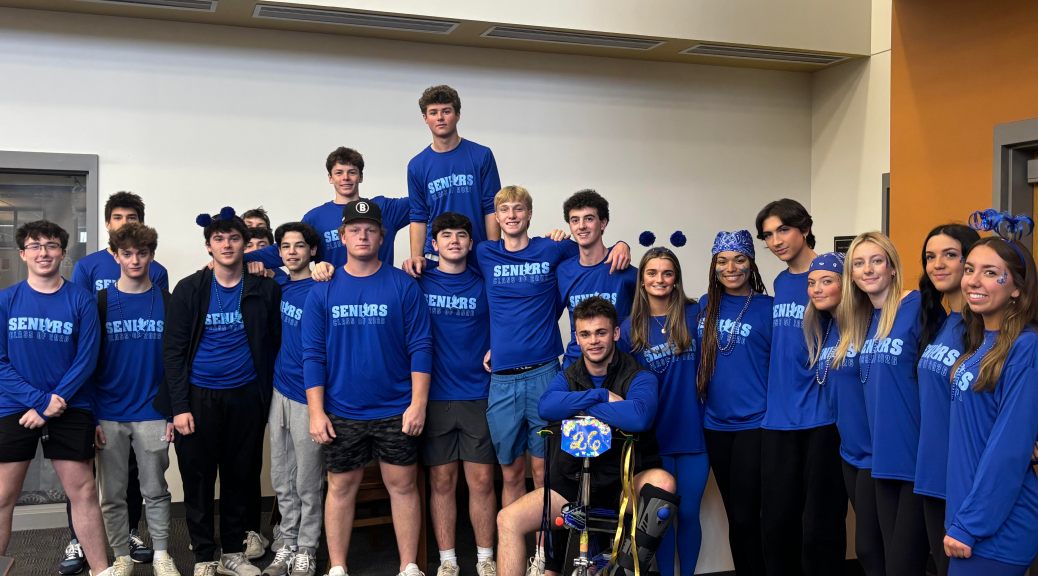
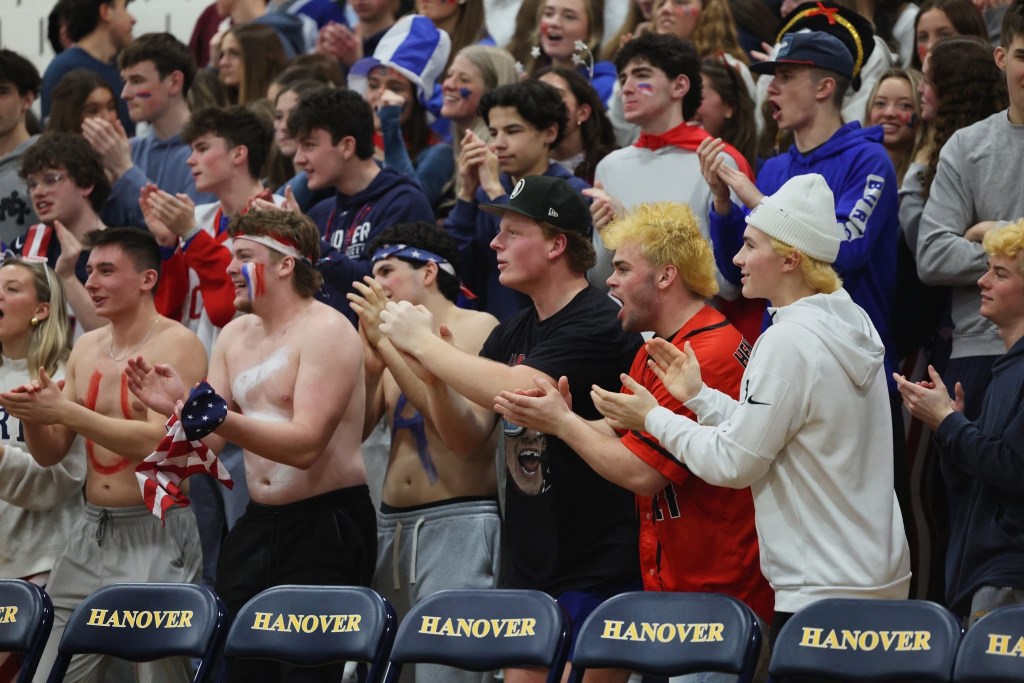
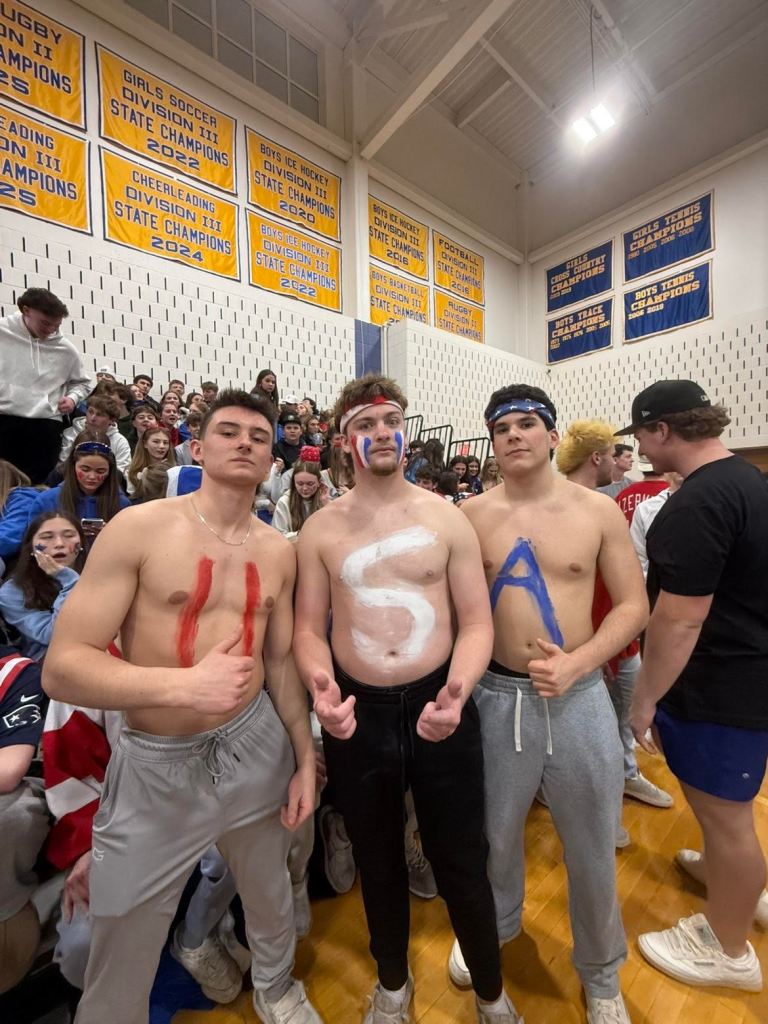
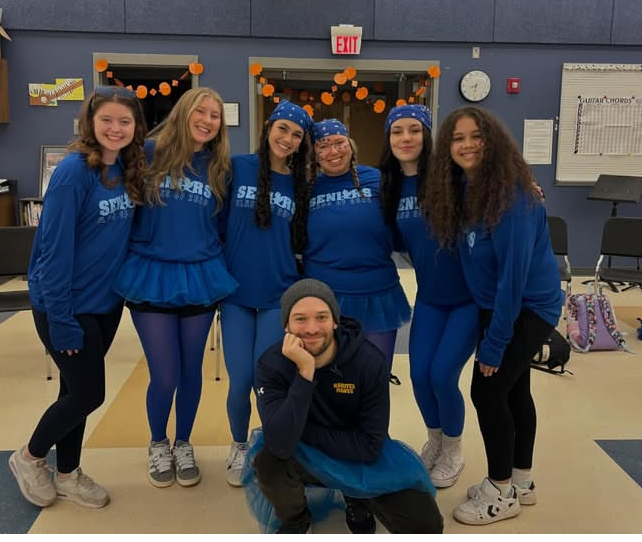
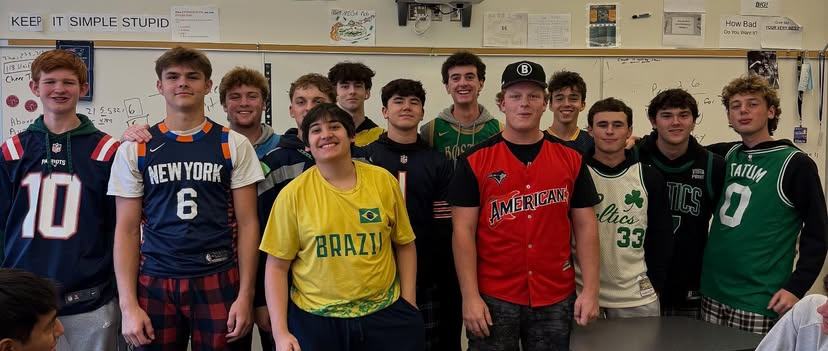
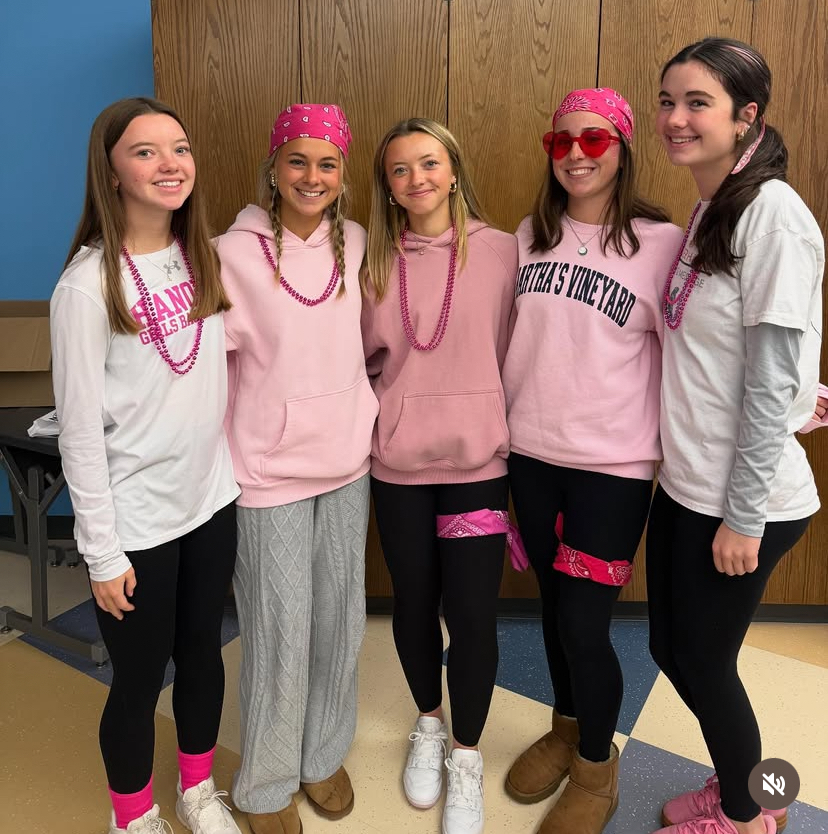
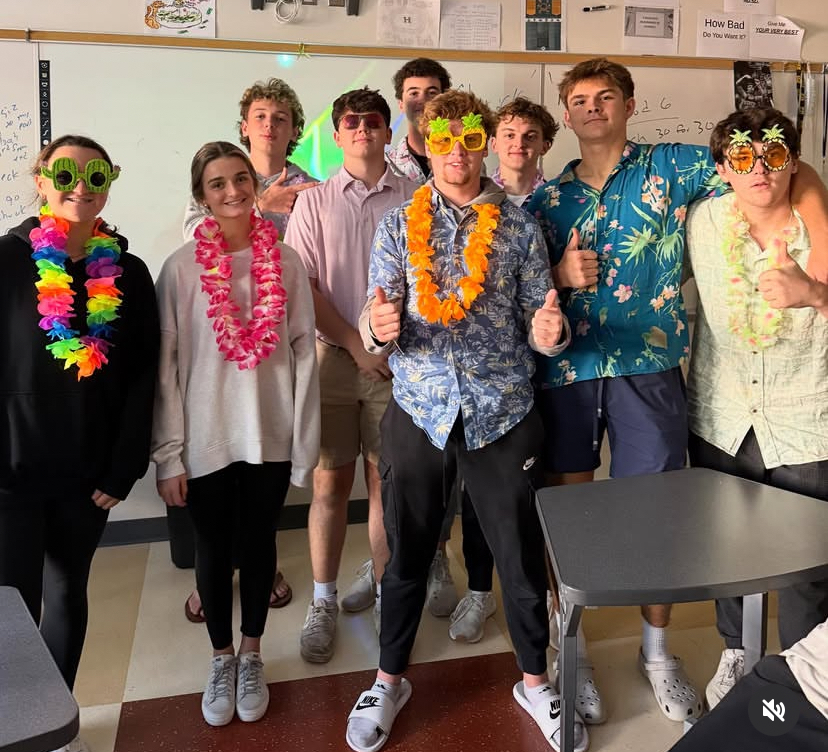
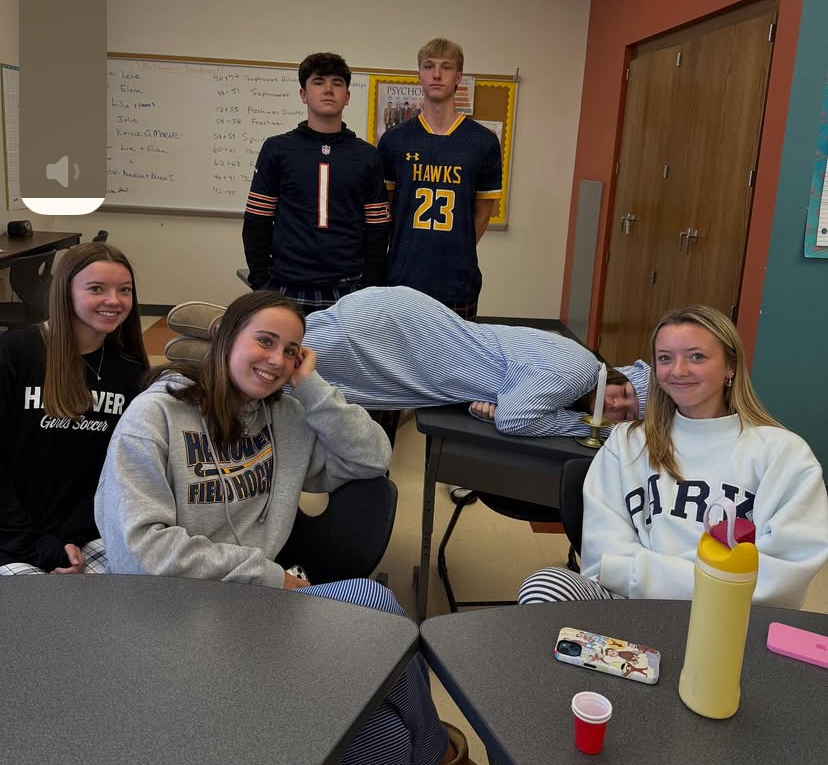
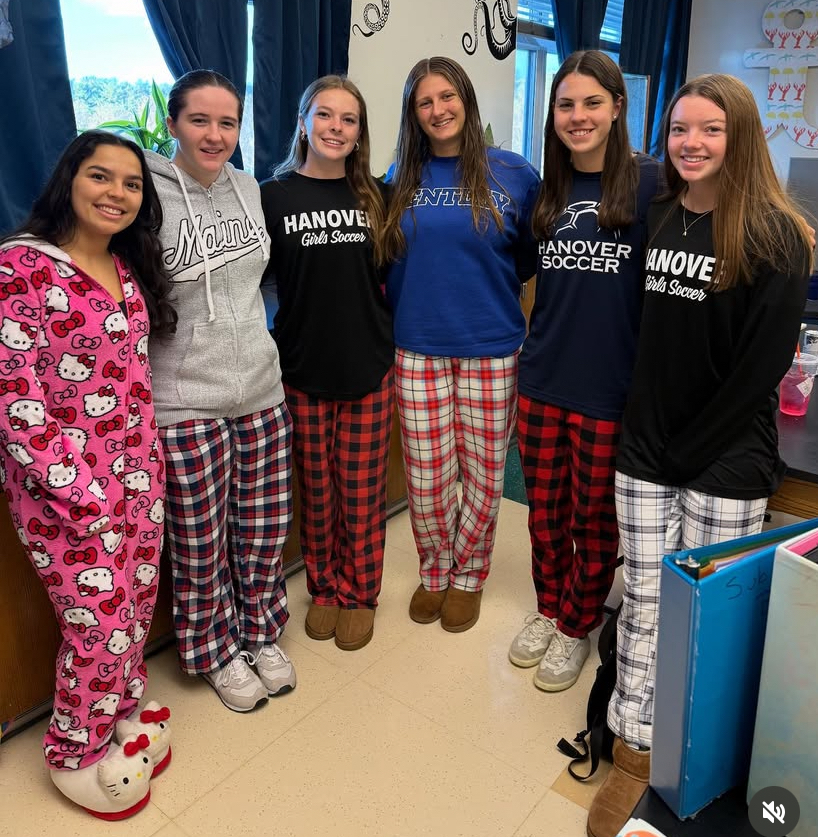
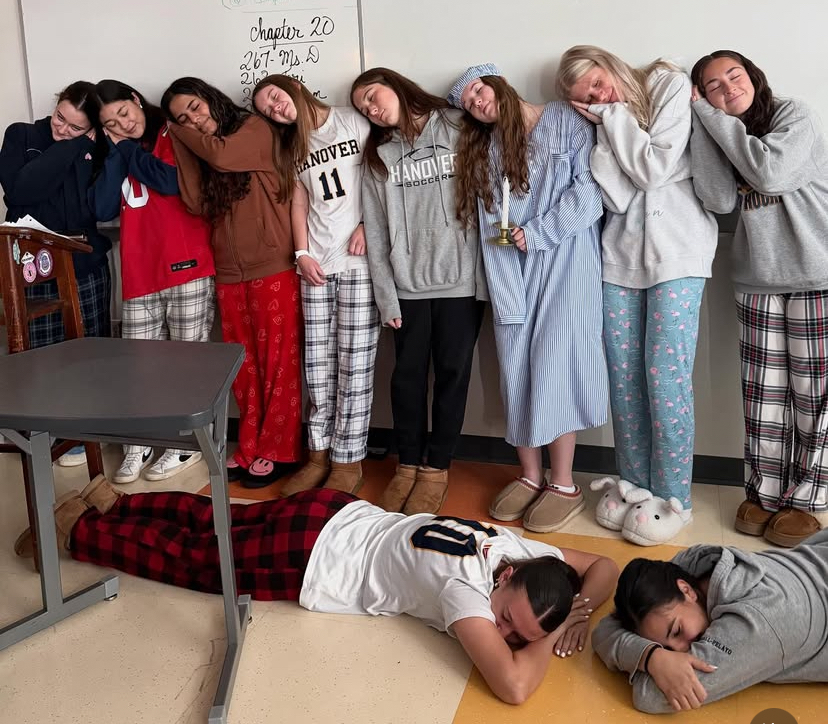
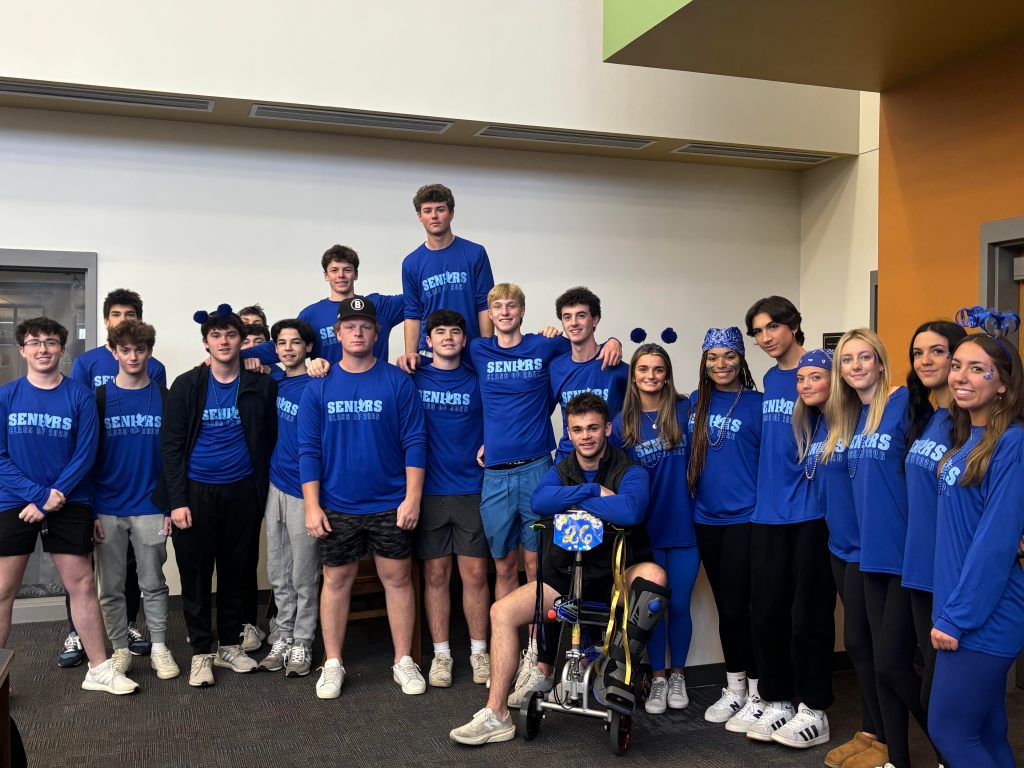
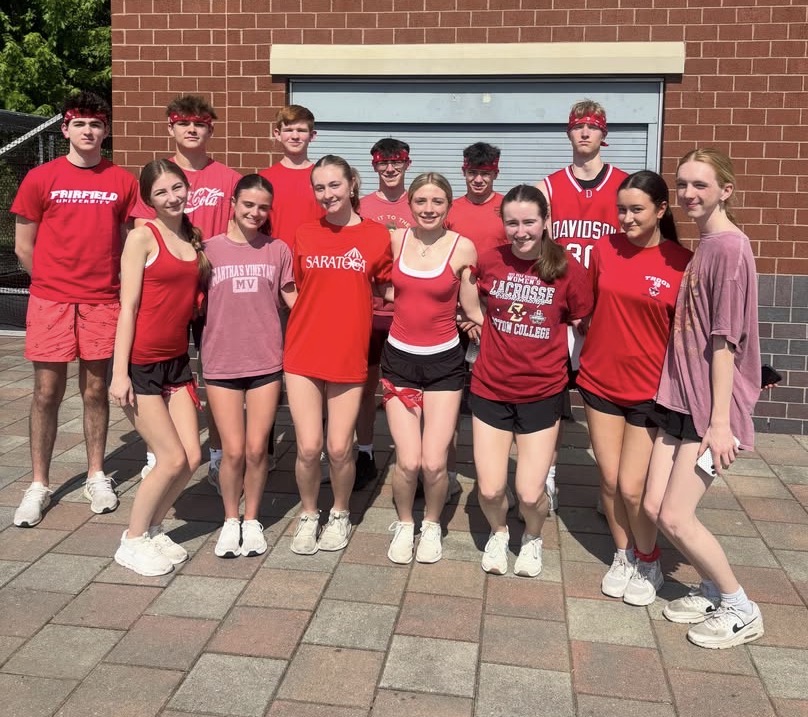
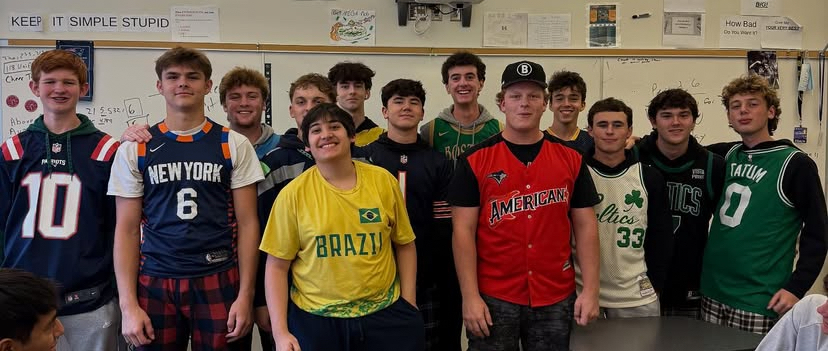
Spirit Week
Beyond grades and extracurriculars, seniors reminded classmates that high school is also a journey of self-discovery and a time to embrace what makes each one of us special. Every student has unique passions, values, and experiences to share. And in truth, it’s these differences that make our school a place worth remembering.
“Stay true to yourself!” said Brianna Adams. “In high school, it’s easy to be tempted to stray from what you love and value just to fit with the ‘norms,’ but it is important to maintain your values and keep doing what you love, no matter what others think.” Ava Khouri, class president, expressed a similar sentiment, encouraging students “not to worry too much about what other people think because the embarrassment is temporary, but the memories last forever.”
Maddy Hiffa expressed there is value in our differences, advising underclassmen to “not be afraid to be yourself because that’s how you find your people.” Colin Howard spoke about the value of self-discovery, encouraging HHS students to “not do things just because you think other people want you to.” Madison Paulicelli talked about the value of always having confidence in yourself, stating that “having your own back is your biggest strength.”
High school is a valuable time to both make meaningful connections and get involved in the school community. Engaging in new opportunities and participating in extracurricular activities is pivotal to maximizing your high school experience and discovering new passions that will shape your future.
Ava Khouri talked about the importance of pushing yourself outside your comfort zone and taking advantage of every opportunity HHS has to offer. “Go all out for spirit weeks, cheer loudly at sporting events, and don’t be afraid to fully participate in everything our school has to offer,” she said. “Some of the best memories will come from moments you almost didn’t join in on.”
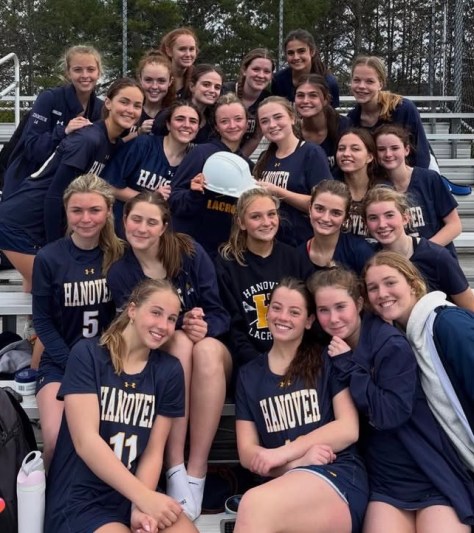
Girls Lacrosse
Leo Galvin conveyed the same message, saying “there are plenty of clubs and athletics at HHS, and without these activities, I wouldn’t have been able to become the person I am today.” Ben Willis added that extracurriculars “will help your college search and make high school much more fun.”
Ellie Mann acknowledged that friend groups may change through high school and that’s ok. “Do not expect to keep the same friends when you enter high school,” she said. “Branch out and meet new people.”
One popular theme among the advice from seniors was the importance of effort. Although in the past some have claimed that the only school years that matter in terms of academics are sophomore and junior year, that is simply not true.
“Put in effort every year because it will help you so much when applying for colleges,” said Tess Madden. Ireland Cronin echoed that, saying, “Try your hardest from the beginning and always put in your best effort because it truly does matter.” Morgan Curtis added, “The advice I would give is to try harder because it all counts.”
Wishing to warn others of a bad habit that all of us have fallen prey to before, Johanna Marshall-Pelayo reminded underclassmen to always complete tasks in a timely fashion by saying, “Don’t procrastinate – just start the work.”
Aine Scanlan reminded underclassmen to try to avoid the stresses of student life by saying, “As long as you try your best and are respectful and kind, it will go pretty well. But remember, every year does count for college.”
Bradlee Dowling shared with students that taking random AP classes and joining clubs and sports just to check a box for college is useless. “You need to find the things you are passionate about and put everything into them, that’s what colleges will care about,” he said.
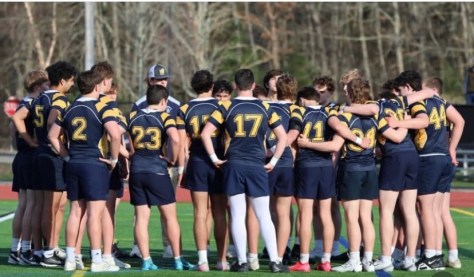
Rugby
Sharing a simple yet powerful message, Daniel Klos told students: ”Don’t give up.”
Joe Lynch reminds students of a powerful mantra that we should all strive to live by: “Whatever you do, do it 100 percent.”
Several seniors reminded underclassmen that even though some days feel everlasting, the years truly do fly by, making it so important to cherish every moment. “Take in everything,” said Juliana Minasi. Brendan Meagher added, “Make the most of every day.” Fiona Monahan encouraged students to “spend as much time as you can with your loved ones and never take those special moments for granted.” Gavin Russell agreed, saying, “Cherish the good times with your friends because before you know it you will be graduating.”Bella Reed, Emma Ryan, and Patrick Leary spoke about the importance of living in the moment. “Don’t think about the future or the past,” Bella said. “Think about the present.
As their days at HHS wind down, many members of the Class of 2026 agree that what they will remember most is not just the classes they took, the sports they played, or the friends they made. They’ll also remember the teachers and staff members who made a difference in their lives. Seniors who responded to The Hawk survey reflected on adults from every department, from History and English to Music and Guidance, who helped shape their experience both inside and outside of the classroom.
Mr. Harden and students from the school’s music program
For many students, the teachers who stood out the most were the ones who made learning feel personal and engaging. Teachers like Mr. McLean in Science, Mr. Centorino in Math, and Mr. Brown in History were repeatedly praised for creating a classroom environment that students were excited to walk into each day. “Mr. Brown is always motivating me to push myself in order to become a better person every day,” Leo Galvin said, while Sienna Lamond described how his in-class support during a stressful junior year “meant so much.” Dylan Poirier said Mr. Brown “always had the best stories.” For Emma Ryan, Mr. McLean’s Anatomy and Physiology class junior year “made me realize that I wanted to be a nurse.”
Mr. Perry, a history teacher who is retiring after 29 years, is another who has left a positive impact on many graduating seniors. Students including Dan Klos, Joey DeCosta, Tyler McDonough, Juliana Minasi and Mikayla Sheehan described his classroom as welcoming, fun, and supportive, with some crediting him for changing their view on history class – or even learning – altogether. “He helped me realize learning can be fun,” Maddie Fuller said. Fiona Monahan emphasized how he formed connections with students, even ones he wasn’t teaching that year, to create a classroom environment that everyone actively enjoyed. Tess Madden said Mr. Perry “taught her to start each day with a smile” and Noah Marshall-Pelayo said he “taught me not to be afraid of being myself.”
In the English department, students reflected on the lessons they learned from their teachers. Ellie Mann said that after three years with Mrs. Hughes, “her enthusiasm and spark brought me joy every day. Showing up to her class, I was always excited to learn. …When I was stressed out, her class brought me comfort.” Brianna Adams shared how Mrs. Hughes encouraged students to “truly understand how the lessons of literature can be applied to the real world.” According to Cam Carthas, “Mrs. Collins is always so positive and always makes a bad day better,” while Pat Ben Willis called her a “fun teacher.” Pat Leary said Mrs. Cotter “prepared me for college.”
Several teachers in the World Language department were highlighted. According to Damaris Mejia-Miller, Mrs. Gately created “a classroom where I felt comfortable to be myself.” Aine Scanlan said Madame Youngworth “has always been kind and caring” and Bronwyn Doherty thanked her for “always believing in me and being an amazing teacher.” Trevor Leibfarth said that Mrs. Curtis “motivated me to do more than I thought I could” and Vanessa Federico added “she taught us many life lessons and really cares about her students.”
From the Science wing, students cited Mrs. Emerson, “Doc,” Mrs. Parry and Mrs. Molloy as having had a positive impact. Mrs. Molloy is credited with giving great life advice, helping students grow both inside and outside of the classroom, and creating an environment where students could “learn but have fun at the same time,” according to Johanna Marshall-Pelayo. Ryan Mutschler called her “a positive role model” and Matthew Bell said “she gave me great life advice and was always fun to talk to.” Colin MacPherson thanked Doc for “getting me into the engineering field through physics.” Madison Paulicelli said Mrs. Emerson was “incredibly sweet and an absolutely amazing human being” and Joe Lynch thanked Mrs. Parry for helping him a lot after school.
Mr. File with students
In the Fine Arts, many seniors emphasized the importance of teachers and staff who supported them personally. Mr. Wade’s support during both Concert Chorus and VOX provided “a classroom environment that is truly my main outlet of support,” said Brianna Adams. Brendan Meagher cited Mr. Harden “for believing in me and making the HHS Band such a special group to be a part of.” Colin Howard thanked Mr. File for providing “a safe space with a good vibe to relax in the middle of the day” and Bronwyn Doherty said his instruction has made her artwork “more creative and ambitious.”
Mrs. Pereira in Business was always there to help students such as Leah Toner “with both life and school.” Katie Jones said, “From freshman year to senior year, she always supported me and gave me the best advice.” Gavin Russell added that Mrs. P. “is always kind and cares about all of her students.”
Engineering teacher Mr. Faria, also retiring this year, is “by far the best teacher on earth,” according to Matthew Yan. Morgan Curtis thanked Mrs. Tarkanian, a special education teacher who “has been there for me in every moment all four years of high school, guiding me in the right direction to where I am today.” Mr. Rodday, a special education teacher and coach, provided consistent support to athletes both on and off the field, said Addison Hall.
Nurse Nee made the nurse’s office a welcoming space for many students. “She is always so positive and uplifting,” said Bradlee Dowling. “I remember going to the nurse’s office every time I didn’t do well on a test or a quiz and Nurse Nee made me feel much better about it.” For Class President Ava Khouri, office secretary and class co-advisor Mrs. Foster “taught me what it means to be positive, reliable, and organized, and I appreciate everything she does for our school.”
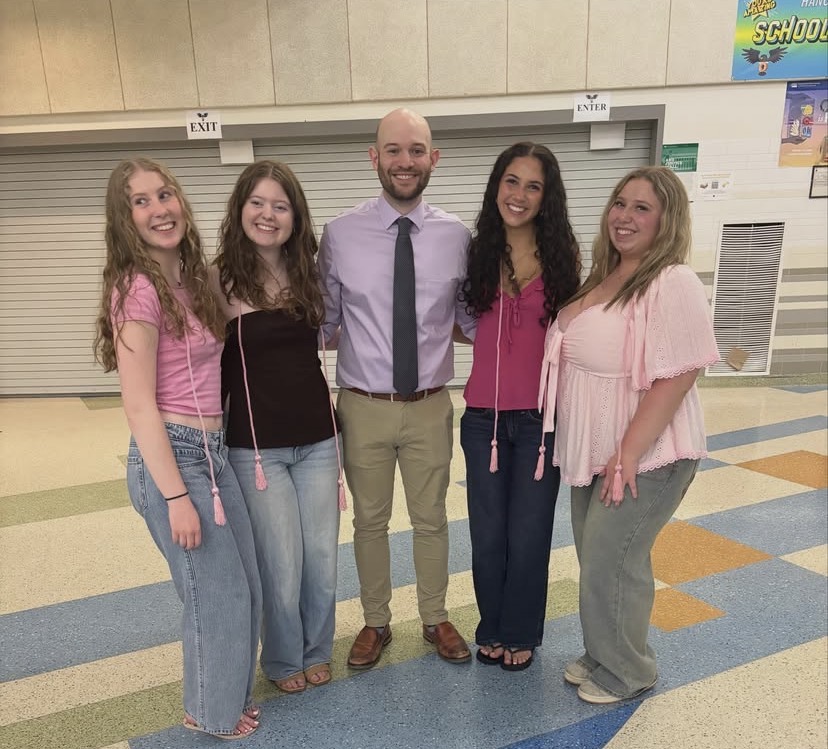
Mr Ciccolo with students at Credit for Life, junior year
The Guidance department helped many students find the right path for them. Maddy Hiffa thanked Mrs. Leonido because “she has made me believe in myself and trust that everything is going to turn out right,” while Bella Reed said Mrs. Kost “helped me with all my college difficulties and with personal issues. Roz Arguinzoni said Mrs. Rapalje “has always been there to talk whenever I needed her the most.”
By Ryan Costello, Luke Curran and Sam Frattasio, ‘27
Social Media Editor, Sports Editor and News Editor
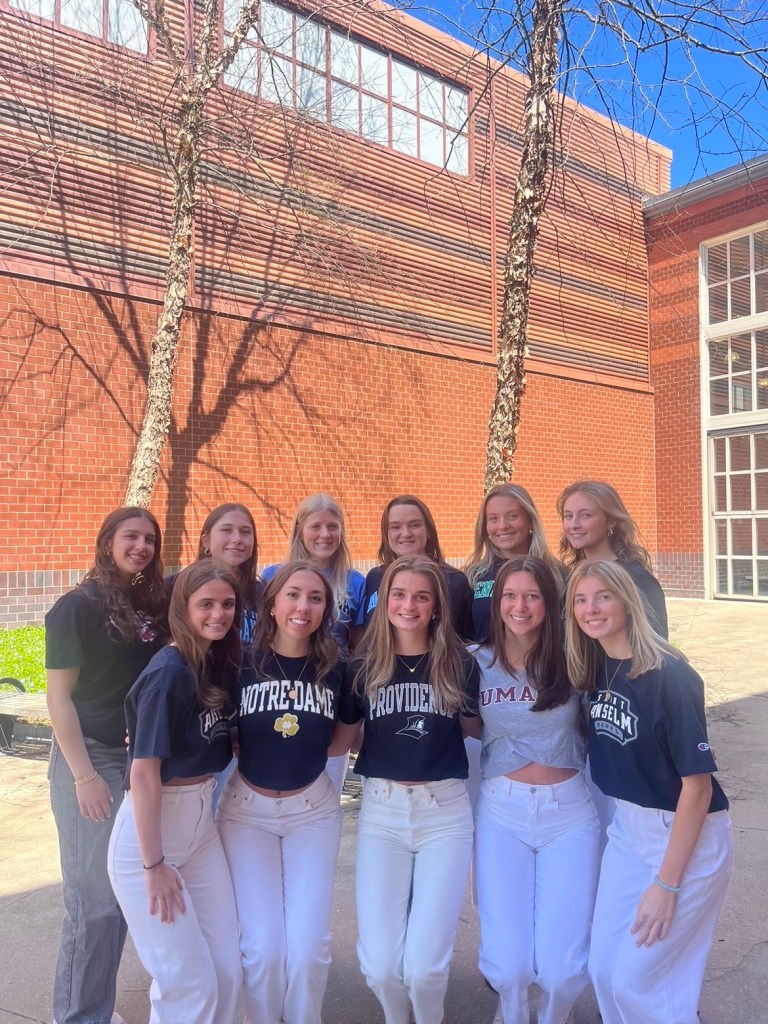
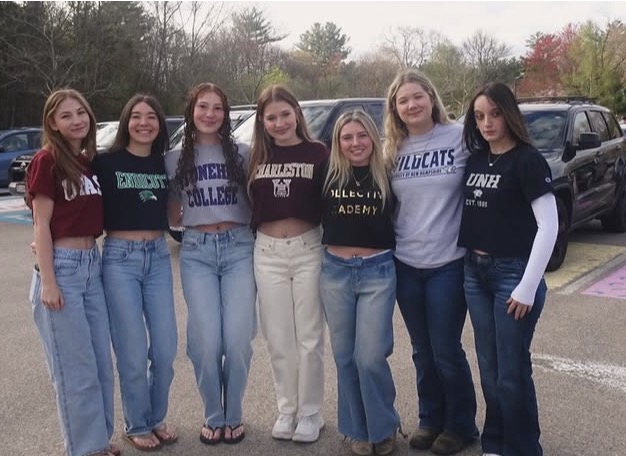
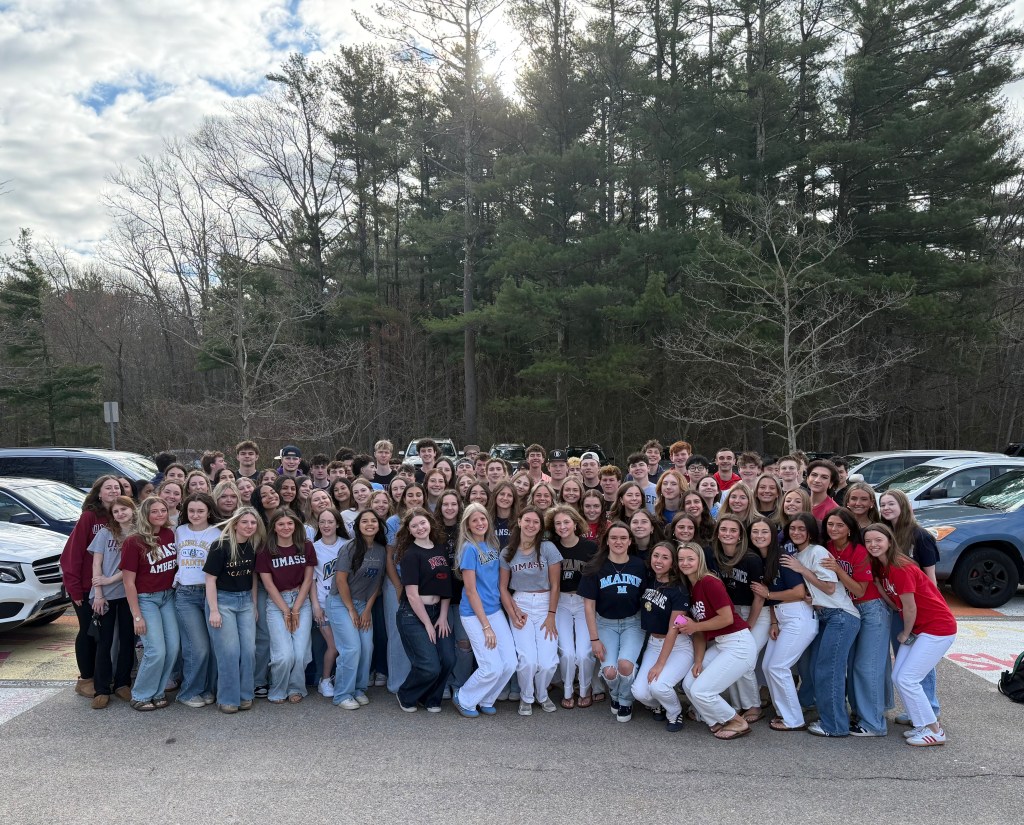
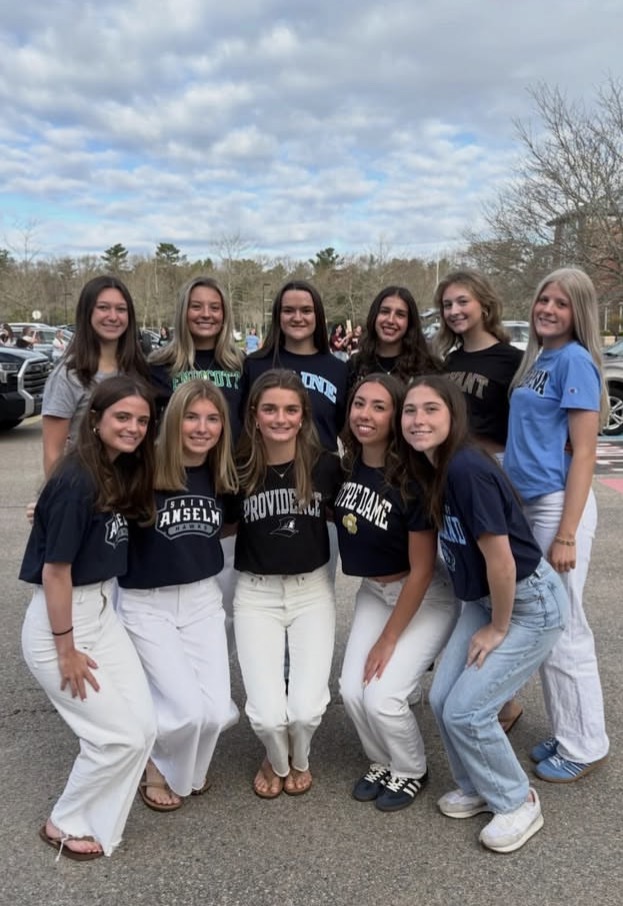
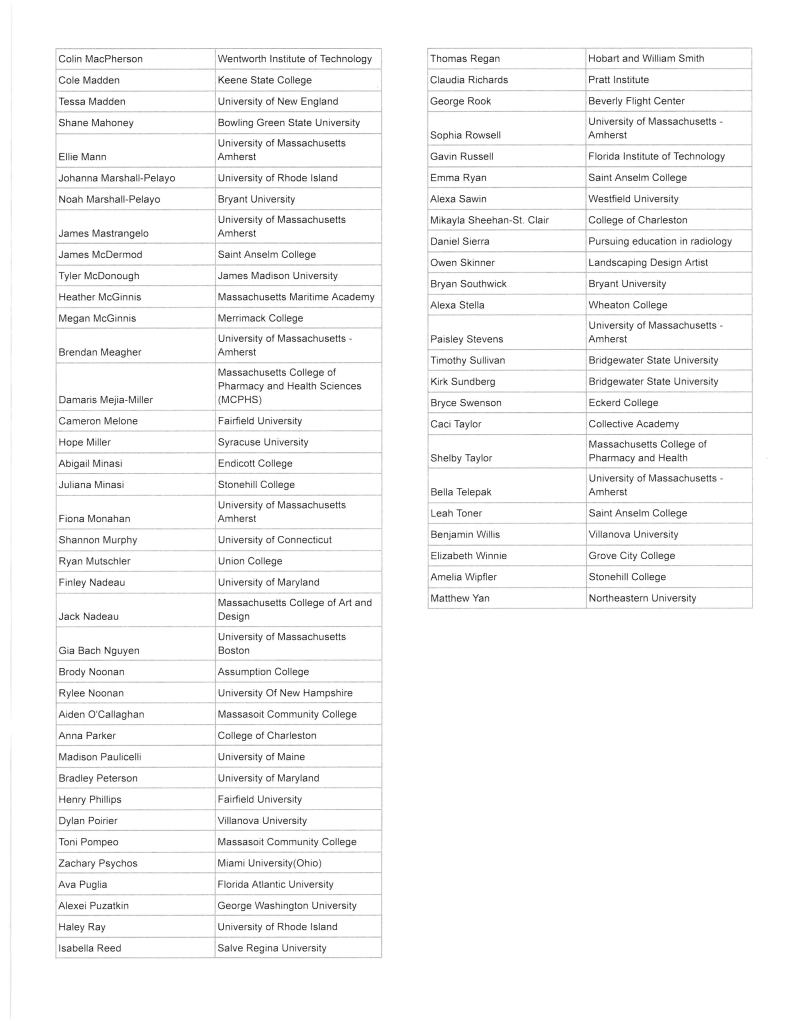
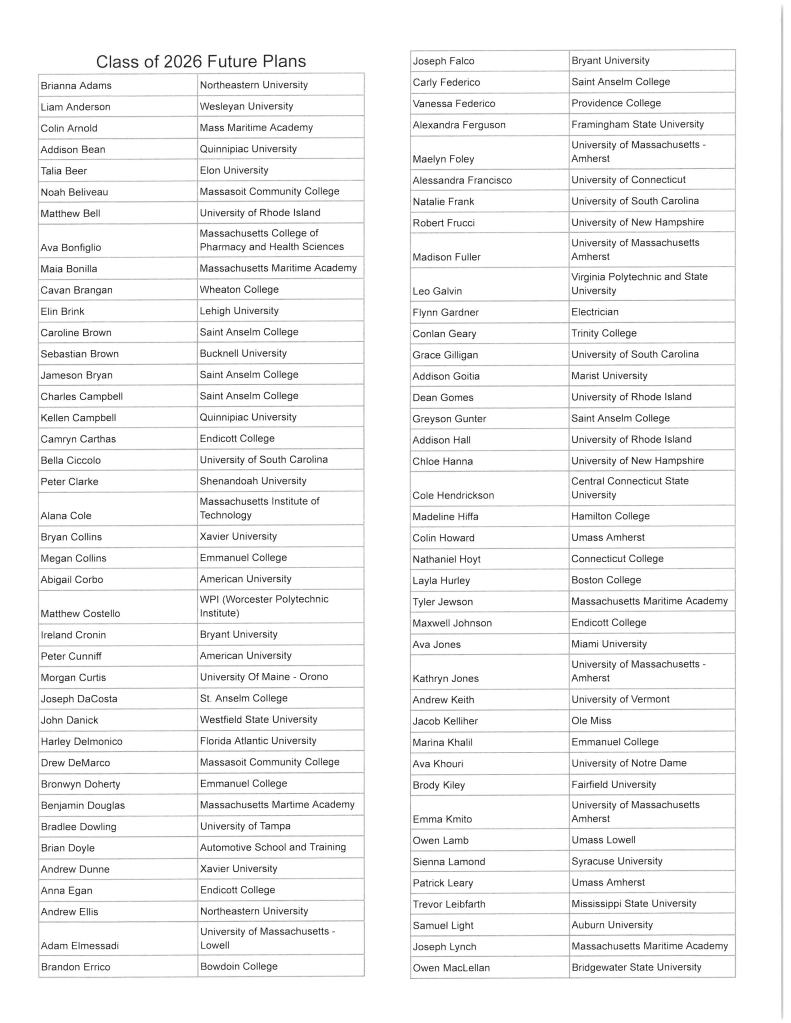
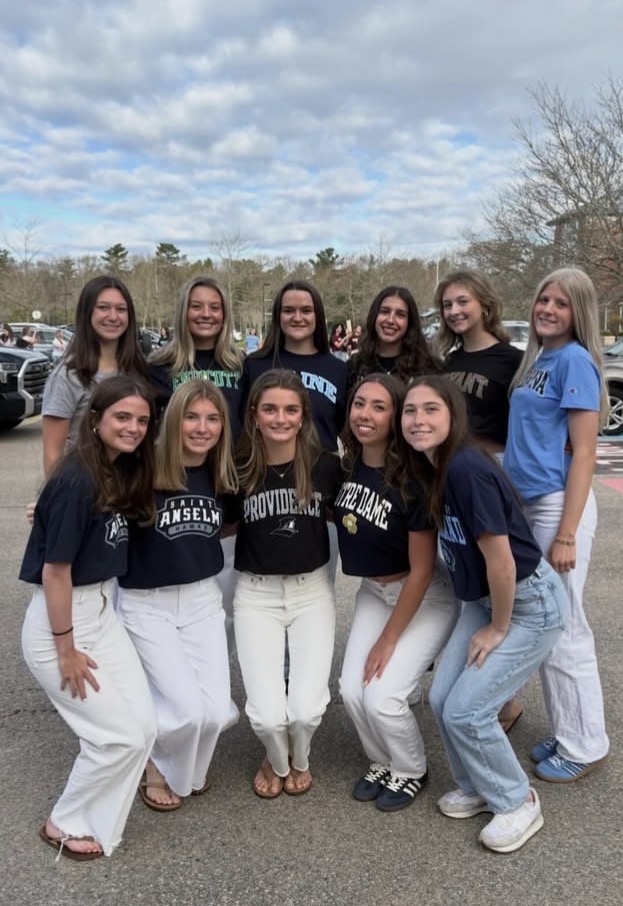
Hanover’s Class of 2026 is taking a wide range of pathways after graduation, from pre-health and engineering to business, public service, and the arts. Seniors who responded to The Hawk survey or posted on the class Instagram @hhsdecisions.26 by our deadline shared their post‑graduation plans, from college majors to careers. While not every member of the class is represented here, their responses highlight just how diverse Hanover’s students’ interests and career paths truly are.
Students pursuing biology, nursing and health sciences include:
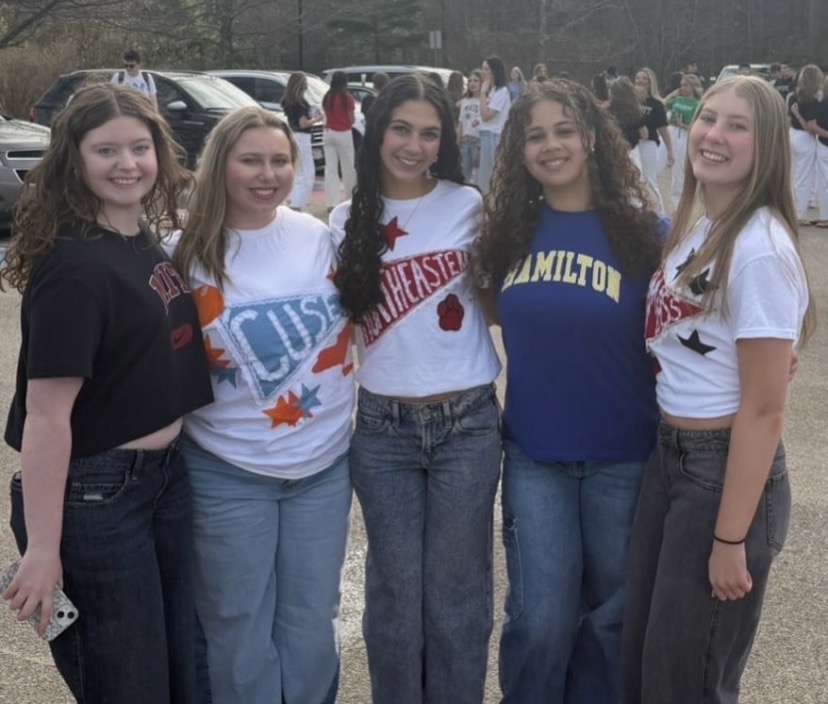
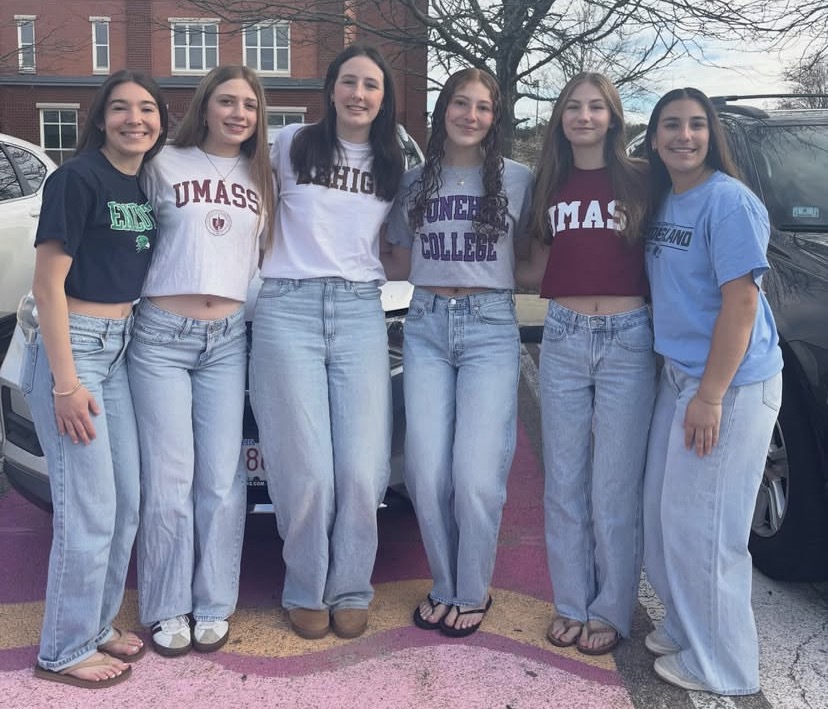
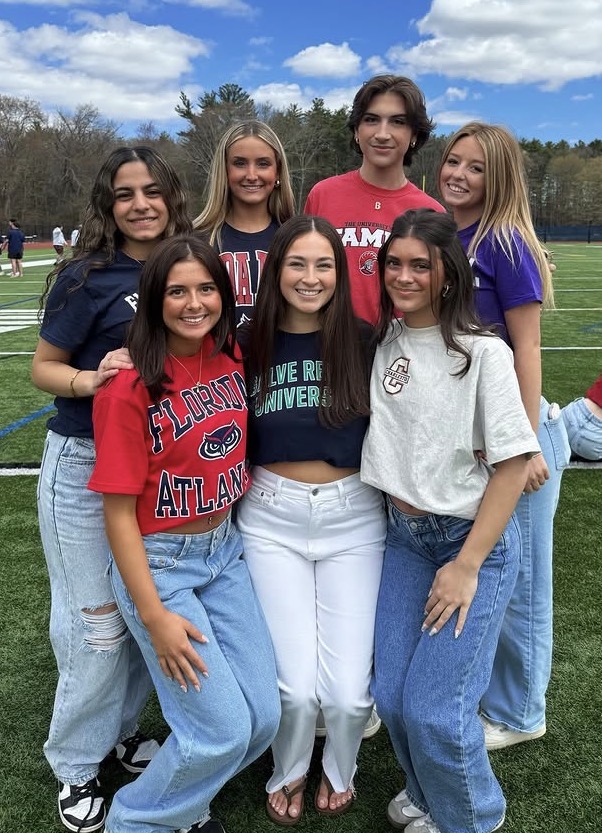
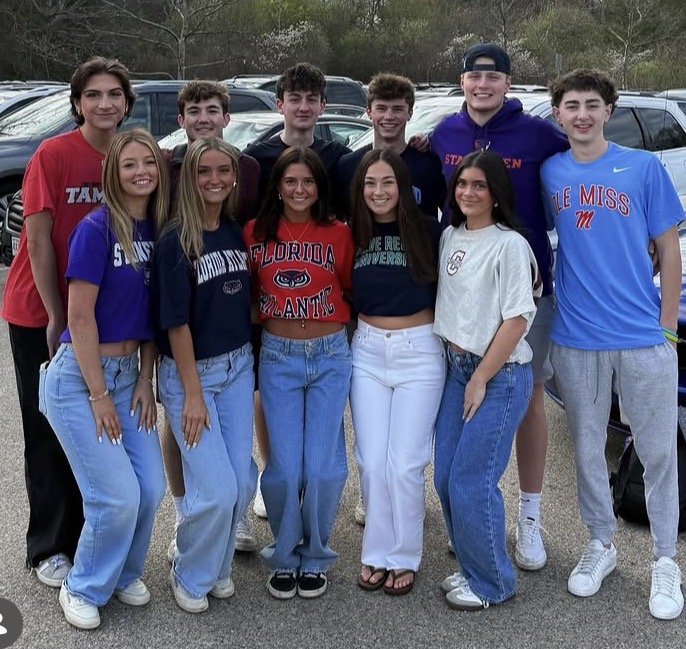
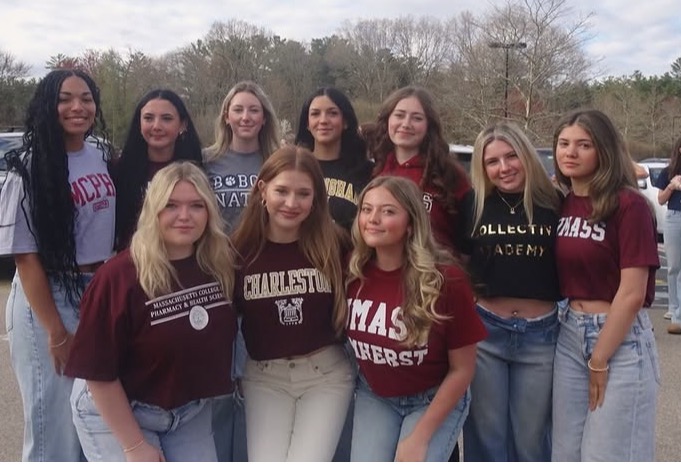
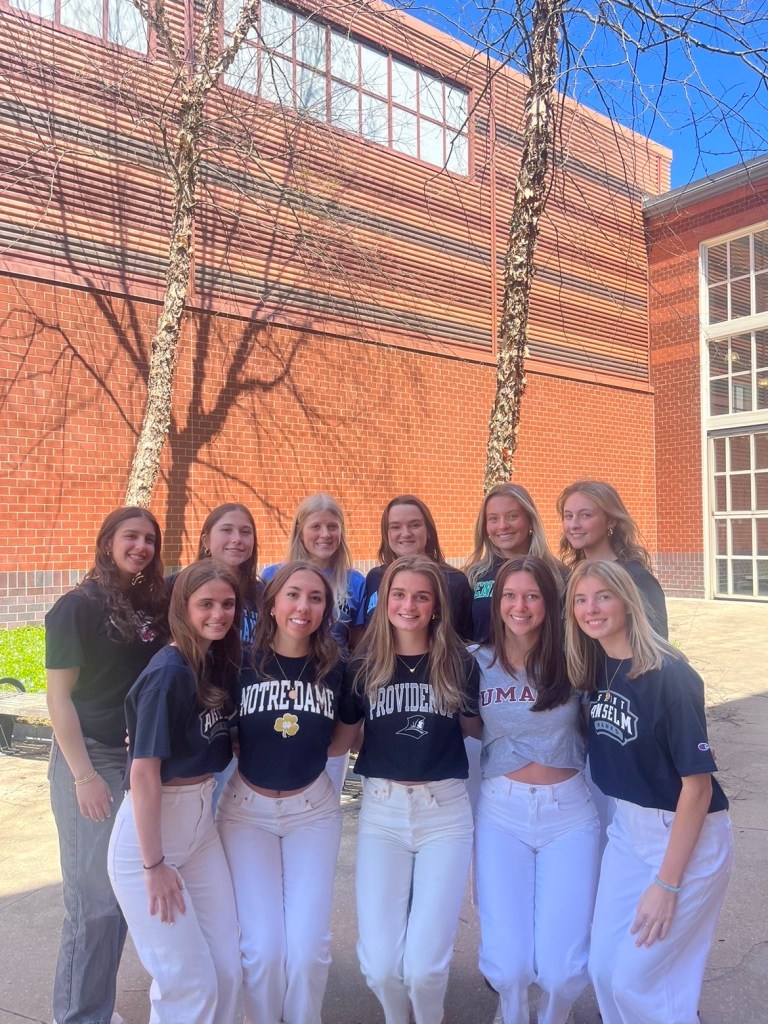
Brianna Adams, who is headed to Northeastern University to study behavioral neuroscience on a path to becoming a physician’s assistant; Addison Bean, who will attend Quinnipiac University to pursue diagnostic medical sonography; Talia Beer, who plans to study exercise science in an accelerated DPT program at Elon; Ava Bonfiglio, who is headed to the Massachusetts College of Pharmacy & Health Sciences for pre-veterinary medicine; Alana Cole, who will attend MIT to study biology and chemistry; Harley Delmonico, who plans to attend Florida Atlantic University to study health science; Bronwyn Doherty, who is headed to Emmanuel College to study biology and psychology; Bradlee Dowling, who plans to study nursing at the University of Tampa; Maelyn Foley, who will attend UMass Amherst to study biology on a pre-med track; Alessandra Francisco, who plans to attend UConn majoring in biology on the pre-med track; Maddie Fuller, who is attending UMass Amherst for biology, with hopes to go to dental school; Conlan Geary heading off to Trinity College to major in biology and compete on the wrestling team; Chloe Hannah, who will attend the University of New Hampshire to study animal science; Ava Jones, who plans to attend Miami University for nursing; Abby Kajunski, who is going to Saint Joseph’s College of Maine to study nursing while playing soccer; Joe Lynch, studying emergency management systems at Mass Maritime; Johanna Marshall-Pelayo, who is headed to University of Rhode Island, where she plans to major in kinesiology and become a physical therapist; Megan McGinnis, who will be studying nursing at Merrimack College; Damaris Mejia-Miller, who is headed to MCPHS to focus on dental hygiene on a predental track; Juliana Minasi, who is off to Stonehill College to major in communication science and disorders as she works toward becoming a speech-language pathologist; Abby Minasi, who will continue her education in nursing at Endicott College; Madison Paulicelli, who plans to pursue college with a focus on pre-veterinary studies; Sophia Rowsell, who is attending UMass Amherst for kinesiology; Emma Ryan, who will study nursing at Saint Anselm College; Aine Scanlan, who is interested in molecular biology or biochemistry and hopes to conduct gene therapy research; Shelby Taylor, who will study radiography at MCPHS; Tim Sullivan, who will study health sciences at MCPHS; Bella Telepak, who is heading to UMass Amherst on a bio pre-med track; and Amelia Wipfler, who is bound for Stonehill College to pursue health sciences.
Decisions day
Students pursuing engineering, physical sciences and computer science include:
Colin Arnold, who is going to Mass Maritime to study energy systems engineering; Elin Brink, who is going to Lehigh University to major in chemical engineering; Matt Costello, who plans to attend Worcester Polytechnic Institute to study engineering; Ben Douglas, who will attend Mass Maritime to pursue marine engineering; Andrew Ellis, who is headed to Northeastern University to pursue mechanical engineering; Adam Elmassadi, who will attend UMass Lowell to study biomedical engineering; Dean Gomes, planning to study mechanical engineering at the University of Rhode Island; Nate Hoyt, who is going to Stonehill College to study engineering; Colin MacPherson, who is going to Wentworth Institute of Technology to study electromechanical engineering; Heather McGinnis, who is going to Massachusetts Maritime Academy to major in mechanical engineering; Tyler McDonough, who plans to study architecture at James Madison University; Kirk Sundberg, who will study computer science at Bridgewater State University; Ben Willis, who plans to study physics at Villanova University; and Matthew Yan, who will attend Northeastern University as a mechanical engineering major.
Spirit Week
Students majoring in business fields include:
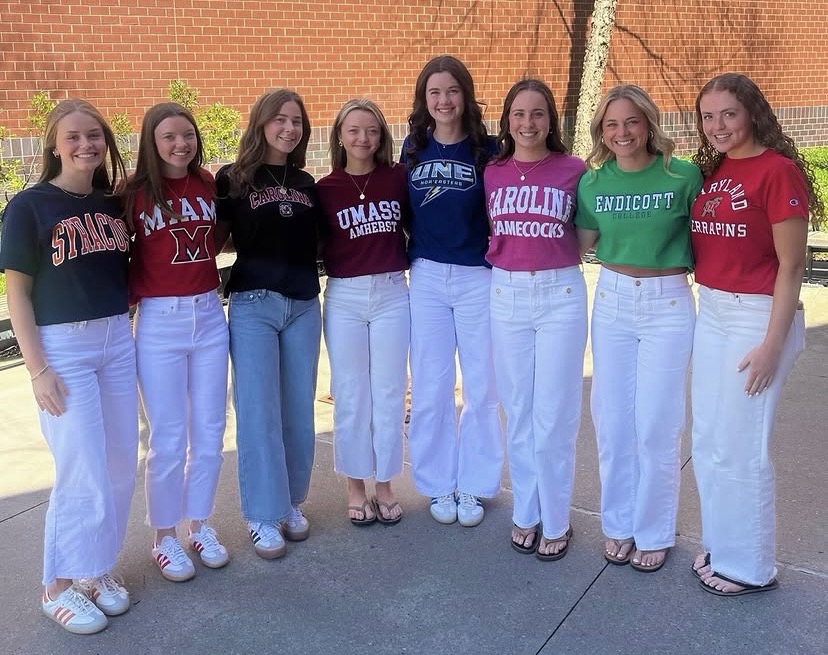
Matthew Bell, who is attending the University of Rhode Island for finance while sailing on the school’s team; Maia Bonilla, who will attend Mass Maritime to study international maritime business while also playing volleyball; Sebastian Brown, who is headed to Saint Anselm College where he plans to study marketing and continue playing football; Jameson Bryan, who will attend Saint Anselm College to study business; Kellen Campbell, who will attend Quinnipiac University to study business; Peter Clarke, who will attend Shenandoah University for construction management while playing football; Bella Ciccolo, who plans to attend the University of South Carolina to study international business and supply chain management; Bryan Collins, who is headed to Xavier University to pursue finance; Ireland Cronin, who is going to Bryant University for accounting; Morgan Curtis, who is attending the University of Maine to study sports management; Anna Egan, heading to Endicott for marketing; Brandon Errico, who plans to attend Bowdoin College for economics while continuing his football career; Joey Falco, who is going to Bryant University to study business; Vanessa Federico, who is headed to Providence College to major in finance; Robert Frucci, who is attending UNH majoring in business admin and finance; Cole Hendrickson, who will study business and play baseball at Central Connecticut State University; Addison Hall, who will attend the University of Rhode Island focusing on a degree in finance; Colin Howard, who plans to attend UMass Amherst to study marketing; Katie Jones, who is headed to UMass Amherst for finance; Jake Kelliher, who will major in business at the University of Mississippi; Ava Khouri, who plans to attend University of Notre Dame to study business management in the Mendoza College of Business; Patrick Leary, heading to UMass for business; Trevor Leibfarth, who is attending Mississippi State University to study business; Sam Light, who plans to attend Auburn University to pursue business; Tess Madden, going to the University of New England to play volleyball while majoring in sports management and leadership; Cole Madden, who is headed to Keene State College to study sports management while playing golf; Shane Mahoney, who plans to attend Bowling Green State University to study business; Ellie Mann, who is going to UMass Amherst to pursue marketing; Noah Marshall-Pelayo, who plans to attend Bryant University to study business; James McDermod, who plans to attend Saint Anselm College to study finance while playing soccer; Brendan Meagher, who will go to UMass Amherst for statistics and data science; Cam Melone, who will attend Fairfield University to major in finance; Shannon Murphy, who plans to study business at UConn; Ryan Mutschler, who will play basketball at Union College while majoring in economics; Brody Noonan, heading to Assumption University for business and baseball; Brad Peterson, who will study finance at the University of Maryland; Henry Phillips, who will do the same at Fairfield University; Dylan Poirier, who is heading to Villanova University to major in economics and international business; Zach Psychos, who will attend Miami University to study finance; Ava Puglia, who plans to study business at Florida Atlantic University; Haley Ray, who is off to URI to major in marketing; Tommy Regan, who will continue both his studies and his football career at Hobart and William Smith Colleges, majoring in business management and entrepreneurship; Bryan Southwick, who is bound for Bryant University to major in business; and Leah Toner, who will major in accounting at Saint Anselm College.
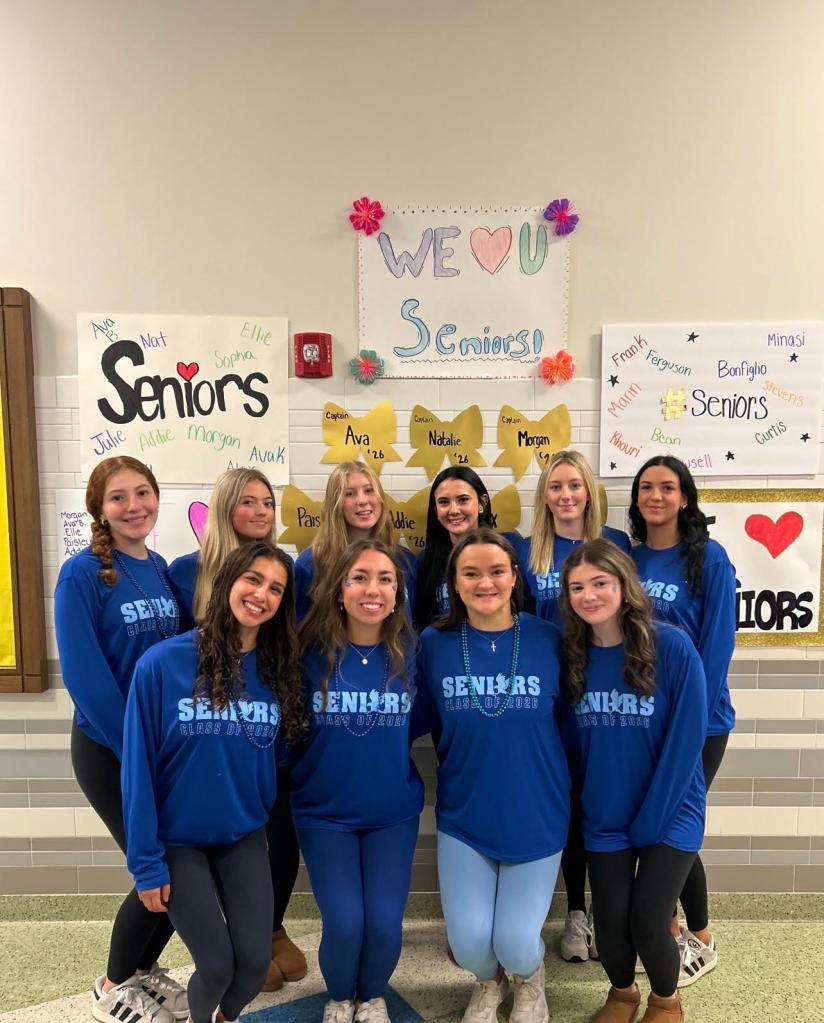
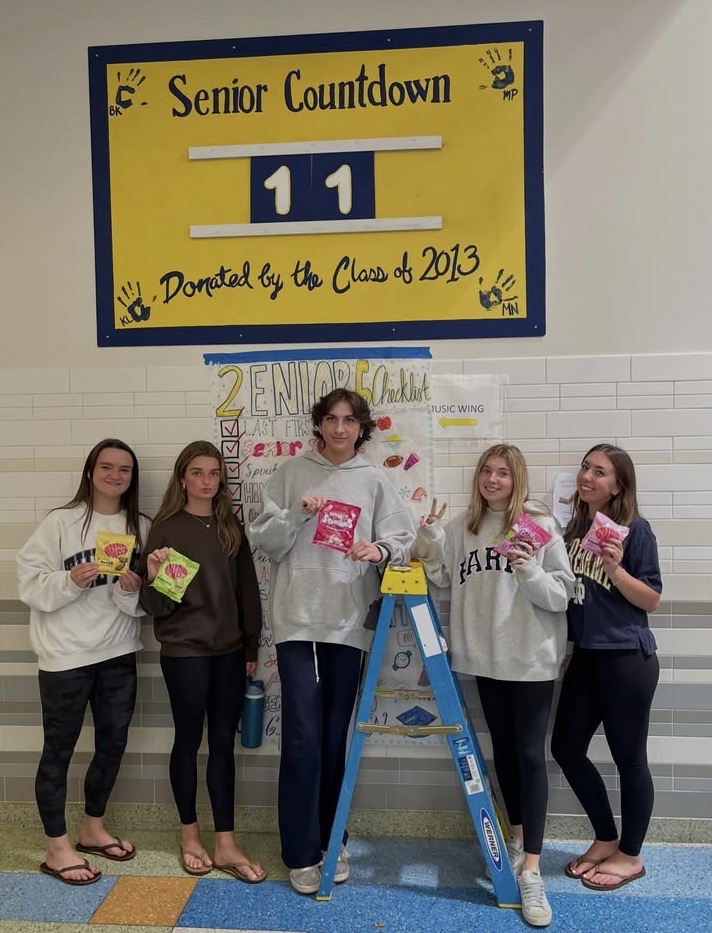
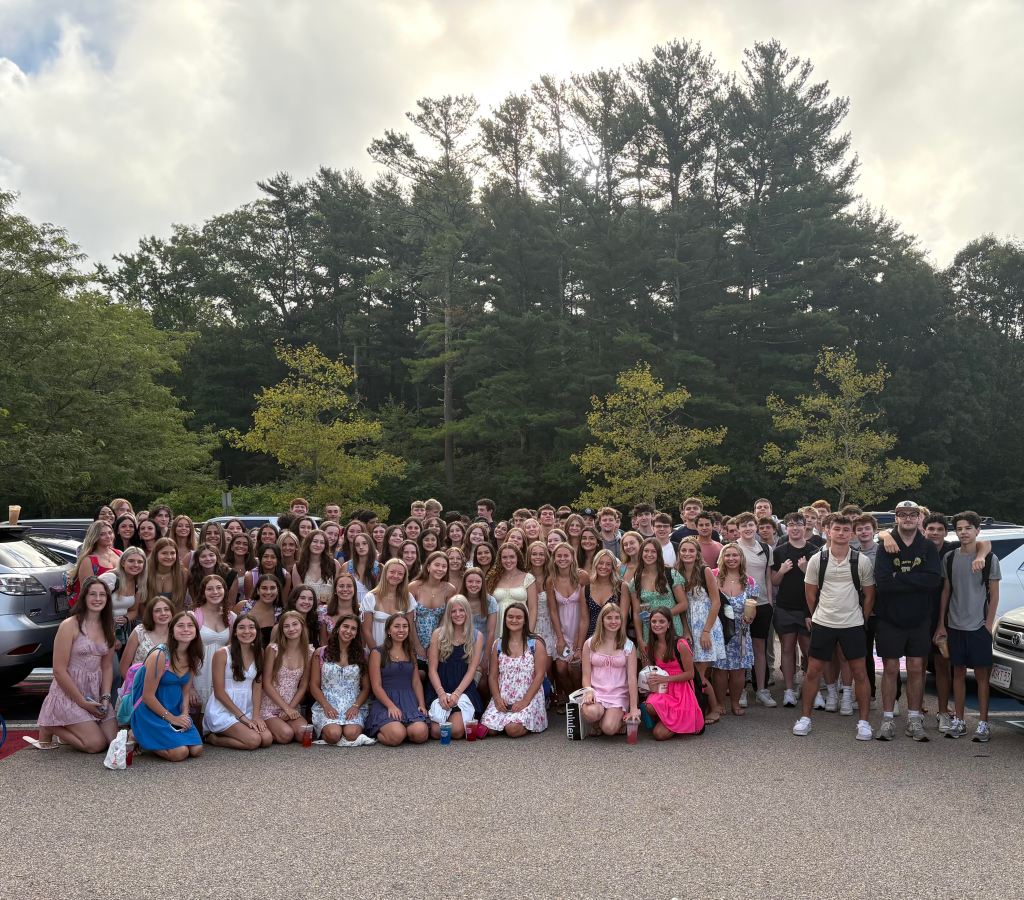
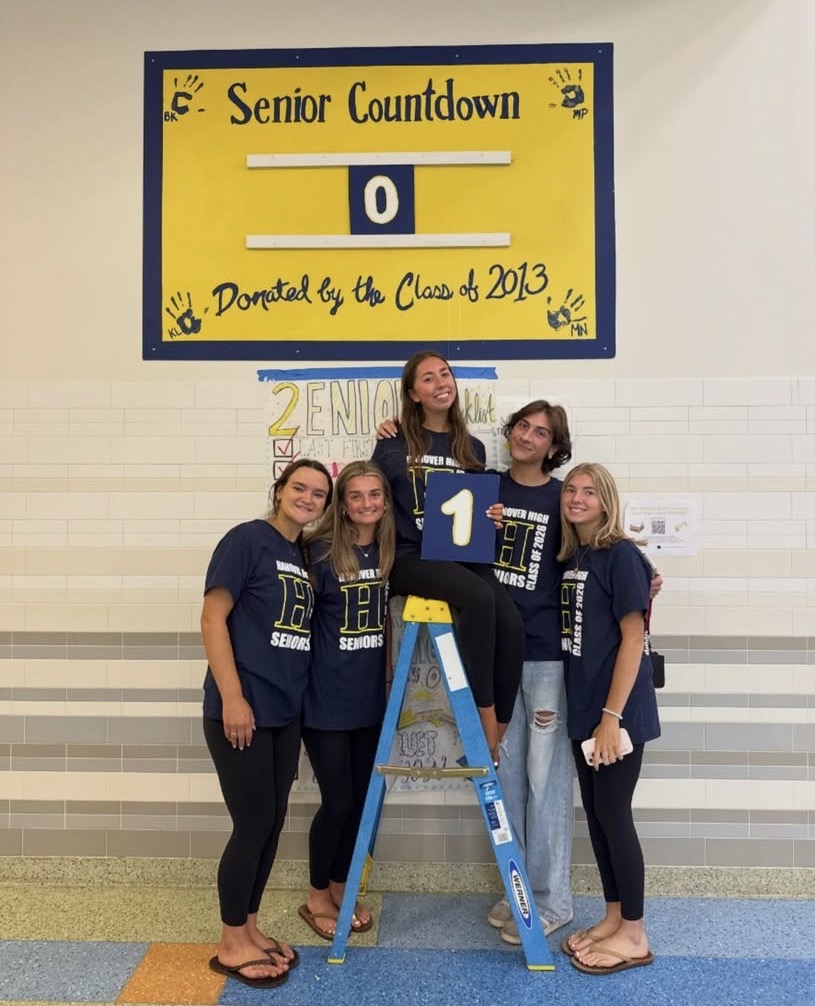
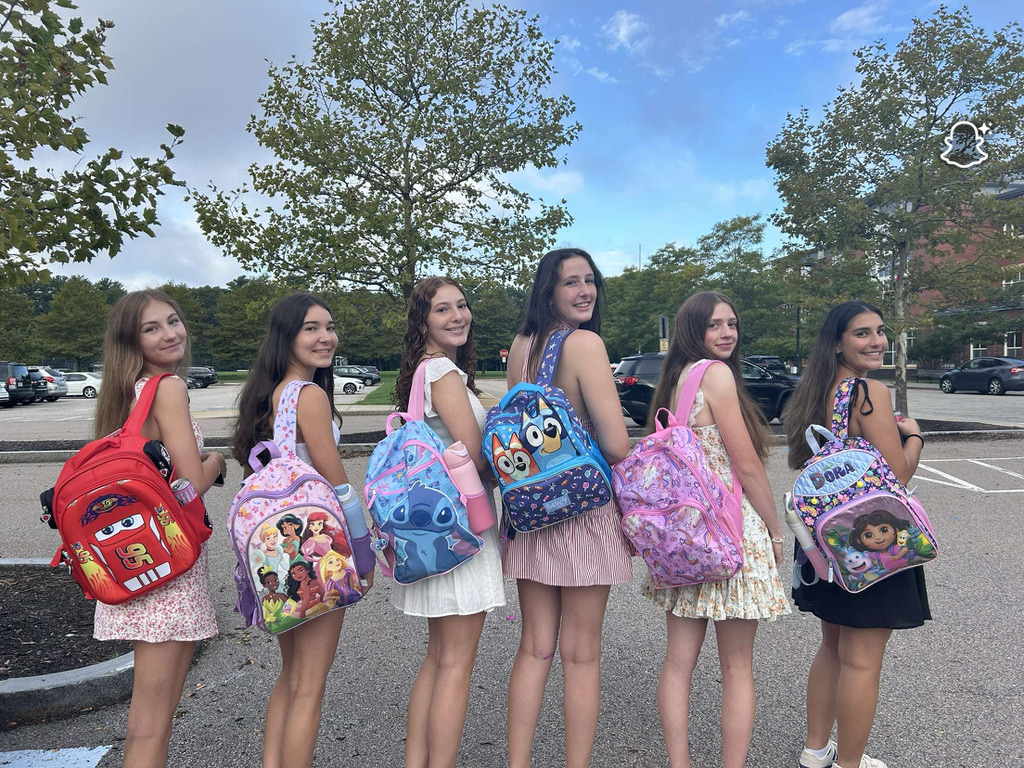
First days of senior year
Students pursuing political science, international relations and related fields include:
Caroline Brown, who will attend Bucknell University to study political science; Abbey Corbo, who is going to American University to major in international affairs and political science, Peter Cunniff, who plans to study political science and international relations at American; Natalie Frank, who is going to the University of South Carolina to study political science on a pre-law track; Leo Galvin, who will attend Virginia Tech, where he plans to major in national security and foreign affairs while participating in Marine Corps ROTC with the goal of commissioning as an officer; Drew Keith, who plans to attend the University of Vermont to study political science; Finley Nadeau, who is heading to the University of Maryland to study government and politics; and Alex Puzatkin, who will attend George Washington University to focus on international affairs.
Students pursuing psychology, social sciences and education include:
Megan Collins, who plans to attend Emmanuel College to study psychology and neuroscience; Andrew Dunne, heading to Xavier to major in education; Carly Federico, who plans to attend Saint Anselm College to study psychology; Grace Gilligan, who will study Criminology at the University of South Carolina; Addison Goitia, who will enroll at Marist University to pursue studies in psychology; Layla Hurley, who plans to attend Boston College to study psychology; Fiona Monahan, who will attend UMass Amherst to double major in psychology and sociology; Rylee Noonan, who will attend the University of New Hampshire to major in human development and family studies; Alexa Sawin, heading to Westfield State for early childhood education; Mikayla Sheehan, who will study psychology at the College of Charleston; and Elizabeth Winnie, who will attend Grove City College to study psychology.
Students pursuing Communications and related fields include:
Joey DaCosta is attending Saint Anselm College, where he plans to major in communications while playing golf; and Hope Miller, who will study public communications at Syracuse University.
Students pursuing marine, aviation, and other specialized sciences include:
Bryce Swenson, who plans to attend Eckerd College for marine science; and Gavin Russell, who will train to become a commercial pilot at the Florida Institute of Technology.
Students in the arts include:
Maddy Hiffa, who is headed to Hamilton College, where she plans to major in art with a minor in education; Jack Nadeau, who will attend MassArt; and Sienna Lamond, who is going to Syracuse University to earn her BFA in Musical Theatre and pursue a career as a professional performer
Finally, students who are entering the workforce, a trade, or are currently undecided include:
Rozalyn Arguinzoni, who will work after graduation; Charlie Campbell, who is going to Saint Anselm College; Camryn Carthas, who is headed to Endicott College; John Danick, who is going to Westfield State, and will play football; Anna Parker, who is bound for the College of Charleston; Bella Reed, who intends to enroll at a four-year college; and Daniel Klos, who will attend trade school to become an electrician.
Note: Only seniors who replied to The Hawk survey or posted on the class Instagram decisions page by deadline are represented
With the Hanover High School Class of 2026 set to graduate, seniors reminisced about the experiences that made their high school journey memorable. In response to a survey by The Hawk, they shared memories including winning championships, school traditions, classes, performances, and spending time with friends. Although the experiences of each senior were different, there is one common factor that runs through their recollections, and that is the individuals and moments that made Hanover High feel like home.
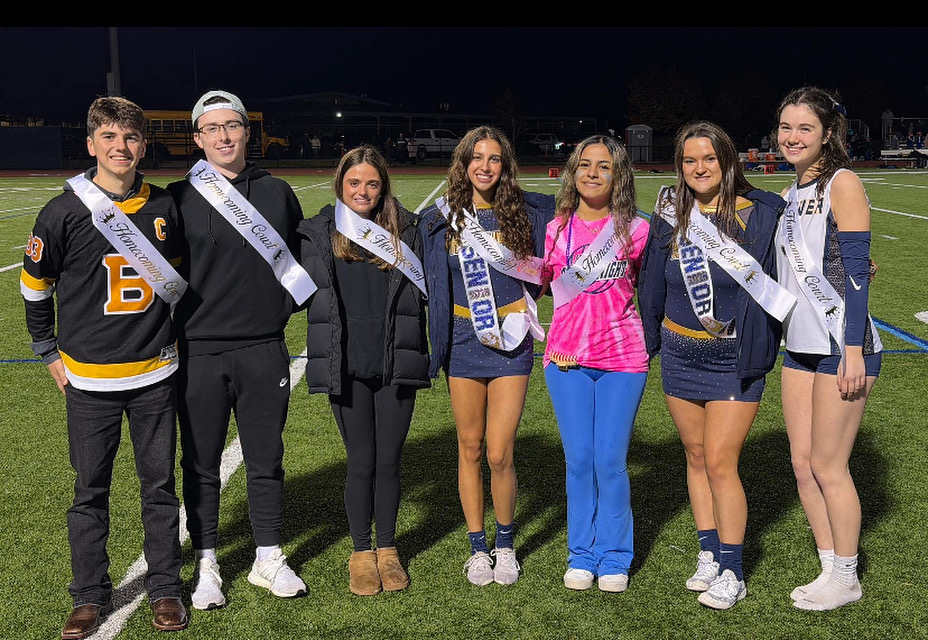
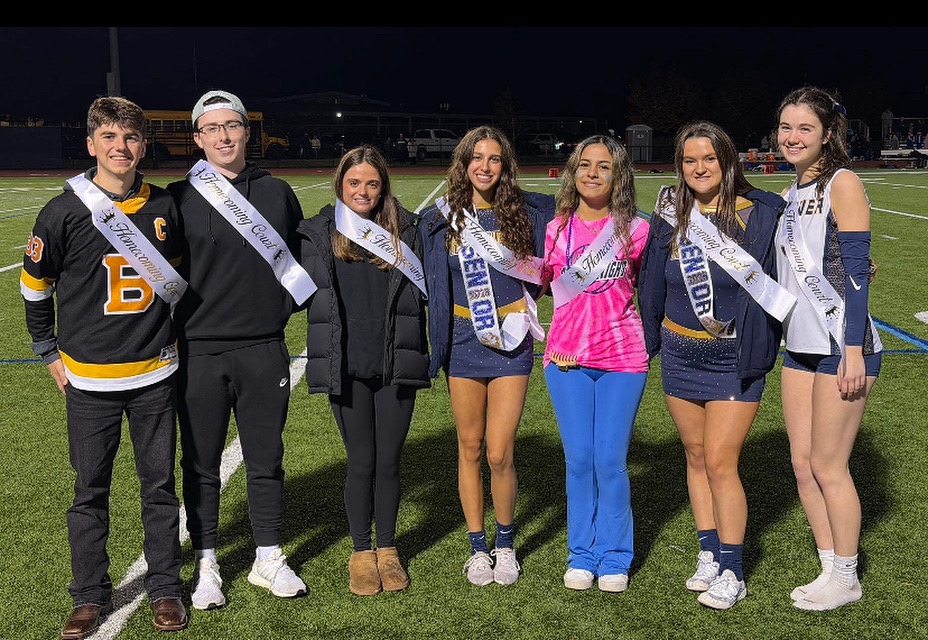
Homecoming Court
A very prominent theme in many of the seniors’ reflections this year was their feelings of community that they experienced throughout their time at HHS. Brianna Adams recalled “the end of Homecoming freshmen year, where a huge number of girls hung around until the end of the night, dancing and partying even though everyone else had left,” as something that made her realize “the sense of community that HHS can create when everybody unites and has fun.” Fiona Monahan explained that her favorite memories involved “meeting new people and creating memories that I’m going to remember forever,” while Ellie Mann cited her junior year because she “was lucky enough to have the exact same classes as her two best friends Brianna Adams and Sienna Lamond.”
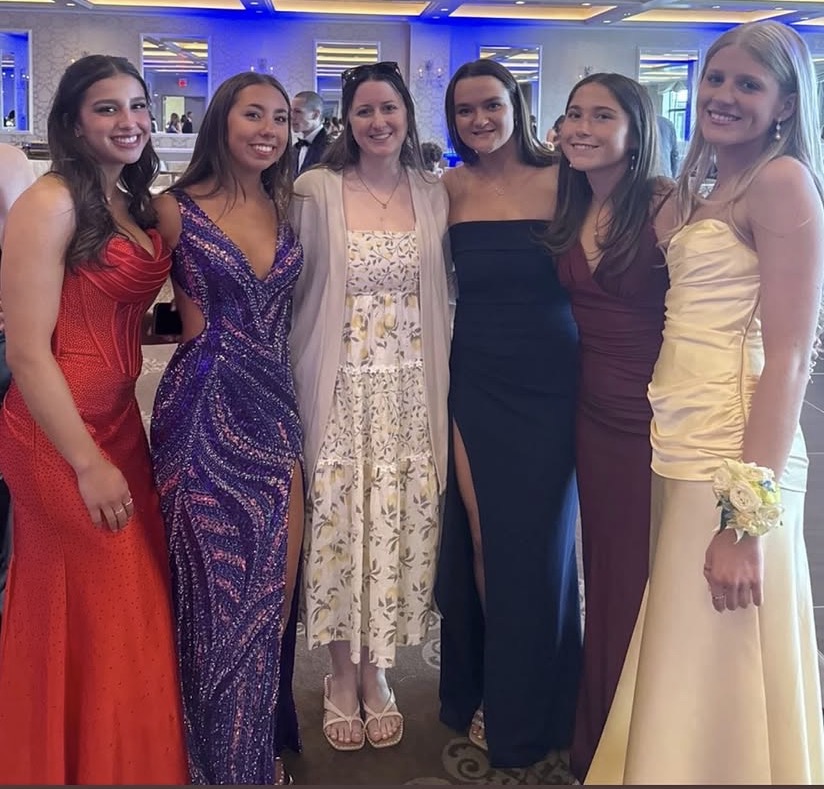
A lot of students thought highly of their traditions and memories with friends. Peter Clarke, Patrick Leary, Mikayla Sheehan, and Daniel Klos said some of their favorite times were in the library’s senior corner or gym class. Matthew Bell recalled “playing spike ball with friends in gym.” Tess Madden said her highlight will be the senior walkout, because “although it is so sad, it allows us to honor our amazing seniors.” Ben Willis and Madison Paulicelli cherished their prom, and Bella Reed fondly recalled “football games on Friday night.” For Matthew Yan, his favorite moment will be graduation.
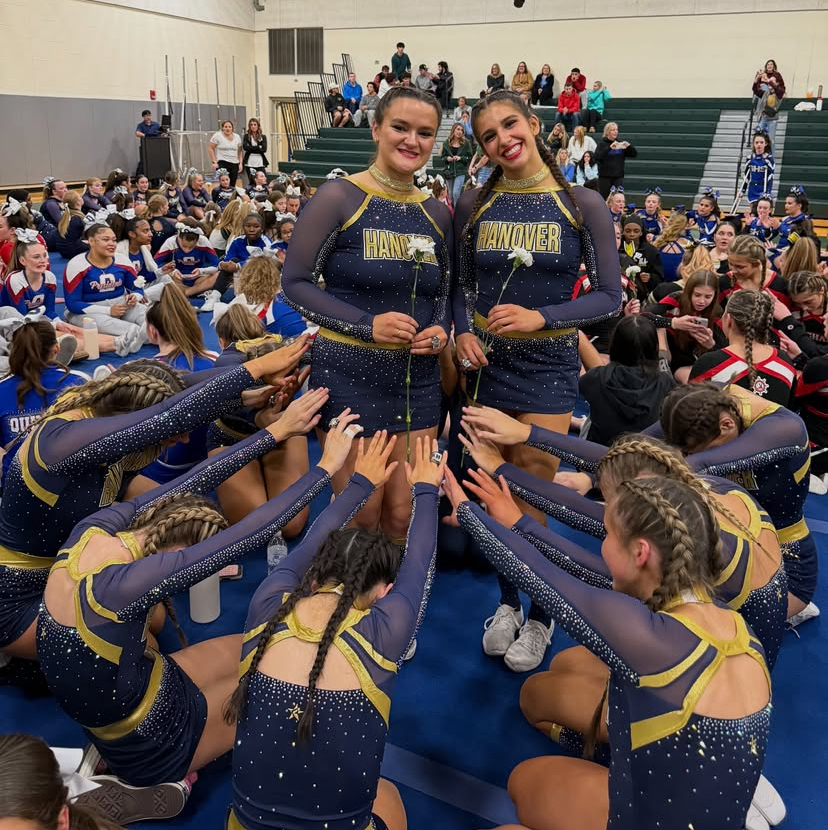
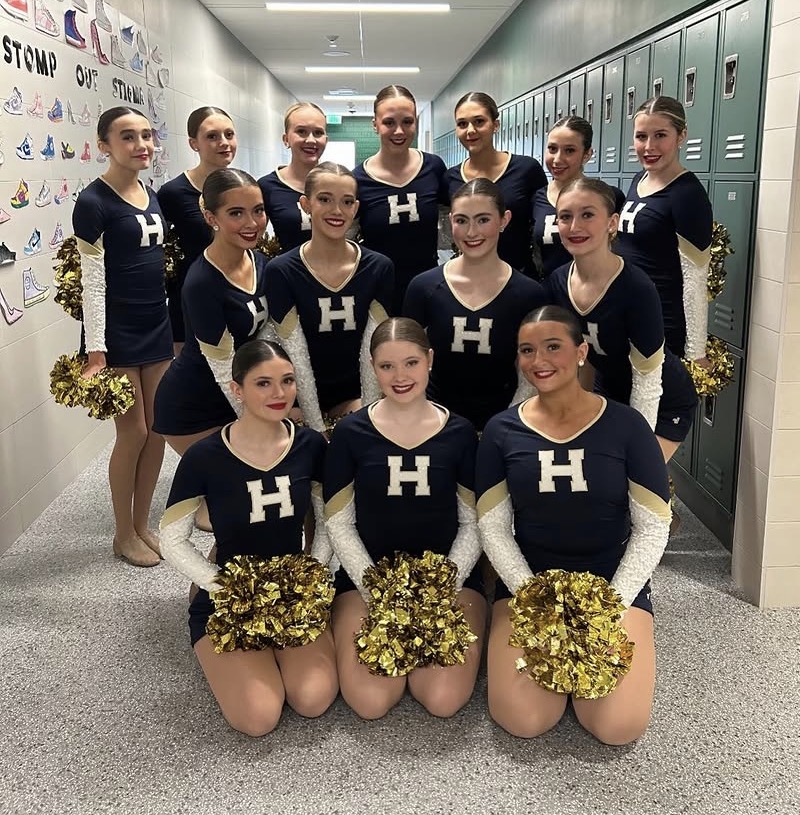
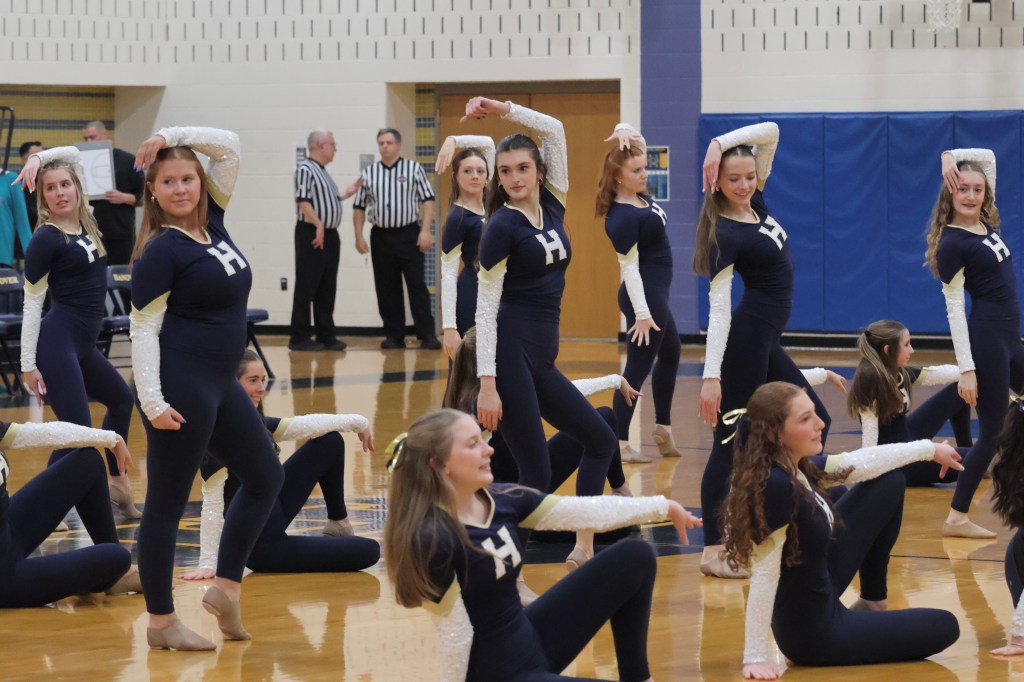
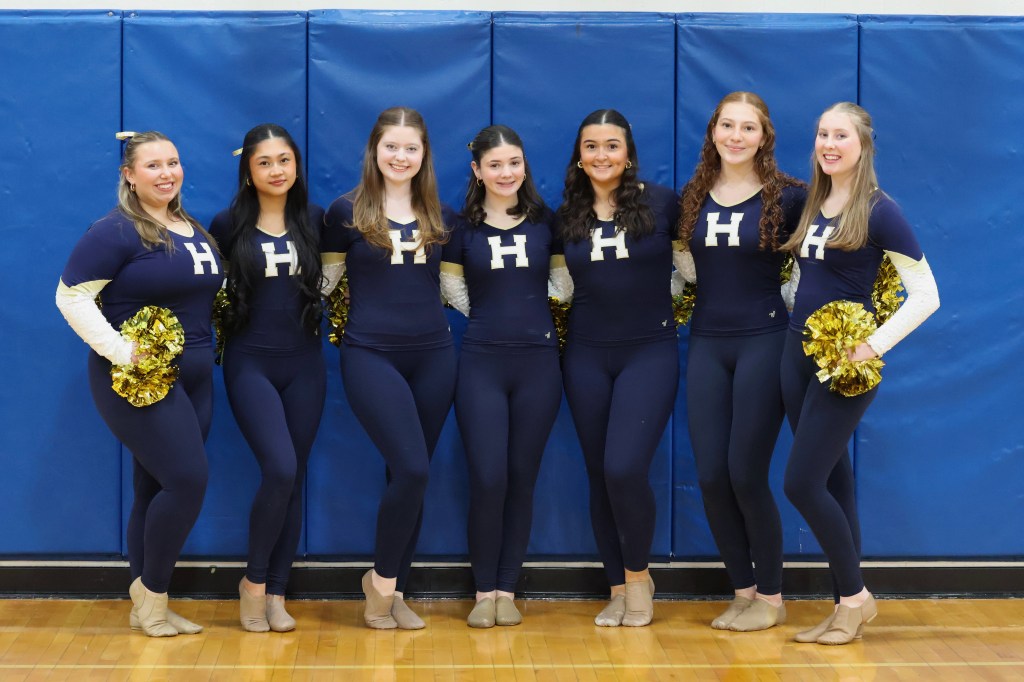
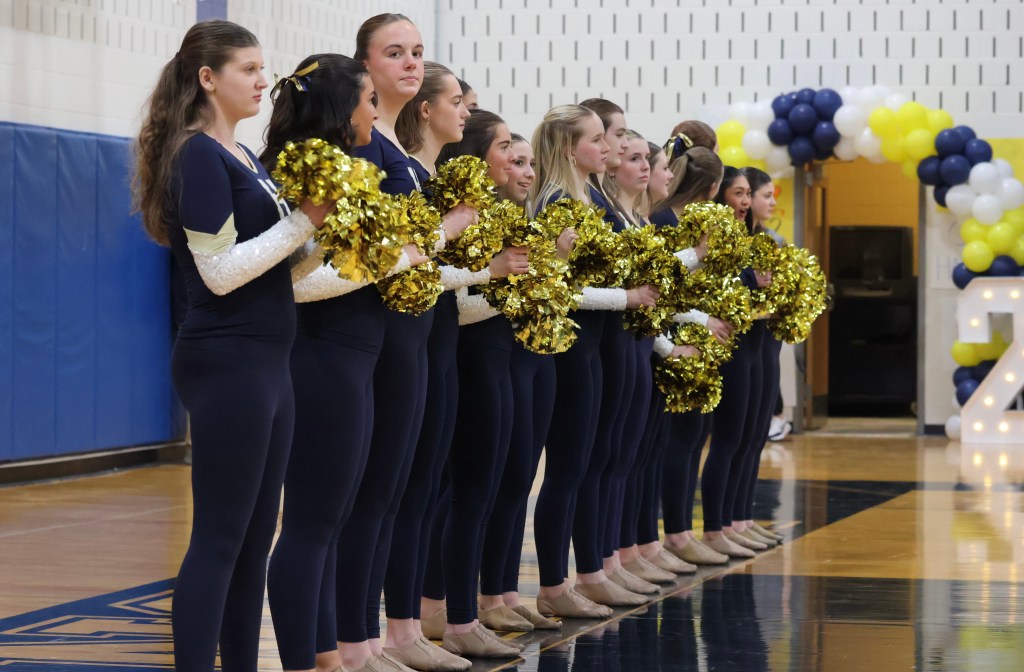
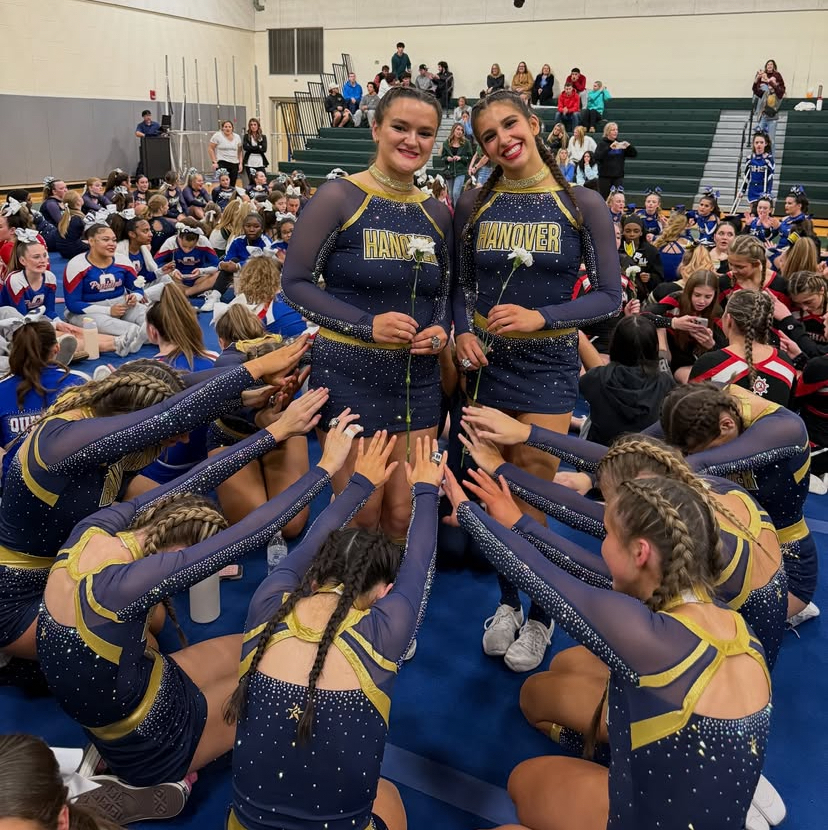
Cheer wins second state title in a row
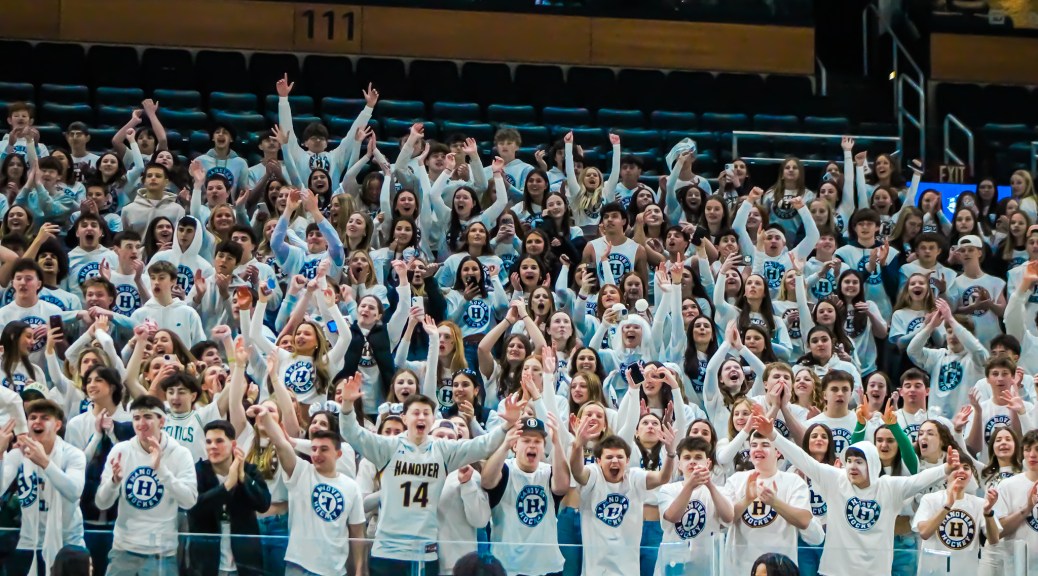
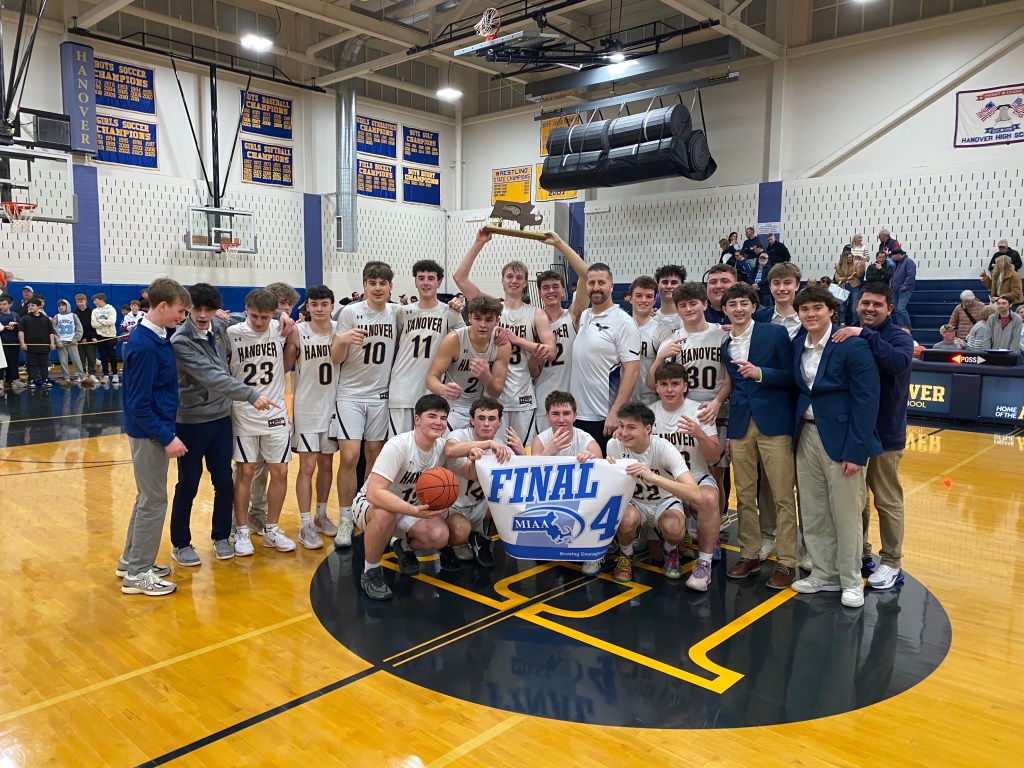
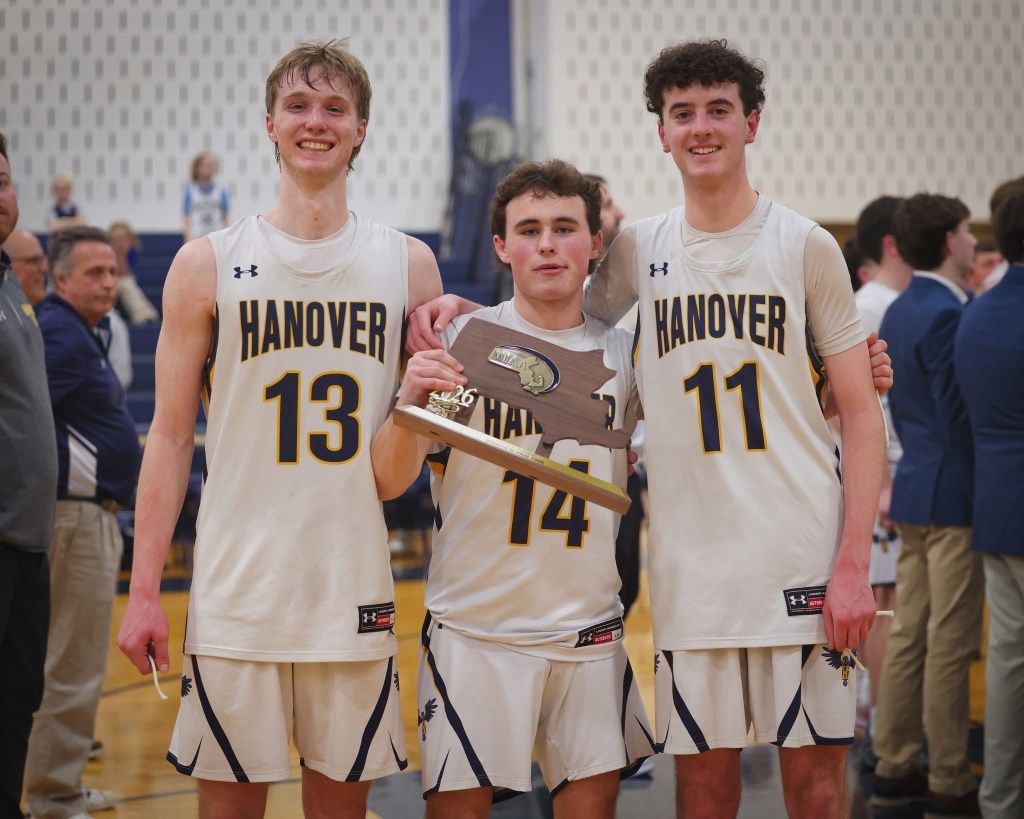
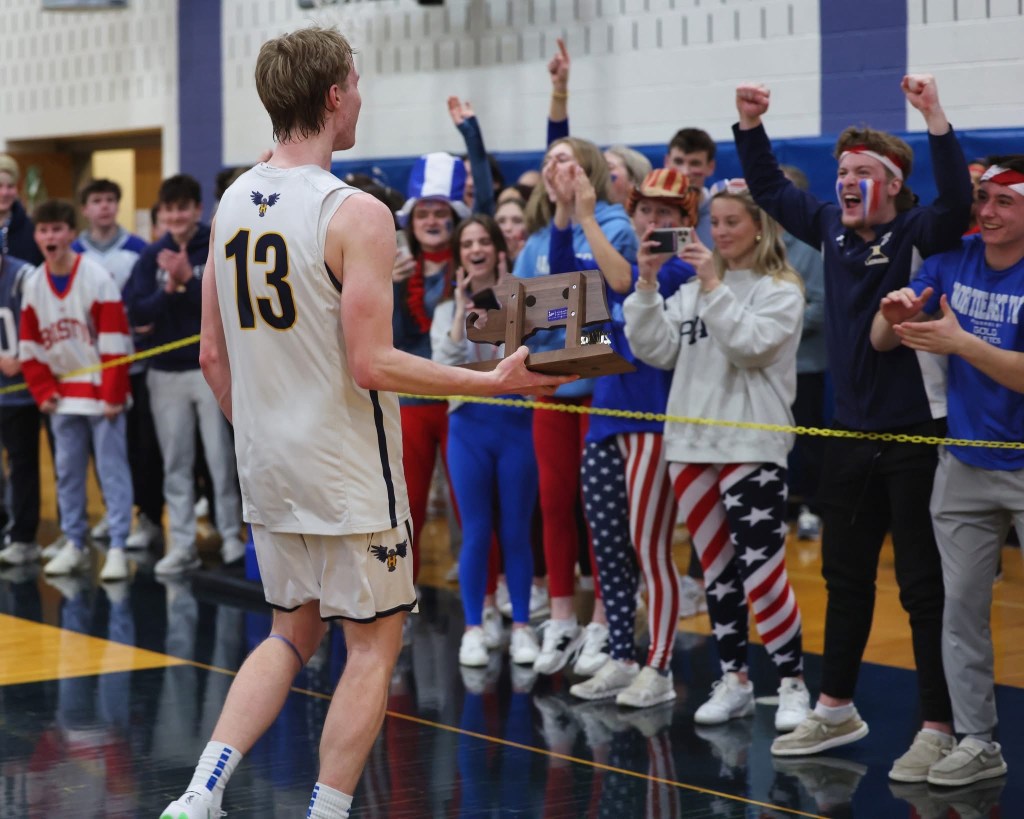
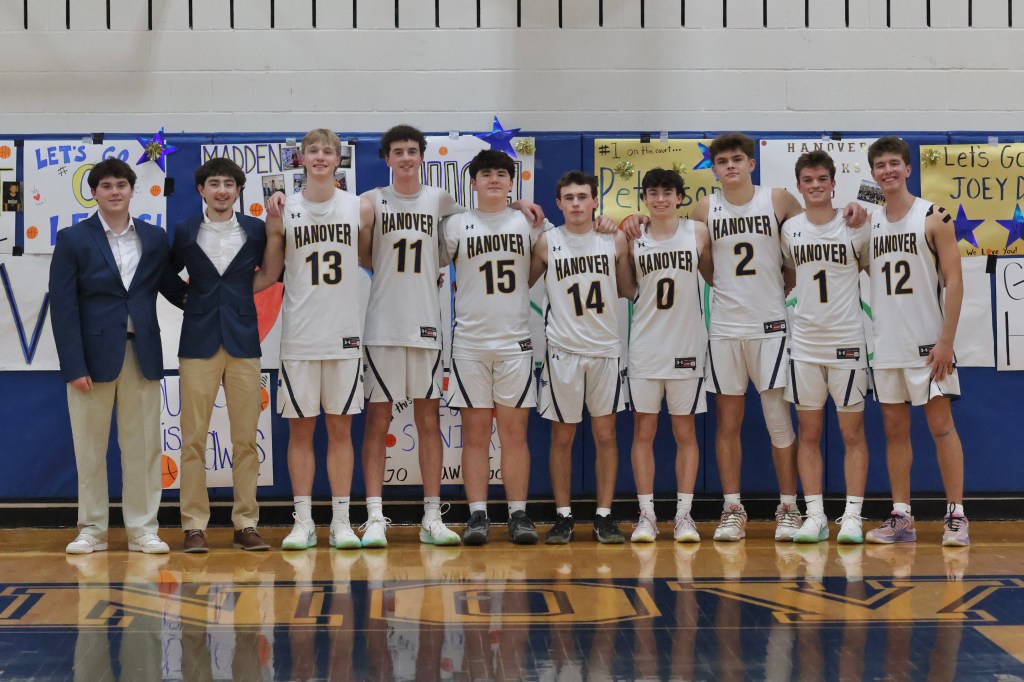
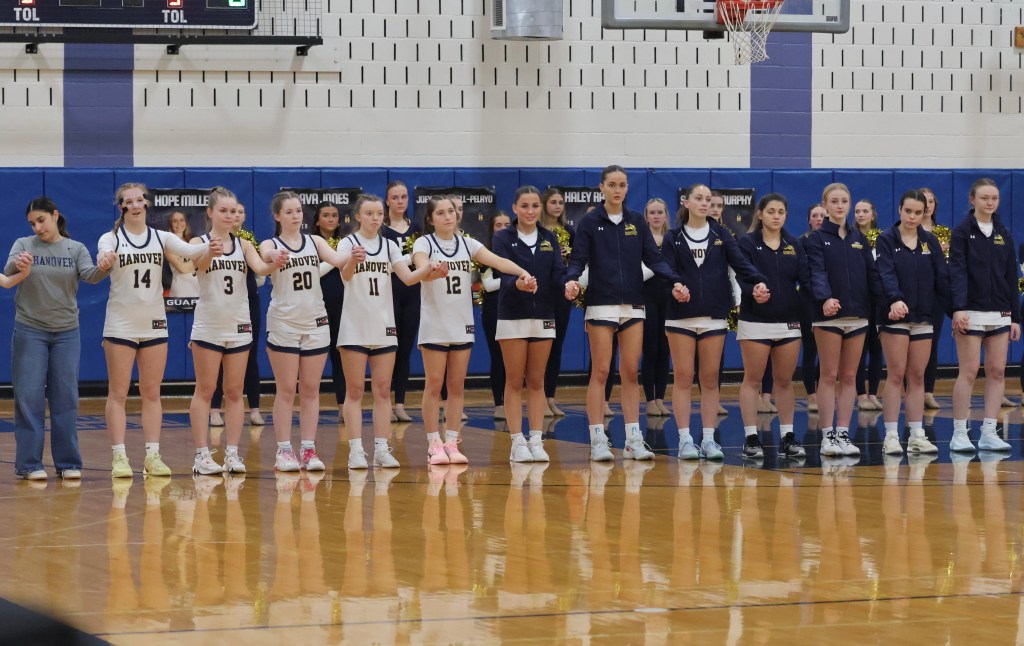
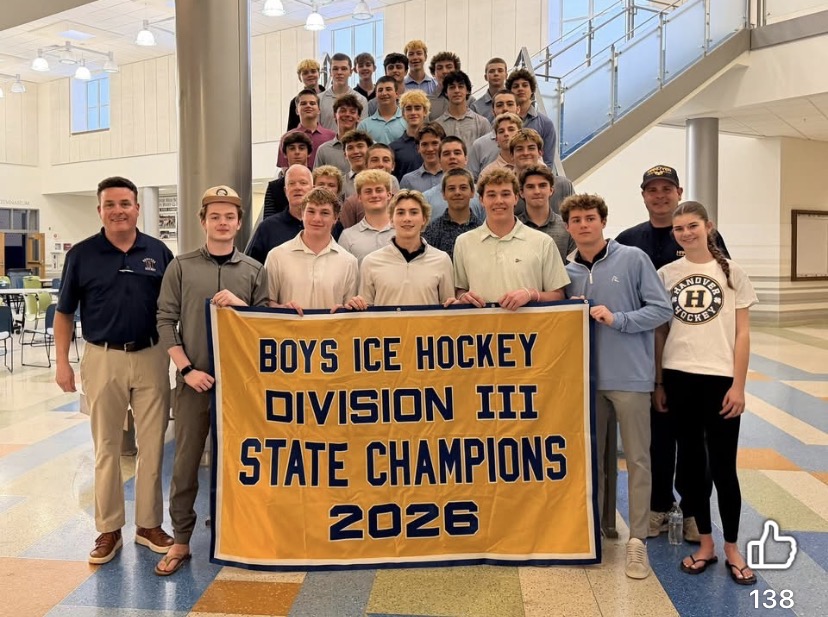
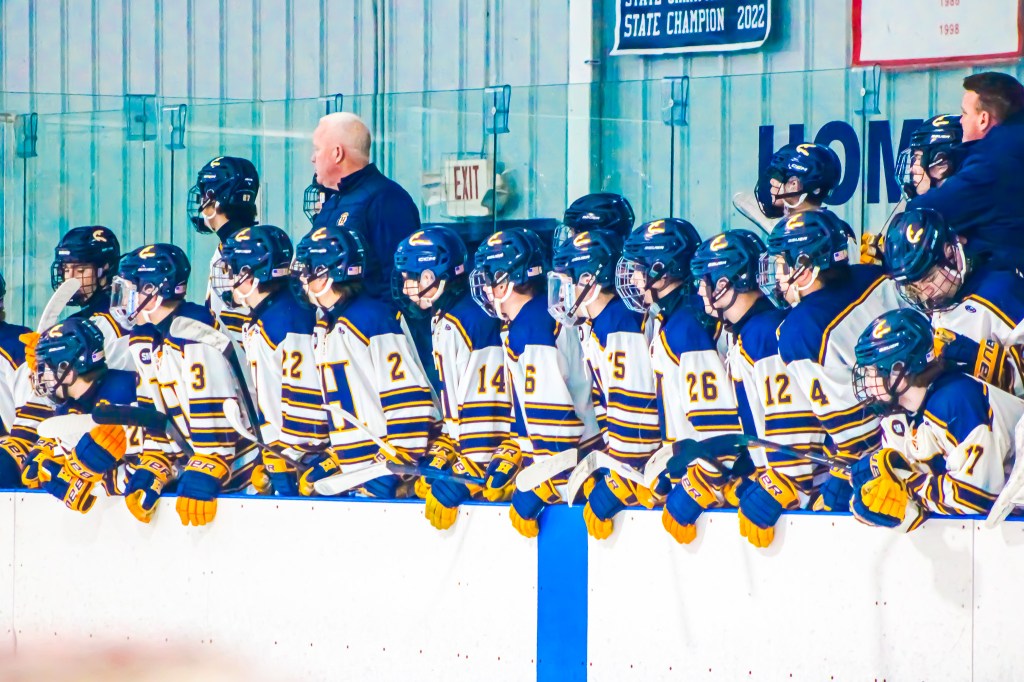
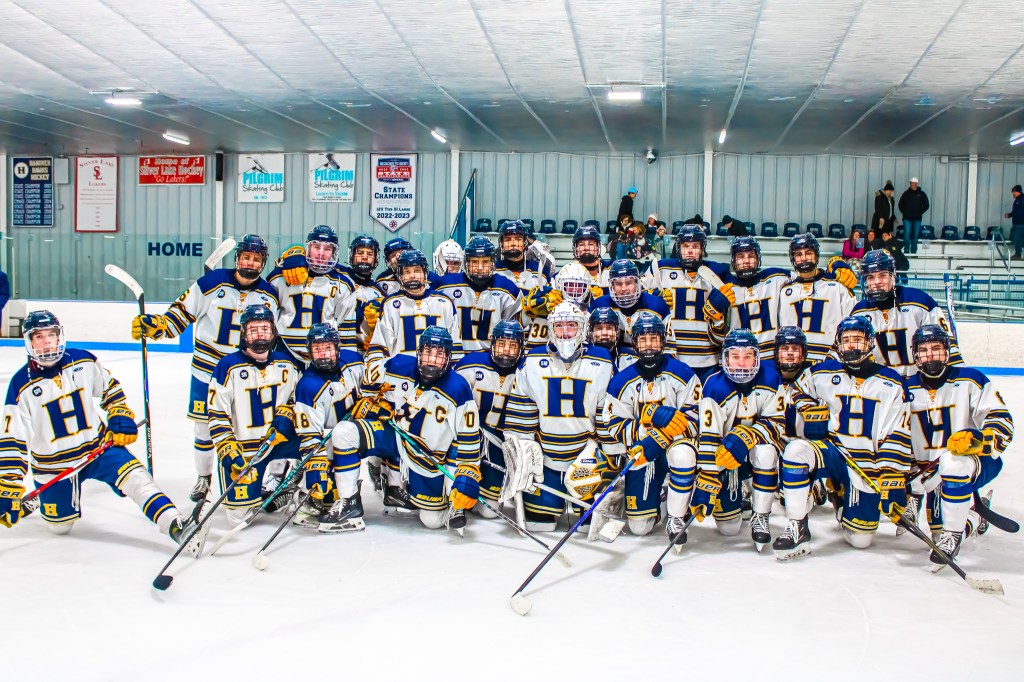
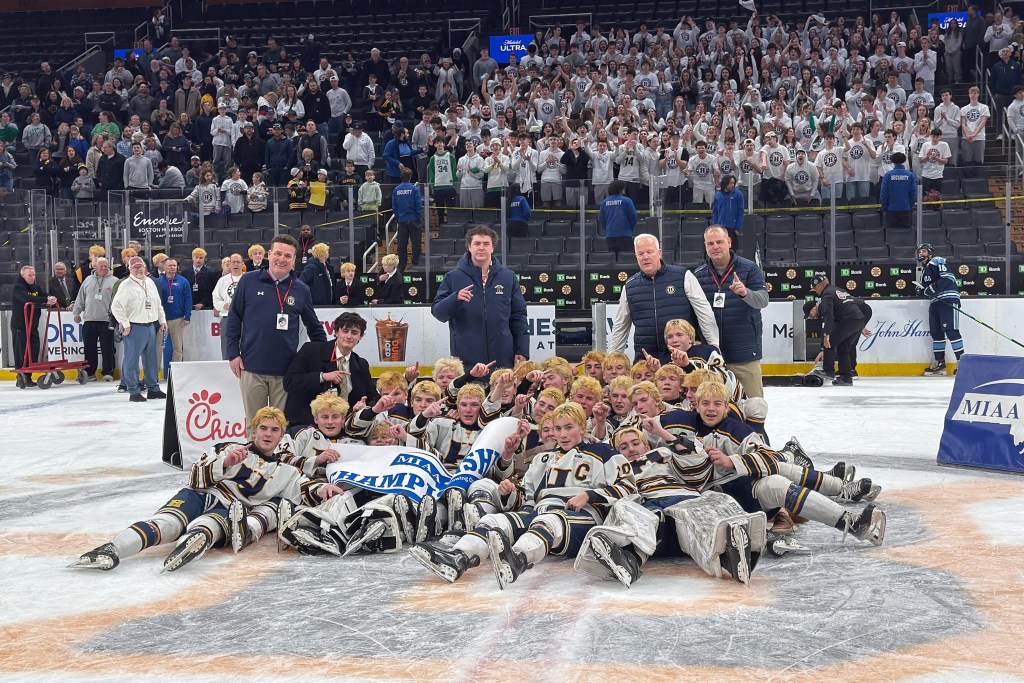
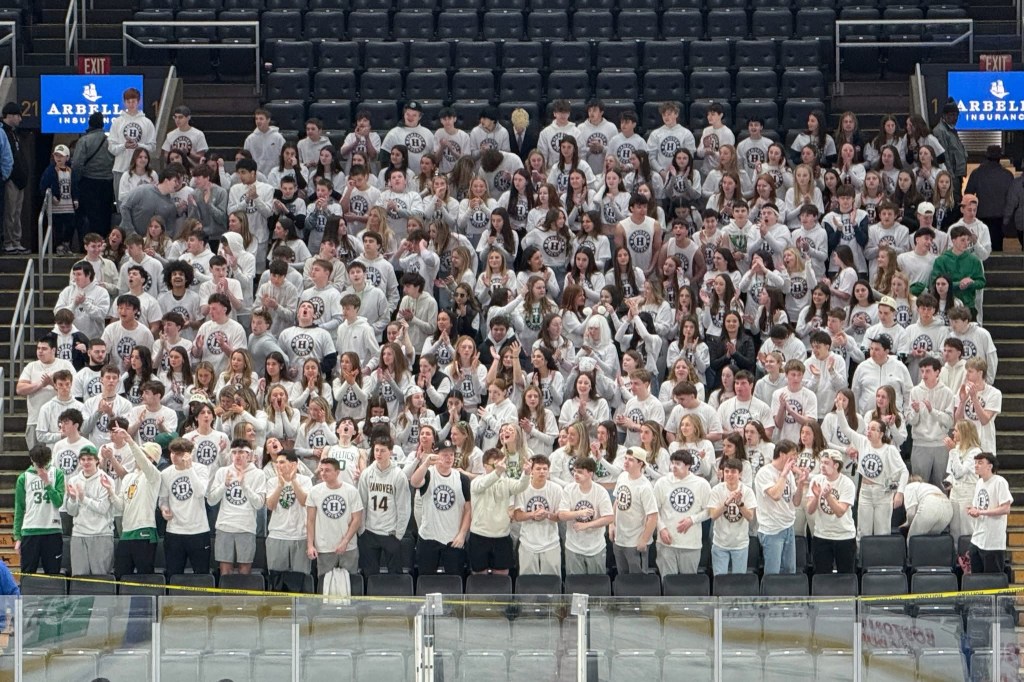
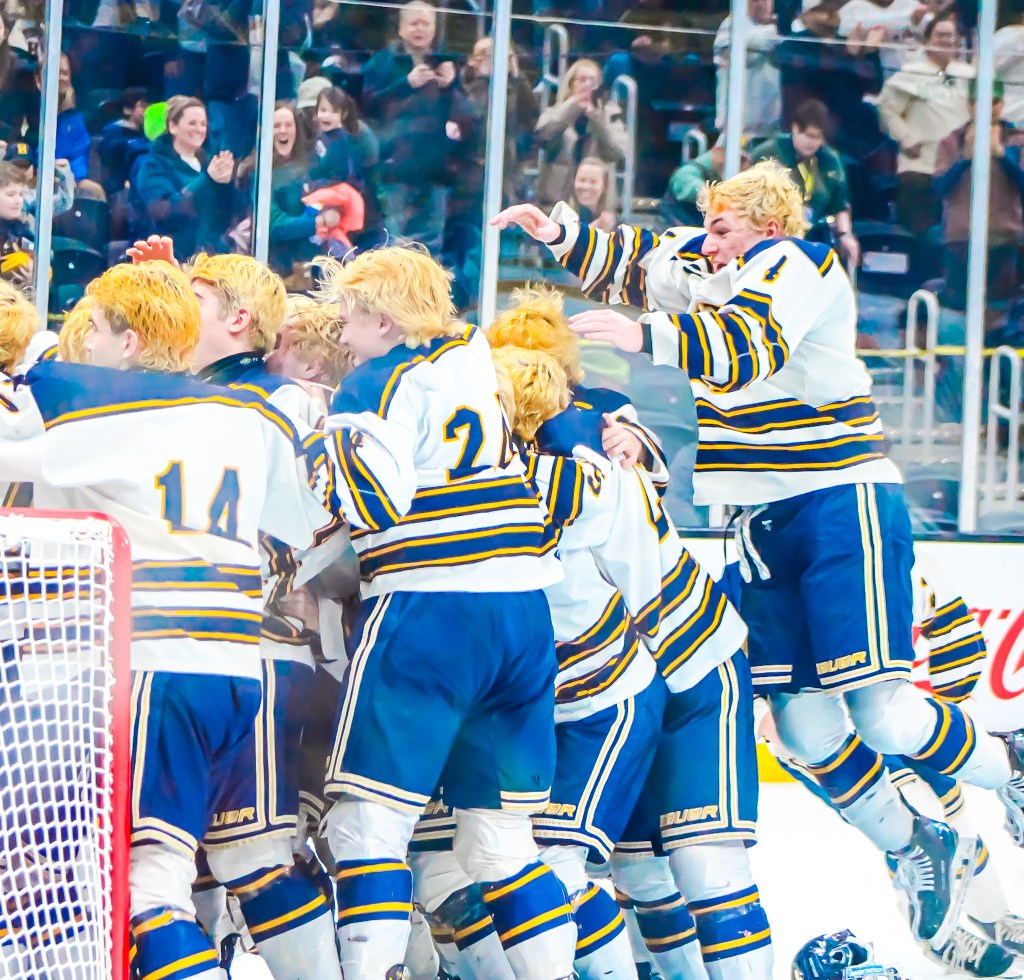
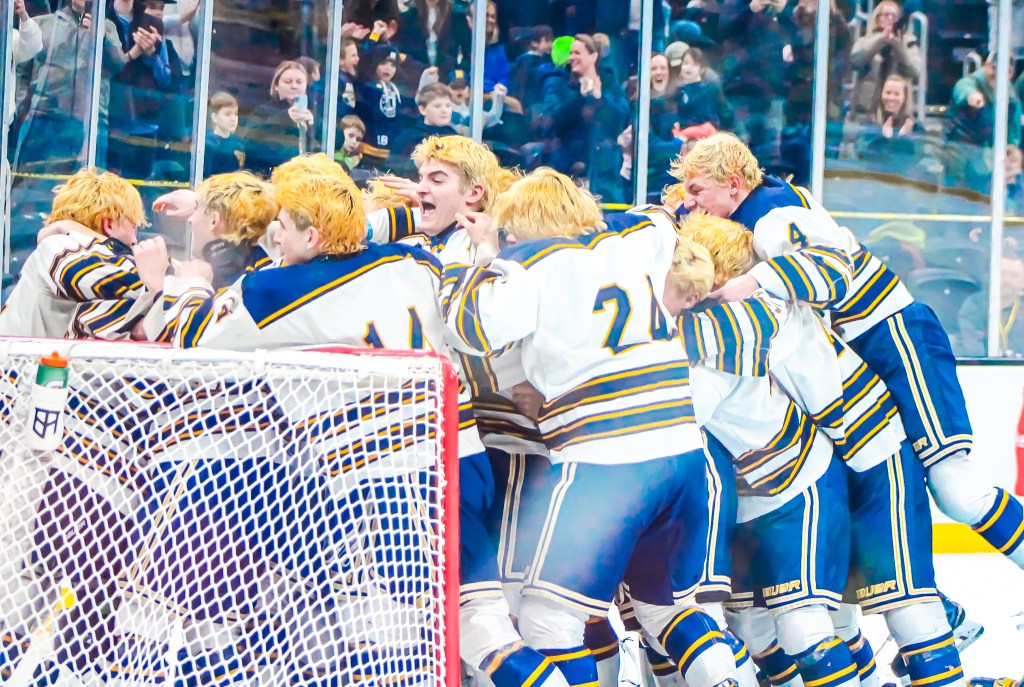
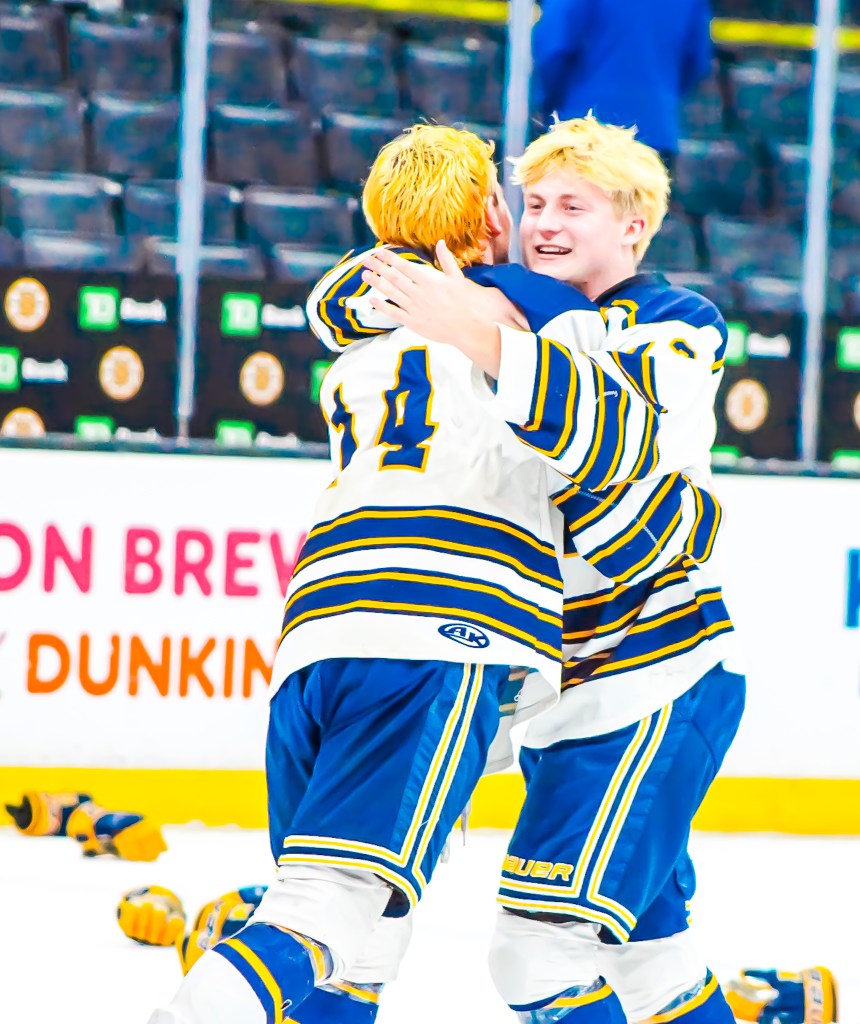
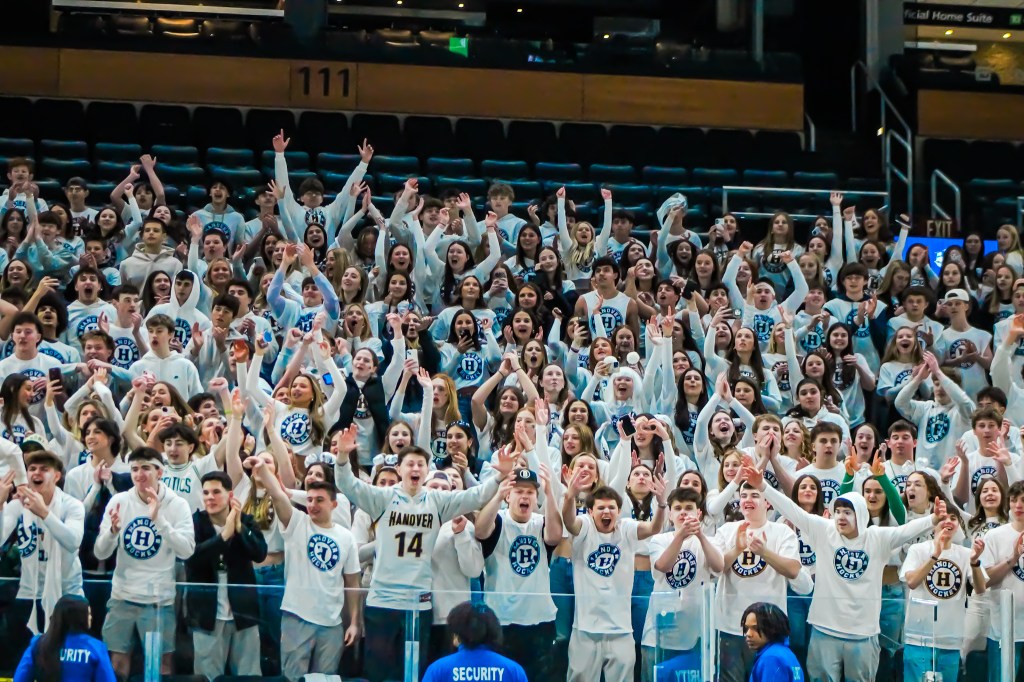
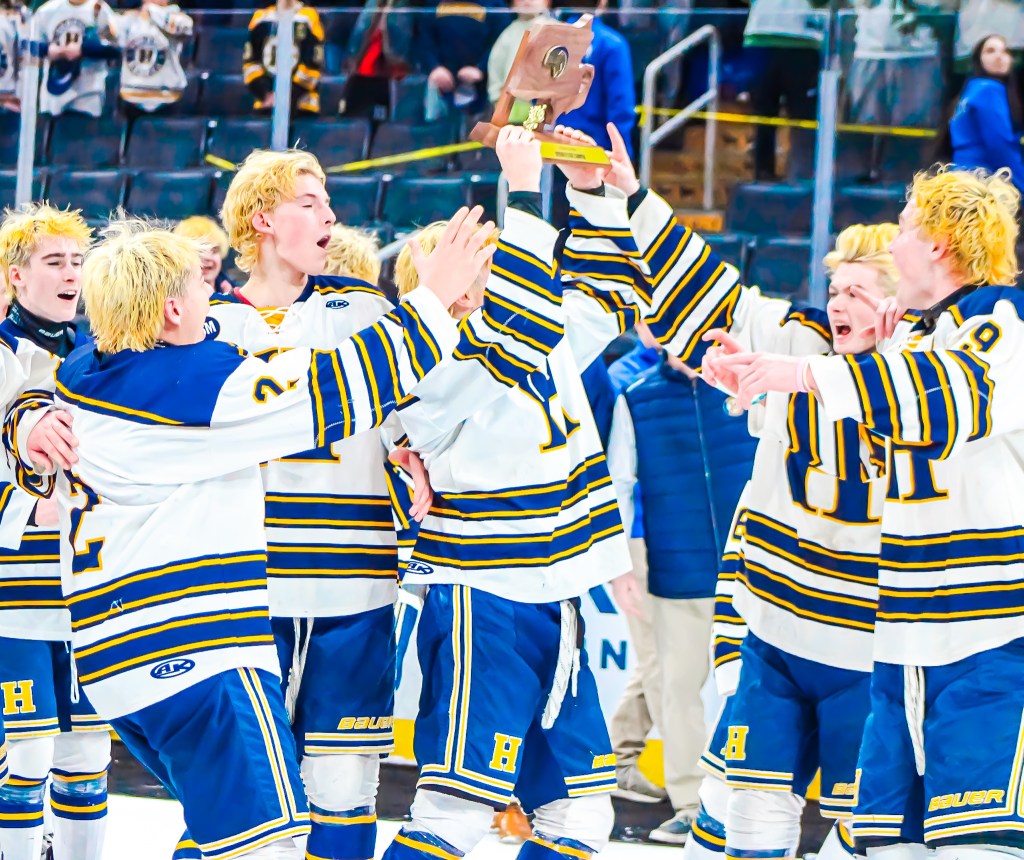
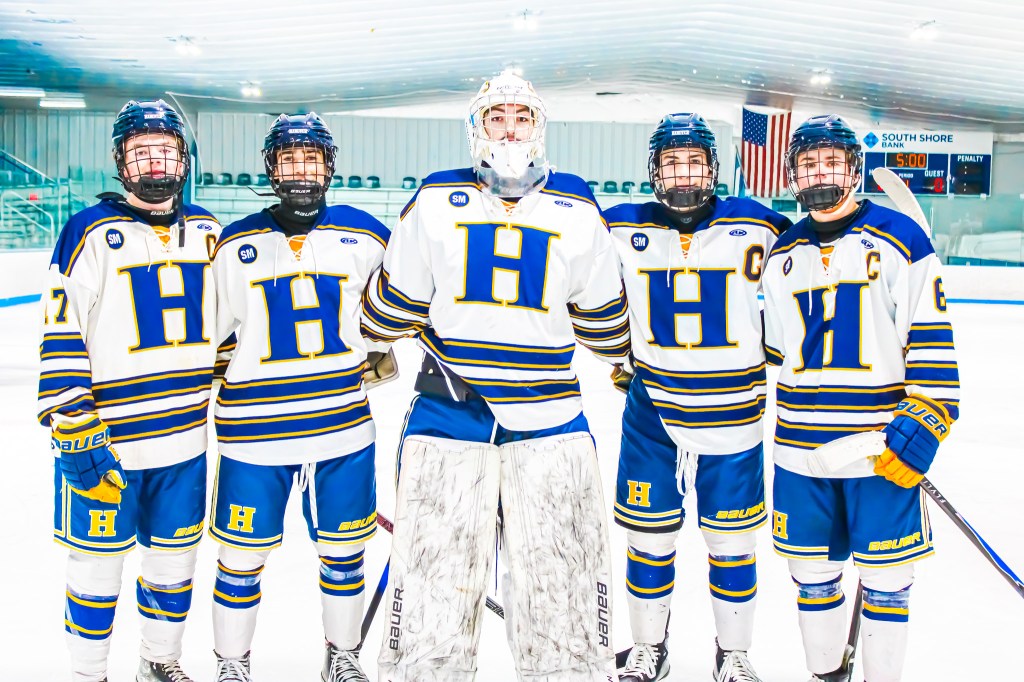
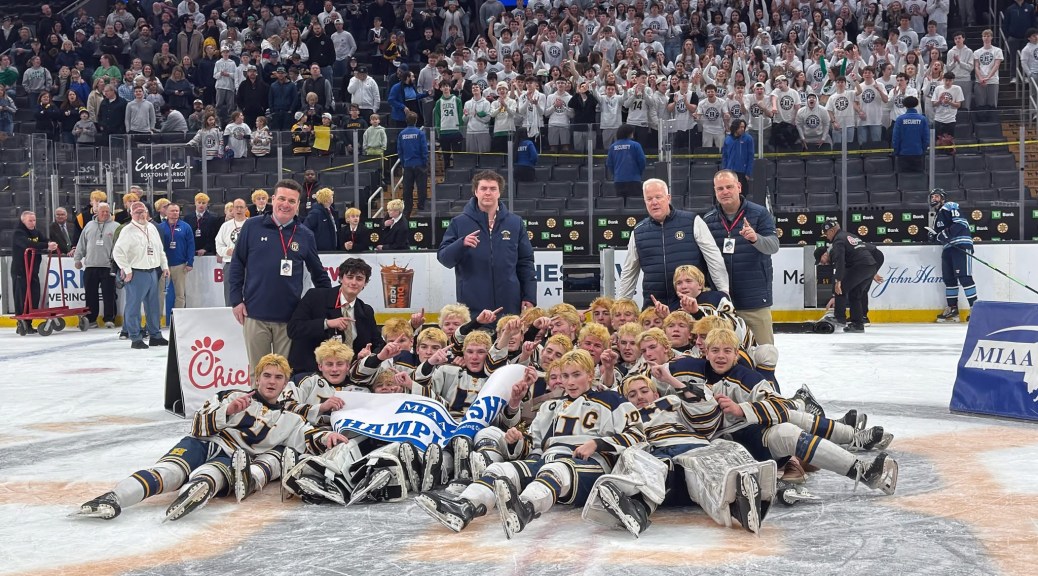
Athletics featured prominently in many students’ favorite memories. Morgan Curtis said her highlight was winning back-to-back state championships with cheerleading. For Cam Melone and Henry Phillips, it was bringing home the 2026 boys hockey state title, while Katie Jones and Vanessa Federico cited cheering on the team during its tournament run and final at TD Garden. Sebastian Brown said his highlight was the football Super Bowl at Gillette Stadium, while Noah Marshall-Pelayo cited winning the 2025 Division II Rugby Championship. Ryan Mutschler highlighted the basketball team’s senior year playoff run, and Trevor Leibfarth cited the Elite 8 playoff win as an especially great memory.
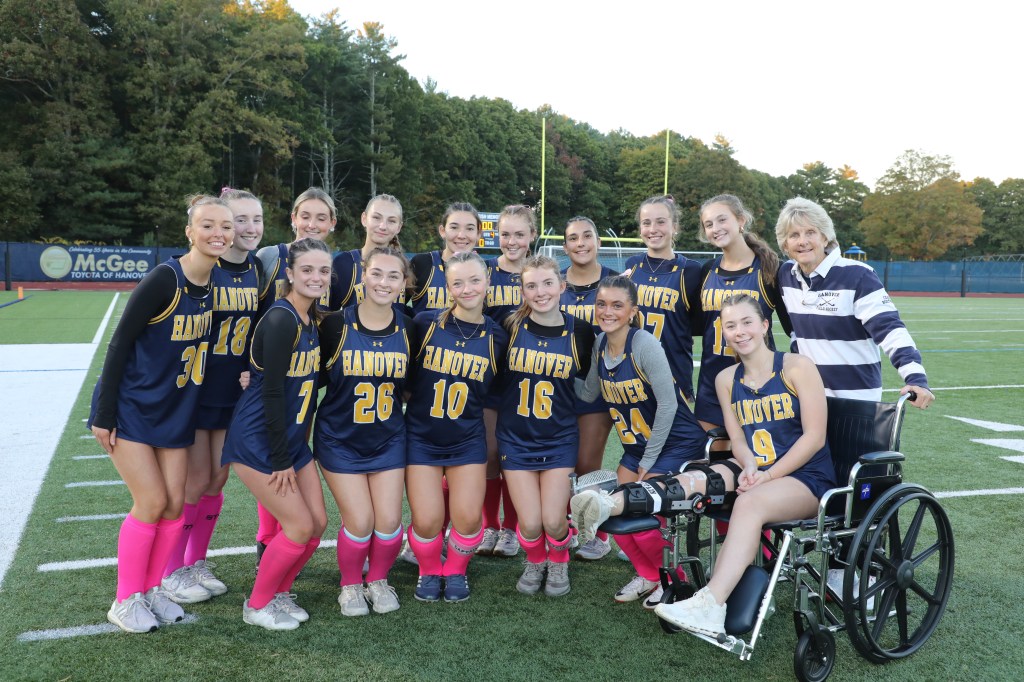
Addison Hall’s favorite moment was when he scored during senior night for soccer. Emma Ryan cited beating Scituate in field hockey at home, and Gavin Russell said that his “favorite experiences have been the team dinners we would have with my team members prior to our games.” Leo Galvin said “being a three-sport athlete enabled me to meet many new and interesting people and grow as a leader.” Damaris Mejia-Miller said playing volleyball was her highlight, Tyler McDonough loved playing rugby, and Joey Marshall-Pelayo cited managing the girls basketball team and playing field hockey. Joey DaCosta’s favorite experience was “playing and watching all the sports.”
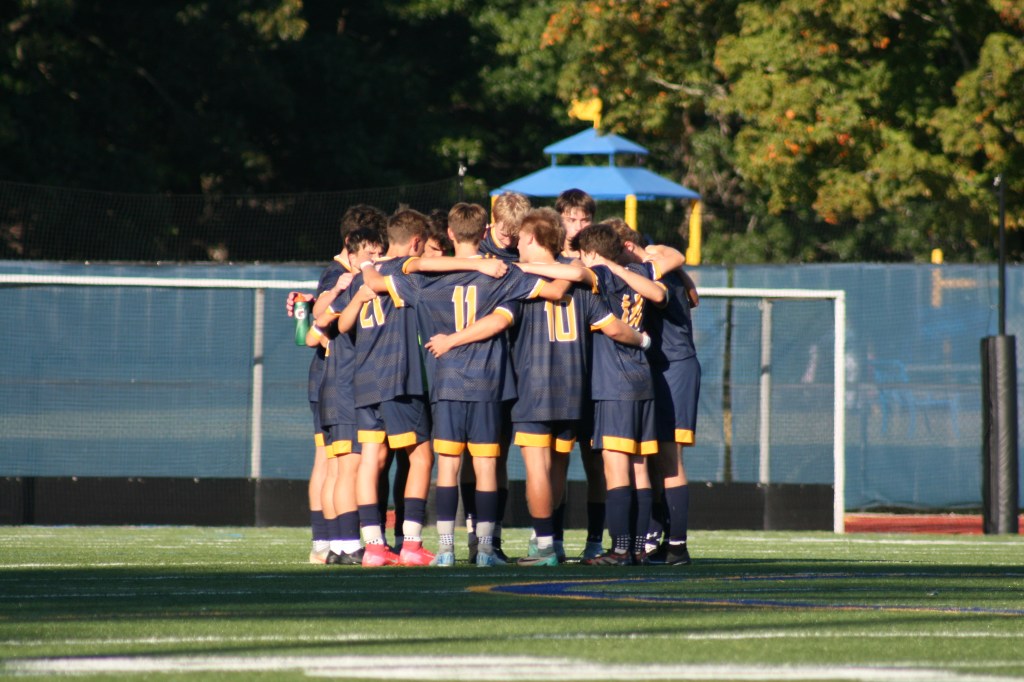
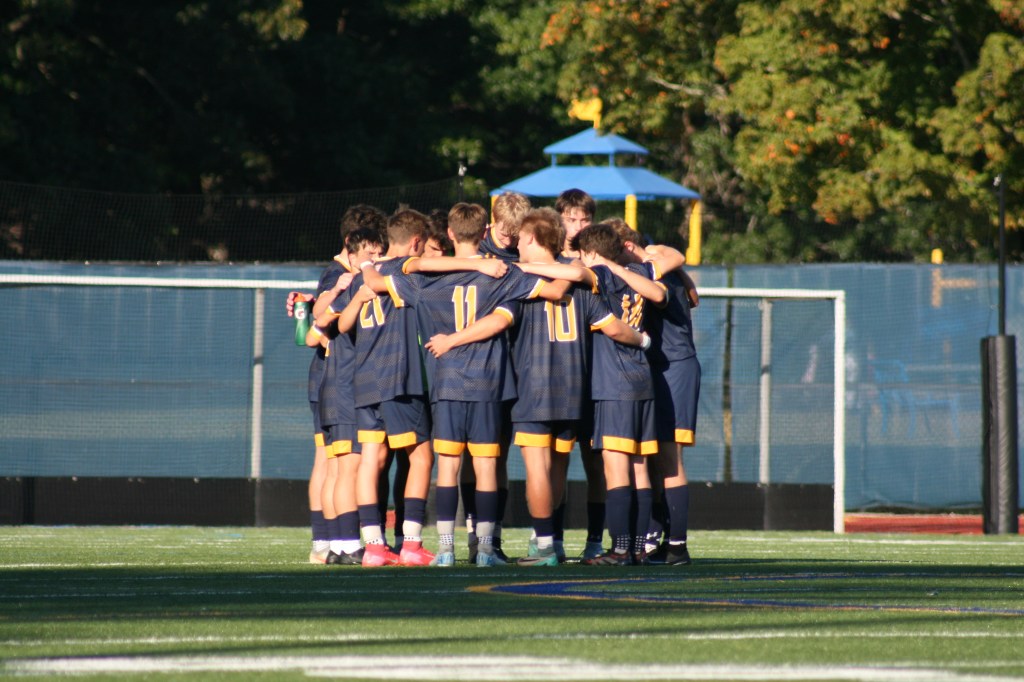
Boys soccer
There were also some memorable moments within the arts and academics for many seniors. Maddy Hiffa recalled her first time “performing at the Annual Fall Cabaret Showcase,” while Brendan Meagher talked about his performance of “stand tunes and the field show with the band for home football games.” Likewise, Aine Scanlan recalled her experiences during “Friday night lights” playing with the band. Brandon Errico mentioned Mrs. Collins’ class, while Heather McGinnis spoke about her experience taking “Mrs. P’s accounting classes.”
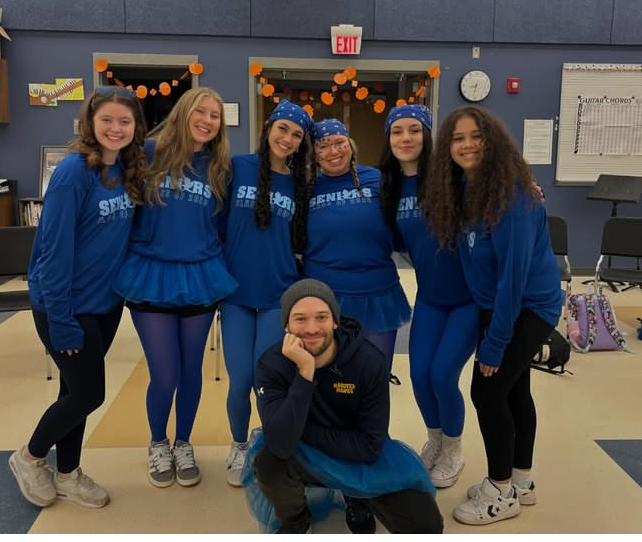
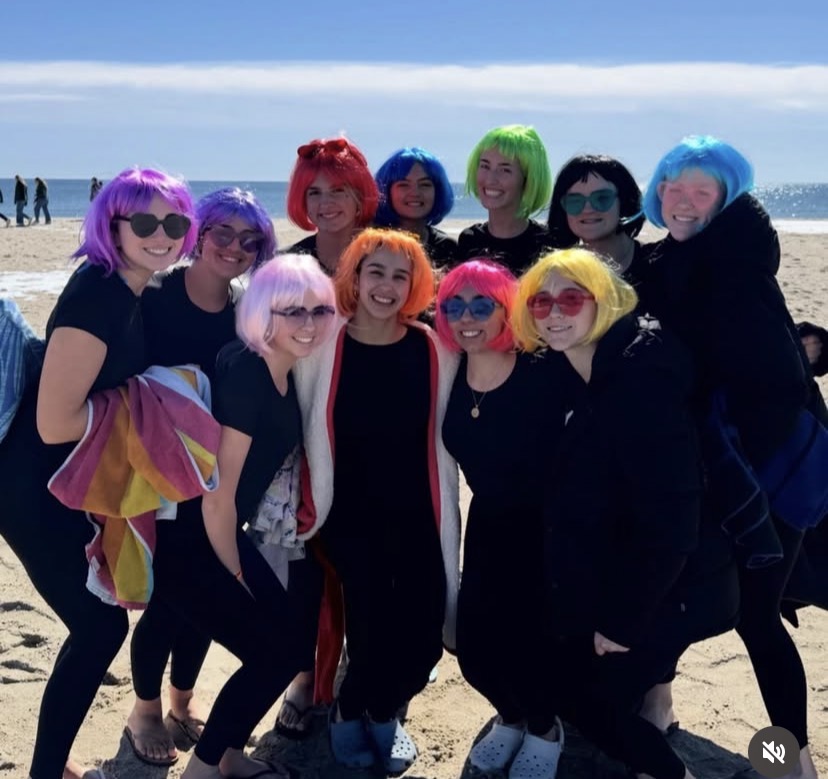
Other notable memories related to travel experiences. Bronwyn Doherty had the pleasure of visiting Quebec with her French class during junior year, where she got to do “so much” new stuff and explore new locations. Colin Howard and Dylan Poirier both mentioned visits to France through the school exchange program. For Ava Khouri, her highlight was closer to home: trips to the Cape for SEMASC student council meetings, particularly their awesome polar plunge costumes and losing their voices at the dance.
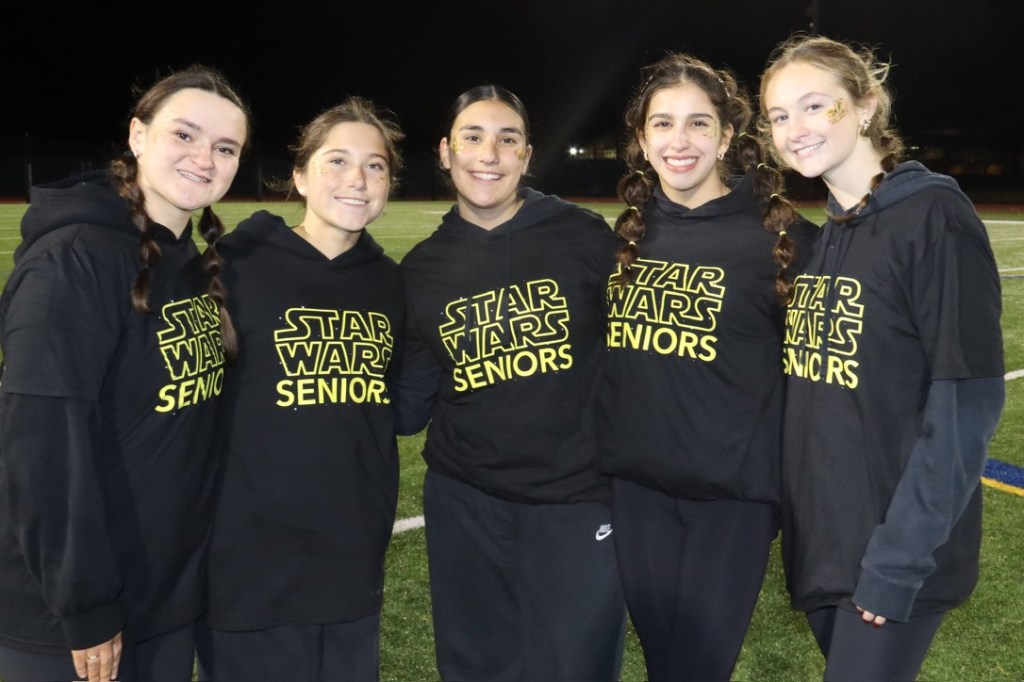
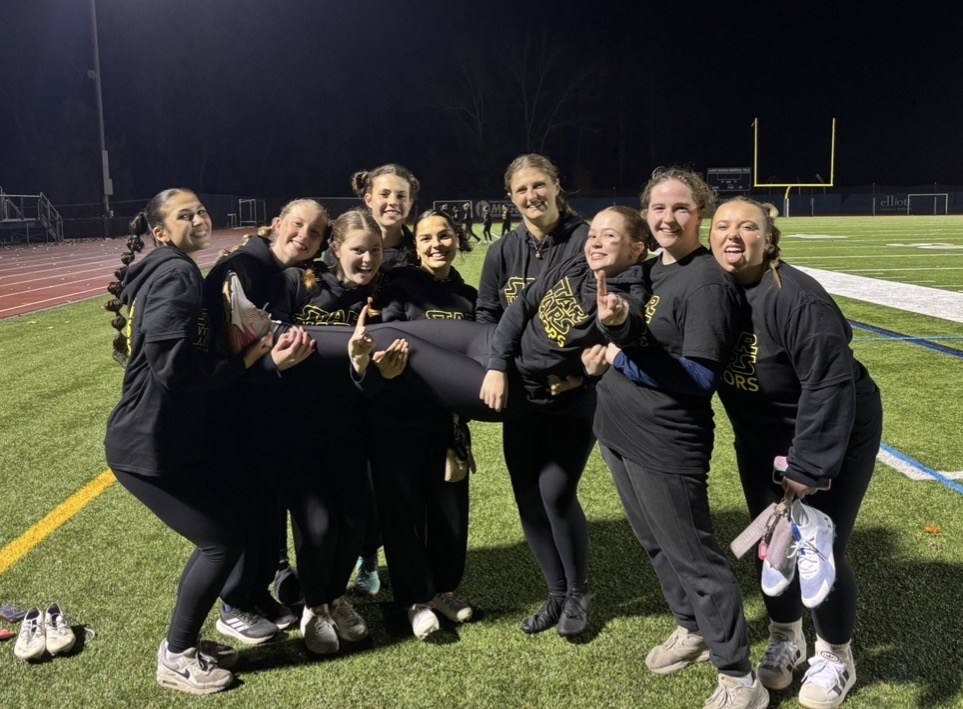
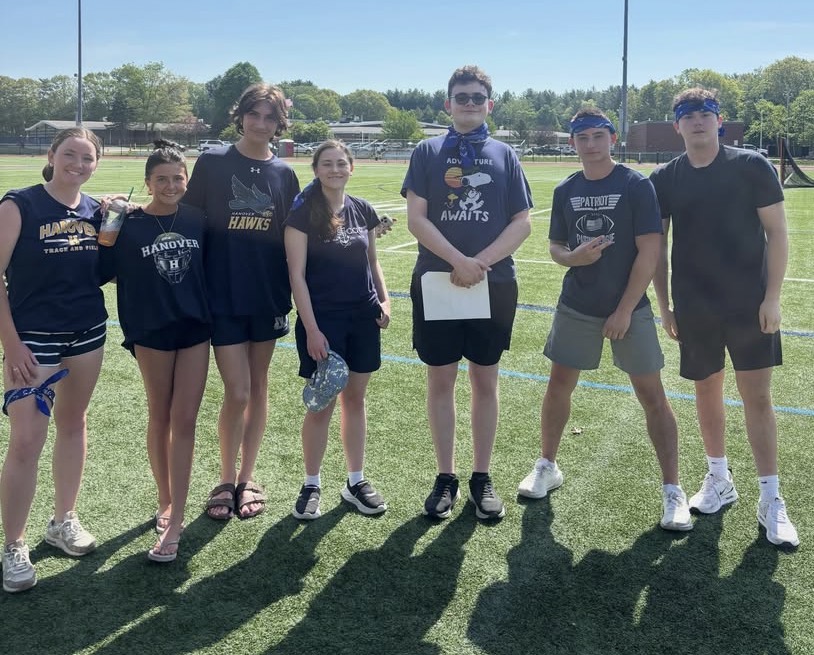
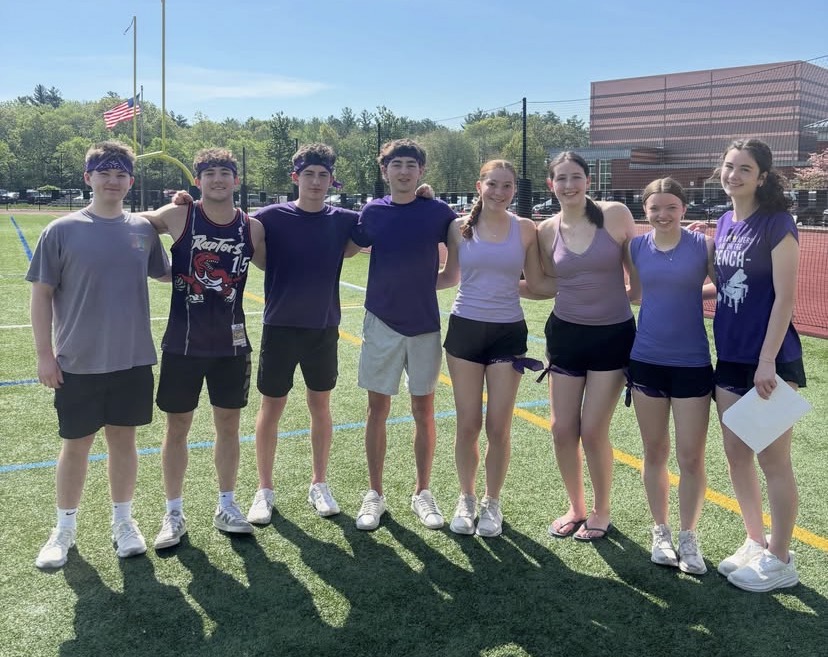
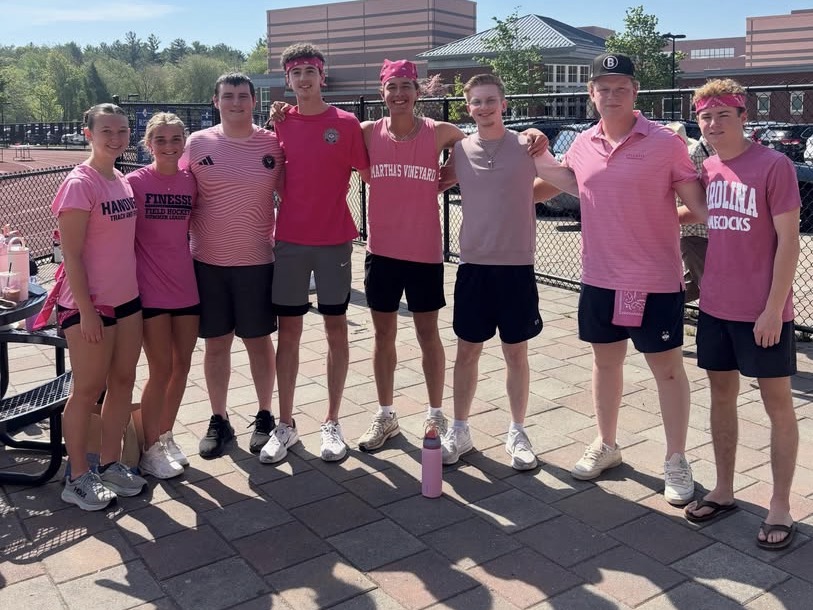
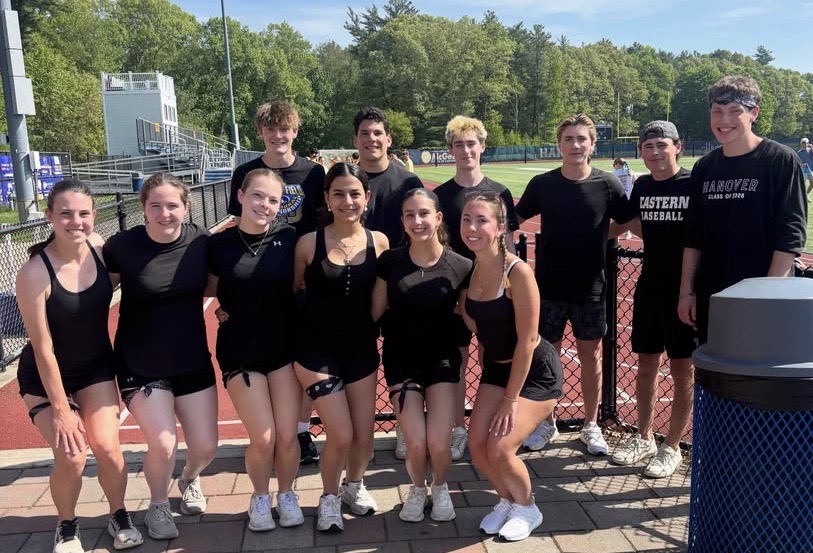
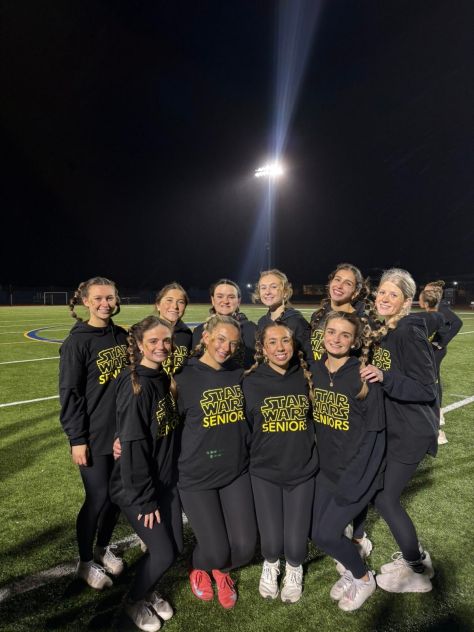
Powderpuff
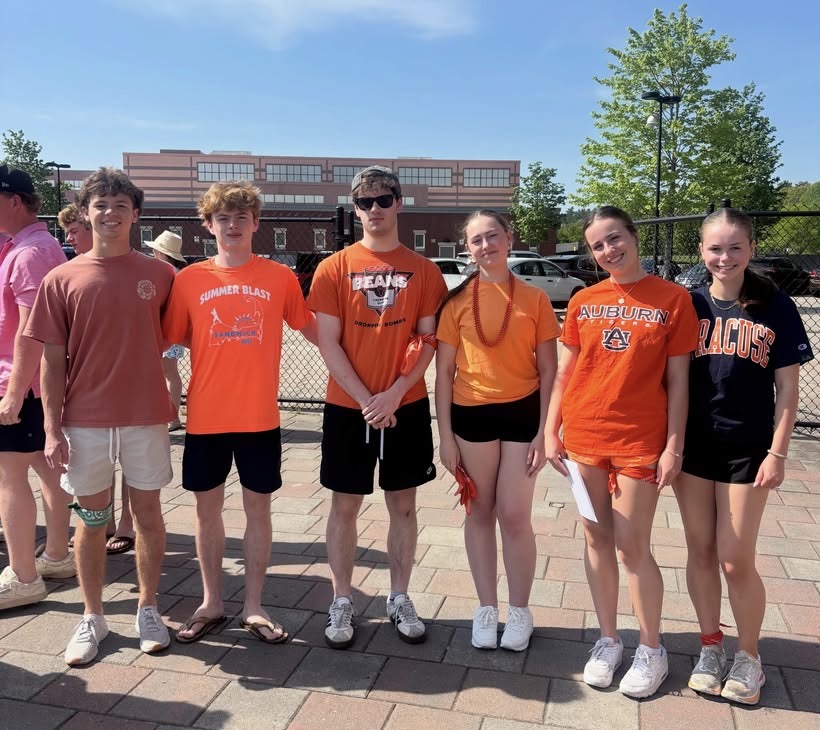
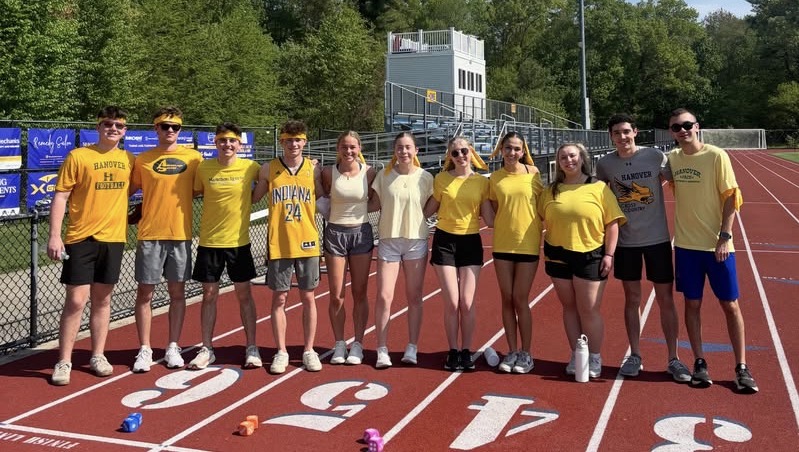
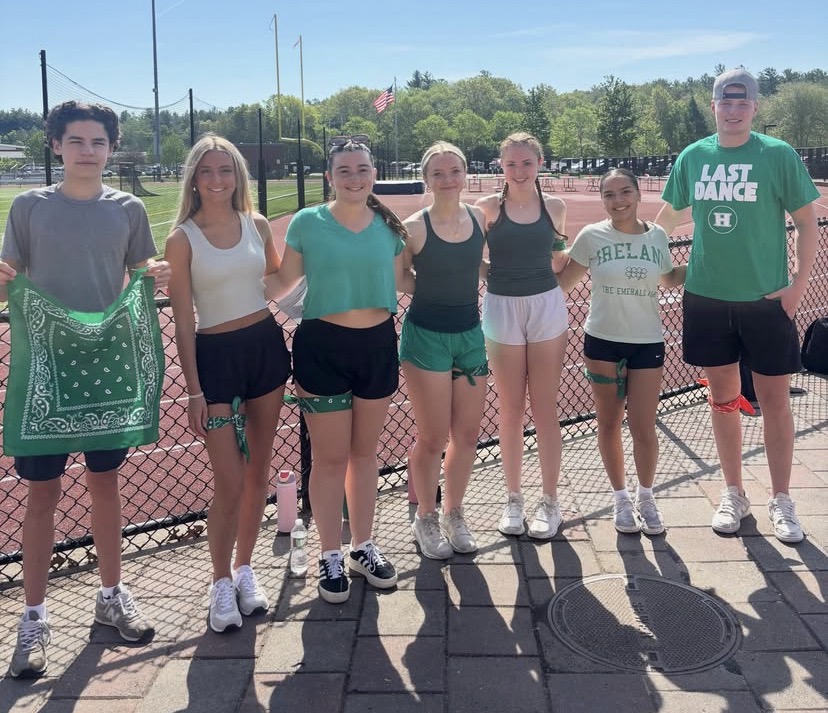
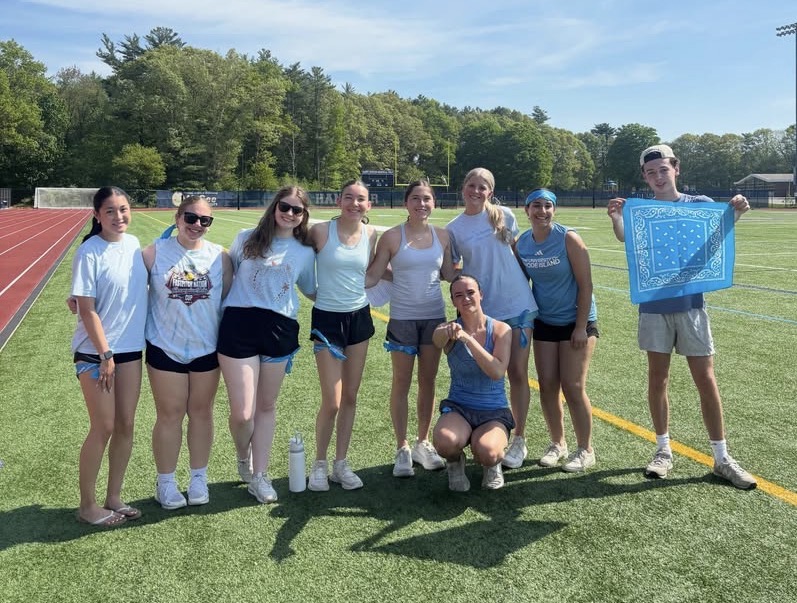
Some moments were both simple and memorable. Elin Brink, Maddie Fuller, and Juliana Minasi selected Powderpuff as their most memorable experience. For Joe Lynch, it was the pizza party in Mrs. Parry’s class.
While the Class of 2026 is preparing to venture into other areas of life, the memories they have forged during their time at Hanover High School will never fade away. From winning a championship to playing a game of football on a Friday night, taking classes that were enjoyable, or spending some time with friends in the senior corner, all of these activities played a key role in making HHS memorable!
Across the United States, communities are coming together in 2026 to celebrate the nation’s 250th birthday. Known as the Semiquincentennial, the anniversary marks 250 years since the signing of the Declaration of Independence in 1776. Cities, states, schools, museums, and organizations are hosting America250 events that honor the nation’s history while also looking toward the future.
One of the biggest celebrations will take place in Washington, D.C. on July 4. Organizers expect more than one million people to gather on the National Mall for concerts, historical presentations, military tributes, and a massive fireworks display. The celebration is part of the “Freedom 250” initiative, which has planned events for the Capitol throughout the entire year.
Another major event is “America’s Block Party,” a nationwide celebration happening on July 3 and 4. Communities across the country are encouraged to host neighborhood gatherings with live music, food, games, and local performances. The goal is to create the largest synchronized Fourth of July celebration in American history.
Several states are also organizing unique local events. In New Orleans, the “SAIL 250” festival will feature tall ships from around the world sailing along the Mississippi River. Visitors will be able to tour historic ships while enjoying concerts, cultural exhibits, and educational programs. Meanwhile, cities such as Midland, Texas, and Greenwich, Connecticut, are hosting history days, scavenger hunts, parades, and public art displays to involve local residents in the celebration.
The Hanover Historical Society will lead a series of walking tours of five areas in town on the second Saturday of each month, May through September. Each tour will focus on what a particular neighborhood was like in 1776, during the American Revolution.
The anniversary is not only about entertainment. America250 has also launched “America Gives,” a national volunteer program encouraging Americans to complete community service projects during 2026. Organizers hope to make this the largest year of volunteerism in U.S. history by inspiring people to help schools, charities, parks, and neighborhoods. In addition, special exhibits, concerts, and educational programs are taking place at national parks, museums, and historical sites across the country. Traveling “Freedom Trucks” will visit schools and communities in all 48 contiguous states with mobile museum exhibits about American history.
To celebrate America’s 250th birthday on July 4, the Times Square Ball will drop eight times on July 3, marking midnight across every U.S. time zone. This fun event will mark the first time the ball has been dropped outside of New Year’s.
As America reaches this historic milestone, the 250th anniversary celebrations are giving citizens a chance to reflect on the nation’s past, celebrate its achievements, and imagine what the next 250 years could look like.