
By Charlize Coviello, ’29
Staff Writer
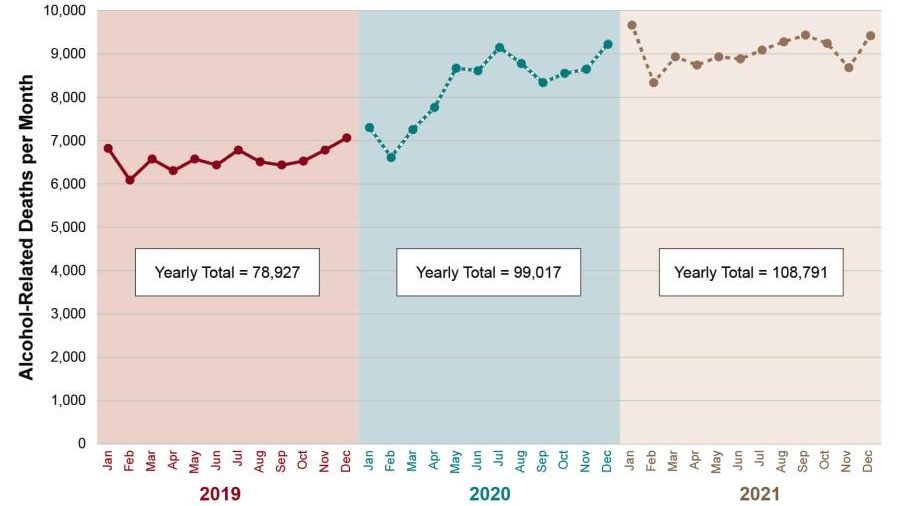
April is Alcohol Awareness Month, when we promote the understanding of alcohol use and abuse. This month offers an opportunity to develop knowledge of the struggle that is often faced when people misuse alcohol. Researchers have estimated that each year there are more than 178,000 deaths due to alcohol. Misuse affects the lives and health of many teenagers as well, diminishing their everyday abilities. Additionally, there are more than 200 disease- and injury-related conditions associated with alcohol misuse, including liver cirrhosis, various cancers, heart disease, strokes, and alcohol use disorder (AUD).
Misuse of alcohol is dangerous, especially for the body. Some short-term effects include trauma, alcohol poisoning, violent tendencies, and reproductive issues. Examples of trauma from acute use include injuries from motor vehicle crashes, falls, burns, and drowning. When individuals are under the influence of alcohol, they lose awareness of their actions, leading to potential trauma and violence.
Studies show that there is a higher risk of becoming a perpetrator or victim of physical or sexual violence when alcohol is misused. Excessive drinking commonly leads to acute poisoning, which can lead to comas, convulsions, or death. Reproductive and prenatal problems can also easily arise in those who abuse alcohol. Fetal Alcohol Spectrum Disorders (FASD), miscarriages, and stillbirths are seen in those who misuse alcohol before or during pregnancy. Other risks include severe alcohol withdrawal syndromes requiring emergency medical care.
Short-term abuse affects the user greatly; however, it does not impact health as much as long-term abuse can. Long-term abuse damages the brain, liver, immune system, and digestive system. Conditions from the prolonged misuse of alcohol include liver disease, cancer, cardiovascular disease, digestive and endocrine issues, neurological/brain damage, and mental health issues such as depression, anxiety, and insomnia.
Liver diseases can include cirrhosis, fatty liver, and alcoholic hepatitis. Drinking alcohol affects the liver by forcing it to prioritize the metabolism of ethanol in the alcohol over its hundreds of other critical bodily functions — causing the organ the most immediate and severe damage. The risk of cancers of the liver, mouth, throat, esophagus, breast, and bowel increase with more consumption. Alcohol abuse causes cancer by breaking down ethanol into acetaldehyde, a toxic chemical that damages DNA and prevents cells from repairing themselves. It induces chronic inflammation, increasing hormone levels such as estrogen and lowering nutrient absorption, particularly damaging the mouth, throat, liver, and breasts. Additionally, high blood pressure, strokes, and weakened heart muscles can arise from alcohol abuse through toxic damage to heart muscle cells. Excessive consumption induces oxidative stress, causing strokes, heart attacks, and heart failure.
Alcohol abuse affects people in many more ways than can be covered in a short article. It is a serious topic that has an underestimated potential to ruin lives quickly. Many teenagers and adults abuse liquor without knowing the risk and jeopardy they are putting themselves in. Alcohol Awareness Month was started in 1987 by the National Council of Alcohol and Drug Dependence to raise awareness among the general public about the dangers of alcohol misuse, reduce stigma, and provide treatment resources. This month is held annually to focus on community education, support for those in recovery, and encouragement of alcohol-free weekends. Campaigns emphasize preventing underage drinking, educating on the health effects of excessive drinking, and offering resources for families. It serves to reduce the discrimination associated with addiction, making it easier for people to seek help. To encourage care, look out for warning signs, including being unable to cut back, drinking to cope, or excessive consumption despite problems in personal or professional life. Recognizing abuse early not only helps the abuser but also the people around them such as their family and friends, as alcohol misuse can ruin relationships and derail a person’s professional and personal life.
April is not just a time to read statistics but a call to act. By engaging in open conversations about alcohol use and providing support for treatment, the cycle of addiction can be stopped, and communities can take a step in moving toward a healthier, more transparent future.
Works Cited
“Alcohol and Heart Health: Separating Fact from Fiction.” Johns Hopkins Medicine, https://www.hopkinsmedicine.org/health/wellness-and-prevention/alcohol-and-heart-health-separating-fact-from-fiction. Accessed 10 April 2026.
“Alcohol Awareness Month.” SAMHSA, 30 March 2026, https://www.samhsa.gov/about/digital-toolkits/alcohol-awareness-month. Accessed 25 March 2026.
“Alcohol Use and Cancer.” American Cancer Society, The American Cancer Society medical and editorial content team, 3 November 2025, https://www.cancer.org/cancer/risk-prevention/diet-physical-activity/alcohol-use-and-cancer.html#:~:text=Folate%20is%20a%20vitamin%20that,Addiction. Accessed 27 March 2026.
“April is Alcohol Awareness Month | National Institute on Alcohol Abuse and Alcoholism (NIAAA).” National Institute on Alcohol Abuse and Alcoholism (NIAAA), 1 April 2025, https://www.niaaa.nih.gov/news-events/announcement/april-alcohol-awareness-month. Accessed 25 March 2026.
Backman, Isabella. “Alcohol Use Disorder Harms the Brain’s Immune System Earlier in Women.” Yale School of Medicine, 12 June 2025, https://medicine.yale.edu/news-article/alcohol-use-disorder-harms-the-brains-immune-system-earlier-in-women/. Accessed 8 April 2026.
“Neurological Effects of Alcohol: Impact of Alcohol on the Brian.” American Addiction Centers, 17 March 2025, https://americanaddictioncenters.org/alcohol/risks-effects-dangers/neurological. Accessed 10 April 2026.
Oklahoma Department of Mental Health and Substance Abuse Services. “Alcohol Awareness month.” oklahoma.gov, 16 April 2024, https://oklahoma.gov/odmhsas/about/blog/2024/alcohol-awareness-month.html#:~:text=Excessive%20drinking%20can%20also%20damage,of%20alcohol%20abuse%20may%20include:.
Osna, Natalia A et al. “Alcoholic Liver Disease: Pathogenesis and Current Management.” Accessed 9 April 2026. Alcohol research : current reviews vol. 38,2 (2017): 147-161. doi:10.35946/arcr.v38.2.01
Rachdaoui, Nadia, and Dipak K Sarkar. “Pathophysiology of the Effects of Alcohol Abuse on the Endocrine System.” Alcohol research : current reviews vol. 38,2 (2017): 255-276. doi:10.35946/arcr.v38.2.08 Accessed 10 April 2026.
Shivani, Ramesh et al. “Alcoholism and Psychiatric Disorders: Diagnostic Challenges.” Alcohol Research & Health vol. 26,2 (2002): 90–98. Accessed 25 March 2026.

