
By Mrs. McHugh
HHS Librarian & The Hawk advisor
Spoilers Ahead!
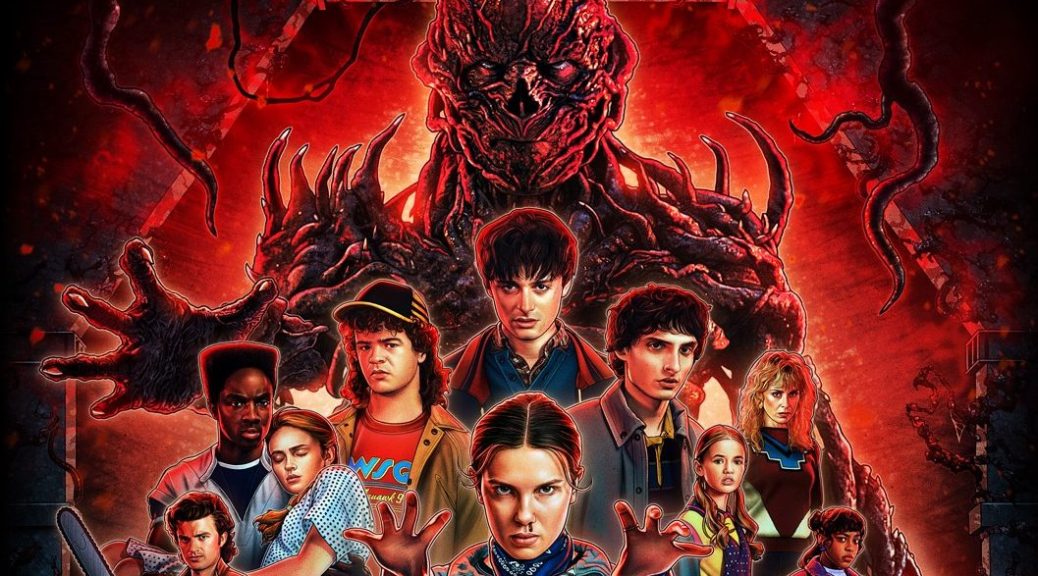
An estimated 3.7 million households viewed the series finale of Stranger Things within a week of its New Year’s Eve release. Another million people watched it in movie theaters, an epic event for a television show. As the conclusion of the Netflix series becomes one of the streaming service’s hottest creations, one thing is clear: the only thing more popular than watching it is debating it.
Within minutes of the finale’s end, social media lit up with reviews and rehashes from TV critics and fans alike. Some praised the episode for bringing the team back together for the final battle, choosing awesome music in key moments, and ending with the next generation of players around the Dungeons & Dragons table. Others, though, expressed disappointment with what they felt were plot holes and lazy writing in a show they had spent a decade of their life watching. It felt like a betrayal to fans already upset with the three-year wait between seasons four and five, and the drawn-out release of the series’ final eight episodes. Some viewers went so far as to speculate that the finale was really a mind trick by the villain, Vecna, and a hidden episode with a more satisfying ending would be released (there was not). The Duffer Brothers, who created the show, gave countless interviews trying to explain their choices, and Netflix released a two-hour “making of” documentary in an effort to appease fans (it did not).
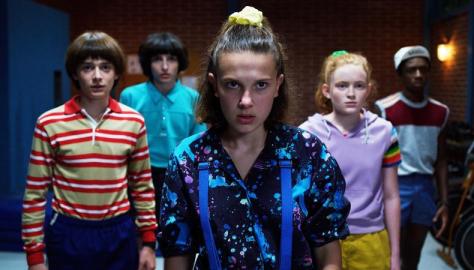
Since its 2016 premiere, I’ve loved the science fiction adventure show about a group of friends who discover a girl with special powers. Steeped in 1980s nostalgia, the show brought alive memories of my adolescence, and I felt the mythology was complex but not convoluted. Watching the cast grow up reminded me of the years I spent following the transformation of Harry Potter and friends from Sorcerer’s Stone to Deathly Hallows, something rare and special in entertainment.
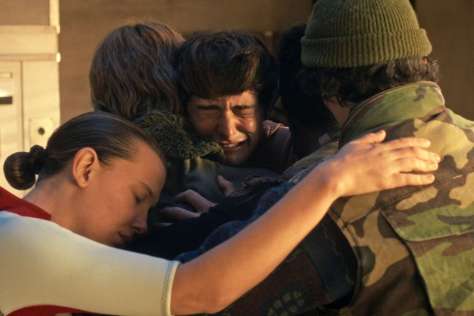
After watching the finale, I was content with the ending. I was emotionally invested throughout the two hours, gasping – and then cheering – when Steve fell and was rescued, tearing up during Hopper’s heart to hearts with El, laughing at Murray and Robin’s one-liners, and ugly crying when Mike and El were forced to say goodbye. I liked the long epilogue which revealed that the characters we loved would be okay. I didn’t even mind the ambiguity around El’s fate; I was happy to believe. But as I started hearing the criticism, I felt some of it was valid. Where the demodogs when the gang fought Vecna in the abyss? Why was Vecna/Henry Creel’s backstory shortchanged for a play most fans wouldn’t have the chance to see? How did the gang get away with killing all those soldiers? And what was the deal with the terrible wig worn by Nancy in the epilogue?
I’ve watched several shows where a disappointing ending threatened to sour me on the whole series – Lost, the original Dexter (although the latest incarnation was a bit redemptive). But I don’t count Stranger Things among them. Maybe the creators were rushed, or got lazy, or tried to milk the series for too long. Maybe they could have made better choices for the final episodes. But TV for me is entertainment and escape, and despite any flaws, the Stranger Things finale provided that. It is a series I’ve rewatched several times in anticipation of new seasons, and can envision returning to in the future.
Even at Hanover High School, debate about the show raged for weeks after the finale. You couldn’t mention it and not get a passionate earful about what worked and what didn’t. Some longtime fans from our school community share their reactions below.
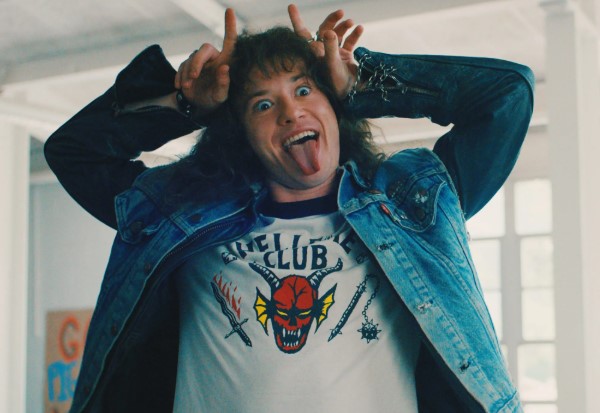
Mr. Henderson, HHS English teacher (who dressed up as Eddie Munson last Halloween): “The ending was exactly what it needed to be. It was one that honored the ’80s nostalgia that it so carefully created, while also giving a compelling story. In the end, it was one that did something rare in a phone-in-hand watching environment: it made the viewer think. Do you believe? Do you not? There’s no simple answer, spelled out for viewers over and over. What’ll we remember? I think we’ll remember a few things. Friends don’t lie. Hellfire lives. Keep running up that hill. And, I don’t think we’re done with the world of Hawkins. Call it a suspicion that it could be . . . a never-ending story.”
Gianna Steber, freshman: “Before I watched the finale, I’d heard some of the criticisms and started feeling negatively about it. But then I loved it. I thought it was a very good ending that replayed what happened at the beginning and started a new chapter with Mike’s sister and her friends. I believe the rumor that the finale script wasn’t finished and the writers used AI, but It didn’t bother me.”
Jameson Bryan, senior: “I thought it was kind of disappointing. The kids spent years fighting Vecna and they killed him in like 10 minutes; that was a major letdown. Everyone was nervous about a big death, like Steve, but then the only one who died was Kali and that wasn’t much of a shock. I think Mike and El’s relationship was undeveloped; there could’ve been a better ending for them. The epilogue was too long; they could have made that 20 minutes and made the fight scene longer. I liked how, at the end, the show had a full-circle moment and ended with Holly and her friends as the little kids playing D&D. Despite these complaints, I thought season 5 was good overall and I still think the show was great. It was just one bad episode out of like 40.”
Mr. Wade, HHS music teacher: “I think with a show that big, that’s gone on for so long, it’s hard to close in a way that’s satisfying for everybody. But I personally enjoyed it. I loved Will’s storyline, and how the show came full circle by starting and ending in the basement.”
Whether you liked the Stranger Things finale or not, there’s no ignoring that it was a phenomenon not often repeated: a pop culture event that brought millions of people together in anticipation and left most of them talking about it afterward. Fans can argue endlessly about whether the finale was good, but the fact that so many people cared is one undeniable measure of its success.



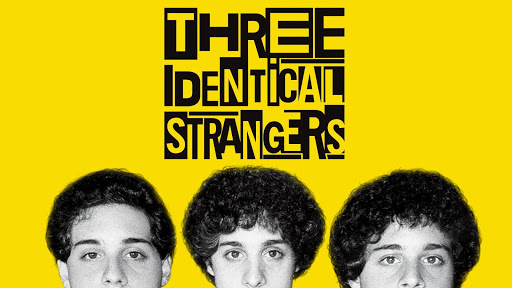
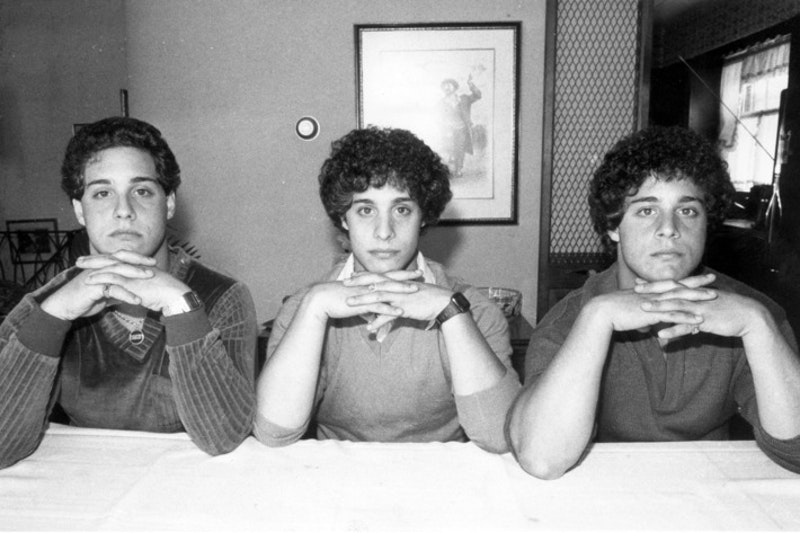 community college in 1980 and is greeted by strangers as a an old friend, he is mystified. He soon meets a classmate who introduces him to Eddy, who shares his looks, birthday and adoption story. The brothers become a media sensation, profiled in newspapers and on talk shows nationwide. The publicity leads David to realize he’s actually the third of the separated siblings. The boys go viral before going viral was even a thing, embracing their fame with a bachelor pad and club hopping, an appearance in a Madonna movie, and even a Manhattan restaurant named Triplets. Everyone marvels about their shared interests and mannerisms, even though they were raised in very different families. It’s a very 1980s phenomenon, and I couldn’t help but get swept up in the fun they were having.
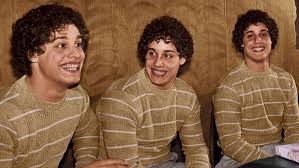 Discovery of the study devastated the brothers. They felt robbed of their childhood and manipulated as lab rats. While they dealt with this revelation, they also struggled with the realization that the similarities so obvious upon their first meeting masked some very significant differences. As the brothers grew older, started families, and went into business together, they saw that their upbringings had instilled different work ethics, values and beliefs. Disagreements developed, and they were no longer the carefree trio. They also saw signs of mental illness, which they later suspected might be another reason their family was targeted for the study.

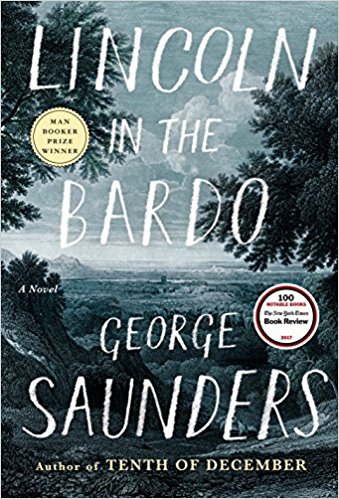 It’s not often that I’m surprised by a book, but Lincoln in the Bardo by George Saunders is unlike anything I’ve ever read before. Part historical fiction, part supernatural fantasy, Bardo breaks free from the traditional format of a novel to tell the story of how Lincoln is haunted – and changed – by the death of his young son during the Civil War.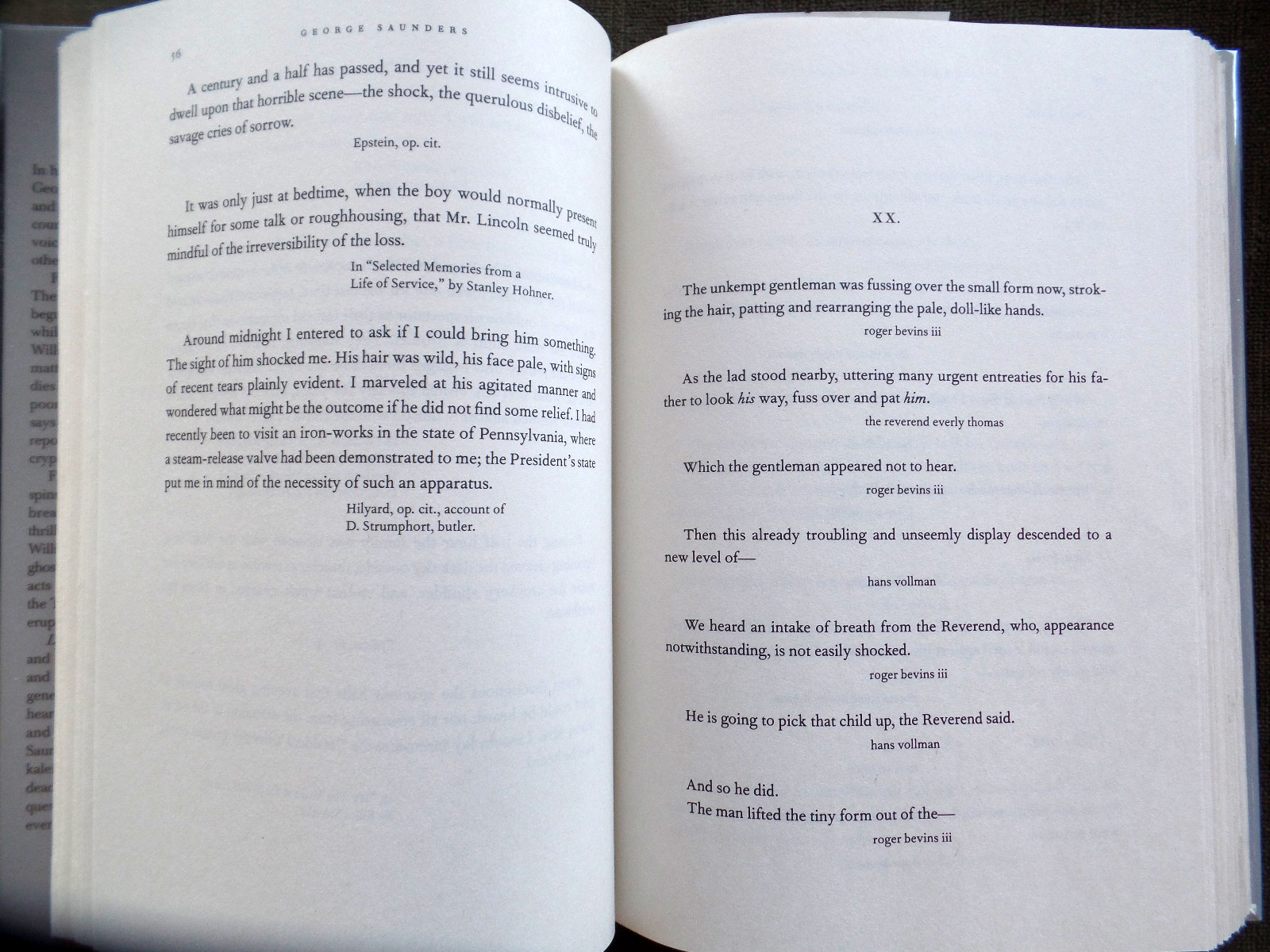
 Black Mirror: This British anthology series has been called the Twilight Zone for the new millennium. Released in the UK in 2011, this quirky, sometimes disturbing show about the potential pitfalls of technology debuted on Netflix in 2016. I finally began watching it recently and find each episode surprising and often a bit terrifying. Sometimes the crazy ways they imagine technology being used don’t seem so far from the current reality — counting “likes” to determine if you qualify for a job such as in Nosedive, or creating a clone of a loved one from a social media profile as in Be Right Back. Because it’s an anthology, you can watch the episodes in any order, one at a time or hours in a row. If you haven’t watched this yet, check it out.
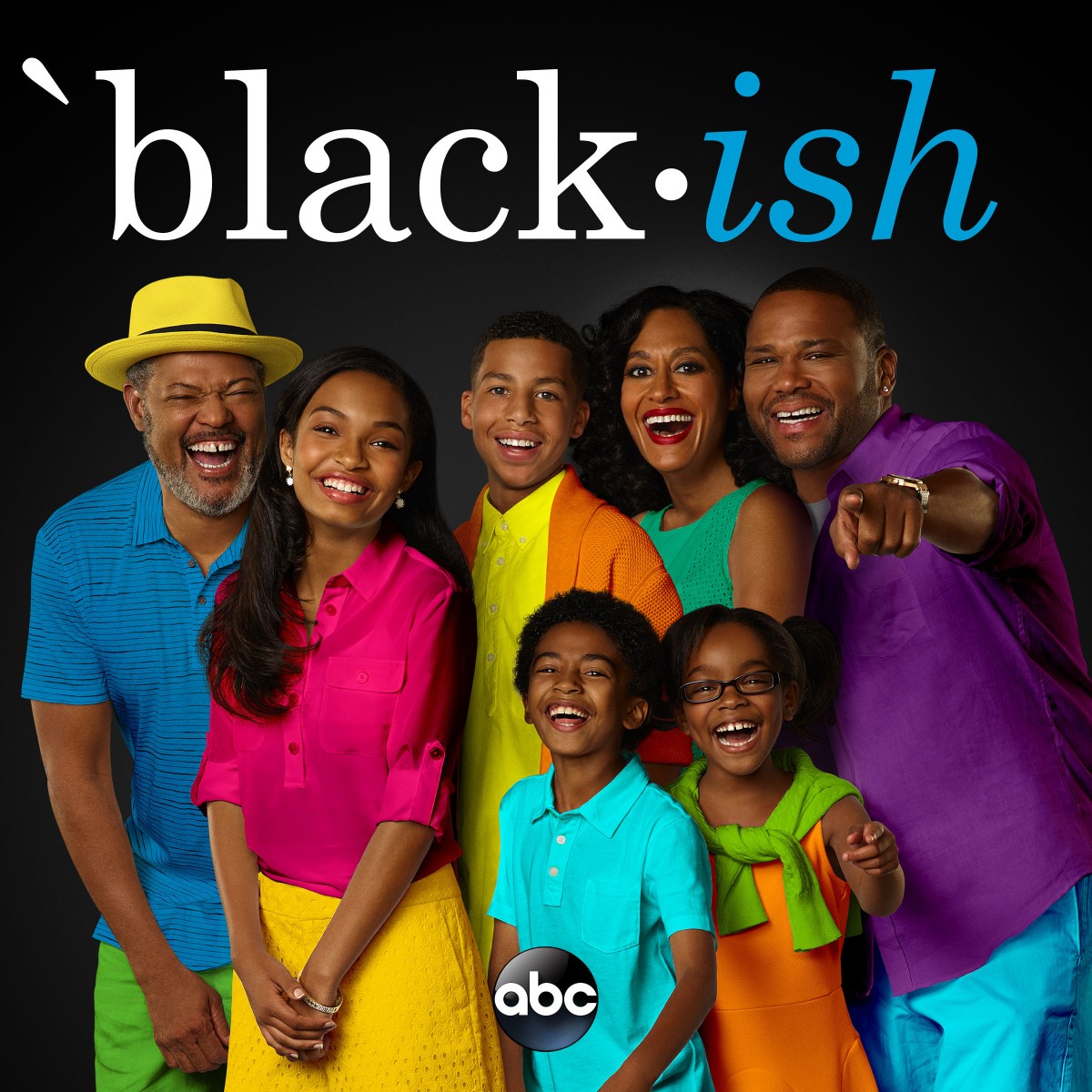 Black-ish: Some family sitcoms get old fast, but this one on ABC has stayed original, in part because it hasn’t been afraid to mix humor with brutal honesty. Some episodes are used to highlight issues of race, such as season 4’s musical Juneteenth, when father Dre protests a school play about Columbus that whitewashes history (The one-minute
 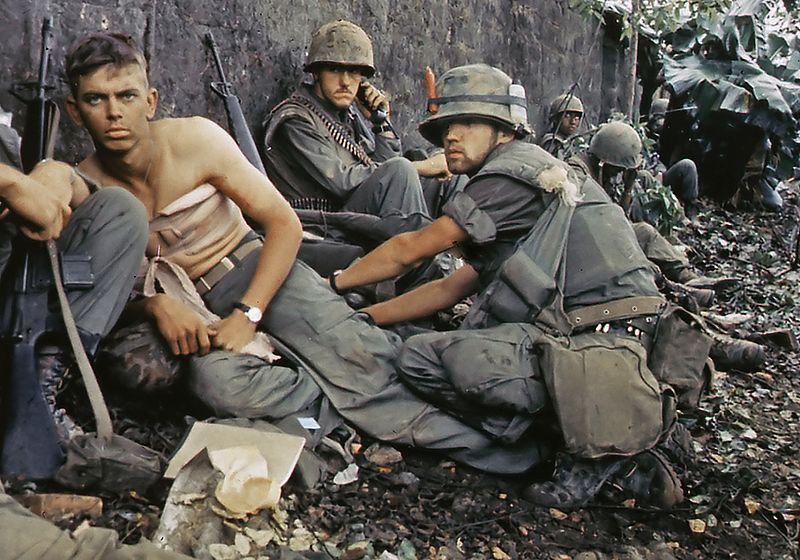 The Vietnam War: Ken Burns’ PBS documentary takes 17 hours to watch, but I think it should be required viewing for every American. I learned so much: the tragic French occupation of Vietnam whose mistakes our own forces repeated, the U.S. government’s lies and missteps that brought us into war, the physical and psychological toll the conflict inflicted on both sides, the violent and divisive protests at home. I recognized so many connections between then and now, as our deeply divided nation struggles over its identity and priorities.
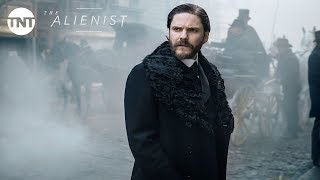 Alienist: This historical crime drama, which premiered on TNT in January, looks intriguing. A journalist, a prickly psychiatrist and a team of investigators work together to solve a series of murders in 1896 New York City. This unusual team pioneers true-life innovations in fingerprinting, forensic science and criminal profiling over a 10-episode series.
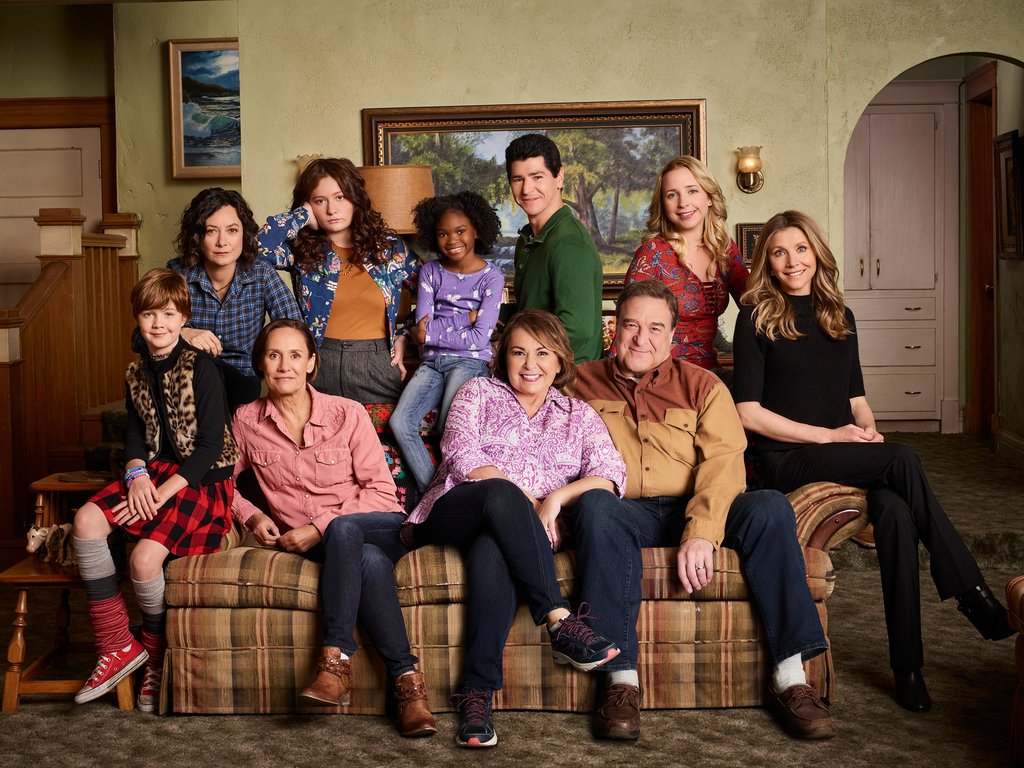 ’80s, I could best relate to the working class Conner family struggling to pay the bills and get along with each other. And while I’m getting tired of endless remakes and reboots and find many of them pointless, I will give this one a shot. I’m curious to see what the characters will be up to this far into the future and how they’ll be impacted by current events. This premieres on ABC in March.
 The Hawk