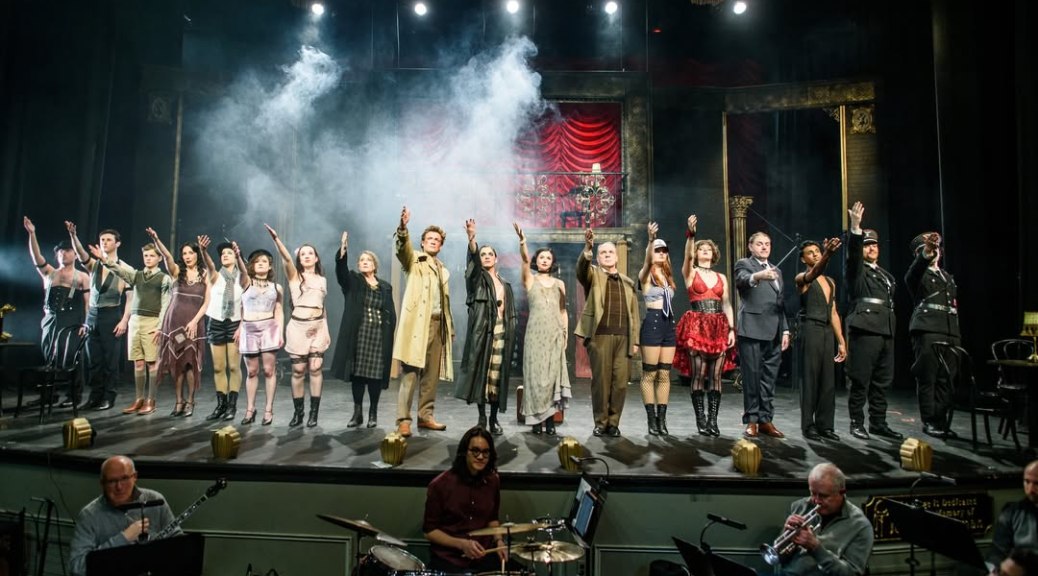
Recently, I had the absolute pleasure of experiencing The Company Theatre’s production of Cabaret. This iconic musical, which premiered on Broadway in November 1966, tells the story of American author Cliff Bradshaw, who visits a Berlin nightclub and falls for the vivacious English performer Sally Bowles. Set against the backdrop of 1930s Germany, the play also explores the lives of those around them—like Fraulein Schneider, a struggling landlady, and Herr Schultz, a Jewish man deeply in love with her. As fascism and the Nazi party rise, embodied chillingly by the deceptively charismatic Herr Ludwig, the characters’ lives unravel, forcing them apart. In the words of The Company Theatre, Cabaret is “a powerful music and dance-driven immersive experience that explores the intoxicating and turbulent life of Berlin under the emerging Third Reich.”
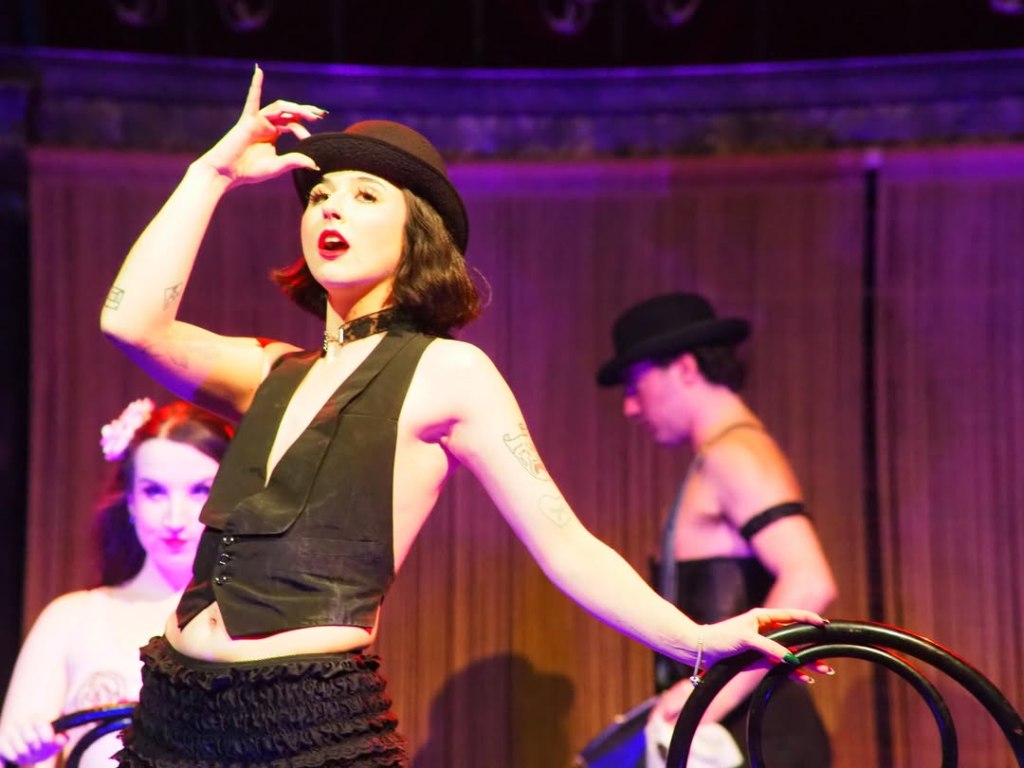
@Companytheatre on instagram — Haley Shaye as Sally Bowles
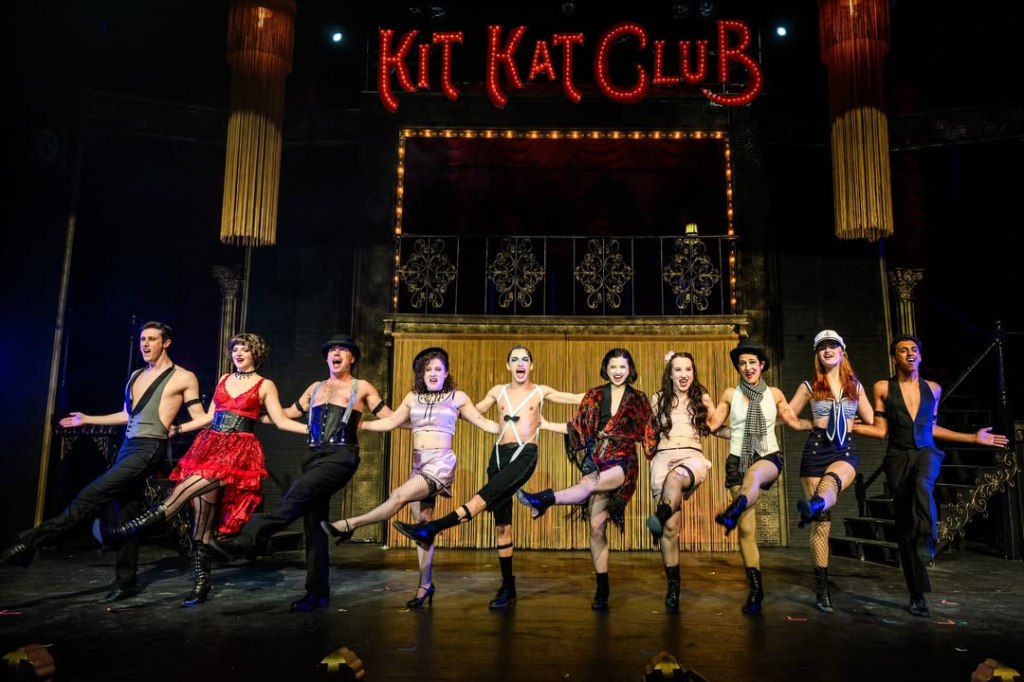
Throughout the performance, the audience is repeatedly drawn back to the Kit Kat Club, where Sally performs. Michael Tokar’s brilliant portrayal of the Emcee offers a darkly playful escape from the world’s troubles, inviting the audience to “Leave your troubles outside! So, life is disappointing? Forget it!”
Yet beneath the Emcee’s humor and innuendo lies a harsh reality. The first act bursts with love, laughter, and performative joy, but this façade shatters at Schultz and Schneider’s engagement party when Herr Ludwig reveals his Nazi allegiance. The haunting anthem “Tomorrow Belongs to Me” follows—a song crafted to mimic a traditional Nazi march. The brief intermission leaves the audience to grapple with this unsettling revelation before plunging them back into the seductive atmosphere of the Kit Kat Club.
@Companytheatre on instagram
The second act spirals into darkness. Schneider and Schultz’s engagement dissolves, and Cliff and Sally clash bitterly over politics. Ultimately, one line from Cliff lingered with me: when Sally dismisses the Nazi rise as “only politics” that doesn’t affect them, Cliff retorts, “Don’t you see? If you’re not against all this, you’re for it.” This confrontation ends their relationship, with Cliff leaving for Paris and Sally returning to the nightclub’s illusion. In her final number, Sally calls life “only a Cabaret”—a dazzling performance that distracts us from our harsh realities. Today, many remain too privileged to recognize that politics matter deeply and shape our lives. Ignoring them only traps us in the end.
In the end, Cabaret warns that immersing ourselves in distractions blinds us to the dangers unfolding around us. When reality finally crashes in, we risk being caught in a downward spiral toward ruin.
Every year around March 17, many people wear green, go to parades, and celebrate St. Patrick’s Day. But do they know what the holiday is really about? St. Patrick’s Day honors Saint Patrick, the patron saint of Ireland, who is known for spreading Christianity throughout the country in the 5th century. Over time, and with the migration of the Irish to America, the holiday has grown into a mix of history, culture, and fun traditions. Many of the symbols we associate with St. Patrick’s Day – like leprechauns, shamrocks, and pots of gold – actually have deeper meanings connected to Irish culture and stories.
One of the most well-known symbols of St. Patrick’s Day is the leprechaun, a small and mischievous fairy from Irish folklore. Leprechauns are usually recognized as tiny, old, bearded men dressed in green who enjoy playing tricks on people. According to legend, they are shoemakers who hide their gold at the end of the rainbow. If someone is able to catch a leprechuan, the creature is supposed to grant three wishes in exchange for its freedom. Even though leprechuans are not directly connected to Saint Patrick himself, they became part of the holiday because they come from traditional Irish stories.
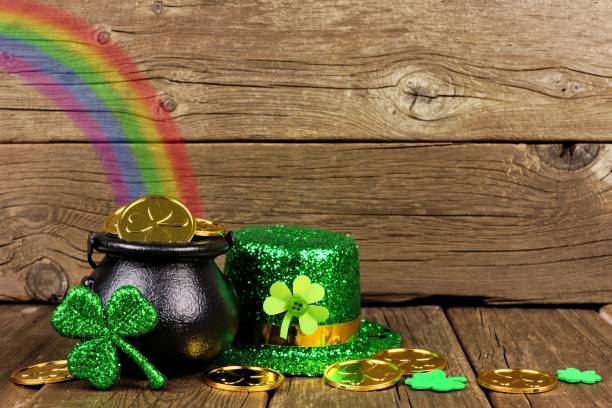
The idea of a pot of gold at the end of a rainbow also comes from Irish folklore. The legend says that leprechauns hide their gold in pots and keep it only at the end of the rainbow, which is nearly impossible to actually reach. This symbol of the pot of gold represents luck and the idea of chasing something valuable or magical, even if you may never reach it. Over time, the pot of gold became another fun and recognizable symbol of St. Patrick’s Day, even though it is more connected to folklore than the real history of Saint Patrick.
The shamrock is one of the most important symbols of St. Patrick’s Day because it connects directly to Saint Patrick. It is a small three leaf clover that, according to legend, Saint Patrick used to explain the idea of the Holy Trinity, which in Christian faith represents the Father, the Son, and the Holy Spirit. Because of this, the shamrock became a symbol of Irish identity and religion. Today, people throughout the world wear shamrocks or the color green on St. Patrick’s Day to show pride in Irish culture and take part in the tradition.
Overall, St. Patrick’s Day is more than just wearing green and going to annual parades. While the holiday started as a way to honor Saint Patrick, it has grown to include Irish traditions, myths, and symbols that make the holiday more fun and exciting today for people around the world. Understanding where these symbols come from helps us see that St. Patrick’s Day is not just about luck or leprechauns, but also about history, culture, and how traditions can change over time.
An estimated 3.7 million households viewed the series finale of Stranger Things within a week of its New Year’s Eve release. Another million people watched it in movie theaters, an epic event for a television show. As the conclusion of the Netflix series becomes one of the streaming service’s hottest creations, one thing is clear: the only thing more popular than watching it is debating it.
Within minutes of the finale’s end, social media lit up with reviews and rehashes from TV critics and fans alike. Some praised the episode for bringing the team back together for the final battle, choosing awesome music in key moments, and ending with the next generation of players around the Dungeons & Dragons table. Others, though, expressed disappointment with what they felt were plot holes and lazy writing in a show they had spent a decade of their life watching. It felt like a betrayal to fans already upset with the three-year wait between seasons four and five, and the drawn-out release of the series’ final eight episodes. Some viewers went so far as to speculate that the finale was really a mind trick by the villain, Vecna, and a hidden episode with a more satisfying ending would be released (there was not). The Duffer Brothers, who created the show, gave countless interviews trying to explain their choices, and Netflix released a two-hour “making of” documentary in an effort to appease fans (it did not).
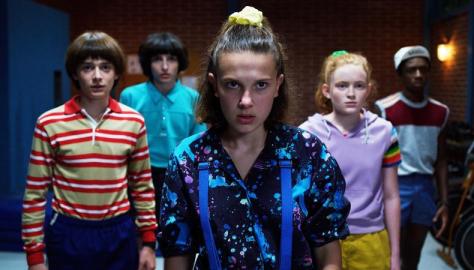
The stars of Stranger Things in season three
Since its 2016 premiere, I’ve loved the science fiction adventure show about a group of friends who discover a girl with special powers. Steeped in 1980s nostalgia, the show brought alive memories of my adolescence, and I felt the mythology was complex but not convoluted. Watching the cast grow up reminded me of the years I spent following the transformation of Harry Potter and friends from Sorcerer’s Stone to Deathly Hallows, something rare and special in entertainment.
After watching the finale, I was content with the ending. I was emotionally invested throughout the two hours, gasping – and then cheering – when Steve fell and was rescued, tearing up during Hopper’s heart to hearts with El, laughing at Murray and Robin’s one-liners, and ugly crying when Mike and El were forced to say goodbye. I liked the long epilogue which revealed that the characters we loved would be okay. I didn’t even mind the ambiguity around El’s fate; I was happy to believe. But as I started hearing the criticism, I felt some of it was valid. Where the demodogs when the gang fought Vecna in the abyss? Why was Vecna/Henry Creel’s backstory shortchanged for a play most fans wouldn’t have the chance to see? How did the gang get away with killing all those soldiers? And what was the deal with the terrible wig worn by Nancy in the epilogue?
I’ve watched several shows where a disappointing ending threatened to sour me on the whole series – Lost, the original Dexter (although the latest incarnation was a bit redemptive). But I don’t count Stranger Things among them. Maybe the creators were rushed, or got lazy, or tried to milk the series for too long. Maybe they could have made better choices for the final episodes. But TV for me is entertainment and escape, and despite any flaws, the Stranger Things finale provided that. It is a series I’ve rewatched several times in anticipation of new seasons, and can envision returning to in the future.
Even at Hanover High School, debate about the show raged for weeks after the finale. You couldn’t mention it and not get a passionate earful about what worked and what didn’t. Some longtime fans from our school community share their reactions below.
Season four fan-favorite Eddie Munson
Mr. Henderson, HHS English teacher (who dressed up as Eddie Munson last Halloween): “The ending was exactly what it needed to be. It was one that honored the ’80s nostalgia that it so carefully created, while also giving a compelling story. In the end, it was one that did something rare in a phone-in-hand watching environment: it made the viewer think. Do you believe? Do you not? There’s no simple answer, spelled out for viewers over and over. What’ll we remember? I think we’ll remember a few things. Friends don’t lie. Hellfire lives. Keep running up that hill. And, I don’t think we’re done with the world of Hawkins. Call it a suspicion that it could be . . . a never-ending story.”
Gianna Steber, freshman: “Before I watched the finale, I’d heard some of the criticisms and started feeling negatively about it. But then I loved it. I thought it was a very good ending that replayed what happened at the beginning and started a new chapter with Mike’s sister and her friends. I believe the rumor that the finale script wasn’t finished and the writers used AI, but It didn’t bother me.”
Jameson Bryan, senior: “I thought it was kind of disappointing. The kids spent years fighting Vecna and they killed him in like 10 minutes; that was a major letdown. Everyone was nervous about a big death, like Steve, but then the only one who died was Kali and that wasn’t much of a shock. I think Mike and El’s relationship was undeveloped; there could’ve been a better ending for them. The epilogue was too long; they could have made that 20 minutes and made the fight scene longer. I liked how, at the end, the show had a full-circle moment and ended with Holly and her friends as the little kids playing D&D. Despite these complaints, I thought season 5 was good overall and I still think the show was great. It was just one bad episode out of like 40.”
Mr. Wade, HHS music teacher: “I think with a show that big, that’s gone on for so long, it’s hard to close in a way that’s satisfying for everybody. But I personally enjoyed it. I loved Will’s storyline, and how the show came full circle by starting and ending in the basement.”
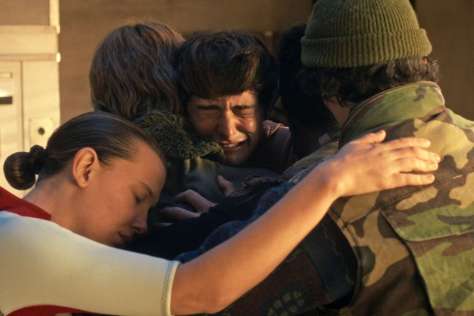
The friends embrace after Will comes out
Whether you liked the Stranger Things finale or not, there’s no ignoring that it was a phenomenon not often repeated: a pop culture event that brought millions of people together in anticipation and left most of them talking about it afterward. Fans can argue endlessly about whether the finale was good, but the fact that so many people cared is one undeniable measure of its success.
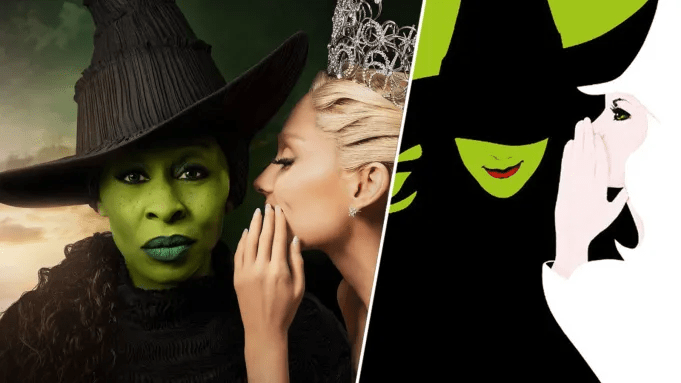
For more than two decades, Wicked has soared over Broadway as one of the most beloved musicals of all time. The $1.2 billion grossing musical, based on Gregory Maguire’s novel Wicked: The Life and Times of the Wicked Witch of the West, reimagines the land of Oz long before Dorothy’s farmhouse ever fell from the sky. Now, with Wicked making a leap from stage to screen in a two-part film adaptation, longtime fans and first-time viewers alike are noticing key differences between the Broadway production and the movies – differences that reflect both the demands and possibilities of cinema.
At its core, Wicked tells the story of an unlikely friendship between two young women at Shiz University: Elphaba, a brilliant but misunderstood green-skinned social outcast, and Glinda, a popular and ambitious socialite. As they go through university, they are pulled into the turmoil of Oz, and their paths diverge. Elphaba becomes known as the so-called “Wicked Witch of the West” while Glinda rises as a symbol of goodness. The story challenges the audience to question who gets labeled as wicked and why, emphasizing the themes of friendship, power, prejudice, and truth versus propaganda. The central plot remains intact in both the Broadway show and film versions. However, the way the story is told, and how deeply it is explored, changes significantly on screen.
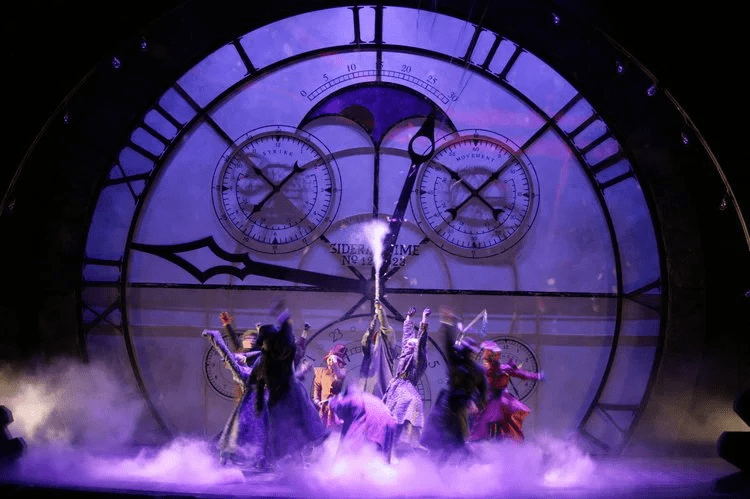
One of the most noticeable differences between the Broadway production and the movie is the scale of which it can be physically executed. The stage version relies on imaginative sets, lighting, and choreography to suggest the world of Oz, asking the audience to fill in parts with their imaginations. The films, in contrast, fully realize Oz through picturesque landscapes, cityscapes, and elaborate visual effects. Locations that are briefly suggested on stage, such as Shiz University or the Emerald City, are expanded into realistic environments in the movies, giving the story a more cinematic feel.
The Broadway musical runs just under three hours, including intermission. To avoid rushing the story, the film adaptation is split into two parts, Wicked and Wicked: For Good. This allows for the movie to spend more time developing characters and relationships. Elphaba’s isolation and moral awakening, for example, are explored with greater attention to detail, while Glinda’s transformation from self-centered student to public figure feels more gradual and complex. Secondary characters and political tensions also receive more attention and build up than they do on stage.
While the iconic songs such as “Defying Gravity” and “Popular” remain central, their presentations differ. On stage, these numbers are designed for live performances, often emphasizing big vocals and theatrical technique. In the movies, songs are more closely integrated into the narrative, sometimes feeling more realistic, with close-ups and quieter moments that are unable to be executed in a large theater. Additionally, the films make small but noticeable adjustments to dialogue and pacing to align with a movie audience, while the Broadway version maintains a faster rhythm driven by live performance energy.
Despite these differences, both versions of Wicked share the same story. Whether experienced under Broadway lights or on the big screen, the story asks the audience to reconsider the labels of good and evil. The movies do not replace stage production; instead, they reinterpret it, using film’s unique tools to deepen and broaden a story that has already proved its power.
The movie Sinners, directed and produced by Ryan Coogler, became an instant hit after its 2025 release. It won multiple awards, including four Critics Choice, two Golden Globes, and two Grammys. It has been nominated for a record-breaking 16 Oscars including Best Picture, Director and Actor. The movie blew up for its plot, ambition, and unique blend of horror with history.
Sinners is set in the 1930s in the state of Mississippi, focusing on twin brothers played by Michael B. Jordan who return to their hometown and open a ‘Juke Joint’ with the aim of providing music, happiness, and community to the segregated town. What begins as an opening night of celebration turns into a fight for survival as the supernatural descends on the scene, and the movie dives into the themes of community, cultural identity and resilience.
The movie had the audience speculating about its true meaning, with different opinions surfacing on the Internet. Some viewers thought it was a spooky interpretation of how people of color survived under the Jim Crow laws; others thought it was a play on greed and the hunger for power. I think these are true, but I especially think this movie really matters because it reflects on Black history. This movie is an outline of what we should think about during Black History Month in February.
Celebrated since 1926, Black History Month is a chance to remember the history of people of color in the United States and their contributions to building our country despite oppression and racism. It is also a month to mourn those who were lost in the fight for equality, from the days of slavery to modern times.
Sinners shows scenes of people of color in their everyday lives, working mostly as sharecroppers, formerly enslaved Black farmers working the land for a share of what they grew, and often staying trapped in cycles of debt. Despite the end of slavery 60 years earlier, it was very hard to be free as a Black person at this time. The movie shows a time when laws aimed to restrict Black Americans’ freedom, known as Jim Crow laws, enforced racial segregation and kept Black communities apart from white society in nearly every part of daily life. It was a system that was totally unfair and made to keep Blacks from success.
The ‘Juke Joint’ is an important part in the movie. It represents more than just having fun, because it was a place where blues music – a genre created by Black Americans – allowed them to express their pain, hope, and struggle. In the Joint, they could share their stories and keep their culture alive. Through music and celebration, the ‘Juke Joint’ became a unique space where they could be their true selves and feel a sense of freedom, even if it was only for a night.
Another part of the movie that reflects history was the tension between Stack and a white woman named Mary. In the movie, there was an important scene where they were together, and Mary finally opened up to Stack that she never wanted to be married to a white man, and how she wanted to be with Stack. “I didn’t want no white man, I didn’t wanna be white, I wanted to be with you,” she said. This scene especially shows how hard it was for whites and Blacks to connect without judgement, and even harder to fall in love while you were different races.
Sinners connects past to present, and films like these definitely matter during Black History Month. It’s more than a horror film; it’s a reminder of what real people endured during the 1930s. Were the movie’s real villains the vampires that attacked the ‘Juke Joint’ or the injustices set by mostly white Americans to uphold their image while destroying lives of innocent people? These are things to remember not only during the month of February, but for everyday life.
There are so many beautiful places to visit this time of year, especially during Valentine’s Season! Here are five places you can take your sweetheart or crush to experience a memorable February 14th.
Ice Skating at Frog Pond – Since it is still pretty cold this time of year, this would be the perfect outing to enjoy with your significant other! Located in Boston Common, Frog Pond provides a romantic atmosphere in the heart of the city, as well entertainment such as artists, musicians and dancers surrounding the area. In addition, there are plenty of food trucks and stands to visit when you get hungry. Cost of admission is based on height, with those over 58 inches tall asked to pay $12; skate rentals are available too.
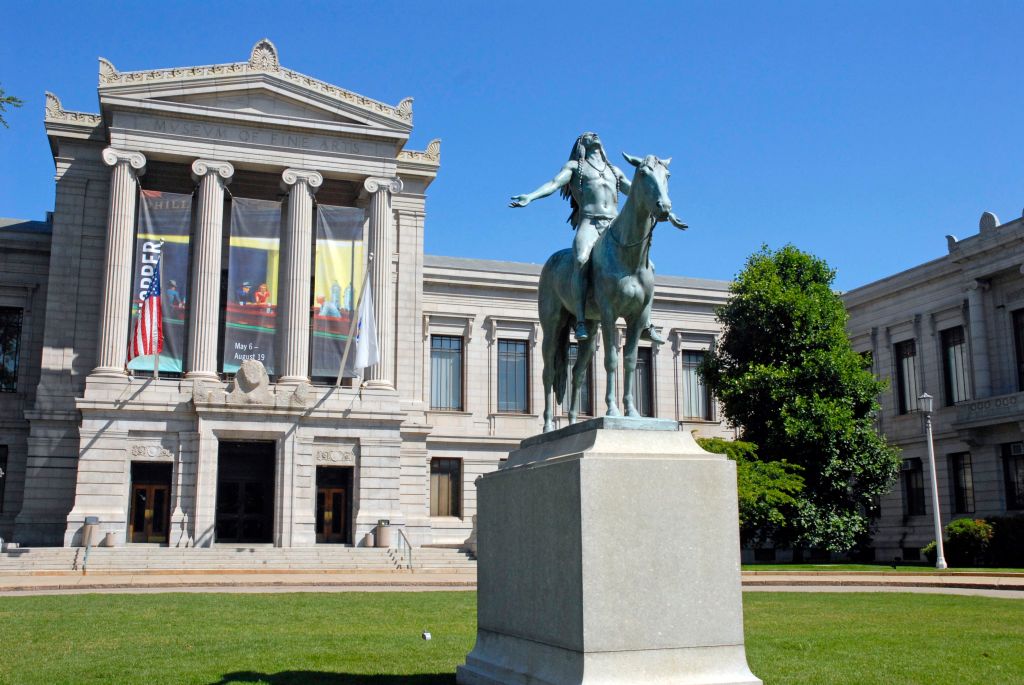
Museum of Fine Arts – For a chance to warm up, the museum caters to couples with a multitude of different events including specially curated tours showcasing the romantic backstories of works of art. On Valentine’s Day, the museum hosts live musical performances as well. Tickets for students up to age 17 are $14.
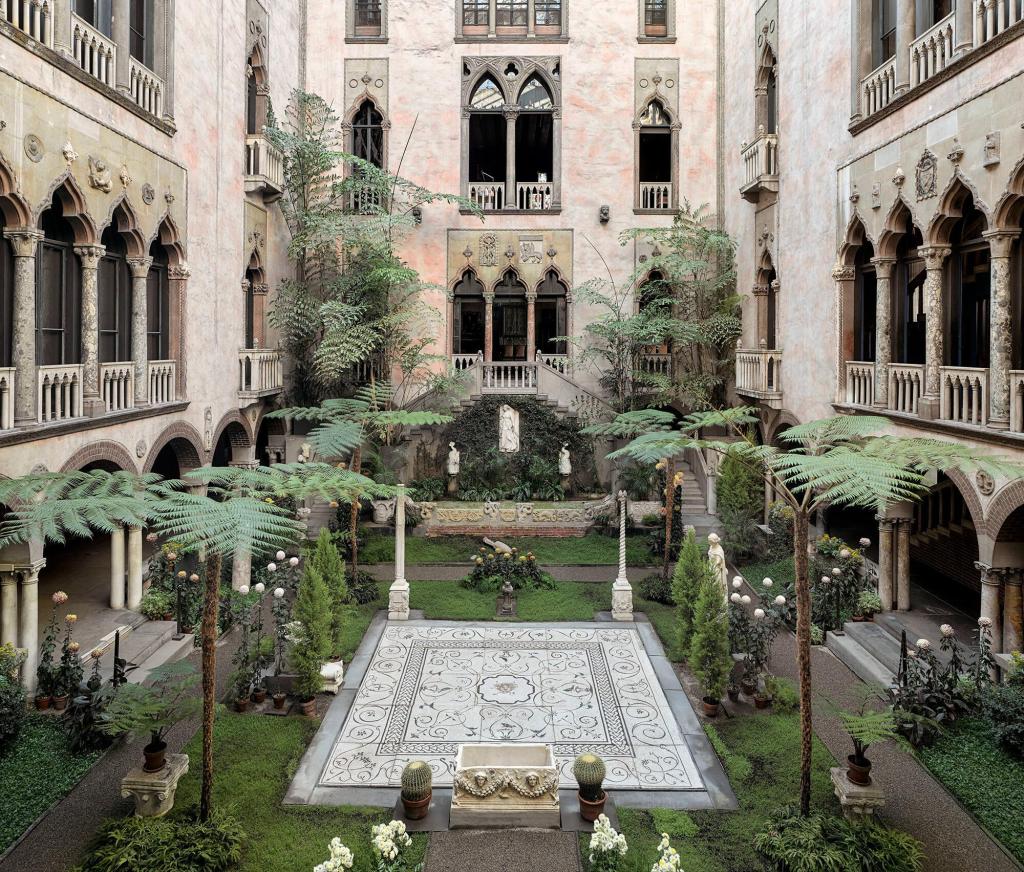
Isabella Stewart Gardner Museum – During this special season, take a stroll through the Renaissance and Medieval-inspired museum which features beautiful old paintings, murals and pottery. Then head to the courtyard’s Venetian-inspired gardens filled with statues capturing a romantic, picturesque environment. An added bonus: visitors under 17 are free.
Charles River Esplanade – Bundle up for a scenic walk along Boston’s signature river. Stretching for three miles of riverfront, the Esplanade includes 64 acres of green space, incredible views and the ability to access several Boston neighborhoods. Enjoy the beauty of nature right in the city, and then cross one of the park’s eight bridges over Storrow Drive in search of hot cocoa.
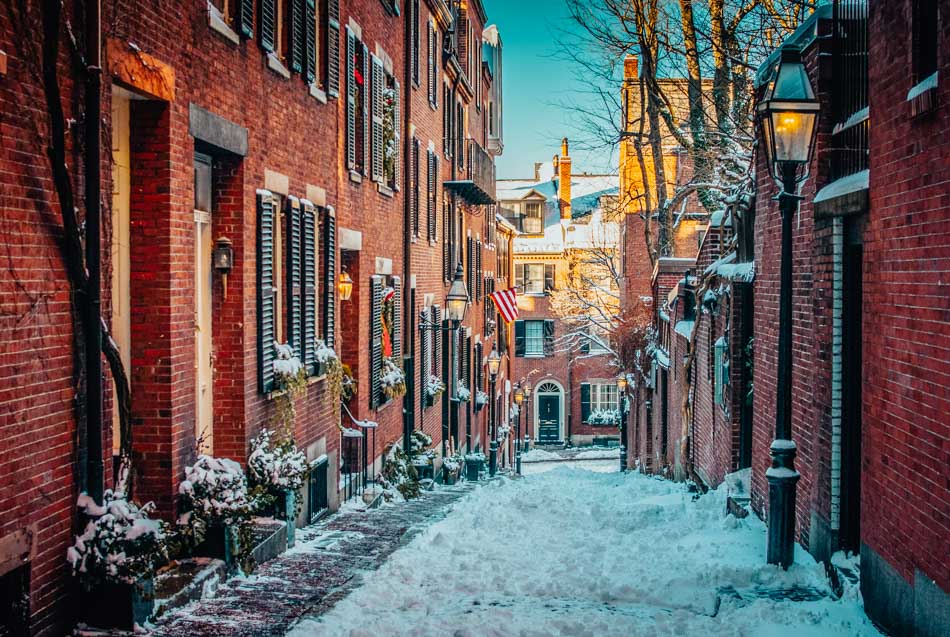
Beacon Hill and Acorn Street – Walking through these areas gives a sense of peace and serenity to the often busy and hectic streets of the city. Here, you can walk across cobblestone streets, see magnificent brownstone mansions, and view the quaint and picturesque scenes that scream New England! There are numerous stores and restaurants in the area where you can warm up and buy something special for your special someone.
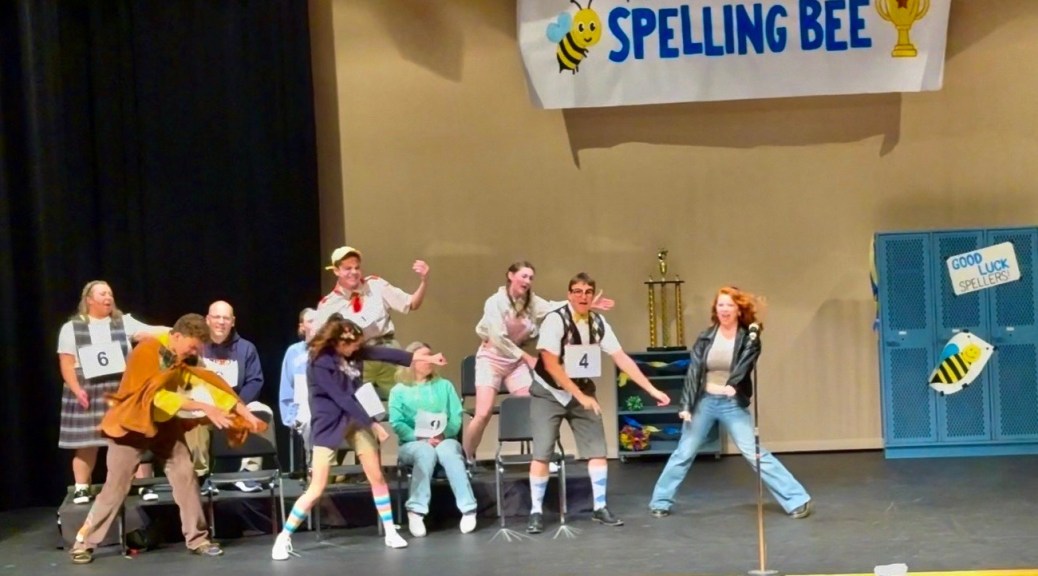
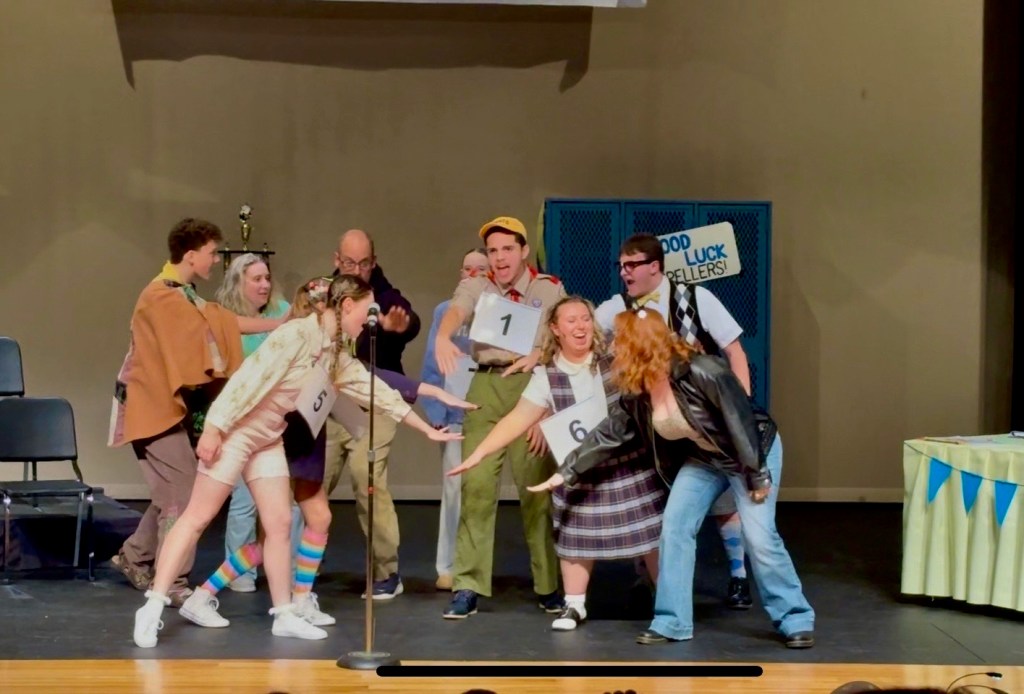
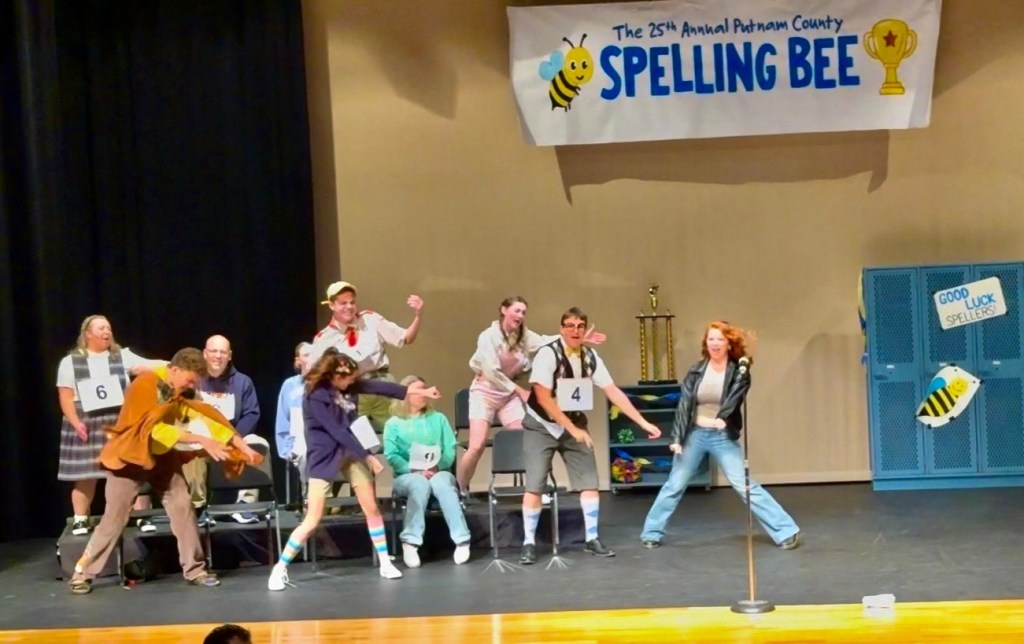
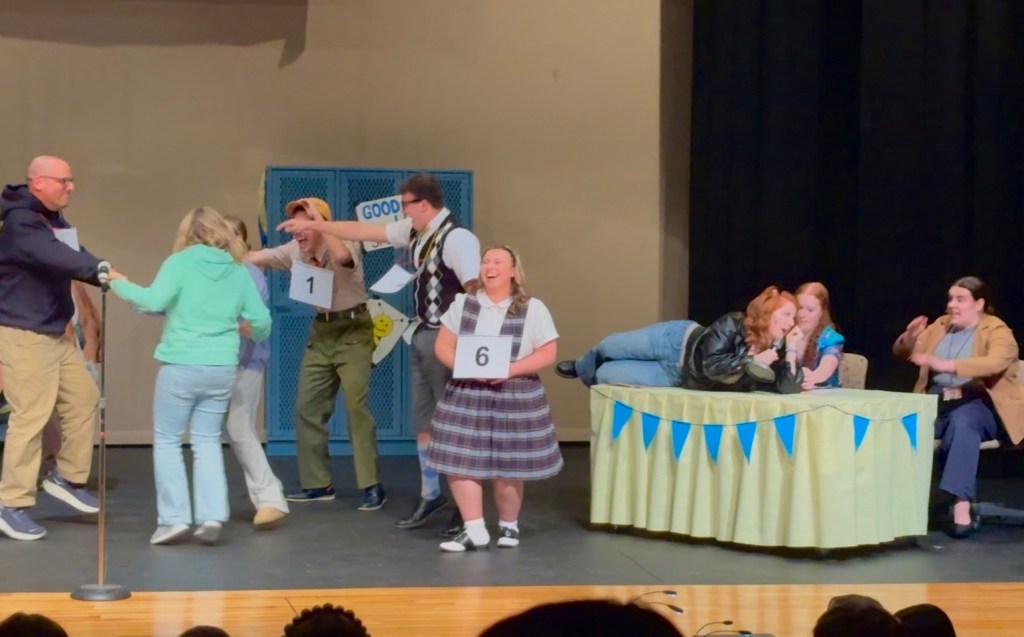
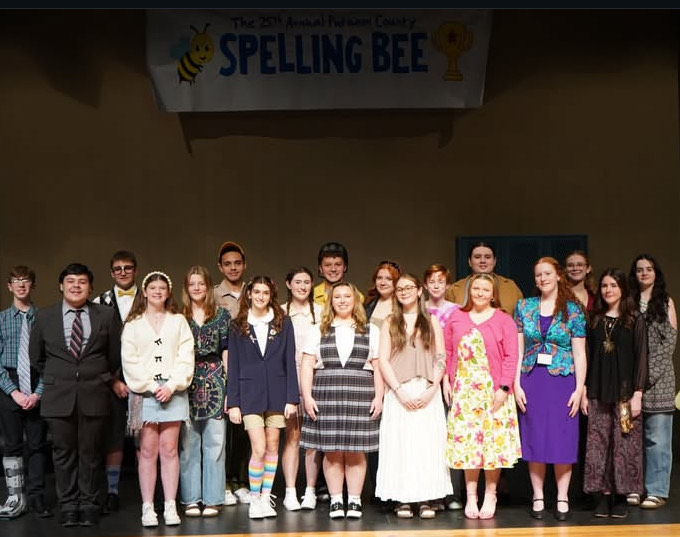
Hanover High School’s 2025 musical production was a huge hit! Rehearsed during the fall, and performed three nights before Thanksgiving, The 25th Annual Putnam County Spelling Bee starred 19 Hanover High School students, with help from many more in the crew and the musical pit (cast, crew and pit lists in photo gallery below).
This musical, as its name suggests, is a comedic and highly dramatized take on an average school county spelling bee. Premiering on Broadway in 2005, it follows six children, each with different quirks and backstories, and three adults throughout the duration of the Bee. While there are several things that make this show unique, even in the world of musical theatre, one notable difference is its use of timing and setting. While many musicals have stories that span days or longer in just one show, The 25th Annual Putnam County Spelling Bee seems to happen in real time. There are no time skips, set changes, or aging characters. The musical lasts just under two hours, and so does the spelling bee it depicts. This, along with the remarkable level of audience interactivity and cast improvisation, allow audience members to feel especially present when attending the musical.
In addition, and perhaps most uniquely, the show is always changing, and even includes volunteers who are participating the the Bee in real time. Every single production of The 25th Annual Putnam County Spelling Bee will vary greatly, even those preformed by the same cast and crew from night to night. This is because the show relies heavily on both the actors’ improvisation and audience volunteers. At the beginning of each performance, four volunteers are called up to the stage from the audience. They, in many cases, have no formal acting experience whatsoever. These volunteers are welcomed to the stage, then treated like every other “contestant” (actor) in the Bee. As the show goes on, the characters, along with the audience volunteers, are given words to spell in front of the crowd. Improvisation is utilized by the onstage actors when the volunteers are called up to spell a word, and to determine their reaction depending on if the word is spelled correctly or not.
As a member of the cast for the HHS production, this show was a one-of-a-kind experience. Seeing the musical come together for opening night, and be received so well by each of our audiences, was such a treat. The 25th Annual Putnam County Spelling Bee is a hilarious yet touching show that incorporates elements I had not previously seen in a musical. Being a part or this production and connecting with the amazing cast, crew, and pit members, is an experience I will never forget.
Maverick Langill, who has worked behind the scenes of many HHS shows and was part of this crew, shared a similar sentiment. “Even though at times it was stressful, it was an amazing show to be part of. I would work crew for this show every year if I could.”
Click on the images below to enlarge.
Mr Hutchison and Ms Doyle were among the audience participants pulled into the showThe cast poses after dress rehearsal
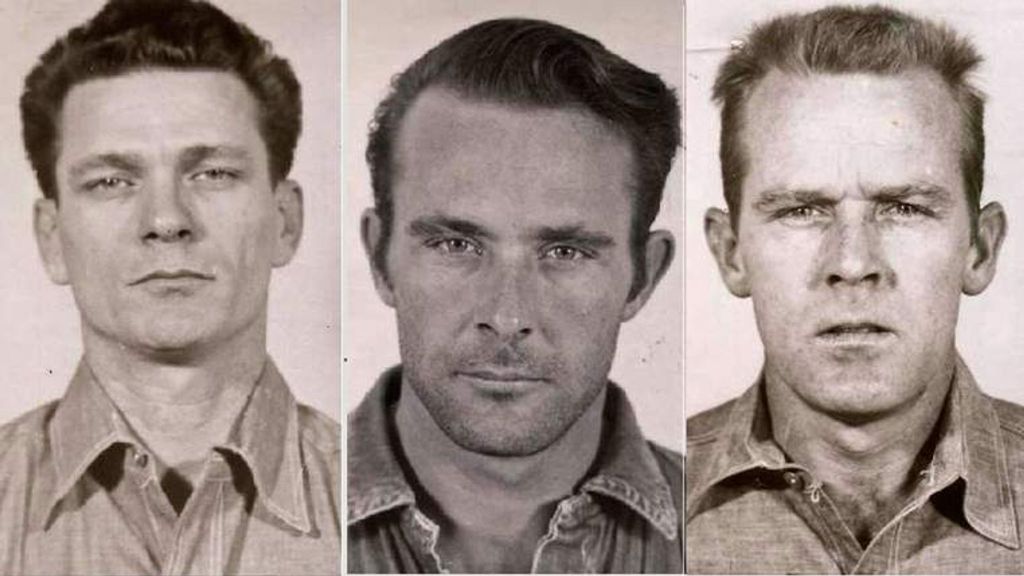
I’m sure you have heard of Alcatraz, aka “The Rock;” a prison where the worst of the worst were sent; a prison located on an island in the middle of the fast-moving, freezing-cold San Francisco Bay; a prison that was made to be inescapable. Well, maybe inescapable is the wrong word. One night on June 11, 1962, brilliant mastermind Frank Morris and brothers John and Clarence Anglin were able to do the impossible: escape Alcatraz. But how did they do it? And what happened after they did?
Background
First built as a fortress and military prison in the 1850s, Alcatraz became a federal maximum-security prison in 1934. The 22-acre island prison housed notorious criminals like gangster Al Capone before closing in 1963 because it was too expensive to maintain. The surrounding saltwater was corrosive to the prison’s concrete walls. While open, it was the site of more than a dozen unsuccessful escape attempts, with most prisoners stymied by the remote location about 1.5 miles from the closest land.
Morris, born on September 1, 1926, arrived at Alcatraz in January of 1960. He was sent there for a 14-year sentence after being convicted of bank robbery. Prior to his time at Alcatraz, Morris was able to escape multiple other prisons as he was highly intelligent and very resourceful. Shortly after Morris’ arrival, John Anglin was transferred to Alcatraz. Born on May 2, 1930, Morris was serving a 35-year sentence for bank robbery. A few months later, in January of 1961, John Anglin’s brother, Clarence, joined them. Born May 11, 1931, Clarence Anglin faced a 15-year sentence for bank robbery and multiple prison escape attempts. There was another prisoner, Allen West, born March 25, 1929, who was involved in the escape, but his attempt was unsuccessful. The four men all knew each other from other prisons. They were conveniently in adjoining cells and could communicate regularly and plan their escape.
Frank Morris, Clarence Anglin, John Anglin
The Preparation
So exactly how did they escape their cells? Well, each prison cell had a small vent at the bottom of the back wall. The men came up with the idea to pry out the vent, and widen the preexisting hole, as the normal hole was way too small for any of them to fit through. At night, the gang used modified spoons and a homemade drill made from a vacuum cleaner motor to slowly chisel away at the wall around the hole. As you can imagine, they didn’t want anyone to notice what they were doing or hear their digging. Morris came up with an idea. Every night from 5:30 to 7, the prisoners had music hour, so during this time one of the men would loudly play an accordion to cover up the noise. Another man would keep watch to make sure that no guards noticed anything. This indeed worked and after several months each man had successfully carved out a big enough hole for him to climb through.
Due to the routine room inspections done on the prisoners’ cells, the gang needed a way to cover up the holes they were making. They stole paint from the art room and used cardboard, soap and notebook covers to make a fake wall that perfectly matched the vents they carved out. The result was brilliant, and the guards never suspected a thing.
The fake wall used to cover the hole behind the vent
On the other side of the vent, within the prison wall, was a very small corridor where there were numerous pipes. The pipes acted as ladders for the men to climb up and led to an area above the cells. This is where the men planned on doing all of their work to escape and store their materials. The only problem was the entire front half of the area had cell bars on it, making it visible to any guard. So what would they do? Well, Morris only knew about this spot because he had a job painting the ceilings and sweeping the floors there. He was able to maneuver a plan to cover the bars with blankets in order to hide their work. Morris came up with the clever idea that every time he would sweep there, he would sweep some of the dust out the cell bars and onto the guards’ polished hallway below. When the guards started complaining of the mess, he suggested the solution to cover the bars with blankets so the dust couldn’t fall through. Morris did this job as slowly as possible so the guards would keep the blankets up there until the day the gang could finally escape. Every time the men would climb up, they would have to make as little noise as possible, as any tiny noise would echo throughout the entire cell block, alarming the guards. But the men were very skilled and did not make any loud noises, and the guards never caught them.
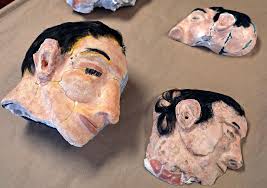
Every night, a guard would walk the cell block hall to check in each cell to make sure nobody was out of bed. If a guard walked past the cells of Morris, West, and the Anglin brothers and saw that they weren’t there, an alarm would be triggered and a search would begin. That is where possibly the most genius part of this whole escape comes into play. The four men crafted fake heads using a combination of soap, toilet paper, concrete dust, toothpaste and paint, again stolen from the art room, to make highly realistic heads that matched their own. They would put the fake heads in their beds and make it appear that the men were sleeping. For the hair of the heads, they used real human hair. One of the Anglin brothers had a job at the prison barber shop and would secretly collect the fallen hair to put on the fake heads. The heads took months of hard work, and the result was astonishing.
The fake heads created to fool guards doing cell checks.
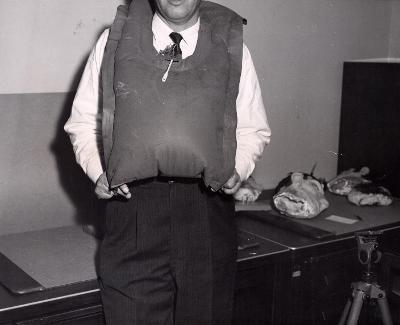
Finally, the men had to find a way to overcome the hardest part of their escape, traveling across the fast-moving, freezing-cold San Francisco Bay. Now you know that Morris was highly intelligent, so he researched sea survival books from the prison library. Morris looked into how life vests were made, and he came up with the idea to steal multiple rain coats, and glue them together to create life vests and a raft. The men ended up stealing over 50 rain coats and glued them together using waterproof glue that indeed made life vests and a raft! But they needed a way to inflate them. Remember the accordion from earlier? They modified it, transforming it into a homemade pump. As the final detail, the men built simple paddles using plywood and screws.
One of the life vests made from stolen rain coats
The Escape
The day had finally come for the four men to escape, June 11, 1962. But the men did not just pick any random day. You see, the San Francisco Bay current was highly unpredictable and would not just take the men to shore every day. If they weren’t careful, the current could bring the men anywhere in the ocean. But Frank Morris knew this. He again used the books in the library to study the current and figure out the perfect day that the current would bring them directly to shore, and that day, he figured out, was June 11. But it would still be challenging.
So the night had come, the guards had called “lights out” and it was the time for the men to escape. Each man took out their fake head and positioned it in their bed to make it appear that they were asleep. Then they took out their fake vent to escape their cell. Remember earlier how I said Allen West was unable to escape? Well, this was because on the night of the escape, his vent got stuck and when he couldn’t remove it, Morris and the Anglin brothers left him behind. The three men climbed up to the platform where they had been storing their materials and picked up their raft, life vests, and paddles. The men climbed to the roof of Alcatraz and scaled the prison walls, perfectly navigating them in a way that no guard towers would be able to spot them (Morris had been studying the outside of the prison for weeks to figure out the perfect route). Next, they climbed down the rocky island to the cold bay, put on their life vests, and then climbed into the raft and rowed away. They were finally free.
The Outcome
What happened next is unknown. Officials back then speculated that the three men drowned in the bay, but no bodies were ever found. The FBI eventually talked to West about the plan and he gave extensive information, getting time off his sentence for cooperating, but the information was not enough to figure out if the three men made it to shore. There were reported sightings of the men in the years after, and rumors they made it to South America, but none of that was ever confirmed. So what do you think? Do you think they drowned in the bay or froze to death? Or do you believe they made it to freedom? If anyone were to successfully complete an escape from The Impenetrable Rock, it would definitely be the Anglin brothers, and the brilliant mastermind, Frank Morris.
Christmas—the holiday of evergreen trees, gift giving, Santa Claus, and carols—is a celebration that captures both the beauty of winter and the joy of being with the ones you love. Celebrated around the world, from countries ranging from the United States to Germany, Christmas traditions are truly a hallmark of the winter season. But where did these beloved holiday traditions come from? And why do we still celebrate them today?
The origins of Christmas are intertwined with various religious and cultural traditions from around the world. In the Christian faith, Christmas is the celebration of the birth of Jesus and his bringing of salvation, hope, and love to earth. Christmas also coincides with the winter solstice and incorporates pre-Christian traditions, some that date back as far as two millennia.
December 25th aligns closely with earlier pagan holidays, particularly the Roman celebration of Saturnalia, which likely influenced the development of many Christmas traditions that are still celebrated today. Saturnalia, observed between December 17th and 24th, was a celebration of the winter solstice practiced by the pagans (polytheistic Romans) to honor the sun god, Saturn. Romans believed that the cold season was a sign that the sun had grown ill and weak, and that the lengthening of daylight that began after the winter solstice symbolized its gradual recovery and eventual return of springtime. During this Roman festival, all social hierarchies were overturned and the pagans throughout Ancient Rome came together to celebrate the winter solstice. This celebration was characterized by feasting and gift-giving, customs that strongly resemble modern Christmas traditions. The gifts exchanged and the foods shared symbolized hope for a prosperous spring harvest in the coming year.
A typical Saturnalia feast celebrated with food, drinks, games, and conversation.
Another festival that inspired the modern Christmas traditions was Yule. Yule was a celebration of the winter solstice and renewal of light, similar to the pagan festival of Saturnalia. This 12-day celebration is believed to be one of the oldest winter solstice festivals in history with origins tracing back to the Norse and German people of northern Europe. One of the hallmarks of this festival was the burning of the Yule log, a celebration that is still popular in Europe today, although in a different form. The original Yule log was an entire tree trunk that was burned for 12 days to welcome the return of the sun and the rebirth of light. The burning of the log was believed to symbolize the cleansing of the old year’s hardships and good fortune for the spring ahead. Today, in France and other countries in Europe, it is a common practice to bake a roulade-style cake decorated with berries and holly to look like an ancient Yule log.
The burning of the ancient Yule Log during the twelve-day Yule celebration.
Christmas Traditions
Today we celebrate Christmas by decorating Christmas trees, writing letters to Santa, singing carols, and decorating our homes with mistletoe and holly, traditions reminesent of those practiced by people many centuries ago.
Christmas Trees
Pagans were the first to use evergreen trees and plants to decorate their homes and brighten spirits during the winter solstice. Evergreen was believed to represent fertility and a new life amidst the darkness of winter. Decorating their doors and windows with evergreen boughs reminded the Romans of the green plants that would grow again when summer returned and the sun regained its strength. The Ancient Egyptians also filled their homes with green palms and papyrus reeds during their mild winter season to symbolize the triumph of life over death.
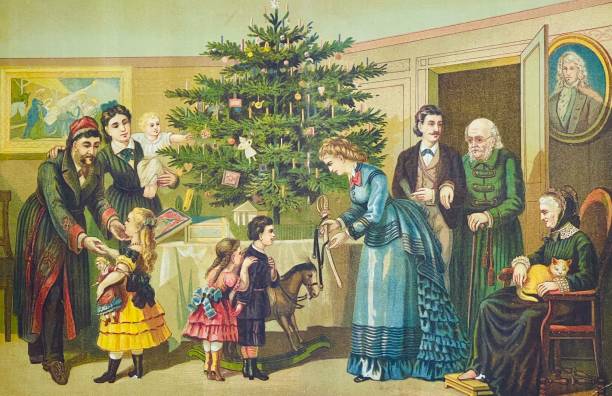
The modern decorated Christmas tree began as a German tradition and was first brought into the home during the 16th century. The Germans, Romans, and Celts brought greenery indoors during the winter to encourage the return of the sun during the dark winter months. This practice was spread across the Atlantic Ocean and brought to the Americas during the 18th century by German soldiers during the Revolutionary War.
It is widely believed that the 16th-century Protestant reformer, Martin Luther, was the first to add lighted candles to a tree. Stories suggest that while walking home one winter evening, Luther was amazed by the sight of the stars twinkling among the evergreen trees. To replicate the scene for his family, Luther brought a tree into his house and decorated its branches with lighted candles.
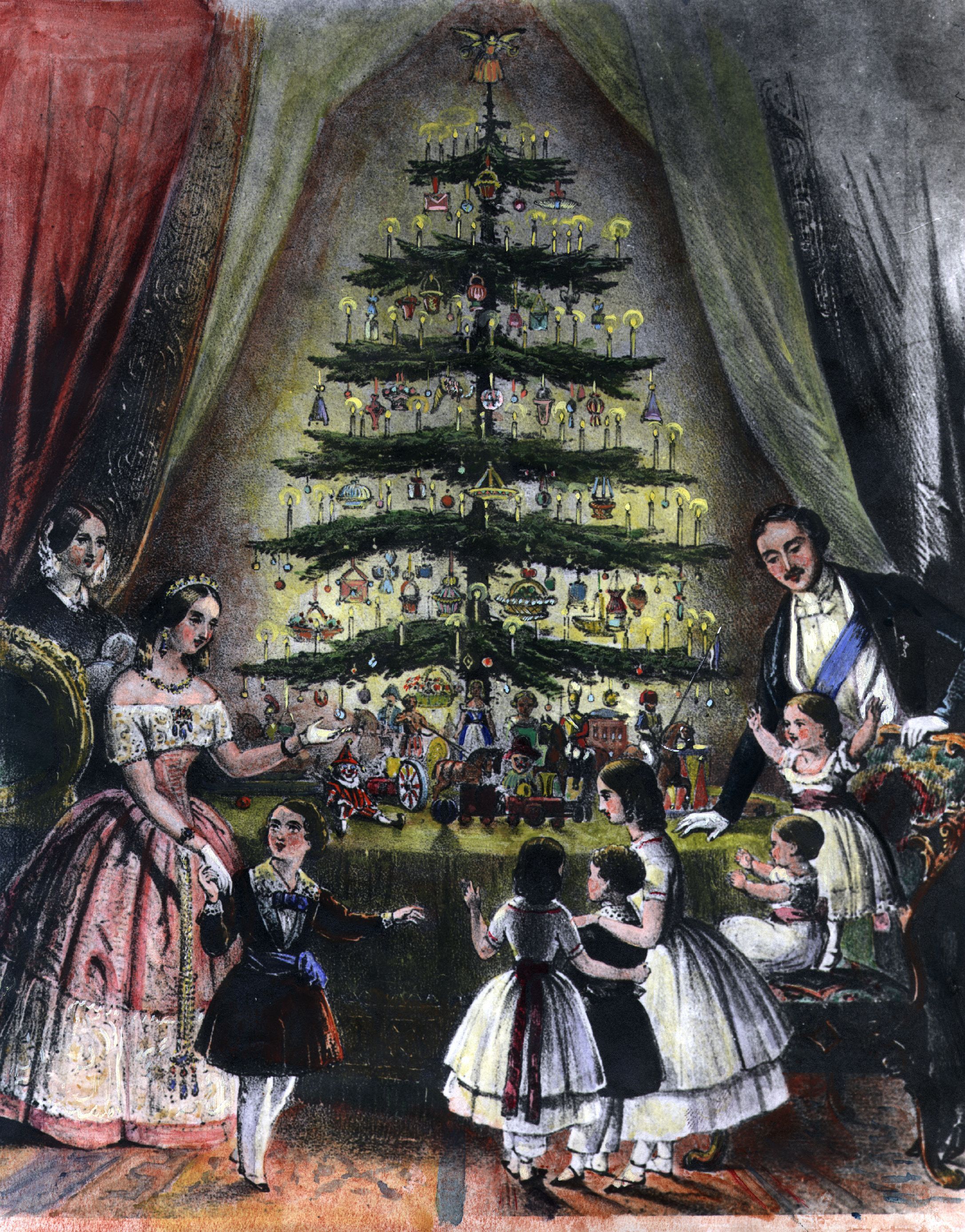
The modern decorated Christmas tree and the popularity of this tradition has been linked to a 19th century illustration of Queen Victoria and the British royal family standing with their Christmas tree during the winter season. This image, sketched in the Illustrated London, significantly boosted the popularity of the Christmas tree and led to the further spread of the tradition.
1848 illustration of Queen Victoria and German Prince, Albert, standing with their family around a decorated Christmas tree.
The Legend of Santa Claus
It would be hard to imagine Christmas without Santa Claus. During the winter season, the image of Santa Claus can be seen almost anywhere, from Coca-Cola bottles, to real-life experiences where children can meet Santa and tell him their Christmas wishes.
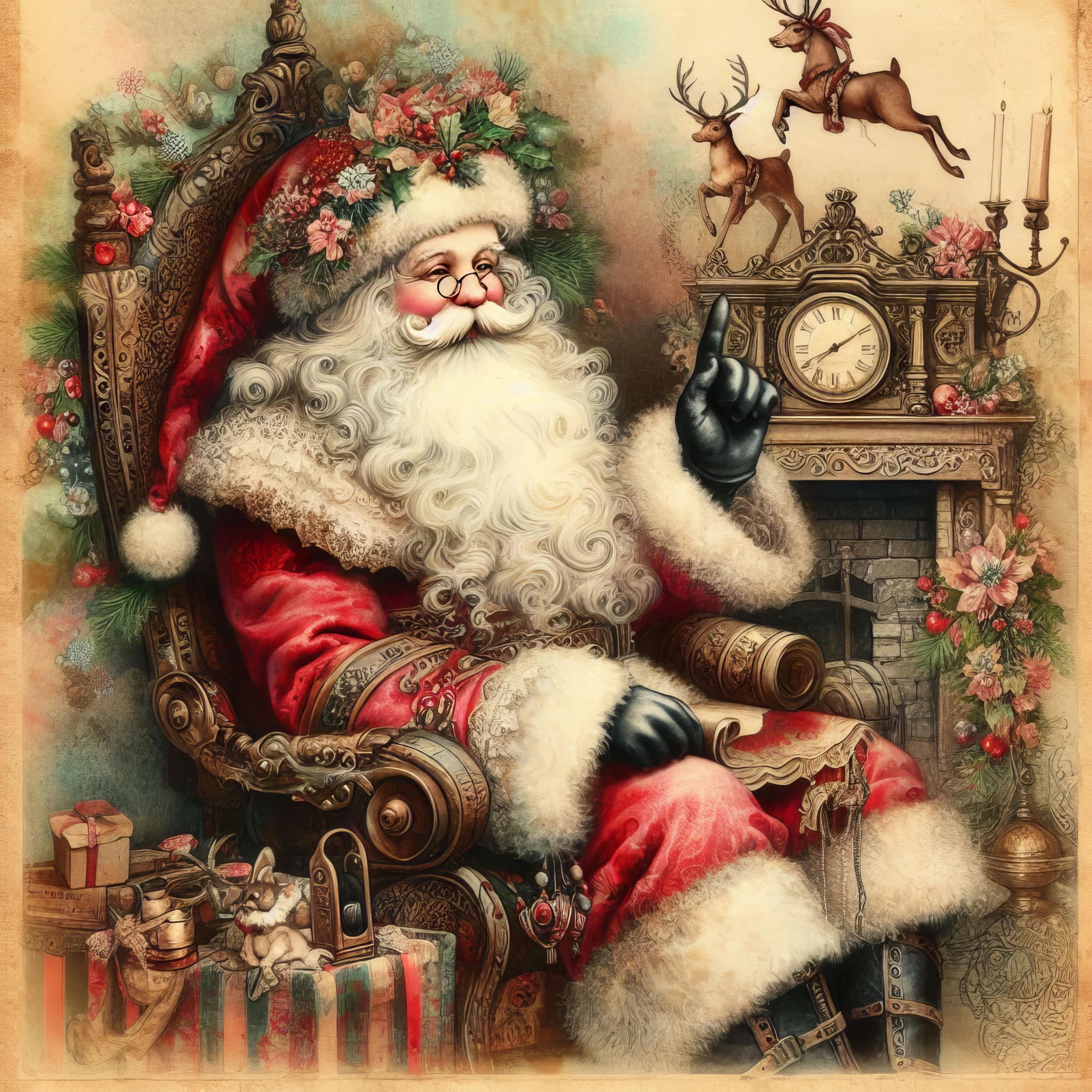
Today, Santa Claus is thought of as the jolly old man in a red suit with a white beard who brings toys to all the good children on Christmas Eve. However, the story of Santa Claus can be traced back hundreds of years to a monk named St. Nicholas, known for his generosity and gift-giving. During the 4th Century in modern-day Turkey, St. Nicholas dedicated his life to helping the poor and the sick, giving away all his inherited wealth to those in need. Over the course of many years, St. Nicholas became recognized as the most popular saint in Europe and known worldwide as the protector of children. Today, St. Nicholas is celebrated with a feast on December 6th, the anniversary of his death.
Common depiction of the modern Santa Claus.
Mistletoe & Holly
Decorating with mistletoe and holly is a well-known holiday tradition, but did you know that these plants’ history dates back hundreds of years?
Holly was a sacred plant for the pagans as they associated it with Saturn, the god of the sun and agriculture. During Saturnalia, the pagans would exchange wreaths made from holly for good luck. Over time, the practice of decorating with holly became a tradition, and even today homes around the world are often seen decked out with greenery during the Christmas season.
Have you ever wondered where the tradition of kissing under the mistletoe stemmed from?
There are many theories to the origin of this holiday tradition. The ancient Greeks and Romans believed mistletoe to have healing powers, curing everything from ailments such as epilepsy to poisoning. The Greeks and Romans also used mistletoe as a symbol of peace, reconciling with their enemies under it to symbolize to the end of warfare.
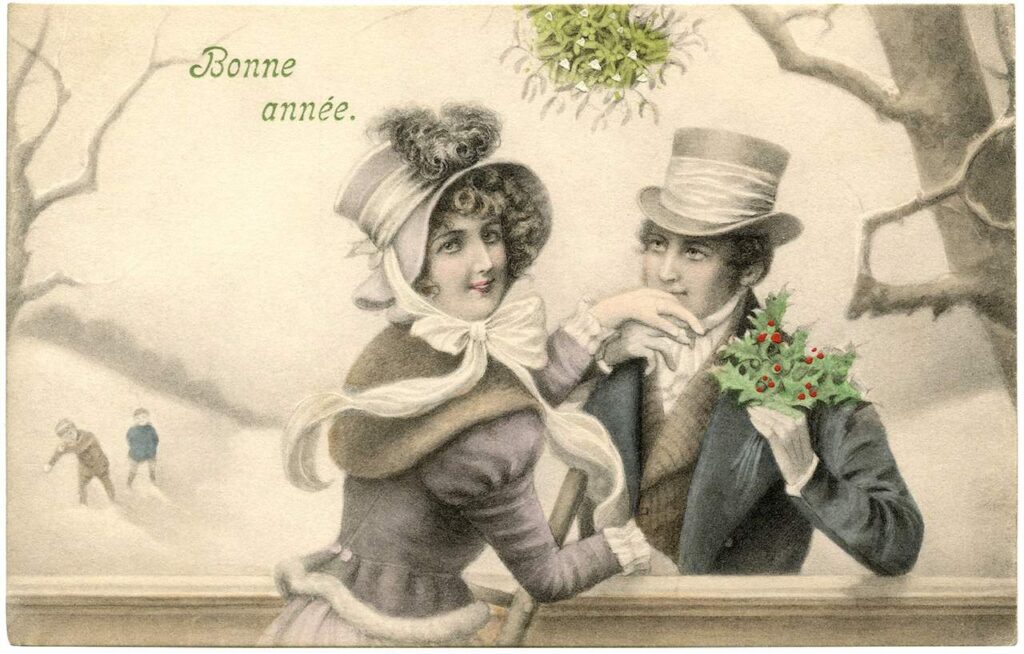
The tradition of kissing under the mistletoe is also commonly traced back to Norse mythology. According to an ancient myth, the god Baldur was prophesied to die an untimely death, prompting his mother Frigg, the goddess of love, to seek protection for him. She traveled throughout the natural world, and secured promises with all the plants and animals to not harm her son. However, Frigg forgot to secure an oath from mistletoe, causing Baldur to be invulnerable to all living things with the exception of mistletoe. With knowledge of this vulnerability, Loki, the god of mischief, was able to kill Baldur using an arrow made from mistletoe. In some versions of this legend, the gods later restored Baldur to life, and in her great delight, Frigg declared mistletoe a symbol of love and vowed to bestow a kiss upon all those who passed beneath it.
Adding to the mythology, this one-of-a-kind Christmas tradition is often credited to Washington Irving, a notable American author who wrote about the tradition of kissing under the mistletoe in his acclaimed novel, The Sketch Book. Eventually this tradition became a romantic custom of the Christmas holiday.
Kissing under the Mistletoe became popularized during the Victorian Era in England.
Exploring the history behind Christmas reveals a rich tapestry of culture and stories that have evolved over time. Whether you celebrate Christmas, Hanukkah, Kwanzaa, or any other holiday, the traditions we practice today are woven together from centuries of history, offering diverse ways to celebrate life, light, and being with the ones you love.
I bet that most people have read R.L. Stine’s Goosebumps by the time they’ve gotten to high school, but I don’t think you’re ever too old for them. Stine wrote the original 62 books in the series in the 1990s. But since then, the series has been re-issued, spun off and made into movies countless times. They’re the first scary stories for many children, and even fun to read when you’re older — and harder to scare. Here are a few of the books that I’ve read recently:
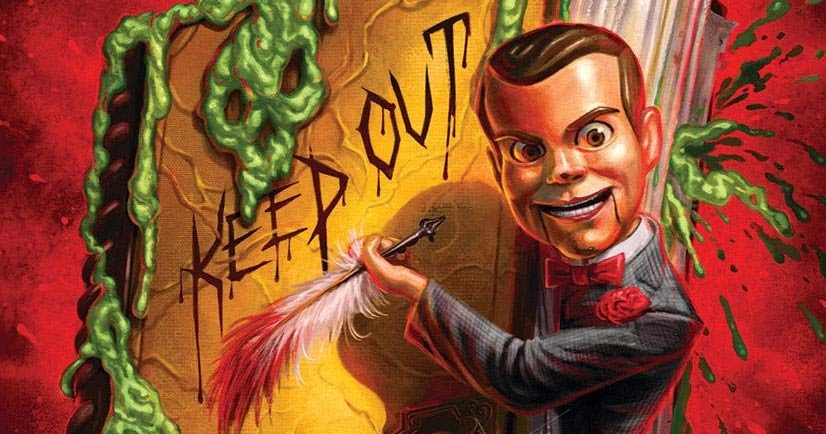
Diary of a Dummy: This book was a fun adventure to read. It involved Slappy, the evil ventriloquist’s dummy found in many stories, and two other characters. The other characters found Slappy’s Diary which contained the dummy’s different thoughts. The diary also had clues to find a treasure of gold. The book showed Slappy in a better light than previous books he has been in, which might make readers see him a little differently. Overall the book was really good.
Bride of the Living Dummy: This was a really funny read. The book is about Slappy finding a supposed love, so instead of one dummy making trouble for the main characters, it’s an evil doll and a dummy. I really liked reading this book because it showed what happens to Slappy’s victims when he wins. There were also many funny interactions between characters both bad and good.
Slappy’s Tales of Horror (graphic novel): This book has multiple stories including some of the classics like Night of the Living Dummy, The Werewolf of Fever Swamp, A Shocker on Shock Street, and Ghost Beach. This was also a fun read since I actually got to see some of the characters from classic Goosebumps. After every story, Slappy talked to the reader, acting like a funny, but scary friend.
Slappy, Beware!: This book was interesting to read because it explained some of Slappy’s backstory. One surprising thing about this story is that Slappy lost, even though in most of the stories he usually wins. It was a great read and learning about Slappy’s backstory was really fun.













 The Hawk