“Curiosity often leads to trouble” is exactly how I would describe the 1951 Disney animated movie, Alice in Wonderland. An adaptation of the classic Lewis Carroll story, “The Adventures of Alice in Wonderland and Through the Looking Glass,” Alice in Wonderland revolves around the world of curiosity in a chaotic manner that makes it difficult for the viewer to follow along.
Alice in Wonderland tells the story of a very curious girl who finds herself stuck in the world of Wonderland, which consists of creatures and settings that defy the real world in every way possible, with creative creatures such as talking doorknobs, magical tables, smoking walruses, argumentative plants and flying toast. Although it is a creative concept, the storyline does not seem to have any consistency with its characters, as Alice is the only predominant protagonist throughout. Even “sidekick” characters, such as the Mad Hatter and TweedleDee and TweedleDum make very rare appearances that seem insignificant to the plot.
In regards to the plot, once again, there is a lack of continuity and consistency. The first half of the story has Alice searching for the White Rabbit, who claims to be running late “for a very important date.” About three-quarters into the story, that motivation driving Alice instantly disappears and turns into Alice suddenly having a desire to go home and escape the wrath of the Queen of Hearts who, even though she is considered the main antagonist and villain of the story, barely has any backstory or significant connections to Alice or the story as a whole. I like the character of the Queen of Hearts, I mean who doesn’t? Also, the deck of cards serving as her henchmen and military is a clever play on words and had so much potential as an important part of the movie. Unfortunately, the creators left the deck of cards and the Queen until the very end, taking away from their significance or character development.
Overall, in terms of characters, I think it was pointless to include so many characters and so many irrelevant scenes with those characters. For example, I think back to the scene about the oysters in which one of the extra characters “invites” an entire army of oyster children to dinner and then, in the end, all of the oysters are eaten. Although this was a sad yet ironic scene, it was so unbelievably irrelevant to the story, and not related to Alice and her journey through Wonderland or finding her way home whatsoever.
The ending in which the reader simply finds out that Alice dreamed up Wonderland in her sleep was seemingly satisfying as there is a logical conclusion and explanation for the wild events that occurred throughout the movie. But it also just emphasized the idea that Alice is simply a delusional girl who clearly needs help, but no one seems to care enough to help her find control of her imagination.
Despite its character and plot flaws, there were also positive aspects, which make the movie as iconic as it is today. I was unaware that there was singing involved, and I feel the songs were placed nicely and not over-the-top. I also liked many of the concepts of the film, especially the idea that certain foods lead to growth or shrinkage of a person. The animation style is just like any other classic Disney movie, which adds a sense of nostalgia.
Alice in Wonderland is an iconic Disney movie seen by generations, with references and characters known and quoted around the world. But the unnecessary number of characters and the disorder of the plot make the film difficult to watch and comprehend.
Featured image: One of the scenes of Alice in Wonderland, with protagonist Alice, well-known side character Mad Hatter and additional characters celebrating an “Unbirthday.”
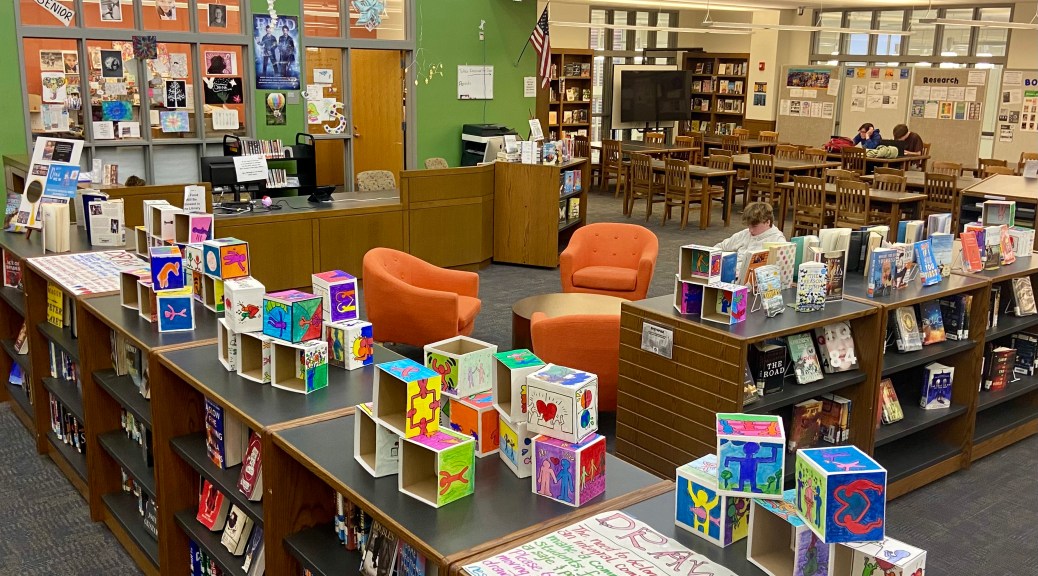
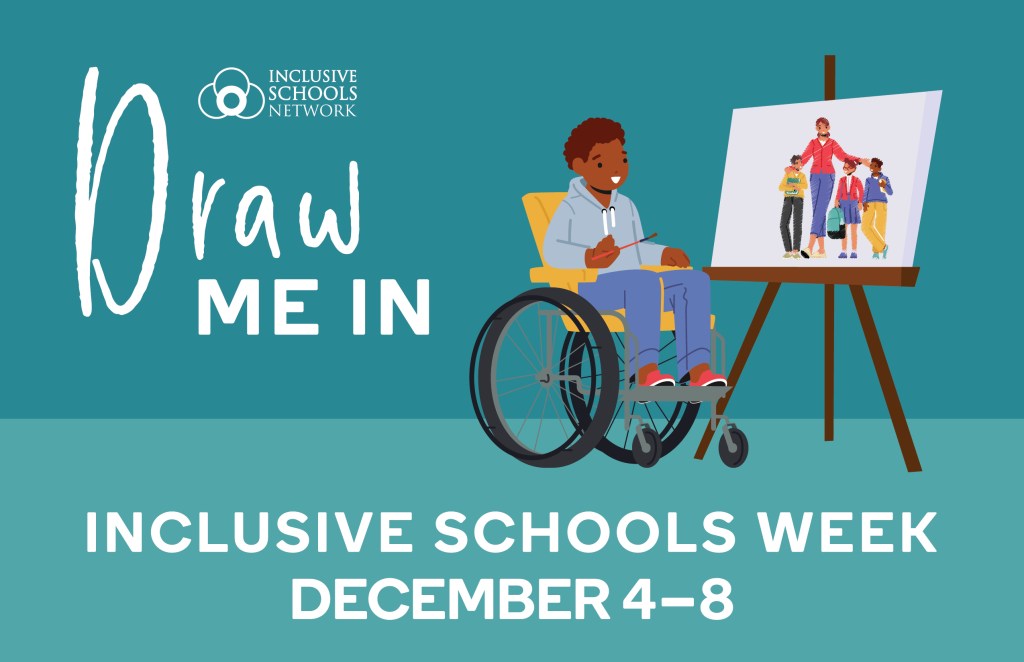
If you’ve walked through the HHS Library in recent weeks, you’ve likely encountered a colorful display of books and artwork that celebrates Inclusive Schools Week. According to the Inclusive Schools Network website, the week brings awareness to the diverse population in schools across the nation, including “students who are marginalized due to disability, gender, socio-economic status, cultural heritage, language preference, and other factors.” To celebrate the week Dec. 4-8, the library teamed up with the Fine Arts department to showcase books and art that promote inclusion, acceptance and respect. Art classes led by Mrs. Curley and Mr. File created images inspired by the work of Keith Haring, which were turned into an interactive display by members of the Art Club. Students in Partnership in Art arranged the display in the library, alongside a collection of books I seleted which promote diverse experiences. Below are brief reviews of just a few of those books. As always, if you’re interested in a topic, you can browse the Genre Lists at hhsmchugh.weebly.com or see me in the library.
The House in the Cerulean Sea by AJ Klune – Linus Baker is a dull and dreary social worker, but the children he works with are magical beings who are sent to orphanages to protect them – and the world – from powers they can’t always control. When Linus is sent on a monthlong mission to examine the residents of one mysterious, and possibly dangerous, school, his life is turned upside down. He meets Lucy, the 6-year-old son of Satan who struggles to be accepted as an average kid despite his dark heritage; Talia, a gnome who fiercely protects her garden and her friends; and Chauncey, an alien-like creature who dreams of becoming a hotel bellboy. These and other quirky characters teach Linus about accepting each others’ differences, taking risks and finding love. Similar tales of acceptance include Miss Peregrine’s Home for Peculiar Children by Ransom Riggs and A Man Called Ove by Fredrik Backman.
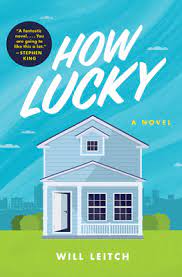
How Lucky: A Novel by Will Leitch – Daniel considers himself a lucky guy. Though he suffers from spinal muscular atrophy, uses a wheelchair, needs a caregiver to feed him, and communicates with the world by typing, he has friends and a decent job. His life is shaken up, however, when he thinks he sees a woman being kidnapped on the street outside his home. When the police dismiss his reports, he begins his own investigation, something not so easy for someone who, while smart and determined, must rely on others for so much. A unique and very likable narrator, Daniel gives this mystery novel deeper layers. The story is tense and quick-paced while also full of humor and hope. Characters with physical differences or chronic illness are also featured in How We Roll by Natasha Friend, Not If I See You First by Eric Lindstromand Breathe and Count Back From Ten by Natalia Sylvester. Nonfiction picks: Mermaid by Mary Eileen Cronin, No Barriers: a Blind Man’s Journey to Kayak the Grand Canyon by Erik Weihenmayer and Devoted: the Story of a Father’s Love for his Son by Dick Hoyt
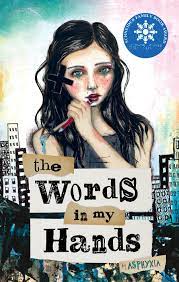
The Words in My Handsby Asphyxia – This is one of several books we have that see Deafness as something to celebrate, not to pity or fix. The author uses a combination of text, paint, collage and drawings to tell the story of Piper, who is so busy trying to survive that she doesn’t know what it’s like to live. When she meets Marley, Piper begins to see her Deafness isn’t something to hide, and she’s determined to use her voice to help others. The story veers into the dystopian genre because it’s based in a world with environmental collapse and political corruption. If you’re interested in Deaf culture, you can also try True Biz by Sara Novic, The Silence Between Us by Alison Gervais and The Sign for Home by Blair Fell. Nonfiction picks: Train Go Sorry by Leah Hager Cohen and Seeing Voices: a Journey into the World of the Deaf by Oliver Sacks
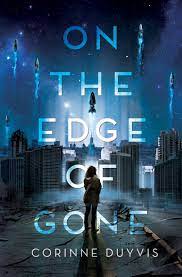
On the Edge of Goneby Corinne Duyvis – A comet is on track to hit Earth, causing devestation not seen since the dinosaurs were wiped off the planet. If you’re wealthy and connected, you’ve bought a spot on a “generation ship” set to colonize another planet. If you’re not – like 16-year-old Denise – you’ve been assigned to a temporary shelter and after a few days, you’ll be on your own. As the impact nears, Denise and her mom stumble upon a different kind of ship, one that will take people with practical skills that will help the community survive. There are doctors, engineers, computer scientists, teachers. Denise is desperate to prove she and her mom deserve a spot. But she’s a teen with autism whose inability to read social cues or handle change often causes her problems, and her mom is struggling with drug addiction. Can they convince the ship’s community that they’re worth saving? Neurodivergent characters also feature in The Curious Incident of the Dog in the Night Time by Mark Haddon, a mystery; The Boy Who Steals Houses by C.G. Drews, a realistic story; and The Love Letters of Abelard and Lily by Laura Creedle, a heartwarming romance. Nonfiction picks: Autism in Heels by Jennifer Cook O’Toole, Same But Different: Teen Life on the Autism Express by Holly Robinson Peete and The Game of My Life by Jason McElwain
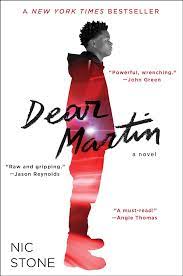
Dear Martin and Dear Justyce by Nic Stone – Justyce is a top student at his private school, on the path toward an Ivy League college. But he feels he’s still wrongly judged – especially by the police – by the color of his skin. To work through his feelings, he starts journaling to MLK Jr., questioning whether some of the things the Civil Rights leader taught still make sense today. In Dear Justyce, Justyce is now in college, but a kid he grew up with, Quan, is in prison. Through a series of letters and flashbacks, the book explores how two youths from similar circumstances can end up on such different paths. If you’re interested in reading about characters coping with racial and religious differences, you can also try Does My Head Look Big in This? by Randa Abdel-Fattah, The Life and Crimes of Hoodie Rosen by Isaac Blum and With the Fire on High by Elizabeth Acevedo. Nonfiction picks: The Spirit Catches You and You Fall Down by Anne Fadiman, Uncomfortable Conversations with a Black Boy by Emmanual Acho and Muslim Girl: a Coming of Age by Amani Al-Khatahtbeh
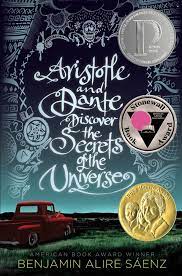
Aristotle and Dante Discover the Secrets of the Universe by Benjamin Saenz – Dante and Ari seem to be opposites. Dante is confident and easily shares his feelings. Ari is quiet and crippled with doubt. Yet when they meet one summer, they form a bond that teaches them what’s important in life and helps them discover the people they want to become. A few other books featuring LGBTQ characters include Cemetery Boys by Aidan Thomas, The Past and Other Things That Should Stay Buried by Shaun David Hutchinson and Simon vs. the Homosapiens Agenda by Becky Albertelli. Nonfiction picks: Brave Face by Shaun David Hutchinson, At The Broken Places: a Mother and Trans Son Pick Up the Pieces by Mary and Donald Collins, and Real Queer America: LGBT Stories from Red States by Samantha Allen
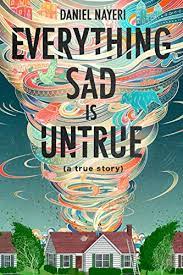
Everything Sad is Untrue (A True Story) by Daniel Nayeri – Based on the author’s life, the novel follows Khosrou and his family as they flee religious intolerance in Iran and end up in Oklahoma. The boy, highly influenced by the Arabian Nights and other stories from his homeland, spins tales for his new classmates about who he feels he is (smart, worldly, brave) versus what he seems to be (poor, smelly, weird). Through his stories, you get a sense of his rich, complicated life in Iran, the strangeness of becoming a refugee, and the resilience needed to live through both. Other novels about the refugee or migrant experience include A Land of Permanent Goodbyes by Atia Abawi, Out of Nowhere by Maria Padianand We are Not From Here by Jenny Torres Sanchez. Nonfiction picks: Solito by Javier Zamora, The Line Becomes a River by Francisco Cantu and God Grew Tired of Us by John Bul Dau
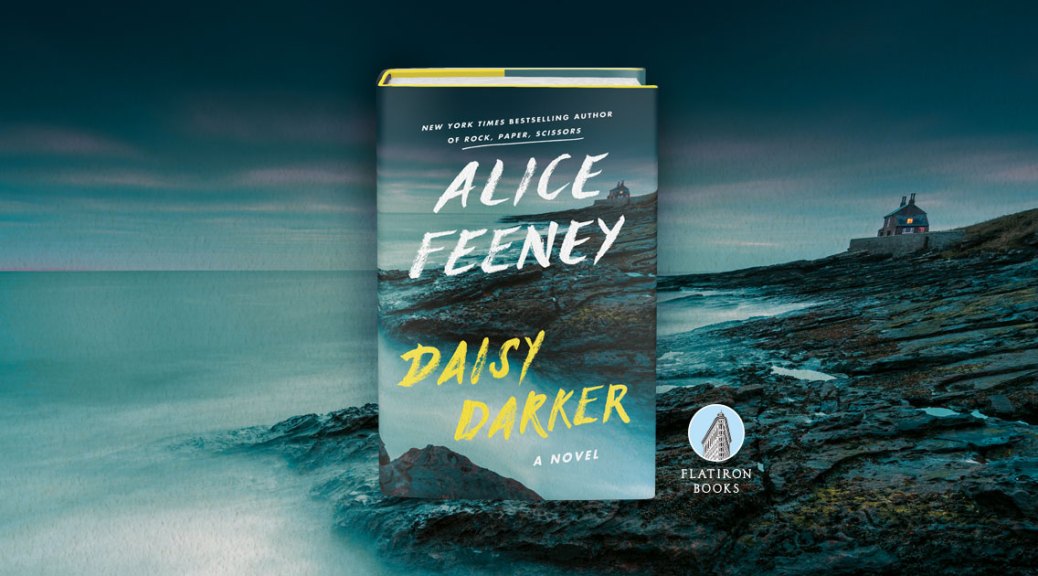
Daisy Darker’s family is the epitome of dysfunctional – secrets, lies and grudges galore. So when they come together at Nana’s remote island home for a rare gathering to celebrate her 80th birthday, tension is to be expected. What isn’t expected, however, is murder. But at midnight, Nana is found dead, and father Frank follows an hour later. Unable to leave the island until the tide goes out in the morning, the remaining family members are left in terror, wondering who is to blame for the killings and who will be next. A series of clues left by the murderer also forces them to rehash family drama and trauma, including the often isolating treatment of narrator Daisy due to a rare illness. This homage to Agatha Christie’s And Then There Were None, written by an author well-known for her psychological thrillers, is hard to put down. The family dynamics are gripping and relatable; as secrets are revealed, you alternate between sympathy and contempt for each of the characters. And then as morning approaches, and the number of remaining family members dwindles, the killer comes to light. The stunning disclosure, coupled with a twist that made me re-read earlier parts of the book, left me reeling. The ending was unpredictable and upended my feelings about certain characters to the point where I wondered “did the villain have good reason for the terrible deeds?” I recommend this book to anyone who likes a good mystery or is drawn to stories of difficult families and relationships.
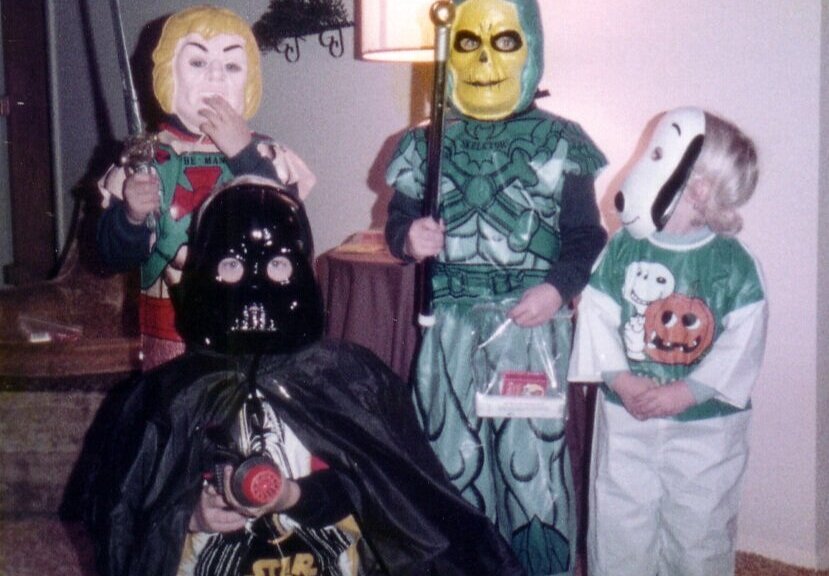
I am a third generation Hanoverian. My grandparents built homes in Hanover in the early 1970’s and 1980’s, and both of my parents grew up in town. Hanover has changed quite a bit since my grandparents’ and parents’ youth, and Halloween has changed along with it. I recently discussed Halloween in Hanover with my parents, aunts and uncles, and learned about traditions of the past.
Halloween has always been a special day of the year in Hanover. When the Hanover Mall was indoors and a real “mall,” the stores would have indoor trick or treating throughout the complex. Children would dress up and collect candy from places like Orange Julius, Friendly’s, Almy’s, Zayre’s and Sears. The largest grocery store in town, Angelo’s, used to have its annual giant pumpkin raffle, which would routinely provide a 100 pound gourd to the winner for jack-o-lantern carving. Hosting its own haunted house in the fabled Sylvester School, Hanover was known as the scare capital of the South Shore long before Barrett’s Haunted Mansion ever opened its doors in Abington. Perfectly suited to host the ghoulish affair, Sylvester School turned into the scariest building in Plymouth County. Hanover High School upperclassmen ran the show, creating cauldrons of boiling brains in the kitchen, scary clown and skeleton jump scares from broom closets and numerous other spooky creations throughout the hallowed hallways.
Another interesting thing about Halloween in Hanover back then is that children stayed and trick or treated in their own neighborhoods. Those seeking pillowcases of candy did not drive to another part of town, or another town altogether. Woodland Drive, Old Town Way, Brook Circle, Stonegate Lane, Larchmont Lane, Old Forge, Green Hill Road, Brookwood Rd, Old Farm Rd, Myrtle St, Broadway, Circuit St, Main St and many other streets served their residents perfectly well on Halloween. Today, the Stone Meadow neighborhood seems to be a popular area for trick or treating, receiving most children above 10 years of age and leaving other neighborhoods empty of kids in costumes.
Halloween is a great American holiday filled with youthful energy. Every town has its own celebrations and Hanover is no exception. Each October 31st is its own unique tapestry, with new memories created each year. We might, however, do well to consider the traditions of Hanover’s past, and how things were done once upon a time. Maybe we can meld together the best of what makes Halloween so memorable today, with what made Halloween in Hanover of yesteryear so much fun?
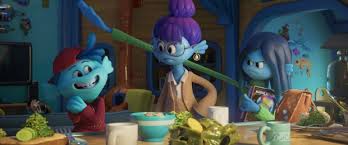
I recently watched a movie called Ruby Gillman, Teenage Kraken, which was released in June. Despite not performing well financially, I found the movie to be well-made and engaging. The animated film follows the story of Ruby, a 16-year-old girl who discovers that she is descended from an ancient Kraken warrior, and can transform into a Kraken (a giant sea monster, for those who don’t know). The movie explores themes of growing up and overcoming adversity, and I found it to be both thought-provoking and inspiring. While some reviewers have criticized the movie for being too generic and predictable, I believe that it offers a fresh take on the coming-of-age genre. Overall, I would highly recommend Ruby Gillman, Teenage Kraken to anyone looking for a heartfelt and engaging movie experience. And even though this movie says “for kids,” that doesn’t mean a thing; it can be for anyone.
Ruby Gillman is a great example of the many films that may not be hit in theaters but are still worth watching. Another that was fun and upbeat this year was Super Mario Bros. A movie based on the hugely popular Nintendo game should be a hit, right? False. This origin story of the classic video game, which dates back to 1983, was rated among the top 20 worst movies by IMDB.com. One review read, “It’s brightly colored. It’s energetic. It’s got the characters. There’s the gameplay. The story is fairly simple. It’s pretty much what I expected. I wish there was more heart to it.” But as I watched the movie, memories from playing the game as a kid flooded my brain. I loved it! I grew up with these brothers; shouldn’t everyone else feel likewise? I believed this movie had a certain character to it that others did not.
So when you’re browsing cable or streaming services for something to watch, don’t be so quick to pass by ones that weren’t hits in the theater or ones that have terrible scores on IMDB.com or Rotten Tomatoes. Sometimes the terrible reviews are right. But other times, the movies feature bright characterization, relatable themes, and phenomenal viewing experiences. Checking out these movies may bring a sense of happiness or a sense of change, so why not give them a try?
Science fiction and fantasy are often grouped together in libraries, but they can feature a wide range of stories. From knights fighting dragons, to stories of magic, to real science taken a step too far, sci fi/fantasy books bring new worlds to life. Here are quick reviews of a few new titles in the HHS library:
Kaiju Preservation Societyby John Scalzi – Inspired by the Godzilla and Jurassic Park movies, this is a story about a delivery man down on his luck who is offered a job caring for animals. But he soon finds out that the animals are not of this world. The nuclear-powered, dinosaur-like creatures roam a human-free world in another dimension. If they find a way to Earth, millions could die. Unfortunately, some people are willing to make that sacrifice for the profit they could make. Recommended for readers fascinated by the science behind the “monsters.”
Briarheart by Mercedes Lackey – In a new take on Sleeping Beauty, Miriam has no interest in ruling the kingdom, but is determined to protect her younger sister Aurora. When she discovers she has magical powers, Miriam begins training to control them. But all the powers in the world may not be enough to save the people she loves when dark forces approach.
Survive the Dome by Kosoko Jackson – This dystopian novel tackles real-world issues of violence and abuse of power. When a Black man is murdered by Baltimore police and protests erupt, the city enacts a new safety protocol, enclosing the area in a dome that no one can enter or escape. Jamal finds himself trapped, but with the help of two friends, he’s determined to break free of the dome and expose the corruption behind it.
Cruel Prince by Holly Black – In this first of a four-book series, Jude is a human who was kidnapped by fairies after her parents died, and she is desperate to fit in. But Prince Cardan hates humans, and Jude’s efforts to defy him bring consequences upon herself and the kingdom.
A Boy and His Dog at the End of the World by C.A. Fletcher – Instead of focusing on how society falls apart, this dystopian novel explores what the world is like for the survivors decades after. The story is told by Griz, a teen whose family is immune to the condition that caused the human race to lose the ability to reproduce and die out. When a trader comes to their remote island home and steals one of the family dogs, Griz jumps in his boat and gives chase. The pursuit takes him and his remaining dog to the mainland, where he tries to reconcile what he’s read in old books with the ruins he sees. Recounting the story in a journal at the lowest point in his life, Griz draws us in with his tales of danger and wonder; we want to know how he got into trouble, if he’ll find a way out, and whether he will ever find his dog. When Griz finally catches up with the trader, the story enters more familiar dystopian territory, exploring issues of morality and individual freedoms with a few unexpected reveals.
Realistic fiction stories provide readers with “windows and mirrors,” a look into others’ lives and a reflection of their own. In addition to providing engaging stories, these books validate readers who see themselves and help us build empathy for others. Some of the library’s newest realistic titles tackle illness, family secrets, going viral, healing and finding your place in the world.
Fear of Missing Out by Kate McGovern – When a teen learns her cancer has returned, she sets out on a road trip with her boyfriend and best friend to investigate a possible new technology that could freeze her body until a cure is found. If you liked The Fault in Our Stars by John Green or Everything Everything by Nicola Yoon, check this one out.
The Silence that Binds Us by Joanna Ho – May’s brother seems to have everything going for him. So when he commits suicide, her family is turned upside down. Their pain is made worse when a local businessman blames the Asian-American family for the death and several other suicides, saying the culture puts too much pressure on teens to achieve. May strikes back with her writing, but speaking up has consequences she doesn’t expect. It also makes her realize that the racism she’s struggling with is nothing new to her Black best friends. This is a sad story with a hopeful, empowering ending as May and her friends work to ensure everyone has a voice, no matter their background or struggle.
The Kids are Gonna Ask by Gretchen Anthony – When Thomas and Savannah’s mom dies, they are desperate to learn who their biological father is. They decide a podcast could help them track down mom’s friends and help tell their story. Aided by their quirky grandmother, their efforts go viral; as they draw more listeners, they also draw controversy. Everyone from feminists to men’s rights advocates to First Amendment activists begin to weigh in. Is finding their dad worth all the mayhem that comes with it? And will the guy be worth finding? A story of siblings, family secrets, finding yourself and growing up in a world when everything is shared on social media.
The Words in My Hands by Asphyxia – This is one of several books we have that see Deafness as something to celebrate, not to pity or fix. The author uses a combination of text, paint, collage and drawings to tell the story of Piper, a smart artistic Deaf teen who is so busy trying to survive that she doesn’t know what it’s like to live. When she meets Marley, Piper begins to see that her Deafness isn’t something to hide, and she’s determined to use her voice to help others. The story veers into the dystopian genre because it’s based in a near-future with environmental collapse and political corruption. If you’re interested in this topic, you can also try True Biz by Sara Novic, The Silence Between Us by Alison Gervais and The Sign for Home by Blair Fell.
An Appetite for Miracles by Laeken Zea Kemp – Danna struggles to reconnect with her ailing grandfather, hoping his favorite foods will ease his dementia and restore some of his memories. Raul has been lost since his mother went to jail for a wrongful conviction several years ago. When they meet at a nursing home, they feel an instant connection and team up on a journey to heal themselves and those they love.
Lesbiana’s Guide to Catholic School by Reyes – Yamilet is one of the few Mexican-American students in her affluent religious school, but, she tells herself, at least no one knows she’s gay. She’sdetermined to keep it that way — and protect her brother, make her mom proud and not fall in love. But it’s not so easy when the school’s only openly queer student catches her eye. A funny, honest story about growing up and finding yourself.
Required Reading for the Disenfranchised Freshman by Kristen Lee – When Savannah gets a full scholarship to an Ivy League school, she expects to meet other students who have worked just as hard as she has. She’s dismayed to discover the racism, hypocrisy and entitlement on campus. When the statue of the school’s first Black president is vandalized, she’s outraged. But speaking up could put her scholarship and future at risk. Recommended for readers interested in social justice or anyone who’s been torn about speaking out.
Orbiting Jupiter, a novel by Gary D. Schmidt, is a heartbreaking story about hard, real life problems, told from the perspective of a 12-year-old boy. This book is labeled as middle grade or young adult, and although it is only around 150 pages long, it could be enjoyed by anyone over the age of 11 or 12. Orbiting Jupiter is a short and impactful story about a teen named Joseph, but is told from the perspective of Jack, the 12 year old in his foster family. Before coming to live with Jack, Joseph had a hard life. He became a father at age 13 and then was sent away to a correctional facility with harsh living conditions after nearly killing a teacher due to circumstances that were not directly his fault. Joseph is a damaged teenager on a journey to find himself and his daughter, who he was never allowed to meet. A book about love, loss, and a search for family, Orbiting Jupiter is an easy read for anyone who has a few hours to spare and is looking to read something sad. It falls into the rare category of books that could be considered middle grade, but are probably more enjoyable for an older high schooler due to the mature topics it discusses. Adding on to this, the protagonist of this story is not the person whose perspective it is told from, which makes for a very compelling read.
As the Hanover High School marching band started the season, we were missing one thing: our home field. Harry Gerrish Memorial Field, the home stadium for football and other field sports, went under construction last spring. With the installation of the new turf expected to be completed in mid-October, HHS football was scheduled to play away games for the first half of its season, and the band’s practice and performance routine were upended.
Since summer, the band has practiced on a grass area behind the auditorium that was prepared by the town Department of Public Works. Band leader Mr. Harden said the creation of the practice field, and more storage to go with it, was a “blessing in disguise.”
The band practices on the grass behind the auditorium.
“We missed the turf but are grateful for the athletics department and DPW,” he added.
Mr. Harden put hours of work into the practice field, with the help of others, to get the band ready for its unusual season. Performers worked to perfect their halftime show, called “Soar,” which features Mr. Blue Sky, Defying Gravity and How to Train Your Dragon Part 3. The band managed a debut performance on Sept. 21 at a home game actually played in Scituate, thanks to donations from the Hanover Football boosters that paid for a bus. Percussion section leader Brian Tawa, a junior, said moving the large drums and other instruments for that performance was “definitely an adjustment.”
Construction on the turf finished early, opening for HHS girls’ soccer on Sept. 28. But, with the football schedule already set, the band will have to wait until the Hawks play Quincy on Oct. 13 to finally perform on our home field.
“It’s definitely been challenging, but we persevered and it ended up being a great experience,” said brass section leader Aidan O’Connor, a senior.
The Pride of Hanover Marching Band performs at the Sept. 21 game in Scituate.
Dante Heffron, a junior who serves as drum major, noted there was probably never a time that the construction wouldn’t interfere with something (In fact, the track was not redone along with the turf because of a rainy summer and will have to be closed in the spring).
“But we’re going to get a couple of more games on the field, and it’ll be fun,” he said.
Alec Jewson, a senior who leads the woodwind section, noted that the band has shown its adaptability since the COVID-19 pandemic.
“I think we’re generally a very persevering group anyways, with all the stuff we had to deal with during and after COVID,” he said, “so I’m honestly not really surprised we’ve done so well this year, even without a field. All of the other leadership team had confidence in this new group, and we’re still seeing so much growth and improvement beyond what we had expected, so it’s pretty cool.”
Showing perseverance and adaptability as our home field was being redone, our band is ready for upcoming performances. We’re hoping Hawk nation packs the stands for the Oct. 13 return home. We’re also looking forward to next year, when hopefully there will be more home games!
Don’t worry, Mamma Mia! the Musical will be here soon, and those happy days won’t be so hard to find. As the 2023-2024 school year kicks into gear, clubs and after-school activities are entering full swing. This is especially true for the Hanover High School Drama Club, which has already started rehearsals for its fall musical, Mamma Mia! Based on the Broadway show and movie, with music from the Swedish pop group ABBA, Mamma Mia takes place on the Greek island of Kalokairi. It features Sophie, a young woman soon to be married, and her single mother, Donna, who runs her own hotel. Sophie wants her dad to walk her down the aisle, but first she needs to figure out who it is. From reading her mom’s diary, Sophie narrows it down to three former boyfriends: Sam, Harry, or Bill. She invites all three to the wedding, and hilarity, chaos and romance ensue.
The show includes singing, dancing, acting, jumpsuits, romance, comedy, and so much more! Director and Drama teacher Mr. Fahey said he chose Mamma Mia! because of interest expressed by students as well as the success other schools have had putting it on.
“It is a big, fun musical that showcases performance, group ensemble, tech, and audience members love the show,” Mr. Fahey said. “We’re gonna also strive to have fun doing it.”
The cast and crew of the show have been working hard and are so excited to present it for the community. The lead role of Sophie will be performed by senior Ella Nadeau with senior Paulina Leskow playing Donna.
“I’m really excited to do a show that has so much dancing in it,” said Dance Captain Marie Fortier, a senior who will also be serving as Stage Manager for the first time. She’s “so excited to stage manage such a big show.”
Senior Baylor Speckmann, who will play Sam, said Mamma Mia! is a fitting finale for his HHS Drama career.
“I am beyond grateful that my final show at HHS is my favorite of all time, with some of the best music and characters that I can’t wait to see my friends portray,” he said.
If you wanna dance, jive, and have the time of your life, get your money, money, money and come see Mamma Mia! The Musical at the HHS Auditorium on November 17th at 7pm, November 18th at 7pm, and November 19th at 2pm.