
By: Michael Sawaya, Jack Nadeau, Malakai Beliveau, Daniel Sierra and Cam Melone, ’26
Guest Writers
“If at the end of a war story you feel uplifted, or if you feel that some small bit of rectitude has been salvaged from the larger waste, then you have been made the victim of a very old and terrible lie,” wrote Tim O’Brien in The Things They Carried, his National Book-award winning novel based on his experiences as a soldier in the Vietnam War.
Our reading of this book in class motivated us to reflect on the horrors of war and what a soldier would carry on his body and in his heart in order to survive such a traumatic experience. We invited Robert (Bob) Melone, a U.S. military veteran who served in Afghanistan, and father of junior Cam Melone, to join our class and candidly discuss his experience.
“Everyone is human and deserves dignity.”
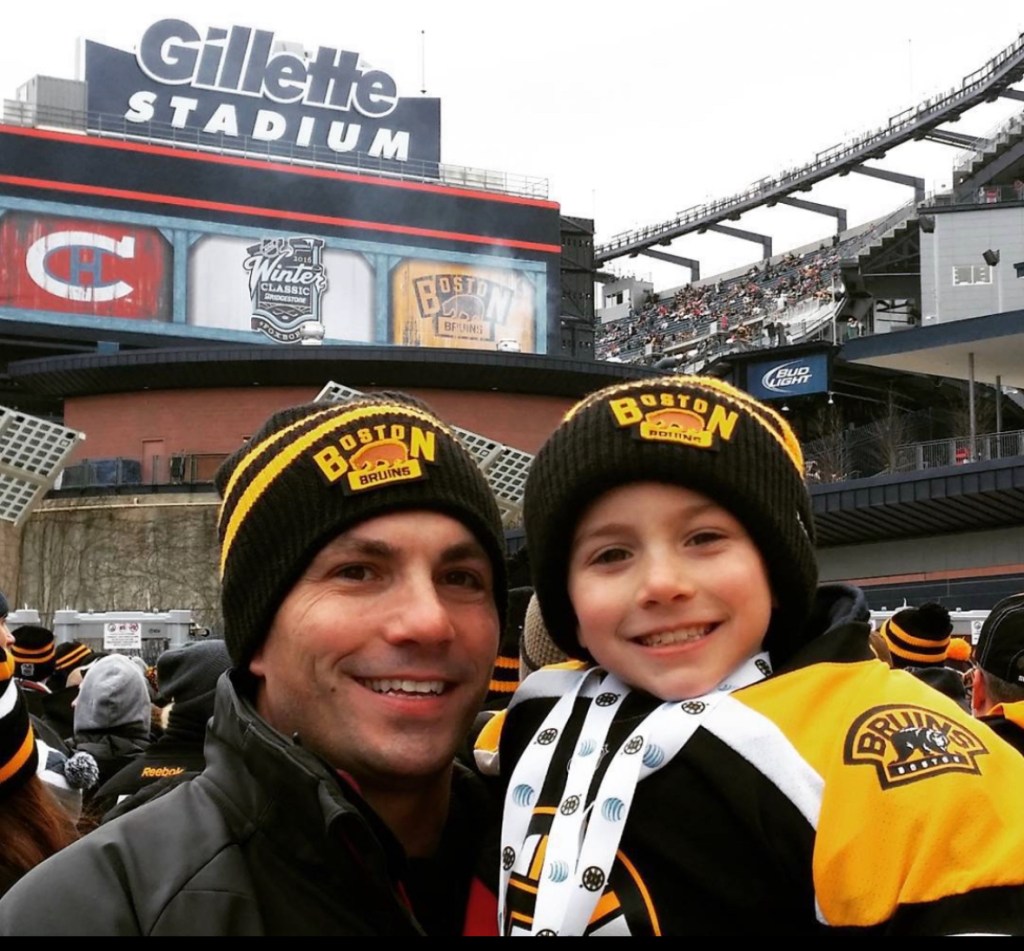
Mr. Melone always felt the obligation to join the military because his father and grandfather had served. In 1996, he graduated Silver Lake High School and was working at Papa Gino’s in Pembroke. He knew he wanted to go to college and the only way he could afford this was by joining the military. So he joined the National Guard in 1997 and began basic training in Missouri. He was deployed to Afghanistan in 2002 to fight the Taliban and al-Qaeda, two terrorist organizations.
He recalls landing his military plane at Bagram Air Force Base with no lights on, in total darkness, in order to evade the enemy. For the first three months of service, he and his platoon did not have the means to take a shower. Mr. Melone then embarked on a covert operation to locate a shower; he ended up finding one on another Air Force base.
Mr. Melone’s platoon was responsible for blowing up a cache of ammunition and bombs from al-Qaeda and the Taliban. His platoon detonated the enemy’s weaponry high up in the mountains of Afghanistan. The elevation was higher than Denver, Colorado, causing him to suffer from elevation fatigue for the first few days he was there. Mr. Melone found it difficult to breathe in the extreme altitudes of these high mountain ranges as he embarked on these dangerous missions.

As a combat medic, he made sure his platoon was taken care of properly. Not only this, but Mr. Melone also took good care of prisoners of war (POWs) who were on the side of America’s enemies. He cared for the very people who may have killed him if given the chance. He never lost sight of the humanity in people on the other “side.” For him, it wasn’t about how many people he hurt, it was about how many people he helped. “Everyone is human and deserves dignity,” he said
Overall, Mr. Melone reports that he and his American platoon colleagues were treated well by the Afghans, but he noted that he “wasn’t sure if some were bringing information back to the enemy.” Similar to Vietnam, there were times he did not know who the enemy was.
The women in Afghanistan wore burqas and were not allowed to speak to American servicemen, Mr. Melone recounted. The Afghan women were only allowed to speak amongst themselves or possibly to female soldiers. The young girls in Afghanistan attended school at the time; however, that is no longer the case. Mr. Melone reflected with regret on how women’s rights deteriorated over time. Since the U.S. withdrew from Afghanistan in 2021, the role of women has declined even further.
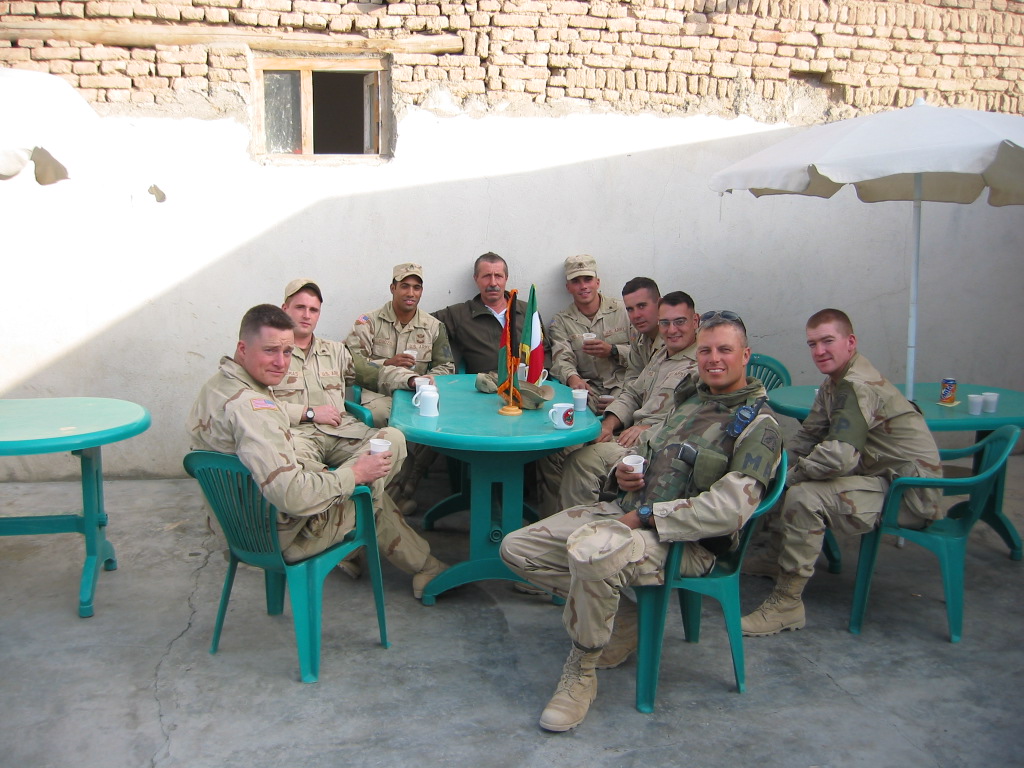
Despite being in combat overseas, there were some moments of levity that Mr. Melone looks back on fondly. He remembers that the European troops were better equipped and had more luxuries than their American counterparts. He recalls visiting an Italian military platoon that had set up a full espresso bar. Mr. Melone and his fellow American servicemen indulged in the Italian hospitality and truly enjoyed the excellent quality coffee, espresso and cappuccino.
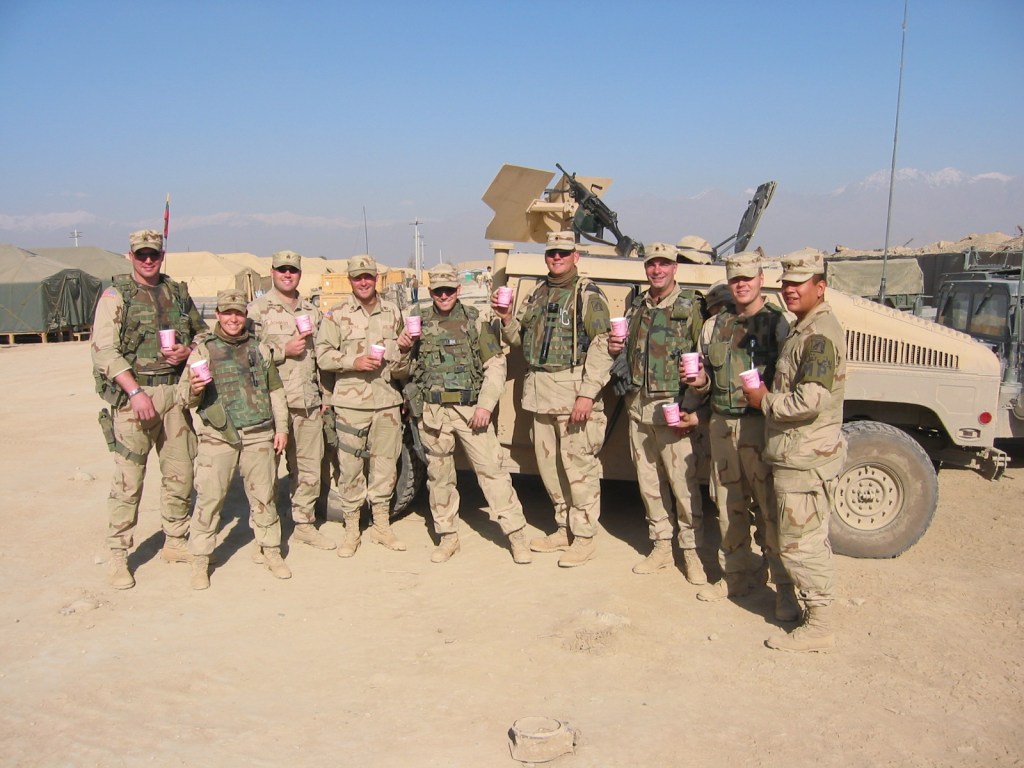
As a lover of coffee, this was one of the comforts that Mr. Melone missed most. He recalls writing a letter to the popular coffee chain Mary Lou’s asking them to send his platoon some coffee. Soon, he and his fellow servicemen received a massive supply of Mary Lou’s coffee direct from the South Shore.
Much like O’Brien recounts in The Things They Carried, Melone met his best friends in the military. They gave each other nicknames and used their sense of humor to deal with the stress and agony of war.
Also similar to O’Brien’s observations, Melone considered the overall sense of purpose in America’s presence in Afghanistan. At the time, Melone felt that Americans had a strong reason to be in Afghanistan: to free the Afghans from the oppression of the Taliban. Yet looking back, he feels doubt about what the purpose was. He reflected that, when it comes to war, “getting out is way harder than going in.”
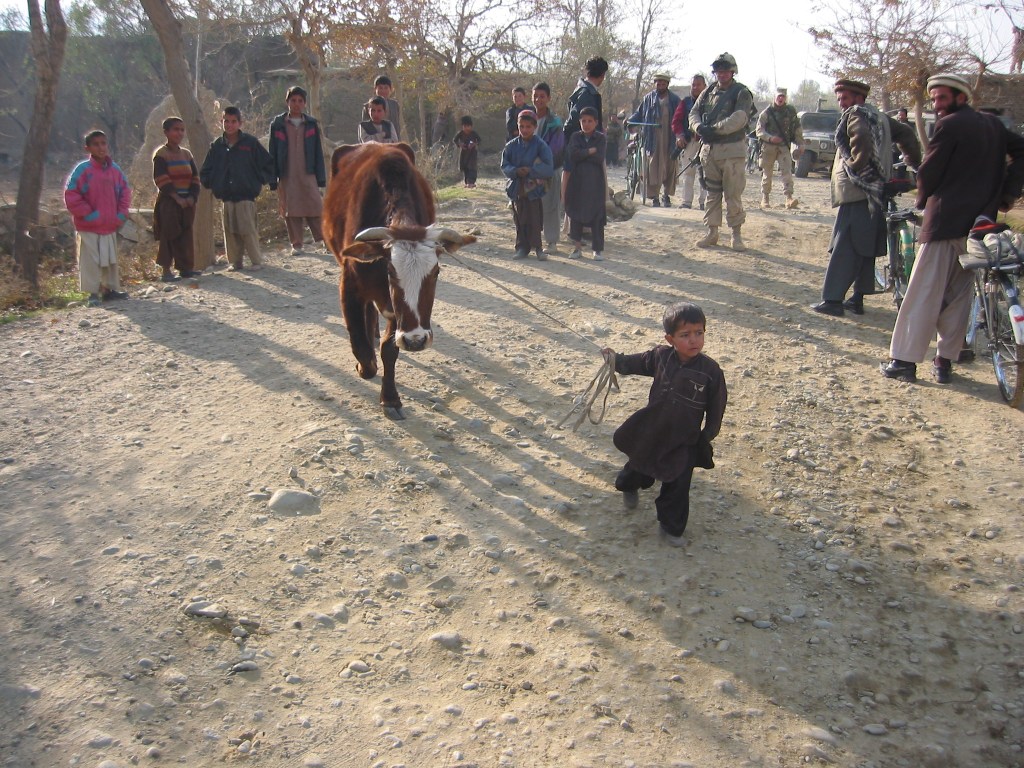
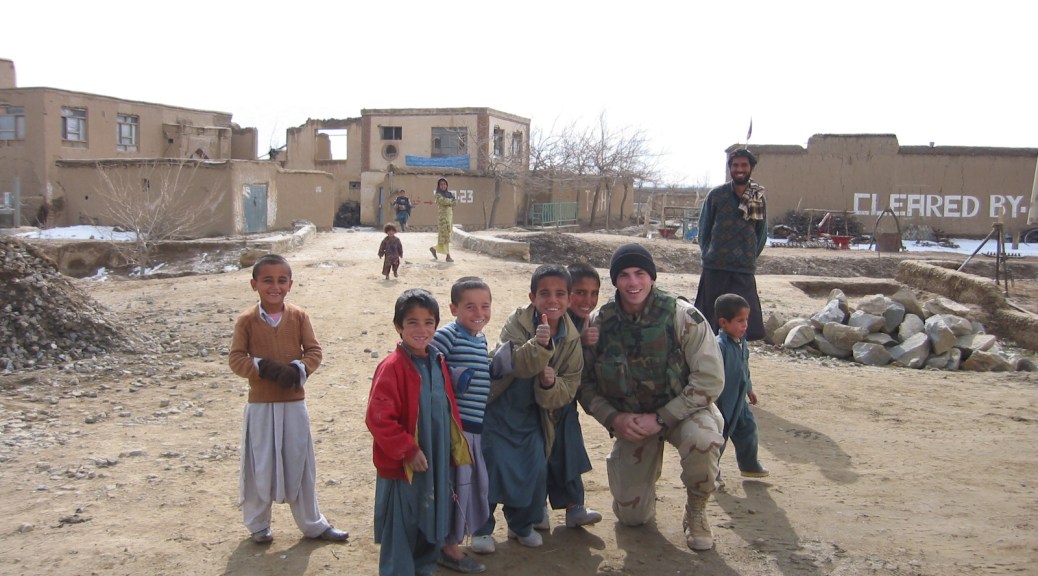
In The Things They Carried, Tim O’Brien writes about the tangible and intangible things he and his fellow troops carried with them while at war in Vietnam. Mr. Melone said during his year of service and to this day, he carries the Afghan children. He felt a deep connection to the innocent young lives that were trying to survive in very difficult conditions. He showed a photo of a very young boy walking a bull around on a leash, similar to the way Americans walk their dogs. He cherishes photos of the children of Afghanistan and has several photos framed around his house.
Physically, he carried a St. Jude prayer card from his cousin Patty that was originally their grandmother’s. This prayer asks God for help during difficult times. He carried this prayer card with him everywhere and it reminded him of his loved ones back home.
To this day. Mr. Melone carries the powerful emotion and experience with him, and is not afraid to show his vulnerability and how it deeply affected him. We witnessed this when he shared his family legacy of service, his love for the children of Afghanistan, and his love for his own children.
Ultimately, Mr. Melone is grateful for the opportunities the military gave him and is proud of his service. However, his overall message about war resonated with us all: “Anything that glorifies war is a lie. War is inhumane.” We are sure Tim O’Brien would agree.
 The Hawk
Amazing
LikeLike
I love that you still remember the kids from Afghanistan and really liked reading this article.
LikeLike
Mr. Melone’s visit made the book come alive! So proud of the boys who wrote this article.
LikeLike
Im so impressive you survive the experince.
Reagan
LikeLike
My GIST is:
“Bob Melone shares his reflections on his time serving in war and the cost of war emotionally.”
-Andrew
LikeLike
my gist is “Mr Malone went to national coast guard in 1997 then went to Afghanistan in 2002 and talked about the things he carried which was the afghans kids he met.”-Munroe
LikeLike
My gist is: Mr.Melone wrote about what it was like to be in the military like at war and stayed in Afghanistan.
Tori
LikeLike
On November 13th, 2024, Robert Melone would report about his experience fighting in Afghanistan, and what he kept and learned from his time spent.
Sincerely, DOC
LikeLike