By Sophie Bunar, ’27
Staff Writer
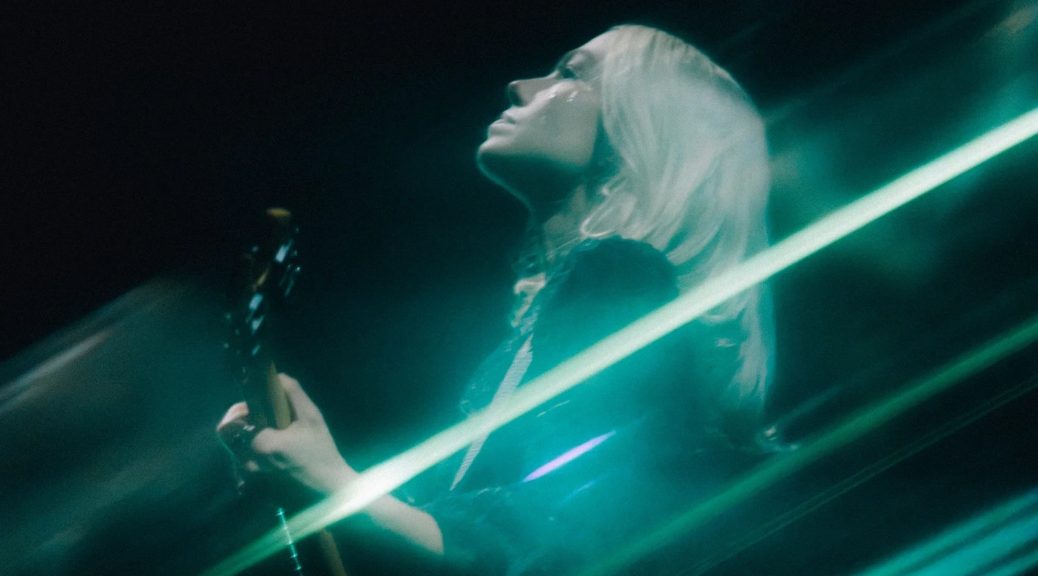
In early October, Phoebe Bridgers performed at TD Garden as part of her Lost Tour. Immediately upon entering the venue, I surrendered my phone into a Yondr pouch, which locks your devices magnetically inside a small case. For the next 4 hours, I was completely in the moment, and it was refreshing to be at a concert where there were no devices blocking my view of the performance and no influencers or phone filmers creating content to monetize later. This is because Phoebe has banned phones, AirPods, smartwatches, and Meta glasses from all stops on her tour. She even thanked the audience mid-set for putting aside their phones for the night, calling it an act of self-preservation.
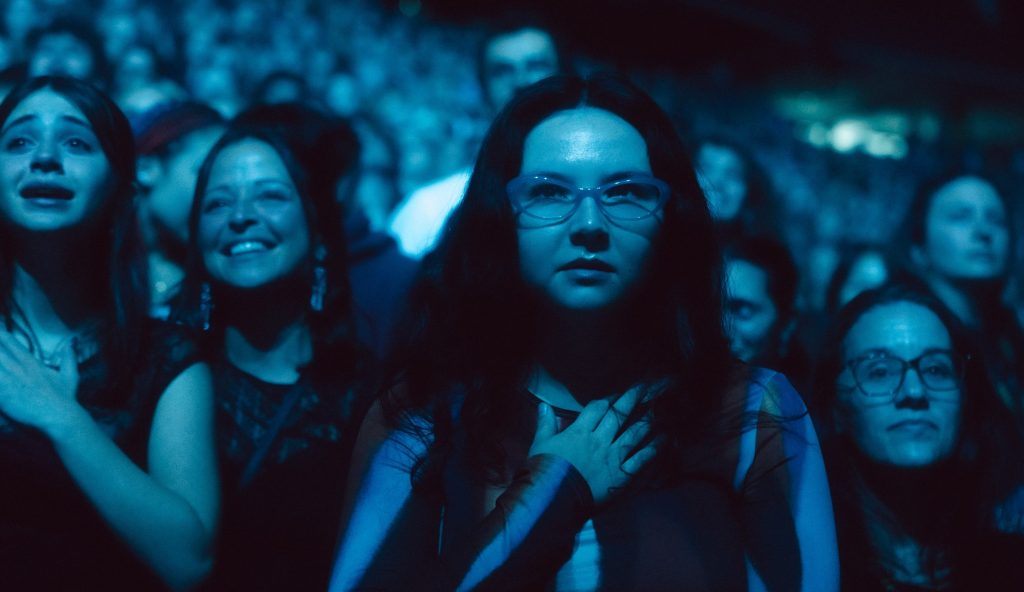
The pressure of visibility in recent years—with both her album “Punisher” and the rise of her folk-rock trio boygenius—led the singer-songwriter to consider quitting music entirely. Her newest album is particularly intimate, describing her journey through grief after the death of her father in 2023. Unburdened by phones or other devices, she felt comfortable returning to the stage, sharing personal material with a crowd of over 15,000 understanding fans.
When she announced the ban, however, she faced criticism online. A small but vocal group called the choice classist and ableist. They suggested that she was discriminating against those who couldn’t afford tickets and could only experience the concert vicariously or taking phones away from those attendees who needed them to monitor health conditions. Neither of these accusations were relevant, as people have been unable to afford concerts long before smartphones existed, and venues did, in fact, allow individuals to access phones for medical reasons.
Phoebe Bridgers certainly isn’t the first to ban phones from her concerts. Artists such as Alicia Keys, Bob Dylan, Childish Gambino, and Jack White adopted the Yondr pouches much earlier than she did, and the same mechanisms have long been used in Broadway theaters, classrooms, courtrooms, and even wedding venues.
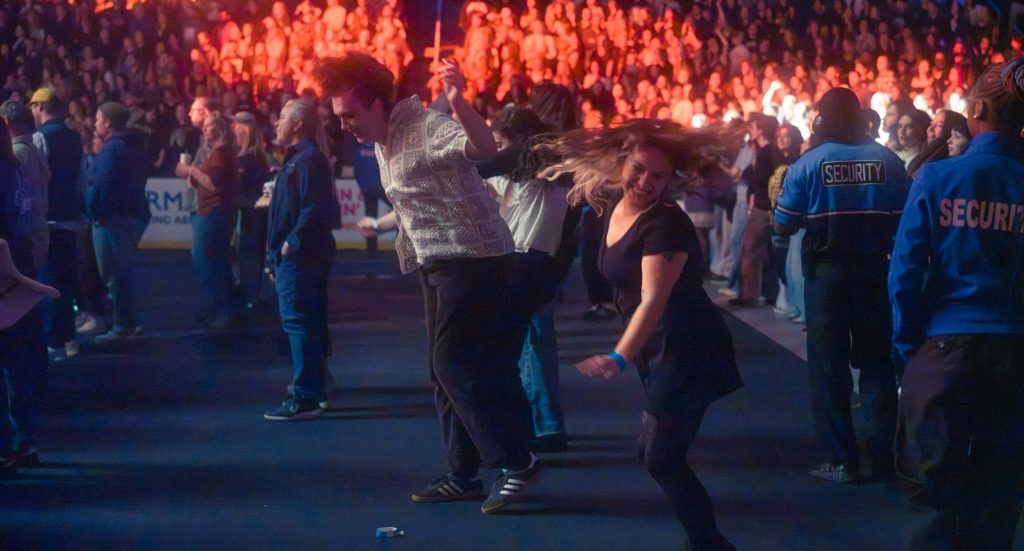
Does this mean that more concerts should go phone-free? Well, ask yourself. Do you enjoy watching a concert through a screen, or do you find it more fulfilling to be singing your heart out with a bunch of strangers, giving your undivided attention to the performer and their art?
As Phoebe says herself in Garden Song, “When I grow up, I’m gonna look up from my phone and see my life.” Acknowledging this distraction, she comments that going through our short existence while constantly staring at a screen can make time fly by. When you finally look up, you realize that life was always in front of you, waiting, and you had to face it to truly experience it. After years tethered to a device, will some young adults know how to interact face-to-face? Will they truly enjoy life as opposed to just going through the motions?
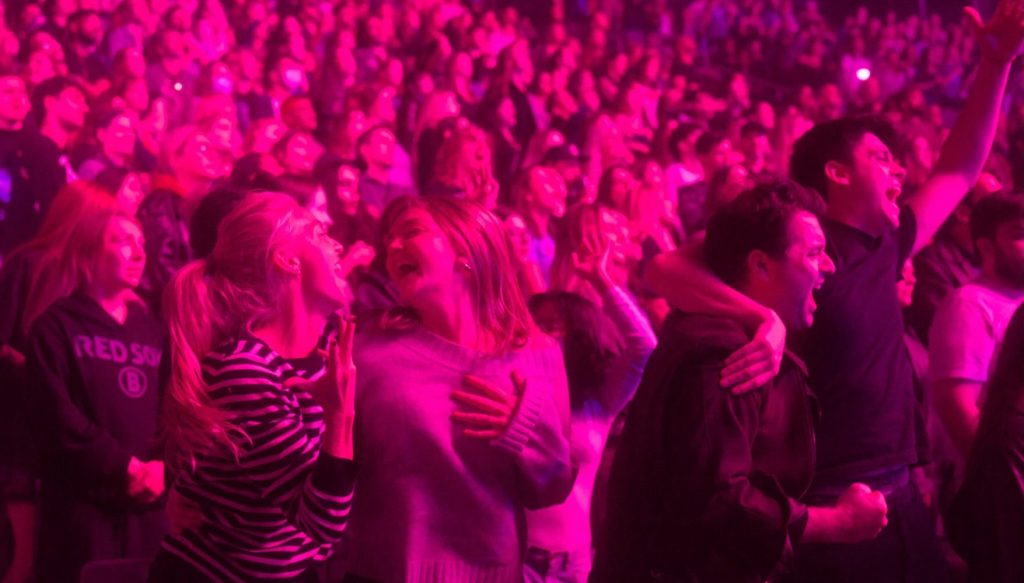
During her last song of the night, Scott Street, Phoebe turned on all of the lights in the stadium. Appropriately, the lyrics “anyway, don’t be a stranger” invited us to look around at people from all walks of life, say hello, and get to know someone in a way that phones simply cannot achieve.
I believe that Phoebe’s phone ban is opening up a multitude of possibilities for concerts in the future. If more artists banned phones in a similar fashion—using pouches instead of meticulously confiscating thousands—we will all be able to look around, interact, and engage with the show. In an age where so much communication is done online, and social media falsity leaves us feeling unfulfilled, it would be extraordinarily restorative to see thousands of emotional faces illuminated—not by screens, but by stage lights.