
By Sophie Deveau, ’30
Staff Writer
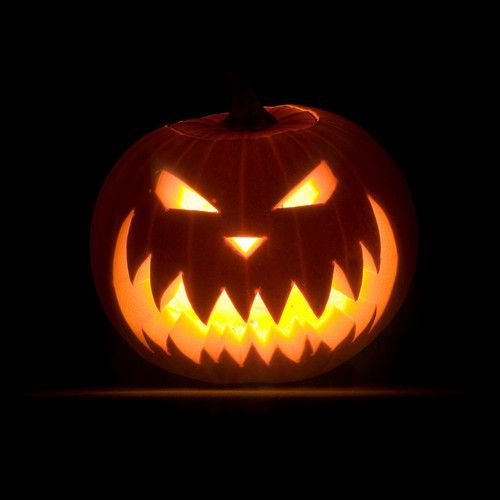
Every Halloween, kids around the country dress up in their spookiest costumes, knocking door to door for popular candies like Hershey’s bars or Skittles. These traditions don’t happen all over the world, though. Different countries celebrate the fall season in their own special ways. The autumn customs of other cultures may be unfamiliar to us, but every community has its own traditions, ways of connecting with others and making the spooky season great.
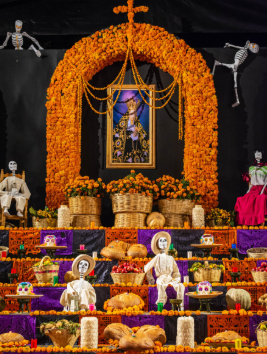
Our first destination: Latin America. Here, the celebration is referred to as “La Noche de Brujas,” which translates to “The Night of the Witches.” While children of the region, which includes countries like Brazil and Argentina, go trick-or-treating, it is more common to dress up and go to local pubs or disco parties with friends. As is done on “Dia De Los Muertos” in Spain and Mexico, people of Latin American countries tend to take flowers to the graves of their loved ones on the first and second of November. This tradition goes way back to ancient civilizations like the Aztec and Mayans that held festivals to celebrate the souls of the dead. In some countries, families spend their nights singing and praying. While some people in Latin American countries worry Halloween will overshadow traditional celebrations, it is seen by many as a fun addition to the autumn holidays. The American style of Halloween festivities are also resisted by most people, as they prefer their own cultural holidays.
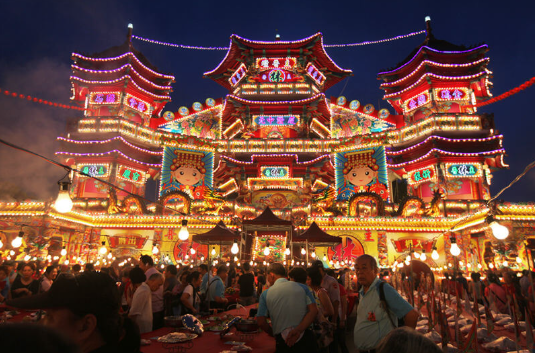
Next on our trip is East Asia. This includes China, Japan, Korea, Taiwan, and Mongolia. To much surprise, wearing scary costumes and makeup on Halloween is banned in certain areas of China. Halloween is a vibrant nightlife event in other parts of the region. There are many festivals, like the Hungry Ghost Festival, most popular in China as “Zhongyuan” Festival. This event includes Chinese Street Opera, water lanterns, and food offerings. Trick-or-treating isn’t very common here, so shops and hotels seize the festive season by decorating above and beyond and featuring Halloween-themed foods and drinks. Costumes are very common in Korea and Japan, blending their fun culture with Western traditions. These countries really tune in to the vibrant and spooky spirit of the holiday. Halloween in East Asia is more adult-focused with late-night street festivals. The holiday only became a popular celebration in the 1990s to 2000s in this area.
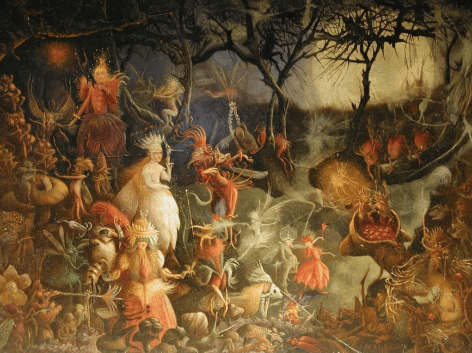
Let’s go back to where the tradition first came from. Halloween can be traced back to the ancient Gaelic festival of Samhain, celebrated on sunset of October 31st to November 1st. This Celtic harvest dates back around 2,500 years ago, and is mentioned in some of the earliest Irish literature from the 9th century. “Samhain” directly translates to “Summer’s End,” and is the modern Gaelic word for the month of November. The Celts believed that on this night, the boundary between the living and the dead blurred and the ghosts of the dead could walk the earth. On this day, people also lit bonfires and wore costumes to ward off ghosts, greatly resembling the fun traditions today. Halloween also has Christian roots from the 8th century. November 1st was designated as All Saints Day to celebrate the saints of the religion, and October 31st was made All Hallows’ Eve, which is where the name came from.
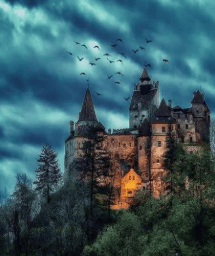
Everyone is familiar with the legendary vampire town, Transylvania. We’ve all heard stories of the undead bloodsuckers and tales of the infamous Dracula. I hope we’ve all seen the film, “Hotel Transylvania.” The citizens of Transylvania, which lies in western and central Romania, embrace the myths in their Halloween celebrations. The region has a seven-day tour, taking participants to many sites related to the vampire legends. Guests view many different historic castles, including the Poenari Castle from the 14th century; the Corvin Castle, where many believe Vlad the Impaler was once imprisoned; and the Bran Castle, which is said to be the most impressive structure in Romania. The Vlad Dracul House, which is Vlad the Impaler’s birthplace, is also toured. The infamous character, made famous in Bram Stoker’s novel “Dracula,” borrowed the name from the infamous prince, also known as Vlad III Dracul. On the night of October 31, the Bran Castle holds the main Halloween celebration annually. People dress up in dark costumes, tour the spooky castle, visit a Marquee party on Castle grounds, and can even have a fine-dining experience inside the castle.
Many countries have a tradition special to their culture and identity that is similar to our spooky season. Even though Halloween is celebrated in different ways around the world, each version brings its community together for a bright and festive season. Getting to know different cultures is a great way to bring the world together, and we get to put a fun spin on it for the Halloween season!

