Another debate season is in the books! The Hanover High School team made great individual progress and improved dramatically this year. Sure, our competitive spirit makes us want to beat our opponent in each match, and two of our debaters finished at the top of the league. However, standings and sheer results don’t tell the whole story of our growth as a team. The continuous development of each person’s skills, confidence and general understanding of how to prepare for each match progressed week after week.
It’s amazing to think about my freshman year, when the club was just a couple of seasons old and the group was still learning the basics of cross-examination and rebuttal. Five years after its founding, the program has become a well developed, accomplished and competitive machine. During the season, debates progressively strengthen in structure. As a result, we have to constantly enhance our ability to think on our feet in an effort to become more effective speakers. It’s gratifying to watch everyone’s success knowing how hard each teammate has worked and the effort put in to getting better.
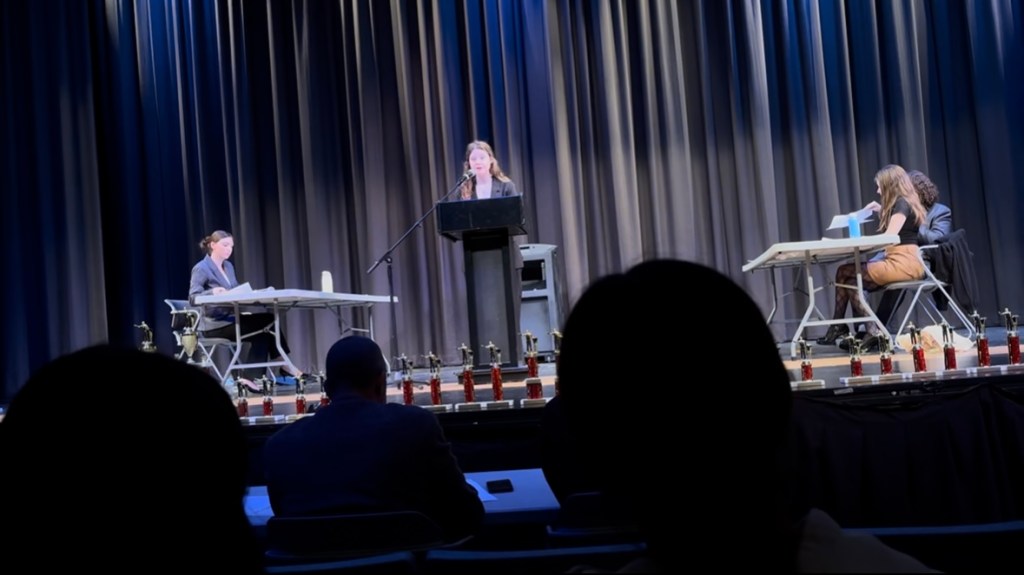
People outside the world of debate may be unaware of how exactly the competition works. As one of 15 schools in the Southeastern Massachusetts Debate League, Hanover takes part in five meets each year. Each meet has two rounds, and debaters are paired up with students of similar abilities in Novice or Varsity divsions. Debaters are given a topic to resolve, with this year’s focusing on government funding of research and development in the Arctic. Two-person teams are designated as “affirmative” or “negative;” affirmatives write an argument and find data to back up their points, and negatives conduct research to anticipate and disprove those arguments. At each debate, an affirmative from one school faces a negative from another, and they engage in a series of arguments and rebuttals in front of a judge. The team that best delivers their case, based on several criteria, wins the debate. Debaters can earn individual speaker points for persuasiveness, organization, charisma and style. From one meet to the next, debaters strive to increase their knowledge and improve their performances.
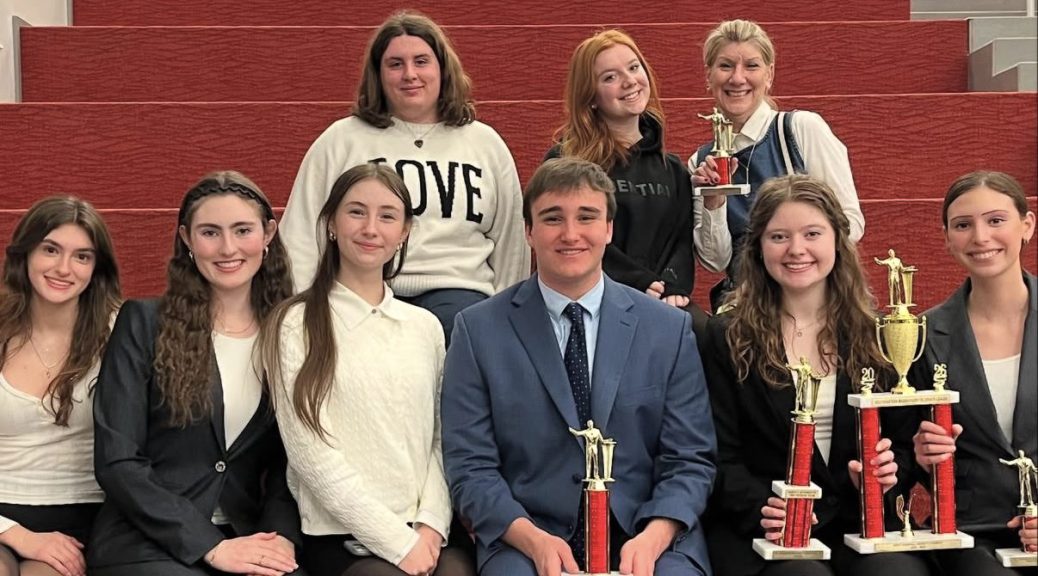
Abbey Corbo and Alana Cole
This season, in particular, showcased our team’s progress through several impressive accomplishments. Seniors Abbey Corbo and Alana Cole competed in the league Finals, finishing in first place in the varsity division. Their accomplishments secured the 2026 debate league championship title for Hanover. I placed third in the league standing for the “negative” varsity speaker points, while freshmen Samantha Kwan and Avery Welch both had outstanding seasons.
Strong personal performances and consistency as a team throughout the season positions us well for next year! These achievements reflect not only individual talent but also our collective strength. As Mrs. Gately, advisor of the Debate Team, reflected on the season, she said she was proud of the team’s accomplishments and the way students worked hard to improve their arguments and debating skills. She also thanked seniors Cole, Corbo, Bradlee Dowling, Liam Anderson and Aine Scanlan for serving as talented debaters, leaders, and mentors to the novice members.
With each season, the debate program continues to build on its success, setting an even higher standard for the years to come. If interested in joining the team next year, when the resolve will focus on government-funded universal health care, please see Mrs. Gately in the World Languages wing.
Alana Cole and Abbey Corbo on their way to first place in the league championship.
On April 22nd, our country will celebrate the 56th anniversary of the world’s largest environmental movement: Earth Day. On this day, billions of people across the globe come together to honor the planet we call home. From attending protests to planting trees, and even contacting elected officials about environmental policies, this movement has inspired many to take action and promote environmental protection. Yet, how did this celebration begin? And how can the public support the environment and show appreciation to planet Earth?
The History of Earth Day
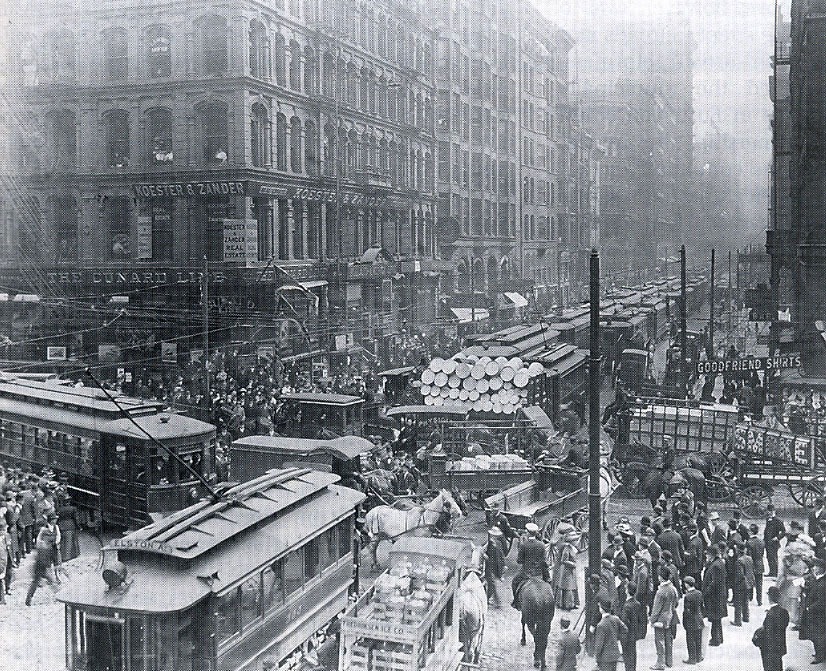
In the decades leading up to the first Earth Day in 1970, our environment was in a devastating state. In urban cities across the country, pollution from automobiles and factories filled the air with smoke, raw sewage and oil spills flowed down the streets, and pesticides threatened to end the life of Earth’s most beautiful creatures. Deforestation reached unprecedented levels, and dangerous toxins turned the once fresh and pure air into a dark, suffocating smog. Our planet faced a grim future.
Chicago in the mid 1900s on the brink of environmental disaster.
Despite these ecological tragedies, many individuals were largely unaware and detached from the environmental issue. Far too consumed by materialism and a desire for wealth, the majority of Americans became largely oblivious to the devastating impact their industrial endeavors were having on the planet. However, a few brave and dedicated individuals who recognized the need for action spoke out and inspired a movement for environmental change.
The Environmental Pioneers
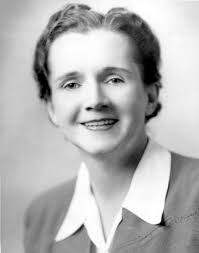
Rachel CarsonSenator NelsonDenis Hayes
As industrialization in the United States accelerated in the mid-20th century, so did the use of chemicals and pesticides due to their ability to boost agricultural production. However, with this practice came a devastating cost to the Earth and its living creatures. This threat of environmental disaster inspired marine biologist and nature writer Rachel Carson to write her world-renowned book, Silent Spring, which exposed the dangers that pesticide use, specifically DDT, posed for the Earth and all its creatures. Silent Spring, published in 1962, emphasized the need to protect the natural world, arguing that instead of industrial pursuits and economic success, “the real wealth of the Nation lies … in the resources of the Earth: soil, water, forests, minerals and wildlife.” Her scientific work, which sold over 500,000 copies in more than 20 different countries, is widely regarded as the first foundational act of modern environmental activism, and is credited with galvanizing the conservation movement in the United States.
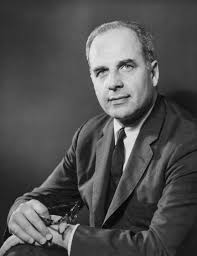
Largely influenced by Carson’s Silent Spring and the 1969 Santa Barbara oil spill, Wisconsin Senator Gaylord Nelson was propelled to address the environmental crisis. Witnessing how both the public and the federal government were failing to address the environmental issue, Nelson organized a national demonstration to raise awareness about the importance of protecting the environment. Nelson recruited Denis Hayes, a prominent American environmentalist, to coordinate the nation’s very first Earth Day in 1970. In order to maximize student participation in the movement, Hayes chose to hold the event on April 22nd, which fell between Spring Break and final exams. The first Earth Day inspired over 20 million people throughout the country to protest against the impact of industrial development and the government’s failure to address the present environmental destruction. This national demonstration resulted in unprecedented success, leading to the creation of the United States Environmental Protection Agency (EPA), as well as legal mechanisms to protect the environment, such as the National Environmental Education Act and Clean Air Act. In addition, and due in large part to Carson’s profound influence, the usage of DDT was banned. Earth Day continued to grow and became a global holiday in 1990.
Over 100,000 people marched in New York City on the first Earth Day in 1970, making it the largest U.S. gathering that year.
Continuing the Legacy
We only get one Earth, one planet to support life today and for centuries to come, which is why it is vital that we protect it. Despite the remarkable success of environmental pioneers such as Rachel Carson and Gaylord Nelson, many activists argue there is still more work to be done to continue to honor the legacy created for us.
Today, global warming is accelerating at an unprecedented rate. With the increased emission of fossil fuels into the atmosphere, the future of our Earth is at stake. According to deputy executive secretary and climatologist Ko Barret, “Between 2015 and 2025, we experienced the hottest 11 years on record.” This rapid increase in global temperatures is only expected to increase in the years ahead, posing a significant threat to life and Earth’s biodiversity. This has caused activists around the world to urge the community to take action in order to reverse the effects of global warming and save our planet Earth. Below are some of the most effective ways of getting involved in our modern environmental movement.
Reduce, Reuse & Recycle
The “Three Rs” refers to the foundational principle of waste management: Reduce, Reuse, and Recycle. This principle is crucial to protecting the Earth and is one of the easiest ways to take care of our planet. The first part of this principle is reducing the amount of material we use. Some of the simplest ways to do this include buying household goods in bulk to reduce the amount of plastic packaging used and choosing digital alternatives over paper options. By reducing the amount of material we consume, we significantly reduce the amount of waste that needs to be recycled and sent to landfills. The second step in this principle is reusing materials and products. This means opting for reusable alternatives over single-use options, such as using reusable water bottles, utensils, and shopping bags. This actively conserves precious natural resources and protects wildlife habitats that are being threatened by the increased use of consumer goods. The last, and probably the most important part of this principle, is recycling. Recyclable materials include, plastic bottles, aluminum cans, cardboard, and glass containers. Recycling these discarded materials significantly limits the amount of waste produced, and thus helps to conserve Earth’s resources.
Plant a Garden
Considering how much we take from the natural world, planting a garden allows us to add something to it, and support the planet’s biodiversity. The addition of plants, flowers, and fruits to the natural environment significantly improves air quality, which is being increasingly threatened by global warming. Since plants take in carbon dioxide through photosynthesis, this reduces the carbon in the atmosphere and helps to mitigate global warming. The leaves of trees and plants also help to remove harmful dust particles from the air, which can be detrimental to Earth’s living creatures. Additionally, planting a garden helps to reduce runoff and conserve water, which limits harmful chemicals from entering bodies of water that are dangerous to wildlife. This also benefits the soil by adding moisture and nutrients to enhance its overall health and value. Planting a garden with plenty of fruits and nutrients helps support pollinators and other creatures, such as birds, bees, and butterflies, who rely on fresh vegetation to live.
Conserve the Earth’s Water Supply
Did you know that only about 3 percent of the earth’s water is fresh water? And that only about 0.5 percent of that fresh water is available due to a large majority being locked in glaciers and ice caps or highly polluted? As the population on Earth continues to increase, we need to be aware of the importance of conserving our planet’s water supply before it is too late.
In today’s society, with the rising usage of artificial intelligence, our water supply is facing a new threat. This is due to the fact that the data centers that control large AI models require significant amounts of power to run the advanced form of technology. In turn, this immense power causes the emission of large amounts of heat, which requires vast cooling systems to counteract the heating process. These cooling systems often rely on an abundant supply of freshwater, which threatens our environment’s water supply, which is already low.
Other than limiting AI usage, other great ways to conserve water include, turning off the faucet when brushing your teeth, shortening the length of your showers, and running the dishwasher and washing machine only when fully loaded. In addition, it is important to dump leftover ice from your drinks in the sink, rather than in the trash. This habit saves water by allowing it to re-enter the water supply and not be lost in the garbage.
Support Your Local Farmers Market
Another simple yet effective way to support the environment is by shopping at your local farmers market. Purchasing locally grown produce allows farmers to continue practicing sustainable agriculture, which is healthier for the environment than conventional farming. This is due to the fact that large-scale producers typically use an abundance of pesticides and chemicals that are harmful to the environment. Also, products sold at local farmers markets travel shorter distances compared to imported goods, and thus release less transportation- related pollution.
The Hanover Farmers Market in our hometown opens for its 6th season in May of this year. The market will be open from 10:30am – 1:30pm on the third Sunday of each month from May to October. This year, organizers are planning to hold this event on the green at Hanover Crossing. To learn more about our local farmers market click the link.
Join Environmental Clubs
If you are interested in more ways to help the environment, you should consider joining an environmental club. Our school offers Dirty Works Club, Eco-Club, and Green Team, which all make a positive impact on our community!
Supporting the environment can make a difference in our own lives and for generations to come. Considering all the amazing things our planet does for us, every day should be Earth Day!
Zewe, Adam. “Explained: Generative AI’s Environmental Impact.” MIT News, Massachusetts Institute of Technology, 17 Jan. 2025, news.mit.edu/2025/explained-generative-ai-environmental-impact-0117.
Hanover High School students have earned recent accolades in the areas of music, art, and public speaking. Whether on the stage, in the studio or at the podium, these Hawks have shown that hard work, creativity, and passion can help you soar.
Vocal and Instrumental Music
After being postponed by the Blizzard of 2026, the HHS Jazz Ensemble finally got to perform at the MAJE Cape Cod-Coastal Jazz Festival at New Bedford High School on March 3. After extensive rehearsals, sectionals, and individual practice, students performed for three adjudicators. The ensemble received a Silver Rating, improving by several points from our last trip in 2024 and a hiatus due to budget constraints last year. After the performance, the band received a clinic from George Murphy, retired band director and decorated jazz educator from the Foxboro Public Schools. The band will incorporate feedback from all of the adjudicators as we prepare for our spring performances and beyond. Special awards were given to juniors Maria-Rita Silva, Daniel Freedman, and Ronan Blum for outstanding musicianship.
HHS Jazz ensemble performs at MAJE
Anna Dillon and Avery Porro, both juniors, were accepted into the Massachusetts Music Educators Association All-State Festival. Anna qualified for the Treble Choir and Avery made the Mixed Choir. They were chosen from more than a thousand Massachusetts students who auditioned in January. The festival will take place March 20-21 in Worcester, where top students from across the state will work with collegiate and professional conductors at the top of the field. The ensembles will perform an afternoon concert at the Hanover Theatre in Worcester on March 21.
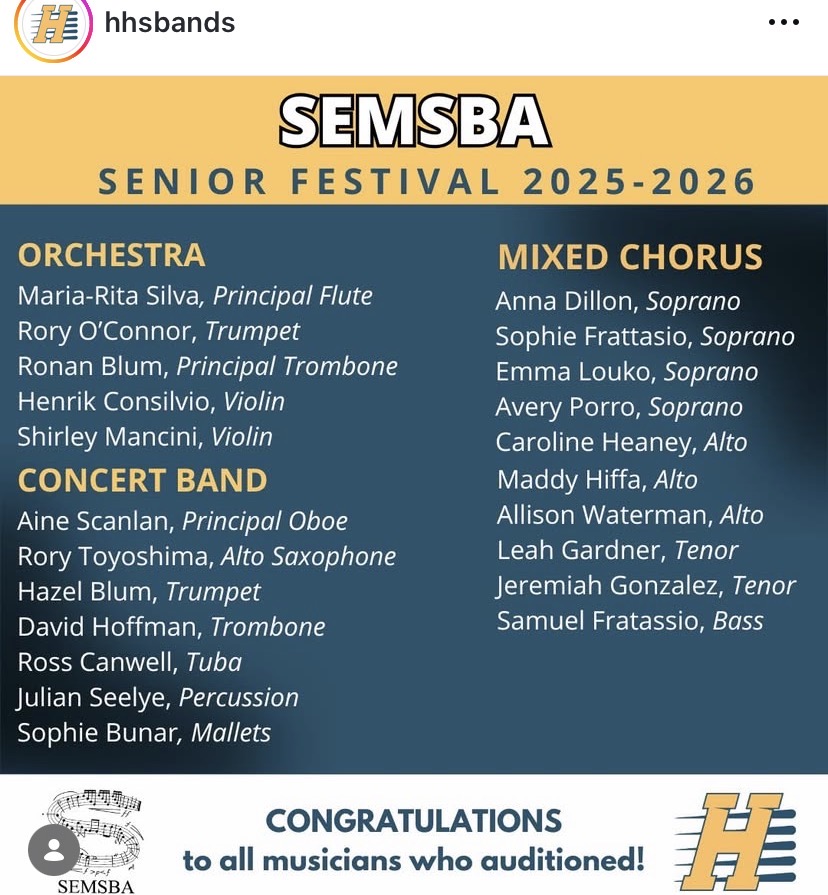
Anna, Avery and 20 other HHS students were accepted to the SEMSBA Senior Festival after auditions Feb. 7, a record number for our school (see image below for full list). SEMSBA, which is the Southeast Massachusetts School Bandmasters Association, will combine students from the region’s schools for performances to be held March 13-14 at Plymouth North High School and Plymouth Memorial Hall.
Junior Maria-Rita Silva and sophomore Ben Smith were selected for the High School Honor Band, an annual program run by the UMass Amherst Music Department. Ben played principal Baritone Saxophone in the Bronnenkant band and Maria-Rita played principal/solo flute in the Westgate band. The students had sectionals and master classes with UMass applied faculty and current students, and then rehearsed with other students from across Massachusetts for a performance on Feb. 21 at the UMass Fine Arts Center. A highlight was the chance to work with Michele Fernández, a professional composer and conductor.
You can hear these talented musicians and more in performances at the Hanover District Arts Fest on April 7 and the Spring Concert on April 30, both at HHS. Congrats to all the performers, and to music teachers Mr. Harden and Mr. Wade for their instruction and support.
Screenshot
Scholastic Art Awards
Juniors Siena Oliver and Owen Cleary were recognized by the Scholastic Awards, a competition among teens across the United States and Canada. Siena won a Silver Key for her piece “Beach Day,” rendered in colored pencil on paper. Owen won honorable mention for his pieces “Monster” and “Empty,” which were both made with graphite on paper.
The Scholastic Awards is the nation’s longest-running and best-known recognition program for creative teens. Each year, more than 100,000 students in grades 7-12 enter their art and writing for a chance to receive recognition, exhibition, and scholarships. While students submit their own work, they are guided at HHS by art teachers Mr. File and Mrs. Curley.
You can see more work from these and other talented artists at the Hanover Schools District Arts Fest at HHS on April 7.
Click on an image to see a larger version and a caption.
Lions Club Speech Contest
Junior Siena Oliver has advanced to the state round of the Lions Club Youth Speech Competition, the first HHS student to do so in recent history. The annual contest, sponsored by the international service organization, gives high school students a chance to write and then present publicly a speech on a topic of general interest. This year’s prompt was “what can past America teach future America?” Siena spoke about how letters from historical figures such as Abigail Adams, Martin Luther King Jr., and ordinary people teach us to stay connected today despite technological advancements. Her speech included a story about writing to President Barack Obama when she was little and asking him to be her pen pal; he wrote back! Siena won the school and district competitions to advance to states, which will be held March 28. About 400 students from across Massachusetts take part in the speech contest each year.
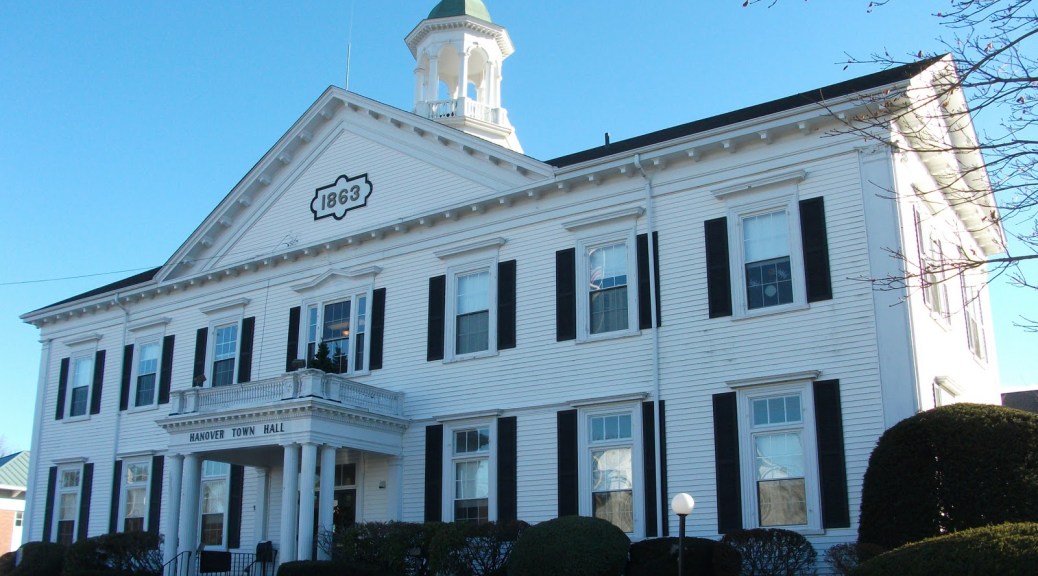
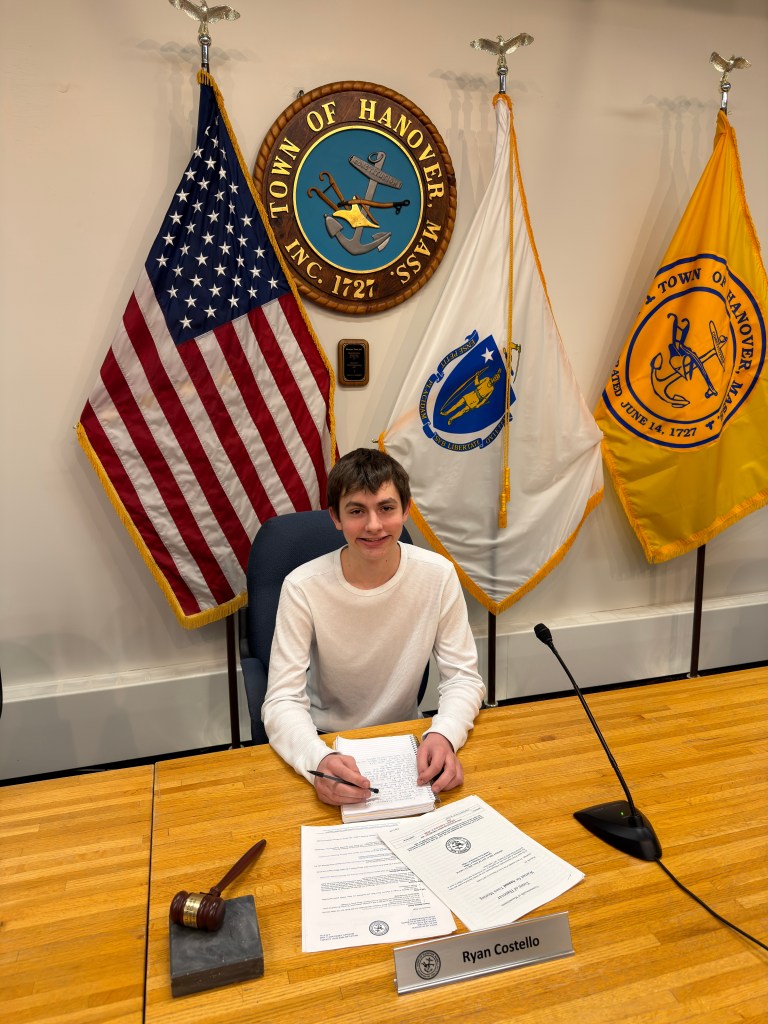
After three months as an intern in the Hanover municipal government, I have learned a surplus of knowledge of its functions and operations. Working with Town Manager Joe Colangelo, I have been assigned tasks and projects that have broadened my understanding of local government. I have had the privilege of attending various meetings, such as the Select Board, Advisory Committee, Conservation Commission, and Bylaw Review Committee. I have read and discussed the Town Manager Act and Hanover General Bylaws to understand why we have certain rules, regulations, and a complex system of government in place. I learned key administrative and organizational skills to help me in the workforce. I’ve even encountered challenging subjects involving the town’s budget with an override and levy limit. Since students are impacted by the decisions of the town government and will eventually have their own say, I wanted to share a quick rundown of some municipal operations.
The Special and Annual Town Meeting is the gathering of registered Hanover voters who weigh in on articles proposed to address different concerns. It is where people make decisions on spending taxes and other rules that guide town operations. The elected Town Moderator directs the meeting in a fair and orderly fashion, guiding the public comments and the voting procedure to make sure everything runs smoothly. Some items that people vote on are the budget, spending, bylaws, and zoning. This is a direct form of democracy in which the people use their legislative power to vote for an article (aye) or against an article (nay). The Annual Town Meeting occurs on a yearly schedule, while a Special Town Meeting is called as needed to address urgent issues that cannot wait. This year’s Special and Annual Town Meeting is set for Monday, May 4, beginning at 7 pm in the Hanover High School auditorium.
The Advisory Committee is a nine-member group appointed by the Town Moderator that represents the legislative body of the town and guides voters on their decisions on proposed articles. Many articles are submitted by town officials or departments, but constituents can also submit articles in the form of a petition. With enough signatures — 10 for the Annual Town Meeting and 100 for the Special Town Meeting — the article can be presented to the Town Meeting. This year, there is a petition for an article led by Lexie Schiller, a junior at Hanover High School, that would create a new section in our bylaws to reduce the use of single-use plastic bags.
The Town Manager is the chief executive officer of the town and is appointed by the Select Board. This position is usually held by someone with experience in business administration or public management. They are in charge of all non-elected department heads, including the appointment of the Police and Fire Chiefs. They also ensure that all the policies adopted by the Select Board are carried out effectively. The Town Manager directs the town’s administrative functions, including preparing the annual town budget alongside the Budget Director to ensure the town is financially stable. If the Select Board sets a vision or policy for the town, the Town Manager is the one who executes it.
The Select Board, made up of five at-large members, is the elected leadership of the executive branch of the Hanover government. They establish the overall policy and priorities of the town and have the ability to hire and remove, if necessary, the Town Manager. The Select Board reviews and approves budgets before they go to Town Meeting to be voted upon. They grant different business licenses and permits for possessions such as alcohol. The Select Board acts as a bridge between the residents and town officials. They create the Annual and Special Town Meeting warrants for the legislative branch to consider. They are elected for a three-year term and run during the Annual Town Election in May. The Select Board, like some other committees, has a Chair and a Vice Chair. The Chair runs the meetings and is the spokesperson of the Select Board. The Chair also guides the group’s decisions on issues and is in direct contact with the Town Manager. Meanwhile, the Vice Chair supports the Chair and runs the meetings when the Chair is absent.
After reading all of this information, you may wonder, how does this impact me? Well, many high school students are at voting age or close to it, and therefore have a say in Town Meeting or at the polls. The decisions made in municipal government can impact students, as has been felt in recent budget votes and overrides. Snow days are determined by the Department of Public Works in cooperation with the Superintendent of Schools and the Town Manager. Voters can impact decisions on new parks, police cruisers, sidewalks, and town bylaws. If you want to engage in the decisions made in this town, I encourage you to fulfill your civic duty by listening to what is going on and voting when you’re eligible. Volunteering is welcome at Town Hall or other public facilities if you want to get more involved. If you have an issue with something, do not be afraid to reach out. Everyone has a voice in this town, so let it be heard.
Oftentimes, having a deeper understanding of a nation’s history allows us to understand why it takes certain actions in the present. Venezuela is one nation in particular with a long and tumultuous history, which must be taken into account to understand the current political situation.
It’s easy to see why many Venezuelans anticipate reform with the capture of President Nicolás Maduro by the US military, which was ordered by President Trump in early January. In fact, a 2017 poll by Datanálisis, a respected Venezuelan research firm, showed that 80 percent of Venezuelans desired Maduro’s removal. President Maduro has caused great harm to his nation’s economy, government, and people since taking office in 2013. Due to the severe economic debilitation, persistent social unrest, and blatant election fraud under Maduro’s administration, conditions nationwide have worsened. Venezuela is experiencing one of the largest displacement crises in the world as millions try to escape terrible living conditions. Over 80 percent of Venezuelans live in poverty under a socialist government. The murder rate of natives has increased to 91 percent, surpassing that of the most dangerous cities in the world. According to research by the United Nations Refugee Agency, over 23 percent of the population has fled the country since Maduro was elected into office.
Maduro’s predecessor, Hugo Chávez, built an economy dependent on oil exports. During his presidency, oil generated significant income for Venezuela, making up approximately 95 percent of export earnings at its height. This boost in national income provided an incentive for the government to spend over $230 billion on social programs and nationalization. Although Chávez succeeded in reducing poverty by 26 percent with social welfare programs–federal food subsidies and improvements in education and health care, these reforms relied on a thriving economy. When Maduro came into power, he failed to adjust to a dynamic market, and a significant decrease in oil prices proved to be devastating for the economy. Venezuela fell into a massive spending deficit―around 17 percent of its Gross Domestic Product (GDP). This number only increased over the course of Maduro’s presidency.
Now, Venezuela has the highest rate of inflation worldwide—almost 946 percent at its peak, making food and medicine virtually inaccessible. After oil prices fell, its GDP declined a whopping 35 percent — more than that of the United States during the Great Depression. And instead of working to resolve the economic crisis, Maduro gave government officials, military elites, and close business associates access to an exclusive exchange rate, which they could profit from in the black market. As the gap between the black market exchange rate and hyperinflation rates grew, Maduro’s elite allies continued to profit from economic debilitation, often working with the Central Bank–Venezuela’s national bank–to artificially maintain low exchange rates.
Along with crippling the economy, Maduro has been accused of electoral fraud by multiple democratic countries and organizations, turning out elections that were statistically improbable and did not qualify as democratic. For fear that he was losing power from the representative branch of government—the National Constituent Assembly, he replaced the body altogether in 2020. This led to massive protests nationwide. Instead of resolving this issue, Maduro utilized the military and law enforcement to attack, oppress, and detain peaceful protestors. Many propaganda outlets blamed the violence on the opposition, despite Maduro having escalating the situation.
Free speech is not a constitutional right in Venezuela. In fact, the Human Rights Watch covered the brutality, torture, and political persecution of protestors nationwide. They detailed how armed security forces and pro-government groups attacked protestors using extreme force, causing dozens of deaths and hundreds of injuries. Thousands of civilians were detained and prosecuted in military courts without trial. The government also sent intelligence agents into homes or onto the streets to detain people without reason and at random.
On top of having no due process, those in custody have been subjected to various forms of torture and abuse. In a joint report by the Human Rights Watch and the Penal Forum, there have been at least 88 cases involving at least 314 people whose human rights were infringed upon. Despite obvious evidence of human rights violations, no indication had been made of any legal consequences for the aggressors’ actions, which the Human Rights Watch called a humanitarian crisis. Therefore, high-level officials not only bear responsibility for these actions but blatantly permit them. The majority of Venezuelans—90 percent—desire government reform. Despite their persistent protests since Maduro’s election, there has been little to no reform in government.
Since the capture of President Maduro, Delcy Rodríguez — the Vice President of Venezuela — has taken charge of Venezuelan goods and government as the acting president of the regime. Rodríguez has publicly reinforced the legitimacy of the regime while President Maduro remains in US custody. It seems as though Rodríguez does not hold favor with the majority of Venezuelans, who are impoverished and increasingly restless.
The leader of the opposition, María Corina Machado, has attempted to run for President in the past but was barred by the Venezuelan government. Despite the government corruption, Machado believes that Venezeula can return to a fair democracy, starting with the removal of Maduro. On the other hand, the severe economic debilitation, persistent social unrest, and blatant election fraud in Venezuela are a significant precedent that prevents a full transition to a democratic government. After all, mass protests have been omnipresent for a decade, and they’ve caused little change in government. But Machado stated that the Venezuelan people have already unified over political oppression, so they will succeed in reforming the government together, as 90 percent of Venezuelans share the desire to reform the corrupt administration. In her opinion, the absence of religious, social, and racial tensions within the populace is a promising sign of national unity, yet the obvious political tension between the administration and its people remains prevalent. The future remains uncertain in the midst of a dynamic political environment.
Currently, the Trump administration is attempting to reinstate diplomatic relations with Venezuela, despite having just arrested its leader. President Trump has made some progress, encouraging a new amnesty bill in Venezeula that could lead to the release of dissenters, including politicians, activists, lawyers and many others. This would be a public acknowledgement that the Venezeulan government has held hundreds of people in prison for political motivations, marking the beginning of much-needed reform in modern Venezuela.
“Eight Million and More Vote in Venezuela Election.” Thevincentian.com, 2017, thevincentian.com/eight-million-and-more-vote-in-venezuela-election-p13696-149.htm. Accessed 21 Jan. 2026.
Puyosa, Iria. “Venezuelan Government Strategies for Information War on Twitter.” SSRN Electronic Journal, 2018, https://doi.org/10.2139/ssrn.3459724. Accessed 24 Oct. 2019.
The story of America cannot be told without the voices, struggles, and achievements of Black Americans. The idea of Black History Month was suggested by historian Carter G. Woodson in 1926. As the son of former slaves, Woodson aimed to challenge the erasure of Black history in education by establishing a dedicated period for celebrating Black contributions to the American story. As a Harvard-trained historian, he launched this initiative under his organization, The Association for the Study of Negro Life and History, now known as the Association for the Study of African American Life and History. Originally, the commemorative week was chosen to coincide with the birthdays of Abraham Lincoln, Feb. 12, and Frederick Douglass, Feb. 14. The celebration was expanded to the entire month of February in 1976, during the U.S. bicentennial year. That year, President Gerald Ford urged Americans to “seize the opportunity to honor the often neglected accomplishments of Black Americans.”
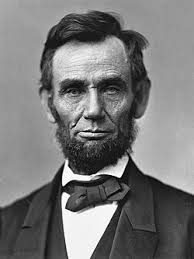
Abraham Lincoln
As the president who signed the Emancipation Proclamation on January 1, 1863, Lincoln’s impact on the history of Black freedom cannot be understated. In addition to “freeing slaves,” Lincoln also authorized the enlistment of approximately 190,000 African-American men into the Union Army. Though even today the battle against prejudice and racism still rages, and segregation along with Jim Crow laws persisted nearly a century after emancipation, Lincoln’s actions represented a great step toward equality.
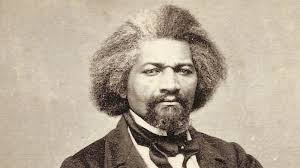
Frederick Douglass
Frederick Douglass was born Frederick Augustus Washington Bailey in February, 1818, in Talbot County, Maryland, to an enslaved mother and an unknown white father. Separated from his mother as an infant and raised by his grandmother, he was sold to the Auld family in Baltimore at age 8. Despite laws against it, Sophia Auld taught him the alphabet. He subsequently taught himself to read and write, viewing literacy as a path to freedom. As a teenager, he was sold to notorious slave breaker Edward Covey, where he suffered intense physical abuse before fighting back. In 1838 he disguised himself as a sailor to escape, later settling in New Bedford, Massachusetts with his new wife. Douglass became the most important leader of the movement for African American Civil Rights in the 19th century, gaining fame for his incisive anti-slavery writings and speeches. He published famous anti-slavery newspapers like the “North Star,” advising presidents and championing women’s suffrage and civil rights. His brilliant speeches and writings provided a powerful counter-narrative to pro-slavery arguments, making him an essential figure of history. During the Civil War he advised President Lincoln on emancipation and the treatment of Black soldiers. He fought for voting rights for African Americans and women, holding positions including US Marshal for the District of Columbia and Minister Resident to Haiti. He died in 1895 in Washington D.C., remaining an active, influential advocate for human rights until his final day.
Of the many figures we celebrate in Black History Month, some of the most familiar include Harriet Tubman, Martin Luther King Jr., and Rosa Parks. They all significantly contributed to American as well as Black history.
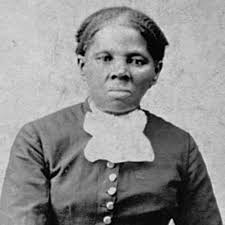
Harriet Tubman
Harriet Tubman was a civil rights pioneer, abolitionist, and courageous American humanitarian. Born into slavery in Dorchester County, Maryland, around March 1822, she was the fifth of nine children and was hired out at age six, often enduring physical abuse and neglect. At age 12, an overseer threw a heavy iron weight that struck her head, causing severe seizures, headaches, and narcolepsy that lasted her entire life. In 1849, facing the threat of being sold, she fled to Philadelphia using the Underground Railroad. Over the next decade, she made approximately 13 trips back to Maryland, liberating family members and friends. She guided approximately 70 enslaved people to freedom. She traveled in disguise, moved by night, and relied on a network of safe houses. She later served in the Civil War as a nurse and scout for the Union army, and was the first woman to lead an armed assault during the Combahee River Raid, freeing over 700 people. After the war, she settled in Auburn, New York, supported women’s suffrage alongside Susan B. Anthony, and helped care for the elderly. In 1913, she passed away from pneumonia and was buried with military honors.
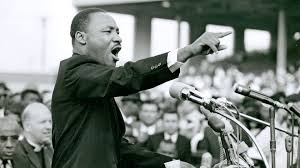
Martin Luther King Jr.
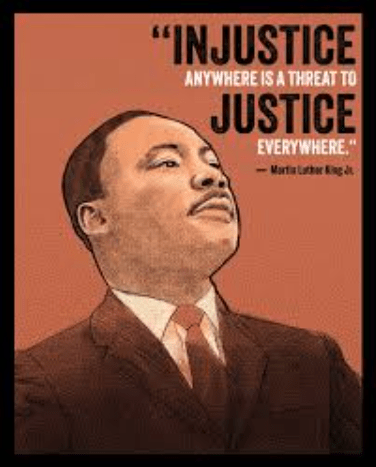
Martin Luther King Jr. was born in Atlanta, Georgia on Jan. 15, 1929. His father was an early civil rights leader who protested voting discrimination. As a gifted student he entered Morehouse College at age 15, later earning a sociology degree, a Bachelor of Divinity from Crozer Theological Seminary, and a Ph.D. in Systematic Theology from Boston University. Dr. King was a leader of the Civil Rights Movement. He’s famously known for his “I Have a Dream” speech at the March on Washington, helping pass landmark legislation like the Civil Rights Act of 1964 and the Voting Rights Act of 1965. He helped lead the Montgomery bus boycott, which led the Supreme Court to rule segregated public buses unconstitutional, and he was awarded the Nobel Peace Prize in 1964 for his commitment to achieving racial equality and justice through nonviolent means. Dr. King was assassinated on April 4, 1968 in Memphis, Tennessee by James Earl Ray.
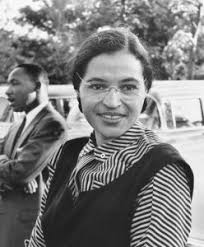
Rosa Parks
Rosa Parks, born Rosa Louise McCauley on February 4, 1913, was an activist known as the mother of the civil rights movement. She grew up experiencing strict Jim Crow segregation and intense racism, witnessing activities of the Klu Klux Klan as well as lynchings. She attended the private Industrial School for Girls and later the Alabama State Teachers College for Negroes. On December 1, 1955, in Montgomery, Alabama, she famously refused to give up her bus seat to a white passenger, violating segregation laws. Her arrest sparked the 381 day Montgomery Bus Boycott, a pivotal, successful protest that helped end public transportation segregation. As a result of the boycott, the Supreme Court ruled that segregated buses were unconstitutional, marking a major victory for the civil rights movement. Before her 1955 arrest, she was an active member of the NAACP, serving as the secretary of the Montgomery Branch from 1943 to 1956. She traveled to Alabama to investigate documented cases of sexual assault and racial violence against Black individuals. When Parks was arrested for disorderly conduct after refusing to move to the back of the bus, she later stated she was not tired physically but rather “tired of giving in” to segregation. Due to death threats and difficulty finding work in Alabama, she moved with her husband to Detroit, Michigan, in 1957, where she continued fighting racism in the North. She was awarded the Presidential Medal of Freedom in 1996 and the Congressional Gold Medal in 1999. Parks passed away on October 24, 2005 in Detroit.
Black History Month is not just about remembering the past — it is about understanding how that past shapes our present and inspires our future. By studying and celebrating these historical figures, we can learn how to face problems of injustice and intolerance that still trouble society today.
Hanover High School will see a familiar face step into a new role this spring, as longtime educator and curriculum director Matthew Plummer prepares to succeed retiring Principal Matthew Mattos in April. Mr. Plummer, or “Plum” as students and staff call him, was a 1985 HHS graduate who has spent more than three decades serving the school as both a teacher and administrator. He was formally announced as the next principal in a December message to families from Superintendent Matt Ferron.
For many in Hanover, Mr. Plummer’s selection represents a choice for both continuity and growth at the high school. At the January 7th School Committee meeting, he emphasized that even a strong school like HHS should “continue to look for ways to improve,” outlining priorities such as reviewing the NEASC accreditation report, exploring potential changes to the schedule, and expanding courses in financial literacy, communications, and artificial intelligence. He also shared a long-term goal of building a working greenhouse on campus that could support science classes and serve as a space where “any student who really wants to can can go pick up a carnation or a mum and bring it home to their parents,” underscoring his belief that “it’s always about the students” and that the school’s job is to create as many opportunities as possible for them to shine.
As the school looks ahead to this transition, the community is also taking time to recognize the impact of Principal Mattos’ tenure. Since stepping into the role in 2021, he has guided the building through the post-pandemic period, overseeing major initiatives while maintaining a steady, student-centered focus. Under his leadership, HHS introduced the Vision of the Graduate framework, Mission Mondays, the Friday music challenge, and other traditions that have helped define the school’s culture and strengthen a sense of community. Colleagues and families credit his thoughtful transition planning with positioning HHS for a smooth change in leadership this spring, and many express a deep appreciation for the way he has kept students at the center of every decision.
As we move into this next chapter, the change from Mr. Mattos to Mr. Plummer signals both gratitude and optimism about the future. With a “homegrown” principal focused on student opportunity and a community eager to support him, the school appears well-positioned to build on its strengths while continuing to evolve.
References
Evans, Justin. “‘Homegrown’ Leader Matthew Plummer Named Next Principal of Hanover High.” South Shore News, 15 Jan. 2026,
“Upcoming Leadership Change at Hanover High School 12/18/25.” Hanover Public Schools, 18 Dec. 2025,
Every winter, students across the country find themselves asking the same hopeful question: Will there be any snow days?
Over the last weekend of January, towns across Massachusetts were buried in nearly two feet of snow. Following this powerful winter storm, schools across New England were closed, some even for two days. This was the first real snow day our school has had in years and has many students wondering if this past snow day will not be the last.
It is not hard to notice the similarities between this recent winter storm and the infamous blizzard of 2015, which initially hit New England on the exact same date, January 26th, and brought over two feet of snow. This resemblance has some people wondering if this season will mirror the winter of 2015, which covered towns across Massachusetts in a record-breaking 100 inches of snow, and led to relentless school closures where even the students grew tired of the cancellations. Yet, others are speculating that this past snowstorm may have been this winter’s last hurrah before giving way to an early spring.
In order to make an accurate predication about the forecast for this year’s snowfall, it is important to consider the scientific factors that influence the winter weather of Massachusetts.
Oceanic Nino Index
The Oceanic Nino Index is a dataset used by meteorologists to measure the differences in normal sea surface temperatures in the east-central Pacific region. La Nina is a climatic pattern that describes the periodic cooling of surface-ocean temperatures in the equatorial region of the Pacific Ocean. It is considered to be the counterpart to El Nino, which is the pattern of unusually warm ocean temperatures along the tropical west coast of South America. La Nina brings warmer, drier conditions to parts of the southern US, and colder, snowier conditions to the New England area, while El Nino typically brings warmer and wetter weather conditions.
This winter, meteorologists predict weak La Nina conditions, which are expected to be mild in intensity and fade later in the season. For New England, this suggests colder-than-average temperatures and an increased chance of snow in December and January, followed by milder conditions in February and March.
When La Nina is weak, the northern US gets colder and wetter.
Eastern Pacific Oscillation
Another important aspect to consider when determining the weather trends for this winter is the Eastern Pacific Oscillation, often referred to as the EPO. The EPO is a pattern of atmospheric flow across the Eastern Pacific region and can have a strong influence on how much cold air reaches North America. This season the EPO is in a negative phase, which means that a high-pressure atmospheric ridge is building near Alaska and blocking the typical west-to-east flow of mild Pacific air. For the northern US, this ends up resulting in colder than average temperatures. Since cold temperatures are a key ingredient for snowfall, this negative EPO could indicate higher-than-average snow totals for the northern region of the US. However, the negative EPO does not always guarantee frigid temperatures for Massachusetts, as warm Atlantic waters near the coast can moderate the cold temperatures created by the negative EPO. This could mean that precipitation could fall as rain instead of snow. Overall, the impact of the EPO on snowfall in Massachusetts is uncertain; however if the cards align, there is a chance for some more significant snowstorms in the future.
Pacific Decadal Oscillation
The Pacific Decadel Oscillation refers to a long-term ocean temperature fluctuation of the Pacific Ocean. The PDO varies from a “cool” or “negative” phase to a “warm” or “positive” phase every 20 to 30 years. This year we are experiencing a strongly negative or “cold” PDO. This means colder-than-normal conditions in the Pacific Northwest, but means warmer-than-normal temperatures across much of the country, including Massachusetts. In July 2025, the PDO reached the most negative value on record which was associated with record-breaking warm summer temperatures in New England. The last several winters had these same strongly negative PDO patterns, which likely played a part in the less snowy winters experienced in New England.
The Polar Vortex & The Jet Stream
The polar vortex is a wide low pressure area of swirling cold air located in the atmosphere of the polar regions. However, this year, the polar vortex is predicted to weaken. This means that this system filled with Arctic air can break off and flow south, bringing its cold air with it. When the polar vortex is strong and stable, it keeps the jet stream in its normal path. The jet steam is a band of strong wind located in the upper atmosphere that encircles the earth and plays a critical role in keeping colder air north and warmer air south. However, as the polar vortex weakens, the jet stream begins to wobble, causing cold shots of frigid air to travel into the mid-latitudes, including Southern New England. This favors a colder & snowier winter in New England.
The weak polar vortex causes the Jet Stream to become wavy.
Siberian Snow Theory
The Siberian Snow theory refers to the concept developed by climatologist Dr. Judah Cohen that the snowfall in Siberia can be used to determine the severity of winters in North America. Located in the northern Arctic region of Russia, Siberia experiences the Siberian High, a high-pressure atmospheric system that brings cool temperatures and snow beginning in early October. According to Dr. Cohen, an above-average snowfall in this region is likely to be followed by a colder and snowier winter season in New England. Last October, Siberia experienced a relatively average snow cover, which predicts average snow totals for the United States.
In summary, forecasts for this year’s winter season offer a mixed outlook:
A weak La Nina is predicted to bring a snowy December and January, followed by a milder February and March.
A negative Eastern Pacific Oscillation suggests the possibility of colder temperatures and snowstorms.
A negative Pacific Decadel Oscillation points toward a milder winter overall.
A weak polar vortex predicts a colder and snowier winter.
Finally, the Siberian Snow theory forecasts an average winter.
Based on this information, while a definitive prediction is hard to make, there is a real possibility for more snow on the horizon! Whether it will amount to more snow days, though, is anybody’s guess.
Community service is an action, performance, or a “hands-on” activity by an individual or group without compensation, whose effort will directly benefit others. Taking part in community service activities are a great way to both connect with and benefit your community.
At Hanover High School, students are required to perform 10 hours of community service per year for a total of 40 hours before graduation. In this way, students remain active in their community for all four years. However, students interested in applying for membership in the National Honor Society are required to have 40 hours by the beginning of junior year. NHS is an organization that highlights academics, leadership, service and character and is a great way for motivated students to give back to their community. Whether students are aiming for NHS or just trying to meet the yearly service requirement, there are many clubs that can help.
One way HHS students can serve their community is by going to Dirty Works, a gardening and sustainability club run by Mrs. Curtis and Mrs. Curley. Dirty Works meets every Thursday after school from 2:30-3:30 in room 110. Students who attend meetings recycle old K cups from staff coffee machines, plant and maintain the courtyard gardens, and make HHS look more beautiful. Every session includes one hour of community service. If you are interested in Dirty Works, contact Mrs. Curtis at kcurtis@hanoverschools.org or just show up!
Another option is to join Lifesavers Club, which holds blood drives to provide the Red Cross and Mass General Hospital with much-needed supplies. The club also holds food, clothing and toiletry drives to benefit community organizations that serve those in need. Volunteering for these events counts as community service. It’s run by Nurse Nee and Mrs. LeVangie, who you can see in the nurse’s office for more information.
The focus of Green Team is to educate the school community about recycling in the classroom and at home. Members meet after school on Wednesdays to empty recycling bins around the school to lessen the trash that we produce. You receive community service every time you help. The club is run by Ms. Byron in Guidance; email kbyron@hanoverschools.org to learn more.
Outreach Club provides opportunities for students to brighten the days of the elderly citizens, veterans, women in shelters, homeless people, and more. This club typically meets on Tuesdays at 7:20 once or twice a month in the library. Some recent things done by this club were bingo nights, Valentines and Easter care packages for the Meals on Wheels program, and math nights at Center and Cedar School. The club is run by Mrs. Parry and Natalie Frank, who you can reach at rparry@hanoverschools.org and nfrank26@hanoverstudents.org.
Tomorrow’s Teachers is a club designed to help students explore a career in education. By providing students with a realistic understanding of teaching, the club encourages students to think seriously about a future career. By joining this club, you can volunteer for opportunities to work with children, along with receiving community service. You can email advisor Mrs. Abban to learn more at dabban@hanoverschools.org.
The Eco Club is a group that enhances students’ knowledge on climate change, sustainability and environmental issues. The club focuses on environmental causes important to members, works to spread awareness in our school, hosts fundraisers and helps at local beach and town cleanups. Contact Mr. Patch for more info at mpatch@hanoverschools.org.
Be Better Movement helps promote a positive and inclusive school environment for all students. It meets every other Friday morning and performs occasional community service like greeting students at the other schools and holding special events. It is run by Mrs. Byron, who can be reached at kbyron@hanoverschools.org.
Animal Care Club meets one Thursday a month after school in room 305 to plan animal fundraisers and volunteer opportunities. This month, the club is running a holiday pet drive for Buddy and Friends in Pembroke. They will have more volunteer opportunities in the new year. If you want to join, email advisor Mrs. Hughes at ahughes@hanoverschools.org or student advisor Audrey Martin at amartin27@hanoverstudents.org.
Finally, Mrs. Foster in the main office sometimes has info on community service possibilities. Check in with her and remember to always listen to announcements in the mornings as well about new community service opportunities!
Be sure to check out my next article on why hair gets more prone to be affected by static in the winter time!
Twelve Hanover High School musicians earned accolades at the MMEA Southeastern District auditions at King Philip High School in Wrentham on Nov. 22. These students will perform at the 2025-2026 Southeastern District Senior Festival at New Bedford High School on Jan. 9-10. Seven of the 12 were recommended for All-States.
Several students who auditioned had key roles in the HHS school musical, The 25th Annual Putnam County Spelling Bee, which ran Nov. 20-22. This meant that they performed in the musical Thursday and Friday nights, auditioned for Districts during the day Saturday, and then performed closing night of the play on Saturday night.
For Orchestra, Henrik Consilvio and Shirley Mancini, both sophomores, were recognized for violin. Senior Aine Scanlan earned honors for oboe. In Concert Band, judges honored junior Maria-Rita Silva for flute, sophomore Rory Toyoshima for alto saxophone, junior Rory O’Connor for trumpet, and junior Ronan Blum for trombone. For Treble Chorus, juniors Avery Porro and Emma Louko were recognized as altos. Earning honors in Mixed Chorus were junior Sophie Frattasio as an alto, sophomore Anna Dillon as a soprano, and junior Sam Frattasio as a bass.
The seven students recommended for All-States were Consilvio, Mancini, Scanlan, Silva, Blum, Porro and Dillon. They will audition for those ensembles in January alongside the top music students from the five districts of Massachusetts. If accepted at that audition, they will perform with students from across the state at the MMEA All-State Festival in March.
The Massachusetts Music Educators Association is a statewide organization dedicated to supporting quality music programs and instruction





















 The Hawk