Category Archives: News

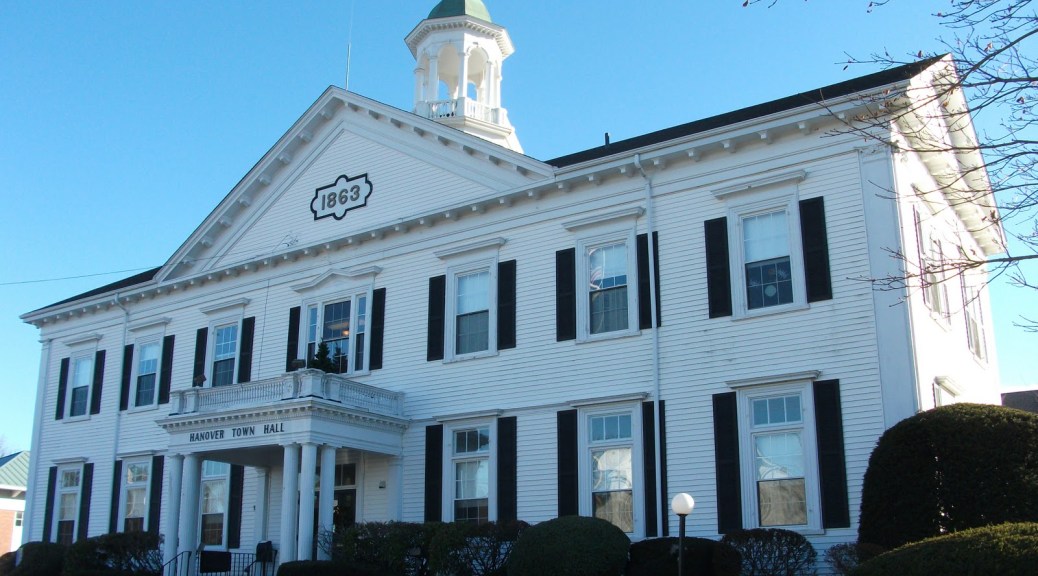
Internship Provides Primer on Hanover Government

By Ryan Costello, ’27

Staff Writer/Social Media Editor
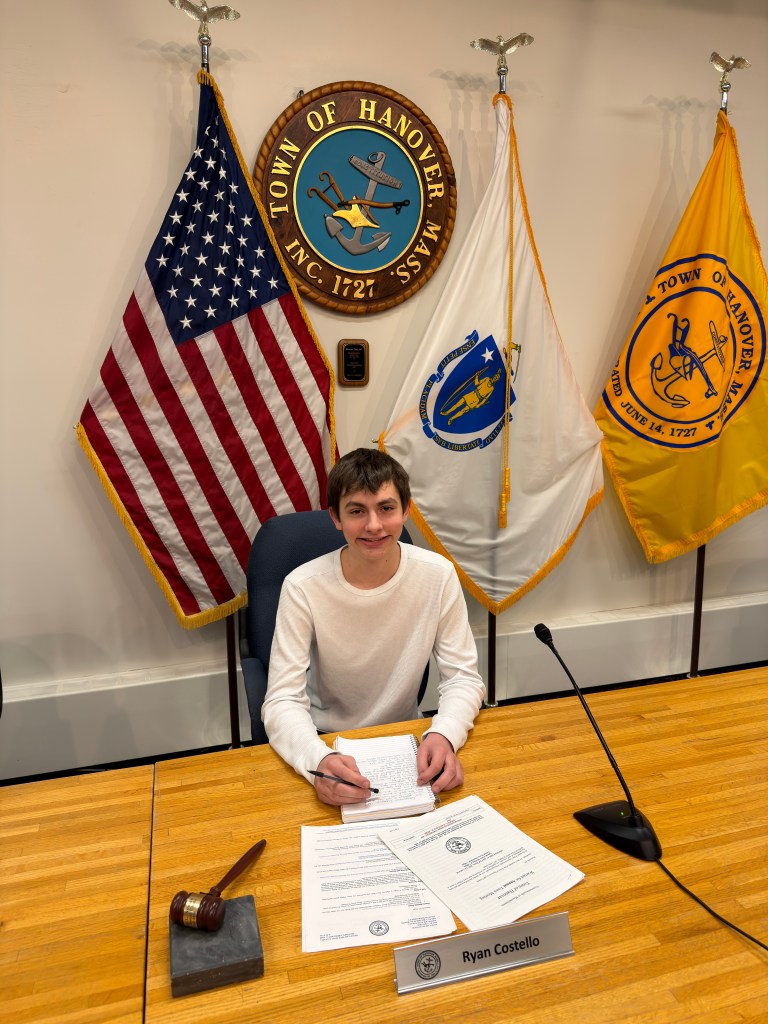
After three months as an intern in the Hanover municipal government, I have learned a surplus of knowledge of its functions and operations. Working with Town Manager Joe Colangelo, I have been assigned tasks and projects that have broadened my understanding of local government. I have had the privilege of attending various meetings, such as the Select Board, Advisory Committee, Conservation Commission, and Bylaw Review Committee. I have read and discussed the Town Manager Act and Hanover General Bylaws to understand why we have certain rules, regulations, and a complex system of government in place. I learned key administrative and organizational skills to help me in the workforce. I’ve even encountered challenging subjects involving the town’s budget with an override and levy limit. Since students are impacted by the decisions of the town government and will eventually have their own say, I wanted to share a quick rundown of some municipal operations.

The Special and Annual Town Meeting is the gathering of registered Hanover voters who weigh in on articles proposed to address different concerns. It is where people make decisions on spending taxes and other rules that guide town operations. The elected Town Moderator directs the meeting in a fair and orderly fashion, guiding the public comments and the voting procedure to make sure everything runs smoothly. Some items that people vote on are the budget, spending, bylaws, and zoning. This is a direct form of democracy in which the people use their legislative power to vote for an article (aye) or against an article (nay). The Annual Town Meeting occurs on a yearly schedule, while a Special Town Meeting is called as needed to address urgent issues that cannot wait. This year’s Special and Annual Town Meeting is set for Monday, May 4, beginning at 7 pm in the Hanover High School auditorium.

The Advisory Committee is a nine-member group appointed by the Town Moderator that represents the legislative body of the town and guides voters on their decisions on proposed articles. Many articles are submitted by town officials or departments, but constituents can also submit articles in the form of a petition. With enough signatures — 10 for the Annual Town Meeting and 100 for the Special Town Meeting — the article can be presented to the Town Meeting. This year, there is a petition for an article led by Lexie Schiller, a junior at Hanover High School, that would create a new section in our bylaws to reduce the use of single-use plastic bags.

The Town Manager is the chief executive officer of the town and is appointed by the Select Board. This position is usually held by someone with experience in business administration or public management. They are in charge of all non-elected department heads, including the appointment of the Police and Fire Chiefs. They also ensure that all the policies adopted by the Select Board are carried out effectively. The Town Manager directs the town’s administrative functions, including preparing the annual town budget alongside the Budget Director to ensure the town is financially stable. If the Select Board sets a vision or policy for the town, the Town Manager is the one who executes it.

The Select Board, made up of five at-large members, is the elected leadership of the executive branch of the Hanover government. They establish the overall policy and priorities of the town and have the ability to hire and remove, if necessary, the Town Manager. The Select Board reviews and approves budgets before they go to Town Meeting to be voted upon. They grant different business licenses and permits for possessions such as alcohol. The Select Board acts as a bridge between the residents and town officials. They create the Annual and Special Town Meeting warrants for the legislative branch to consider. They are elected for a three-year term and run during the Annual Town Election in May. The Select Board, like some other committees, has a Chair and a Vice Chair. The Chair runs the meetings and is the spokesperson of the Select Board. The Chair also guides the group’s decisions on issues and is in direct contact with the Town Manager. Meanwhile, the Vice Chair supports the Chair and runs the meetings when the Chair is absent.

After reading all of this information, you may wonder, how does this impact me? Well, many high school students are at voting age or close to it, and therefore have a say in Town Meeting or at the polls. The decisions made in municipal government can impact students, as has been felt in recent budget votes and overrides. Snow days are determined by the Department of Public Works in cooperation with the Superintendent of Schools and the Town Manager. Voters can impact decisions on new parks, police cruisers, sidewalks, and town bylaws. If you want to engage in the decisions made in this town, I encourage you to fulfill your civic duty by listening to what is going on and voting when you’re eligible. Volunteering is welcome at Town Hall or other public facilities if you want to get more involved. If you have an issue with something, do not be afraid to reach out. Everyone has a voice in this town, so let it be heard.



The Context Behind Crisis in Venezuela

By Jolie Coviello, ’27

Staff Writer

Oftentimes, having a deeper understanding of a nation’s history allows us to understand why it takes certain actions in the present. Venezuela is one nation in particular with a long and tumultuous history, which must be taken into account to understand the current political situation. 

It’s easy to see why many Venezuelans anticipate reform with the capture of President Nicolás Maduro by the US military, which was ordered by President Trump in early January. In fact, a 2017 poll by Datanálisis, a respected Venezuelan research firm, showed that 80 percent of Venezuelans desired Maduro’s removal. President Maduro has caused great harm to his nation’s economy, government, and people since taking office in 2013. Due to the severe economic debilitation, persistent social unrest, and blatant election fraud under Maduro’s administration, conditions nationwide have worsened. Venezuela is experiencing one of the largest displacement crises in the world as millions try to escape terrible living conditions. Over 80 percent of Venezuelans live in poverty under a socialist government. The murder rate of natives has increased to 91 percent, surpassing that of the most dangerous cities in the world. According to research by the United Nations Refugee Agency, over 23 percent of the population has fled the country since Maduro was elected into office. 

News, PBS. “Venezuela Approves Amnesty Bill, Paving Way for Release of Hundreds of Political Detainees.” PBS News, 20 Feb. 2026, http://www.pbs.org/newshour/world/venezuela-approves-amnesty-bill-paving-way-for-release-of-hundreds-of-political-detainees.

News, PBS. “U.S. And Venezuela Agree to Reestablish Diplomatic Ties in Major Shift after Maduro’s Ouster.” PBS News, 6 Mar. 2026, http://www.pbs.org/newshour/world/u-s-and-venezuela-agree-to-reestablish-diplomatic-ties-in-major-shift-after-maduros-ouster.

Black History Month: Learning From the Past

By Charlize Coviello, ’29

Staff Writer

Carter G. Woodson (1875-1950) | BlackPast.org
Carter G. Woodson

The story of America cannot be told without the voices, struggles, and achievements of Black Americans. The idea of Black History Month was suggested by historian Carter G. Woodson in 1926. As the son of former slaves, Woodson aimed to challenge the erasure of Black history in education by establishing a dedicated period for celebrating Black contributions to the American story. As a Harvard-trained historian, he launched this initiative under his organization, The Association for the Study of Negro Life and History, now known as the Association for the Study of African American Life and History. Originally, the commemorative week was chosen to coincide with the birthdays of Abraham Lincoln, Feb. 12, and Frederick Douglass, Feb. 14. The celebration was expanded to the entire month of February in 1976, during the U.S. bicentennial year. That year, President Gerald Ford urged Americans to “seize the opportunity to honor the often neglected accomplishments of Black Americans.”

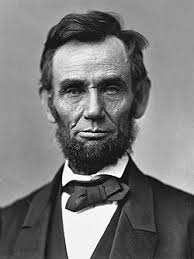
Abraham Lincoln

As the president who signed the Emancipation Proclamation on January 1, 1863, Lincoln’s impact on the history of Black freedom cannot be understated. In addition to “freeing slaves,” Lincoln also authorized the enlistment of approximately 190,000 African-American men into the Union Army. Though even today the battle against prejudice and racism still rages, and segregation along with Jim Crow laws persisted nearly a century after emancipation, Lincoln’s actions represented a great step toward equality. 

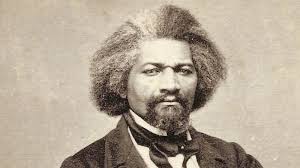
Frederick Douglass

Frederick Douglass was born Frederick Augustus Washington Bailey in February, 1818, in Talbot County, Maryland, to an enslaved mother and an unknown white father. Separated from his mother as an infant and raised by his grandmother, he was sold to the Auld family in Baltimore at age 8. Despite laws against it, Sophia Auld taught him the alphabet. He subsequently taught himself to read and write, viewing literacy as a path to freedom. As a teenager, he was sold to notorious slave breaker Edward Covey, where he suffered intense physical abuse before fighting back. In 1838 he disguised himself as a sailor to escape, later settling in New Bedford, Massachusetts with his new wife. Douglass became the most important leader of the movement for African American Civil Rights in the 19th century, gaining fame for his incisive anti-slavery writings and speeches. He published famous anti-slavery newspapers like the “North Star,” advising presidents and championing women’s suffrage and civil rights. His brilliant speeches and writings provided a powerful counter-narrative to pro-slavery arguments, making him an essential figure of history. During the Civil War he advised President Lincoln on emancipation and the treatment of Black soldiers. He fought for voting rights for African Americans and women, holding positions including US Marshal for the District of Columbia and Minister Resident to Haiti. He died in 1895 in Washington D.C., remaining an active, influential advocate for human rights until his final day. 

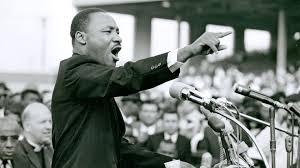
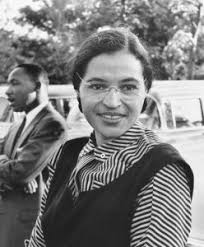
Of the many figures we celebrate in Black History Month, some of the most familiar include Harriet Tubman, Martin Luther King Jr., and Rosa Parks. They all significantly contributed to American as well as Black history.

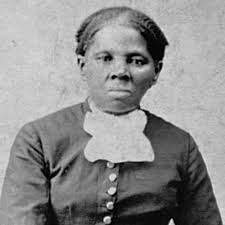
Harriet Tubman

Harriet Tubman was a civil rights pioneer, abolitionist, and courageous American humanitarian. Born into slavery in Dorchester County, Maryland, around March 1822, she was the fifth of nine children and was hired out at age six, often enduring physical abuse and neglect. At age 12, an overseer threw a heavy iron weight that struck her head, causing severe seizures, headaches, and narcolepsy that lasted her entire life. In 1849, facing the threat of being sold, she fled to Philadelphia using the Underground Railroad. Over the next decade, she made approximately 13 trips back to Maryland, liberating family members and friends. She guided approximately 70 enslaved people to freedom. She traveled in disguise, moved by night, and relied on a network of safe houses. She later served in the Civil War as a nurse and scout for the Union army, and was the first woman to lead an armed assault during the Combahee River Raid, freeing over 700 people. After the war, she settled in Auburn, New York, supported women’s suffrage alongside Susan B. Anthony, and helped care for the elderly. In 1913, she passed away from pneumonia and was buried with military honors.

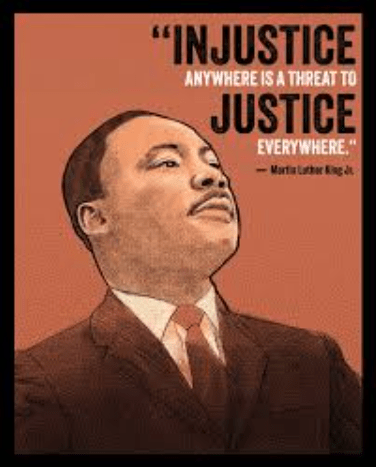
Martin Luther King Jr.

Martin Luther King Jr. was born in Atlanta, Georgia on Jan. 15, 1929. His father was an early civil rights leader who protested voting discrimination. As a gifted student he entered Morehouse College at age 15, later earning a sociology degree, a Bachelor of Divinity from Crozer Theological Seminary, and a Ph.D. in Systematic Theology from Boston University. Dr. King was a leader of the Civil Rights Movement. He’s famously known for his “I Have a Dream” speech at the March on Washington, helping pass landmark legislation like the Civil Rights Act of 1964 and the Voting Rights Act of 1965. He helped lead the Montgomery bus boycott, which led the Supreme Court to rule segregated public buses unconstitutional, and he was awarded the Nobel Peace Prize in 1964 for his commitment to achieving racial equality and justice through nonviolent means. Dr. King was assassinated on April 4, 1968 in Memphis, Tennessee by James Earl Ray.

Rosa Parks

Rosa Parks, born Rosa Louise McCauley on February 4, 1913, was an activist known as the mother of the civil rights movement. She grew up experiencing strict Jim Crow segregation and intense racism, witnessing activities of the Klu Klux Klan as well as lynchings. She attended the private Industrial School for Girls and later the Alabama State Teachers College for Negroes. On December 1, 1955, in Montgomery, Alabama, she famously refused to give up her bus seat to a white passenger, violating segregation laws. Her arrest sparked the 381 day Montgomery Bus Boycott, a pivotal, successful protest that helped end public transportation segregation. As a result of the boycott, the Supreme Court ruled that segregated buses were unconstitutional, marking a major victory for the civil rights movement. Before her 1955 arrest, she was an active member of the NAACP, serving as the secretary of the Montgomery Branch from 1943 to 1956. She traveled to Alabama to investigate documented cases of sexual assault and racial violence against Black individuals. When Parks was arrested for disorderly conduct after refusing to move to the back of the bus, she later stated she was not tired physically but rather “tired of giving in” to segregation. Due to death threats and difficulty finding work in Alabama, she moved with her husband to Detroit, Michigan, in 1957, where she continued fighting racism in the North. She was awarded the Presidential Medal of Freedom in 1996 and the Congressional Gold Medal in 1999. Parks passed away on October 24, 2005 in Detroit. 

Black History Month is not just about remembering the past — it is about understanding how that past shapes our present and inspires our future. By studying and celebrating these historical figures, we can learn how to face problems of injustice and intolerance that still trouble society today.

Plummer Named ‘Head Hawk’

By Samuel Frattasio, ’27

News Editor

Hanover High School will see a familiar face step into a new role this spring, as longtime educator and curriculum director Matthew Plummer prepares to succeed retiring Principal Matthew Mattos in April. Mr. Plummer, or “Plum” as students and staff call him, was a 1985 HHS graduate who has spent more than three decades serving the school as both a teacher and administrator. He was formally announced as the next principal in a December message to families from Superintendent Matt Ferron. 

For many in Hanover, Mr. Plummer’s selection represents a choice for both continuity and growth at the high school. At the January 7th School Committee meeting, he emphasized that even a strong school like HHS should “continue to look for ways to improve,” outlining priorities such as reviewing the NEASC accreditation report, exploring potential changes to the schedule, and expanding courses in financial literacy, communications, and artificial intelligence. He also shared a long-term goal of building a working greenhouse on campus that could support science classes and serve as a space where “any student who really wants to can can go pick up a carnation or a mum and bring it home to their parents,” underscoring his belief that “it’s always about the students” and that the school’s job is to create as many opportunities as possible for them to shine. 

As the school looks ahead to this transition, the community is also taking time to recognize the impact of Principal Mattos’ tenure. Since stepping into the role in 2021, he has guided the building through the post-pandemic period, overseeing major initiatives while maintaining a steady, student-centered focus. Under his leadership, HHS introduced the Vision of the Graduate framework, Mission Mondays, the Friday music challenge, and other traditions that have helped define the school’s culture and strengthen a sense of community. Colleagues and families credit his thoughtful transition planning with positioning HHS for a smooth change in leadership this spring, and many express a deep appreciation for the way he has kept students at the center of every decision. 

As we move into this next chapter, the change from Mr. Mattos to Mr. Plummer signals both gratitude and optimism about the future. With a “homegrown” principal focused on student opportunity and a community eager to support him, the school appears well-positioned to build on its strengths while continuing to evolve. 

References

Evans, Justin. “‘Homegrown’ Leader Matthew Plummer Named Next Principal of Hanover High.” South Shore News, 15 Jan. 2026, 

“Upcoming Leadership Change at Hanover High School 12/18/25.” Hanover Public Schools, 18 Dec. 2025, 

Will It Be a Snowy Winter? What Forecasts are Saying

By Gabriella DeLuca, ’27

Staff Writer

Every winter, students across the country find themselves asking the same hopeful question: Will there be any snow days?

Over the last weekend of January, towns across Massachusetts were buried in nearly two feet of snow. Following this powerful winter storm, schools across New England were closed, some even for two days. This was the first real snow day our school has had in years and has many students wondering if this past snow day will not be the last.

It is not hard to notice the similarities between this recent winter storm and the infamous blizzard of 2015, which initially hit New England on the exact same date, January 26th, and brought over two feet of snow. This resemblance has some people wondering if this season will mirror the winter of 2015, which covered towns across Massachusetts in a record-breaking 100 inches of snow, and led to relentless school closures where even the students grew tired of the cancellations. Yet, others are speculating that this past snowstorm may have been this winter’s last hurrah before giving way to an early spring.

In order to make an accurate predication about the forecast for this year’s snowfall, it is important to consider the scientific factors that influence the winter weather of Massachusetts.

Oceanic Nino Index

The Oceanic Nino Index is a dataset used by meteorologists to measure the differences in normal sea surface temperatures in the east-central Pacific region. La Nina is a climatic pattern that describes the periodic cooling of surface-ocean temperatures in the equatorial region of the Pacific Ocean. It is considered to be the counterpart to El Nino, which is the pattern of unusually warm ocean temperatures along the tropical west coast of South America. La Nina brings warmer, drier conditions to parts of the southern US, and colder, snowier conditions to the New England area, while El Nino typically brings warmer and wetter weather conditions.

This winter, meteorologists predict weak La Nina conditions, which are expected to be mild in intensity and fade later in the season. For New England, this suggests colder-than-average temperatures and an increased chance of snow in December and January, followed by milder conditions in February and March.

NOAA releases 2024-25 winter outlook, weak La Niña to return | Fox 59
When La Nina is weak, the northern US gets colder and wetter.

Eastern Pacific Oscillation

Another important aspect to consider when determining the weather trends for this winter is the Eastern Pacific Oscillation, often referred to as the EPO. The EPO is a pattern of atmospheric flow across the Eastern Pacific region and can have a strong influence on how much cold air reaches North America. This season the EPO is in a negative phase, which means that a high-pressure atmospheric ridge is building near Alaska and blocking the typical west-to-east flow of mild Pacific air. For the northern US, this ends up resulting in colder than average temperatures. Since cold temperatures are a key ingredient for snowfall, this negative EPO could indicate higher-than-average snow totals for the northern region of the US. However, the negative EPO does not always guarantee frigid temperatures for Massachusetts, as warm Atlantic waters near the coast can moderate the cold temperatures created by the negative EPO. This could mean that precipitation could fall as rain instead of snow. Overall, the impact of the EPO on snowfall in Massachusetts is uncertain; however if the cards align, there is a chance for some more significant snowstorms in the future.

Pacific Decadal Oscillation

The Pacific Decadel Oscillation refers to a long-term ocean temperature fluctuation of the Pacific Ocean. The PDO varies from a “cool” or “negative” phase to a “warm” or “positive” phase every 20 to 30 years. This year we are experiencing a strongly negative or “cold” PDO. This means colder-than-normal conditions in the Pacific Northwest, but means warmer-than-normal temperatures across much of the country, including Massachusetts. In July 2025, the PDO reached the most negative value on record which was associated with record-breaking warm summer temperatures in New England. The last several winters had these same strongly negative PDO patterns, which likely played a part in the less snowy winters experienced in New England.

The Polar Vortex & The Jet Stream

The polar vortex is a wide low pressure area of swirling cold air located in the atmosphere of the polar regions. However, this year, the polar vortex is predicted to weaken. This means that this system filled with Arctic air can break off and flow south, bringing its cold air with it. When the polar vortex is strong and stable, it keeps the jet stream in its normal path. The jet steam is a band of strong wind located in the upper atmosphere that encircles the earth and plays a critical role in keeping colder air north and warmer air south. However, as the polar vortex weakens, the jet stream begins to wobble, causing cold shots of frigid air to travel into the mid-latitudes, including Southern New England. This favors a colder & snowier winter in New England.

What is the Polar Vortex? | The Weather Channel
The weak polar vortex causes the Jet Stream to become wavy.

Siberian Snow Theory

The Siberian Snow theory refers to the concept developed by climatologist Dr. Judah Cohen that the snowfall in Siberia can be used to determine the severity of winters in North America. Located in the northern Arctic region of Russia, Siberia experiences the Siberian High, a high-pressure atmospheric system that brings cool temperatures and snow beginning in early October. According to Dr. Cohen, an above-average snowfall in this region is likely to be followed by a colder and snowier winter season in New England. Last October, Siberia experienced a relatively average snow cover, which predicts average snow totals for the United States.

In summary, forecasts for this year’s winter season offer a mixed outlook:

  • A weak La Nina is predicted to bring a snowy December and January, followed by a milder February and March.
  • A negative Eastern Pacific Oscillation suggests the possibility of colder temperatures and snowstorms.
  • A negative Pacific Decadel Oscillation points toward a milder winter overall.
  • A weak polar vortex predicts a colder and snowier winter.
  • Finally, the Siberian Snow theory forecasts an average winter.

Based on this information, while a definitive prediction is hard to make, there is a real possibility for more snow on the horizon! Whether it will amount to more snow days, though, is anybody’s guess.

Community Service Opportunities Through Clubs

By Charlize Coviello, ’29

Staff Writer

Community service is an action, performance, or a “hands-on” activity by an individual or group without compensation, whose effort will directly benefit others. Taking part in community service activities are a great way to both connect with and benefit your community.

At Hanover High School, students are required to perform 10 hours of community service per year for a total of 40 hours before graduation. In this way, students remain active in their community for all four years. However, students interested in applying for membership in the National Honor Society are required to have 40 hours by the beginning of junior year. NHS is an organization that highlights academics, leadership, service and character and is a great way for motivated students to give back to their community. Whether students are aiming for NHS or just trying to meet the yearly service requirement, there are many clubs that can help.

One way HHS students can serve their community is by going to Dirty Works, a gardening and sustainability club run by Mrs. Curtis and Mrs. Curley. Dirty Works meets every Thursday after school from 2:30-3:30 in room 110. Students who attend meetings recycle old K cups from staff coffee machines, plant and maintain the courtyard gardens, and make HHS look more beautiful. Every session includes one hour of community service. If you are interested in Dirty Works, contact Mrs. Curtis at kcurtis@hanoverschools.org or just show up!

Another option is to join Lifesavers Club, which holds blood drives to provide the Red Cross and Mass General Hospital with much-needed supplies. The club also holds food, clothing and toiletry drives to benefit community organizations that serve those in need. Volunteering for these events counts as community service. It’s run by Nurse Nee and Mrs. LeVangie, who you can see in the nurse’s office for more information.

The focus of Green Team is to educate the school community about recycling in the classroom and at home. Members meet after school on Wednesdays to empty recycling bins around the school to lessen the trash that we produce. You receive community service every time you help. The club is run by Ms. Byron in Guidance; email kbyron@hanoverschools.org to learn more.

Outreach Club provides opportunities for students to brighten the days of the elderly citizens, veterans, women in shelters, homeless people, and more. This club typically meets on Tuesdays at 7:20 once or twice a month in the library. Some recent things done by this club were bingo nights, Valentines and Easter care packages for the Meals on Wheels program, and math nights at Center and Cedar School. The club is run by Mrs. Parry and Natalie Frank, who you can reach at rparry@hanoverschools.org and nfrank26@hanoverstudents.org.

Tomorrow’s Teachers is a club designed to help students explore a career in education. By providing students with a realistic understanding of teaching, the club encourages students to think seriously about a future career. By joining this club, you can volunteer for opportunities to work with children, along with receiving community service. You can email advisor Mrs. Abban to learn more at dabban@hanoverschools.org.

The Eco Club is a group that enhances students’ knowledge on climate change, sustainability and environmental issues. The club focuses on environmental causes important to members, works to spread awareness in our school, hosts fundraisers and helps at local beach and town cleanups. Contact Mr. Patch for more info at mpatch@hanoverschools.org.

Be Better Movement helps promote a positive and inclusive school environment for all students. It meets every other Friday morning and performs occasional community service like greeting students at the other schools and holding special events. It is run by Mrs. Byron, who can be reached at kbyron@hanoverschools.org.

Animal Care Club meets one Thursday a month after school in room 305 to plan animal fundraisers and volunteer opportunities. This month, the club is running a holiday pet drive for Buddy and Friends in Pembroke. They will have more volunteer opportunities in the new year. If you want to join, email advisor Mrs. Hughes at ahughes@hanoverschools.org or student advisor Audrey Martin at amartin27@hanoverstudents.org.

Finally, Mrs. Foster in the main office sometimes has info on community service possibilities. Check in with her and remember to always listen to announcements in the mornings as well about new community service opportunities!

Be sure to check out my next article on why hair gets more prone to be affected by static in the winter time!

Making Beautiful Music at MMEA Districts

By The Hawk Staff

Twelve Hanover High School musicians earned accolades at the MMEA Southeastern District auditions at King Philip High School in Wrentham on Nov. 22. These students will perform at the 2025-2026 Southeastern District Senior Festival at New Bedford High School on Jan. 9-10. Seven of the 12 were recommended for All-States.

Several students who auditioned had key roles in the HHS school musical, The 25th Annual Putnam County Spelling Bee, which ran Nov. 20-22. This meant that they performed in the musical Thursday and Friday nights, auditioned for Districts during the day Saturday, and then performed closing night of the play on Saturday night.

For Orchestra, Henrik Consilvio and Shirley Mancini, both sophomores, were recognized for violin. Senior Aine Scanlan earned honors for oboe. In Concert Band, judges honored junior Maria-Rita Silva for flute, sophomore Rory Toyoshima for alto saxophone, junior Rory O’Connor for trumpet, and junior Ronan Blum for trombone. For Treble Chorus, juniors Avery Porro and Emma Louko were recognized as altos. Earning honors in Mixed Chorus were junior Sophie Frattasio as an alto, sophomore Anna Dillon as a soprano, and junior Sam Frattasio as a bass.

The seven students recommended for All-States were Consilvio, Mancini, Scanlan, Silva, Blum, Porro and Dillon. They will audition for those ensembles in January alongside the top music students from the five districts of Massachusetts. If accepted at that audition, they will perform with students from across the state at the MMEA All-State Festival in March. 

The Massachusetts Music Educators Association is a statewide organization dedicated to supporting quality music programs and instruction

Spotlight on Our Stars in Annual Cabaret

By Billy Hersey and Samuel Frattasio, ’27

Editor in Chief and News Editor

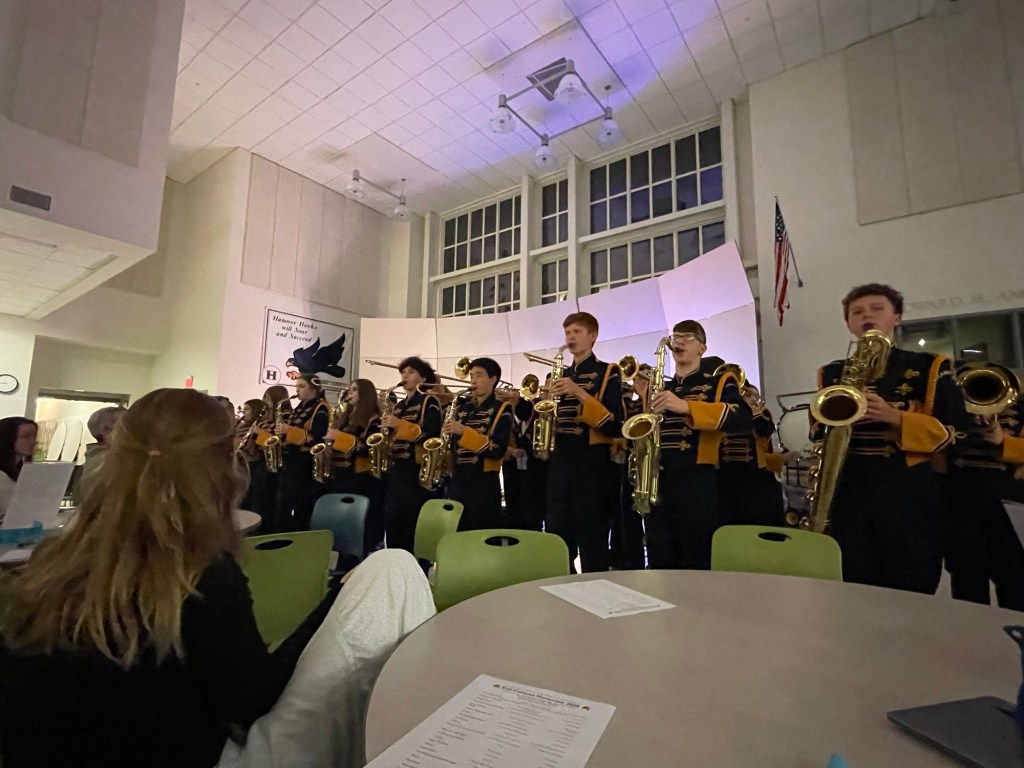
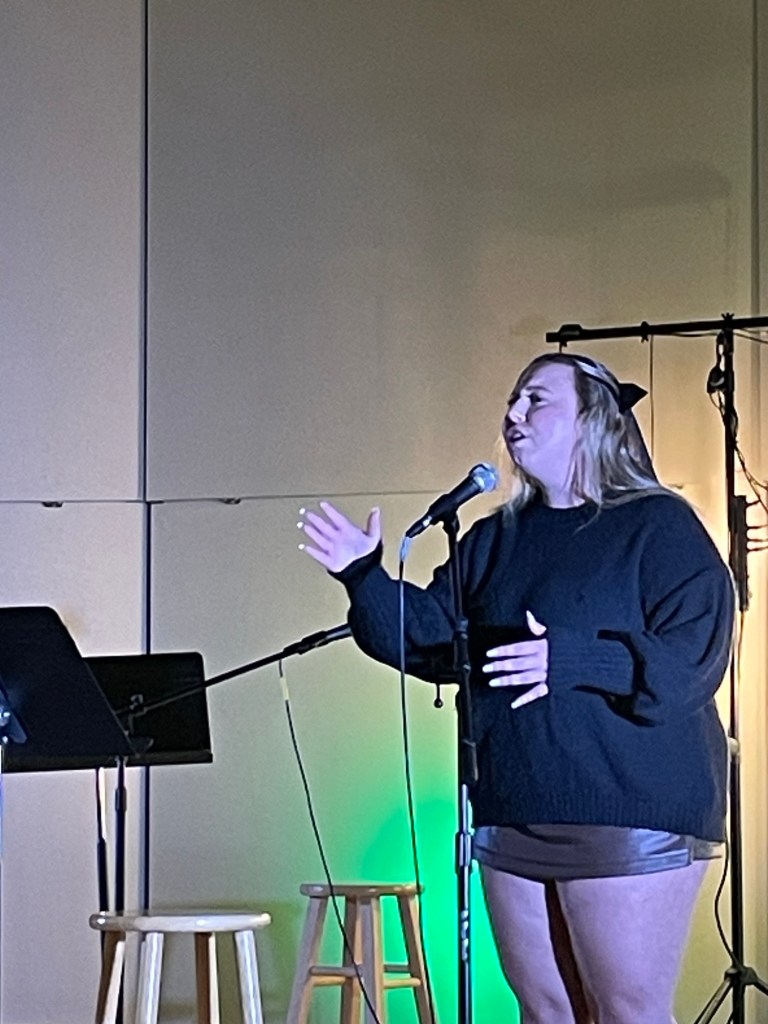
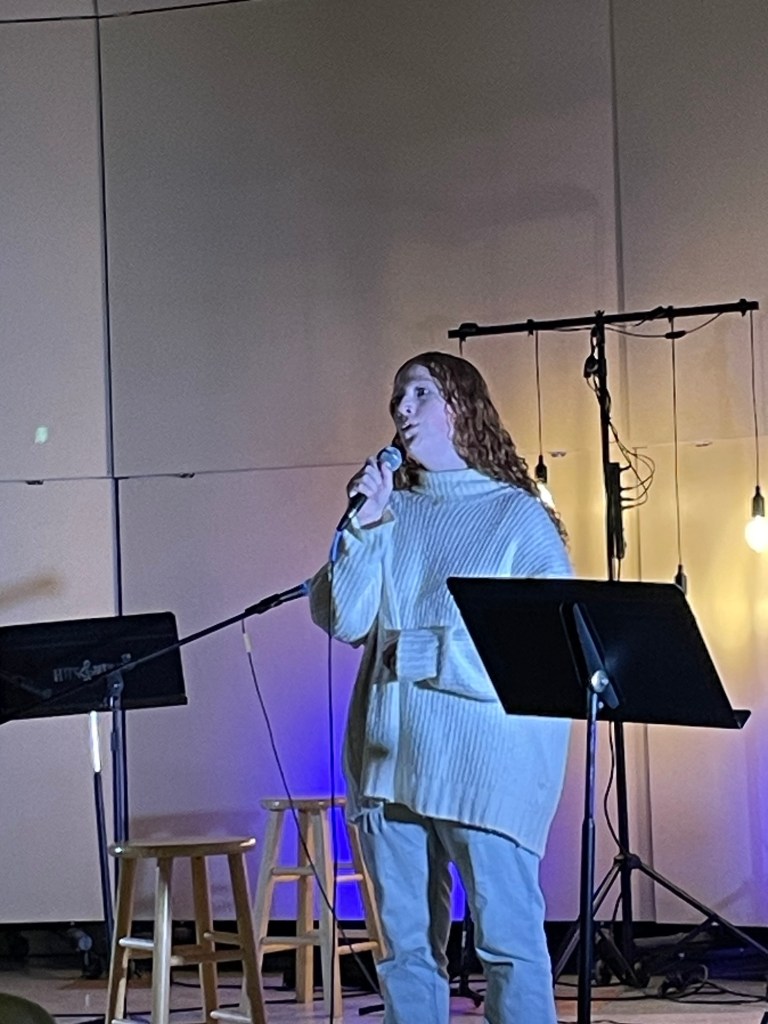
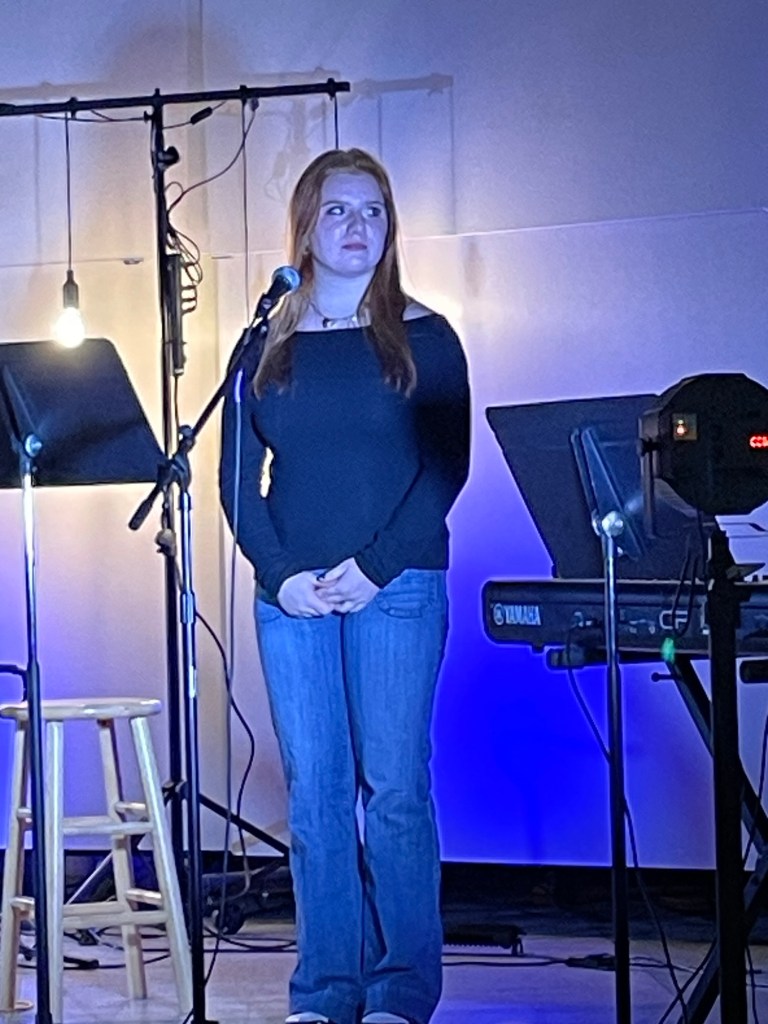
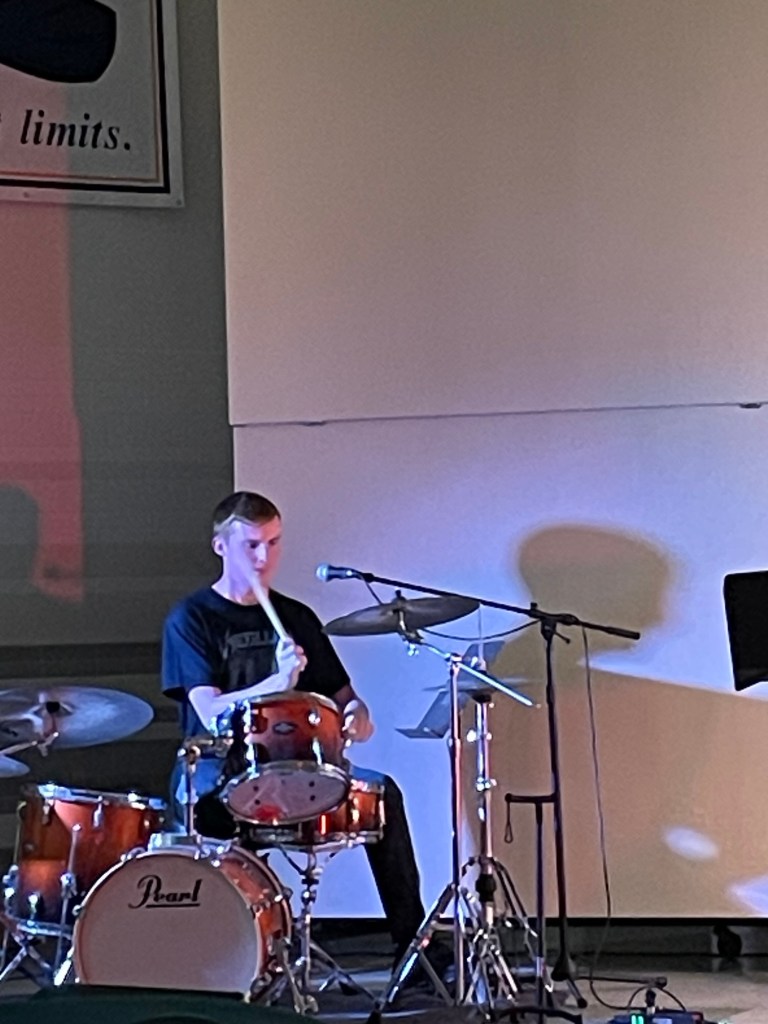
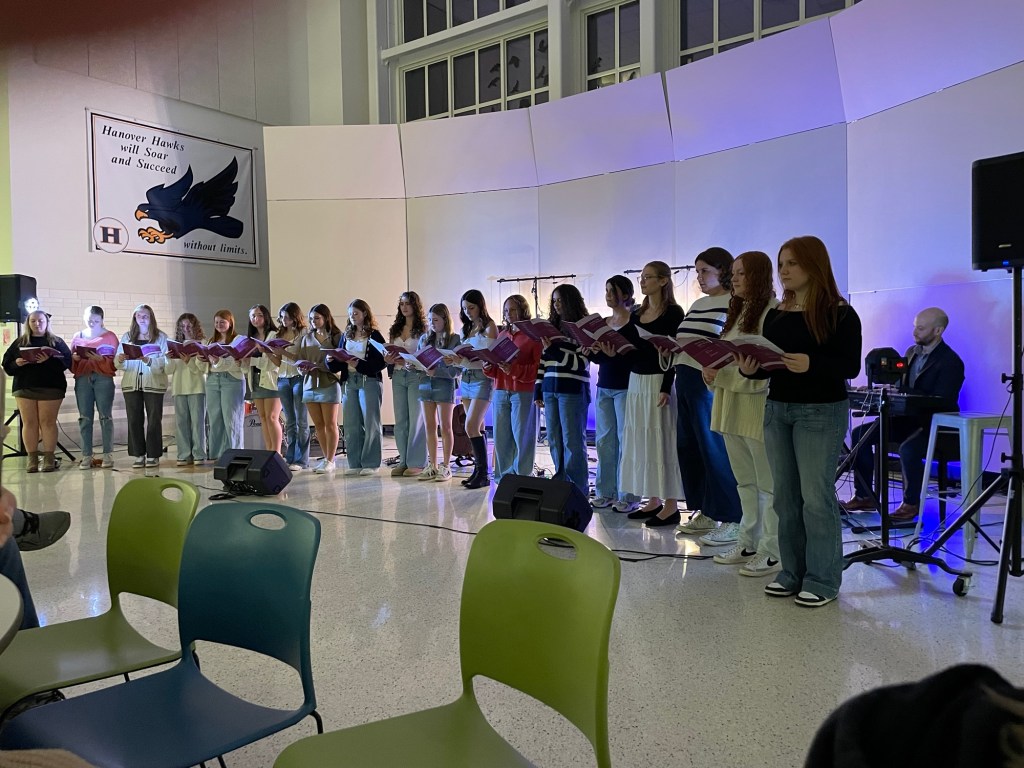
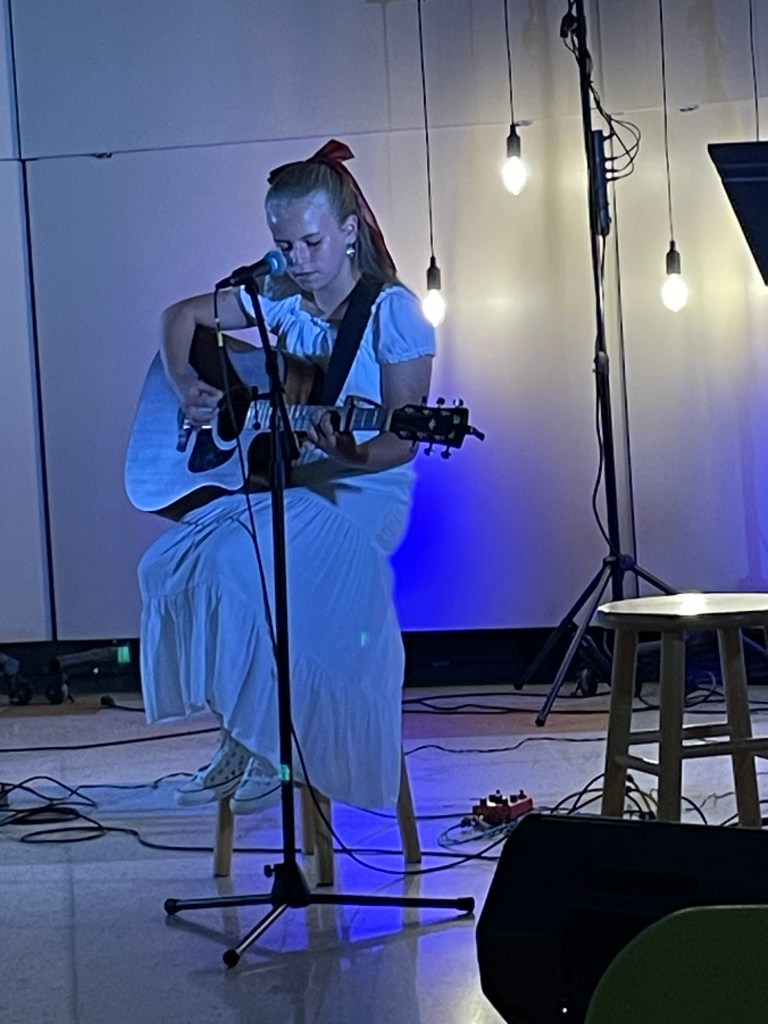
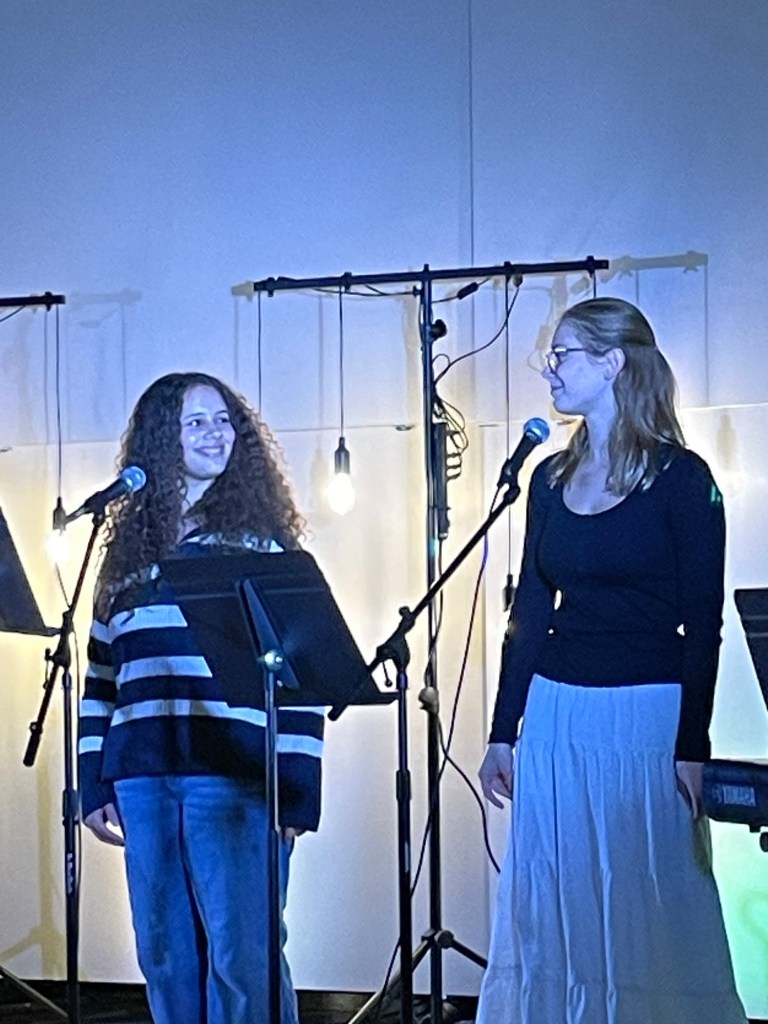
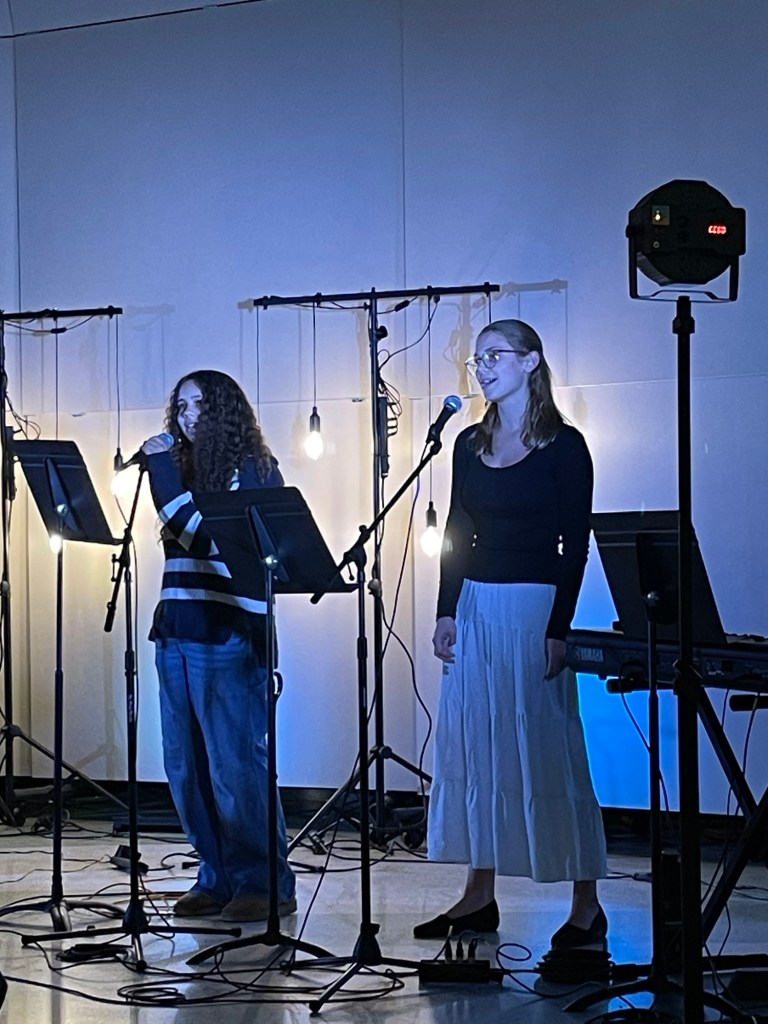
The music department’s annual Cabaret, held Oct. 14, showcased performances from the school’s best and brightest. Students from all grades sang, played in ensembles created just for the event, and even performed stand-up comedy. These photos capture just a glimpse of the night. While not everyone could be featured, it was truly an evening to remember, and every performer earned the title of “star.”

Members of the Tri-M Music Honor Society worked with Mr. Harden, our band director, and Mr. Wade, our choral director, to set up the event and keep the night running smoothly.

Understanding Cognitive Biases

By Emma Hersey, ’29

Staff Writer

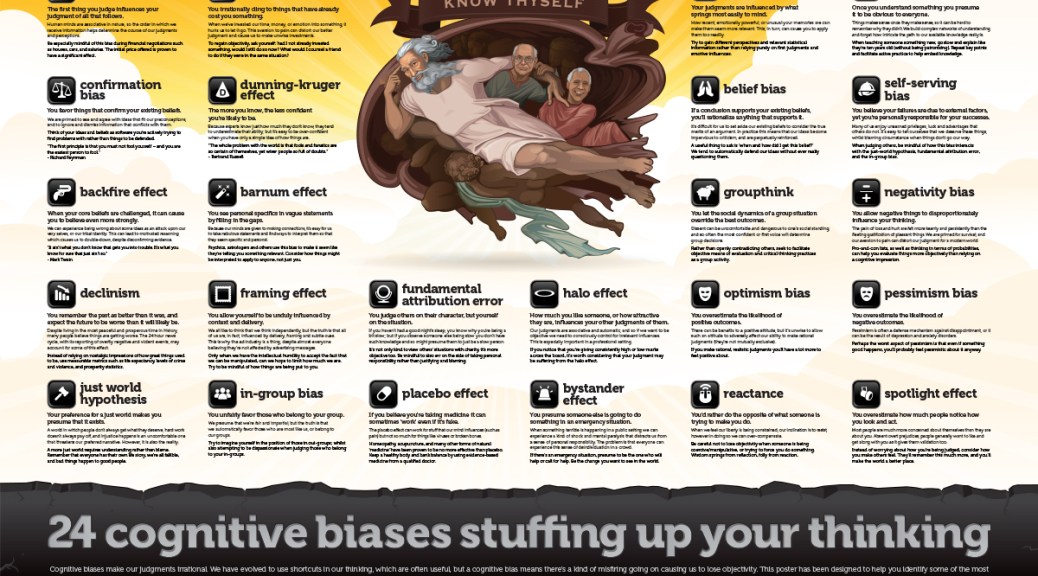
What are cognitive biases? Cognitive biases are mental shortcuts that lead to systematic errors, affecting or counteracting your inner rationale. Your brain can be overloaded with information, and to process that information faster, these shortcuts are used to come up with a quick response to what is being said. This can create misinterpretation or inaccurate conclusions and lead to flawed judgment, poor decision-making, and distorted perceptions of reality. The creators of the idea of cognitive biases are Amos Tversky and Daniel Kahneman, who brought this idea to light in the 1970s. They also introduced the concept of heuristics, which induce immediate judgment that guides you to make irrational decisions.

The inability to make a good judgment on a subject is induced by fatigue, stress, and emotions, which are personal factors, but are also caused by cognitive biases. Cognitive biases play a part in flawed judgment because they cause the brain to process information too quickly. With the quick processing of information comes the capability to miss or overlook important factors that can affect your argument. For example, if you see a news article that several people have died from a plane crash, and it makes you not want to fly, you are exhibiting the availability heuristic. You take what you have just seen or learned, over weigh the probability of it happening, and let it generate fear, even though fewer planes crash, than those that do. The availability of information on plane crashes is, at the moment, more prevalent than information available on planes that have successful trips, causing you to believe crashes are more common than they are.

Anchoring is also one of the biases that can affect your judgment because it uses the first piece of information that you collect on someone, and refuses to acknowledge any change that occurs. If you are at a restaurant, for example, and see a $90 steak and then further down on the menu you see a $50 steak, you will rationalize the price of the $50 steak. In your mind, you will think that you are getting a cheap steak, when in reality, $50 for a steak is not cheap.

People make decisions every day, whether they are good or bad. “Should I eat pizza or burgers tonight?” is a decision that doesn’t have any consequences. But deciding not to do something after someone asks you to, does. That kind of decision, when you prefer to do the opposite of what someone is trying to make you do is called reactance. This tricks the brain into thinking there is a loss of freedom or a forced action. This gives you a sense of need to rebel against the enforcer to regain your control over what you do, causing you to not do what is asked of you, resulting in punishment. For instance, if your parents tell you to put on a jacket when it is cold outside, it may make you not want to wear one because you are being forced to instead of making the choice on your own. Especially if it really is cold outside, you will refuse to admit that they were right about wearing a jacket.

These mental shortcuts make your mind susceptible to receiving and believing distorted information, causing you to make decisions that aren’t always beneficial. The sunk cost fallacy is another effect of cognitive biases because it makes you irrationally cling to things that have already cost you something. If you have run a business for many years that is now going bankrupt, for example, you will not want to sell it because you have put so much money, time, and effort into it. This bias highlights the desire to hold onto something that you have put time and effort into, even though it is no longer relevant or beneficial.

A distorted perception of reality is when someone’s view or interpretation of the world is skewed, which is exhibited by irrational thought patterns. The biases associated with this are declinism and the self-serving bias. They both touch on how things can easily affect our perception and judgment to make room for misinterpretation of things happening in the world. If you believe that earning a good score on your test is due to studying hard, for example, but when you fail, it is because the teacher put hard questions on the test, then you are a victim of the self-serving bias. The self-serving bias is when you believe that your failures are due to external factors, yet you’re personally responsible for your success. This skews the perception of reality and romanticizes your past accomplishments, thus making you less accountable for your mistakes. It makes you unable to take criticism because you believe that it will not be beneficial to you, and your mistakes are not your own. Judging others comes easy when you don’t know the circumstances, but you give yourself leeway because you know what is going on and your thought process. This creates overconfident people who believe they are always right and are never wrong because their mistakes are not their fault.

People who are stuck in the past, always hoping that life will go back to how it was in the past, are subject to declinism. Declinism is when you remember the past as better than it was, and expect the future to be worse than evidence suggests it will be. But in reality, the past isn’t as good as you remember; it is just your mind believing that because you don’t want to experience life in the world you live in now. We believe the past to be better than reality because we are handpicking the good memories to remember, and blocking out the bad ones. The reason reality is not favored is that we are now living through the good and the bad events happening at the same time. Being stuck in the past will change how you view the present world because you will be resistant to change, and want to continue to see the past world through “rose colored glasses.” 

Cognitive biases are the root of systematic errors in thinking that are illustrated through flawed judgment, poor decision-making, and the distortion of the perception of reality. There are so many biases that highlight the errors of the thought process that the human mind uses to formulate a conclusion. Being aware of cognitive biases is beneficial because it will help you make better life choices as well as educate you on how to form rational judgments. But even with this knowledge, you may still make mistakes and struggle with judgment. Also, knowing the cognitive biases isn’t the most important part; being able to see and apply them to your life is what really matters. If you are not aware of your own actions and problems, then there is no way that you can reflect and fix them.

There are many more cognitive biases that I didn’t mention in this article. If you want to know more, go to https://yourbias.is/ And if you like this article, then make sure to read my next one on the Danger of Logical Fallacies next month!

Gen-Z Nepal’s War on Censorship

By Avery Bridson, ’27

News Editor 

Gen Z is considered by many to be the first to grow up on social media. Born from the mid-90s to early 2010s, this generation consumes more content each day than any other. When the government of Nepal tried to ban 26 major social media platforms, the young adults of the country did not sit by quietly. They took to the streets to protest what they called censorship and authoritarian rule.

The government of Nepal made the decision to ban the social media platforms, including Facebook, Instagram, and YouTube, in September. The ban was implemented after the app owners refused to comply with the request to register with the Nepali government and limit information.  Officials argued that the move was about ‘sovereignty and regulation,’ not censorship, but the citizens thought differently. They felt that their democracy and freedom of expression were just temporary privileges. This led to protesters peacefully gathering to argue against the government’s decision. However, it quickly escalated to violence and destruction.  

On September 8, police shot at the protesters near the Parliament building, causing at least 19 deaths, including a 12-year-old child, and over 100 injuries. The next day, thousands of young protesters stormed the parliament building. They destroyed the interior, ransacking valuables and setting rooms on fire. The prime minister’s house was also set on fire, leading to his resignation. The power vacuum was filled by Sushila Karki, Nepal’s first female prime minister, who holds a zero-tolerance policy on government corruption and political censorship. The social media ban and national curfew were lifted shortly after, with Karki pledging to end corruption and respond to the demands of the people.

This issue is not unique to developing countries like Nepal. Recently in Mexico, thousands of members of Gen Z organized through social media in massive protests against crime and corruption. Similar protests have occurred in the past two years from Bangladesh and Kenya to Italy and Peru. For students anywhere, this story demonstrates how youth activism online can translate into political change for the better.