Category Archives: Opinion

There’s Value to Owning Your Actions & Mistakes

By Paulina Leskow, ’24

Staff Writer

Accountability is defined as the justification of actions or decisions. But why is accountability important? Accountability is taking responsibility for actions, which will increase trust between one another. Accountability is also valuing one’s work, therefore eliminating distractions and spending more time and effort on what’s important. In my life, being accountable for my decisions has benefited me, but times that I have not been accountable ended in a negative outcome.

Ever since I was a little girl, my parents always told me about accountability. They told me that I need to be responsible for my actions. I did not think accountability was anything important, just another one of those things my parents would tell me, like how I should eat my green vegetables to grow stronger. But what I did not know was that showing accountability can have positive impacts. I remember at school, I always wanted to have all A’s, the best grades in the class. That was not always the  case, though. In seventh grade, I struggled with my grades and was only hanging on by a thread. It frustrated me constantly. Why did I not get this question right? Why did the teacher take off three points for that? I would wonder angrily as I received my grades back. Then, one day in Spanish class, I got a test back. I got a 100, finally a grade I was proud of. As my teacher reviewed the test with our class, I realized that something was not right; I got a question wrong. He must have not noticed when he was grading my test. Although my first instinct was to leave the grade and forget about the incorrect question, something inside me told me that I was cheating. I knew if I did not speak up about it, the guilt would follow me for months.

So, I decided to do what was best, I told my teacher that I completed the question wrong even though he accidentally marked it correct. I will never forget what this teacher told me: “Paulina, thank you for being honest with me and being accountable for your mistake. Because you told me, I will not only keep the grade the way it is, but I will give you two more points for being truthful. Thank you.” I then realized that being responsible for my mistakes will result in a positive outcome, whether it be extra points or just releasing the guilt I felt. 

The life lesson that teacher gave me inspired me to be more accountable for my actions, but I am by no means a perfect person. There have been times where I was not accountable and my lack of honesty and responsibility did not result in the way I had hoped. I remember, one time I received a beautiful, blue $20 Lokai bracelet for Christmas. Collecting Lokais was in season and blue was the newly released color. I was so excited that I wore all five of my Lokais everywhere I went, but there was one problem: the bracelets were pretty fragile and extremely hard to remove. One day, coming back from a school concert late at night, I put on a tight jacket with the bracelet still on my arm. When we came home, I was in such a rush to take off the jacket that the bracelet broke. I felt it snap under my jacket, but I did not want my family, especially my mom, to find out. I thought she was going to scream at me and then give me that awkward conversation about honoring valuables and not being in such a rush. What did I do? I hid the bracelet in a drawer under my desk. I knew my mom would eventually ask where the bracelet was, so I had to come up with an idea to fix it quickly. At the time, I thought superglue was the cure for everything, so one night, I took the glue from my mom’s room and tried to fix my bracelet. It took about two weeks for me to lose hope. The fabric of the bracelet was not adhering with the superglue, and it only made the broken bracelet look worse. Then, I thought that I had dug myself into a deep enough hole and did not want to get into any more trouble if my mom caught me. Okay, I will tell mom, just not right now, I told myself almost everyday until she found out.

I remember the day so clearly. It was a Sunday afternoon, my siblings and dad were out playing sports and I was sitting alone on the couch. My mom entered my room and asked, “Paulina, why is there superglue on your desk?” No! I forgot to hide the superglue under the desk. I rushed into the room and tried to distract her from further investigating. That failed instantly. She soon found the completely destroyed, glue-covered bracelet and gave me a look of disappointment I had never seen before. Right at the moment, I started bawling my eyes out. The guilt, sadness and frustration I was holding in all came out in that moment. I wanted to hide under my covers and never come out again.

My mother calmly placed the bracelet and the superglue in her pocket and sat down next to me. She said, “Paulina, why did you not tell me the bracelet broke right away? We could have fixed it in the moment, before you made it worse with the glue. I understand that you did not want me to get mad, but what you did, keeping secrets, lying, hiding things, is not okay with me. And all the guilt and sadness you feel now could have all been prevented. We are a family and we tell each other everything. Be responsible for your actions. I will do my best to fix it.” Although we never did end up fixing the bracelet, the bracelet taught me something valuable: to be accountable for my actions. To tell someone if I made a mistake. To own up to my responsibility or there will ultimately be negative consequences.

Accountability is being responsible for your actions and your mistakes. Showing accountability can lead to rewards for honesty, and other positive outcomes. Not being accountable for your actions will lead to guilt, remorse, and negative results.

Featured image: https://www.goodtherapy.org/learn-about-therapy/issues/guilt

Creating Art, and Joy, in Ceramics Class

By Billy Hersey, ’27

Staff Writer

When I was choosing my classes for freshman year, 3D Art/Ceramics wasn’t even on my mind. But it has grown to be one of my favorite periods of the day and I can’t imagine this school year without it. Each time the class meets, it has been a great time to relax and make art.

Initially, I was more interested in Accounting, because it seemed like a necessary life skill, and Chorus, because I have always loved to sing. I had spent many of my Monday afternoons at the HMS Art Club working with oil pastels, but hadn’t spent much time with 3D Art. But when I found that the other course options didn’t work with my schedule, I decided to give Ceramics a try.

Mrs. Curley’s welcoming and warm disposition, and the handful of friends with me in the class, made the decision easy. Mrs. Curley is an amazing teacher; she puts together creative and fun projects for students in her 3D Art/Ceramics classes. She’s shown me that anything can be art, including the many everyday objects around her classroom which — with a little ambition and effort — can become beautiful home decorations. Mrs. Curley is kind and helpful to all of her students. There are so many students constantly needing her attention, and somehow she is patient and gives each individual the support they need. Mrs. Curley strives to create a place where people can feel comfortable, socialize with friends and feel completely stress- and anxiety-free. The aura in her classroom makes students like me want to be there.

Working with clay seems to me like something everyone should try at some time in their lives. There are so many things you can do with clay, from throwing bowls or vases with a potter’s wheel to hand-shaping pinch pots, coil pots, sculptures and more. Mrs. Curley’s class provides me with an essential brain break in the day. Other classes can be stressful and homework can pile up, but in this class, students can take a minute to slow down and breathe. Even people who don’t see themselves as “good at art” can still have fun and hang out with friends.

My school day would be a lot more stressful without this class, and the class would not be the same without this caring and supportive teacher. I plan to continue with the next level of 3D Art/Ceramics as a sophomore. When it’s time to register for classes for next year, I would highly recommend adding a 3D Art course to your schedule.

In Sephora’s Playground, Tweens at Risk

By Bradlee Dowling, ’26

Staff Writer

Step into the hallowed halls of Sephora, and you’ll find more than just shelves ransacked of beauty products – you’ll stumble upon a spectacle that defies imagination. What was once a sanctuary for makeup mavens of all ages has now morphed into a playground for the pint-sized, where chaos reigns supreme and the rules of etiquette are but a distant memory.

“People say the store looks like an elementary school for the beauty-obsessed 10-year-olds, some of whom have been caught treating employees poorly and destroying displays,” mocked Katie Camaro in a Jan. 29 article from USA Today, eyes wide with disbelief as she bore witness to the pandemonium that has taken root within Sephora’s walls. Indeed, what unfolds before them is a scene straight out of a twisted fairytale – a fairytale where tween queens tower above, armed with mascara wands and lip gloss scepters.

Imagine, if you will, a troop of tweens descending upon the aisles like a swarm of locusts, their eyes alight with the fervor of discovery and desire. But instead of gentle exploration and whispered inquiries, their approach is anything but subtle. With reckless abandon, they snatch at samples, leaving a trail of destruction in their wake as they wreak havoc upon displays and unleash turmoil upon the nerves of troubled Sephora staff.

Yet, it’s not just the chaos and discord that raises eyebrows – it’s the alarming trend of tweens purchasing products better suited to seasoned skincare veterans than fresh-faced adolescents. “A bigger concern for many is pre-adolescents obsessing over beauty products traditionally marketed to women and older teens, including exfoliators and anti-aging products with retinol that may be too harsh for pre-teens’ skin,” said Tom Ryan in a Jan. 31 article in Retail Wire. Indeed, wandering through the aisles of Sephora, one can’t help but notice the potent potions and elixirs, tempting young patrons with promises of flawless skin and eternal youth.

From retinol-infused creams to potent exfoliators, these young beauty devotees are unwittingly playing Russian roulette with their delicate complexions. “Preteens are bombarded with influencer-sponsored advertisements and step-by-step tutorials for makeup and skincare products unlike generations past,” Ryan continued in Retail Wire. In their quest for TikTok-worthy perfection, they’re sacrificing more than just their pocket money – they’re trading innocence for the fleeting promise of beauty, unaware of the potential long-term effects on their still-developing skin.

As Sephora transforms into a playground, the stakes have never been higher. It’s not just about the products lining the shelves or the chaos unfolding in the aisles – it’s about the future of an entire generation, grappling with unprecedented levels of anxiety and self-esteem issues. As one can’t help but wonder, what price are we willing to pay for the pursuit of perfection?

But amidst the madness lies a glimmer of hope – an opportunity to educate and empower the next generation of beauty enthusiasts. By promoting a culture of kindness, respect, and self-acceptance, Sephora can reclaim its status as a sanctuary for all – regardless of age or experience. For beauty knows no bounds, and neither should our compassion.

A New Chapter for Gypsy Rose

By Owen Pierotti, ’27

Staff Writer

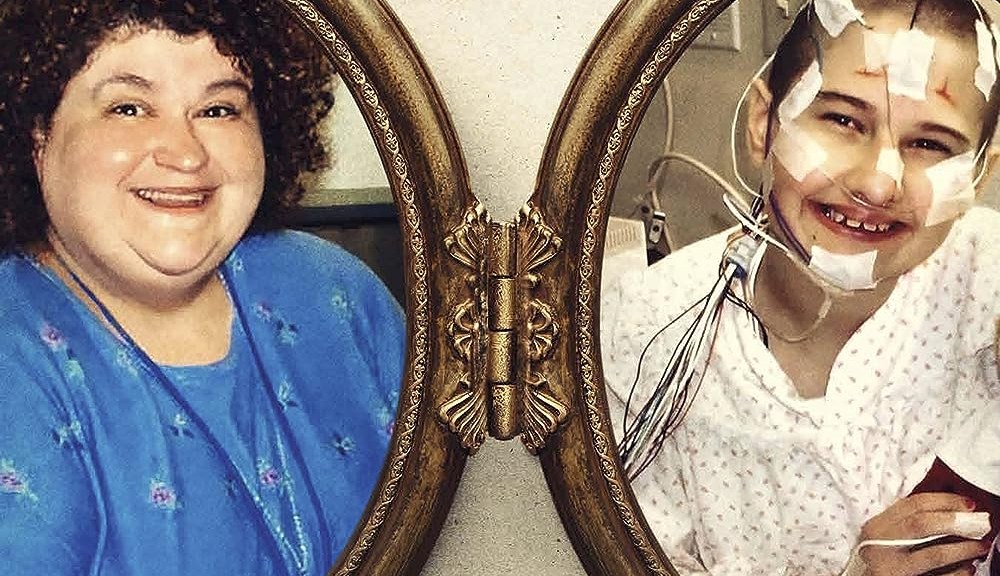
Gypsy Rose Blanchard, whose story capitivated us after a 2017 HBO documentary called Mommy Dead and Dearest, is out of prison and now a survivor of a rare mental illness called Munchausen syndrome by proxy. But has she gotten the help she needs to ensure she’s no longer a danger to society?

According to Medline Plus, Munchausen by proxy is a form of child abuse where a parent fakes an illness or causes symptoms to make a child appear sick. Gypsy suffered years of unnecessary medical treatments for sleep apnea, leukemia and more due to her mother, Claudine “Dee Dee” Blanchard. Gypsy was confined to a wheelchair and isolated from others and her mother even lied about her age to make her seem younger and more fragile. Eventually, Gypsy started going behind her mother’s back to talk to people outside of her sheltered life. She learned she didn’t need the wheelchair and began to disobey Deedee. Still, she was confused by her mother’s behavior and scared to tell anyone she wasn’t sick. 

Feeling stuck, Gypsy met a quirky and weird boy on an online dating site. Nicholas Giddejohn called Gypsy his “princess” and promised to do anything for her. That ultimately included killing Gypsy’s mother, who was stabbed to death in June 2015. Gypsy and Nicholas were soon arrested and put on trial. Nicholas was sentenced to life in prison while Gypsy was sentenced to ten years. Last December, Gypsy was released after serving 8.5 years.

Since leaving prison, Gypsy has moved to Louisiana with Ryan Anderson, who she married while behind bars. She’s gone viral on social media and has been featured on interview after interview. Gypsy is now an activist for Munchausen by proxy, and is speaking out about her experience. The media has been surprisingly forgiving. I think Gypsy needs to focus on her mental health before she can help others. If she doesn’t get help, the abuse inflicted by Dee Dee could still linger. What if Gypsy abuses her own child like Dee Dee did? 

This is surely not the end of Gypsy’s story. I hope it can be the advent of a new happy and healthy life if she focuses less on the spotlight and more on healing herself.

The Psychology of Mean Girls

By Sienna Lamond, ’26

Staff Writer

For years there’s been this stereotype of the “mean girl” at every high school – it’s expected that there is a female monarch, but why? Why is there an unspoken election of these Queen Bees? Why do they get to be mean to people, yet stay so respected? Why do adolescents fear their peers? Is there a price to pay for being nice, and furthermore, is there a benefit to being mean?

One of the most iconic chick flicks of the early 2000s highlights the mean girl clique in a unique and relatable way. Tina Fey’s 2004 Mean Girls, now in theaters as a musical, features a girl named Cady moving to a small town in Illinois from her previous home in Kenya. Cady’s parents are biologists that study animal behavior, which is told to the audience early on in the movie, but is a relevant detail that carries throughout. As Cady, portrayed by Lindsey Lohan, navigates her new high school, she finds that it isn’t too different from her old life in Kenya. She recognizes that Regina George, the designated Queen Bee, represents the apex predator, the animal at the top of the food chain with nothing capable of tearing it down, and all the other kids in school are her subjects, the smaller and lesser members of the animal kingdom.

The plastics, consisting of Regina and her two best friends, Gretchen Weiners and Karen Smith, operate much like a pack of lions or lionesses. The analogy of a high school to African wildlife represents the primeval nature of the social hierarchy. As an article published in Irishnews.com states, “not only do all human teenagers share similar characteristics, but their typical adolescent behavior is reflected throughout the animal kingdom in creatures as small as insects to as large as whales.” The article then proceeds to break down the similarities into four categories, one of them being social status. Irishnews.com writes that, “In animal hierarchies, high status individuals eat more, live in safer places and reproduce more. They even have stronger immune systems and get better sleep” which helps to show why social status inherently matters so much to high school students. It’s part of our innate behavior to want to be on top because of all the benefits it provides, and if you can’t be number one, being close enough to that MVP also allows for these perks. 

Of course, Mean Girls is loved by all for its iconic script, fantastic actors, killer soundtrack, and classic costumes, but what many didn’t realize then and don’t realize now is that the movie is based on a Rosalind Wiseman book titled Queen Bees and Wannabes which is a guidebook for high schoolers, specifically girls. Though this book is devoted to helping teenage girls, it also exposes some taboos of the social structure. It challenges girls, but also adults, to recognize the deeper meanings behind the actions, reactions, and inactions of their peers. The book illustrates a box of characteristics and traits. The qualities inside the box (beauty, athleticism, confidence, right clothing brands, pretty by the guys standard, etc.) are what determines a girl’s popularity while the exterior qualities (overweight, acne, overly-masculine, financial difficulty, etc.) are often present in social outcasts. Wiseman then explains that, “… the words outside of the box. These are weapons. … Cliques are self-reinforcing.” Girls choose to be bystanders when they see bullying occur because standing up to the popular clique would make them stand out enough to be categorized as outside-of-the-box, and being inside-of-the-box provides a sense of social security.

All humans, according to Sigmund Freud’s legendary research and theory of personality,  initiate defense mechanisms in an effort to protect themselves. Whether a teen is insecure about their body, grades, social status, financial situation, or home life, all are reasons for projection. This means that negative attributes they see in themselves, they often assign to others as a way to cope. A girl may make fun of another girl’s hair if she’s insecure about how her hair looks, and that will make her feel better. For those who cannot identify these mechanisms in action so easily, this will appear as if the girl is truly being mean. Obviously, it’s not nice to call someone’s hair scraggly, but if that person believes that their own hair also looks scraggly, then it makes more sense and the attack is not without reason or purpose. Being mean just to be mean is not a common occurrence. More often than not, one can find a motive behind most verbal attacks.

However, verbal attacks and “gossip [are] like money,” says 16-year-old Jane, one of the teens interviewed in Wiseman’s book. “We exchange it, sell it, and lend it out. It’s what we have of value.” Ideas expressed through gossip can be interpreted as mean and unwarranted statements. There is a big difference between trying to be mean and inadvertently saying things that are mean. We have to be able to discern between what is malicious and what is benign based on the circumstances we are told things. People often say mean and damaging things about other people without even realizing, partly because they don’t think what they say will ever reach the person they’re talking about, but also because they don’t view what they are saying as mean in the first place. When engaged in a conversation about someone else it is important to know the information you say could end up being shared with that person. 

Sometimes people just don’t have anything else to talk about, so they resort to gossiping to keep a conversation going, which, unbeknownst to them, is actively contributing to the spread of rumors and negativity. Gossip is one of the quickest ways mean comments are spread around. So why do we gossip? Well, uninteresting people make up for it by talking about other people to make themselves appear more interesting, and also to make them seem of higher value to the people who “matter” to them. In most social situations, like at work, at the gym, at the salon, and at school, gossip is power. Gossip may not be intended to be mean, but it almost always comes across that way, so it’s important to be mindful of who you’re talking about, and with who.

So, do people really want to be mean? No, not really. Most people don’t even realize they’re being mean even when they are. When they do make a targeted comment, it’s often a reflection of their own insecurities. The most important takeaway from the movie, as well as the book it’s based on, is that putting down others doesn’t lift you up. “Calling someone else fat won’t make you any skinnier,” says Cady. “Calling someone stupid doesn’t make you any smarter. And ruining Regina George’s life definitely didn’t make me any happier.” More often than not, it’s the girls that call you mean who are trying to make up for their own lack of kindness. In the words of the beloved beauty icon, Audrey Hepburn,  “for beautiful lips, speak only words of kindness” for no physical beauty can compare to a kind heart and compassionate smile.

If I Could Talk to Anyone in History, I’d Choose Robin Williams

By Paulina Leskow, ’24

Staff Writer

“Please, don’t worry so much. Because in the end, none of us have very long on this Earth. Life is fleeting.”

– Robin Williams

Father. Actor. Comedian. Born in 1951. Died in 2014. There are hundreds of thousands of actors in the world, so you may wonder, “what makes Robin Williams so special?” Why is he the one, out of all people, that I so desperately want to speak with? Robin Williams was not only a world-renowned actor, but he was also a good man who was deeply affected by addiction and depression, leading to his tragic downfall. If I was given the chance, I would talk to him about his life, his career, his struggles, and in every way I could, I would show him how important he was to the world. 

When thinking of historical figures, people tend to envision political figures such as George Washington, Susan B. Anthony, or Martin Luther King Jr. These people have all played important roles in our nation’s history. However, I believe that historical figures consist of more than just war heroes, civil rights activists, and politicians. Many impactful historical figures were artists, scientists, authors, musicians, and actors. I was quick to decide that I would choose an actor as a figure to talk to, but why? Better yet, why would I even consider Robin Williams an historical figure? For starters, Robin Williams has starred in several performances and represented a variety of characters that have affected many on a personal level. From iconic movies like Jumanji and Mrs. Doubtfire to comedies like Flubber and Night at the Museum, Robin Williams was very successful in his establishment of character and emotion, which allowed audiences to unlock the depths of their imaginations. Using his performing skills, he knew how to effectively appeal to his audiences and portrayed his roles in ways that many would characterize as unforgettable.

One of my earliest childhood memories was watching Flubber with my siblings. For those who don’t know, Flubber tells the comedic, fictional story of a scientist who experiments with the creation of a rubber-like substance while simultaneously enduring crazy adventures and unique situations in an effort to win over the girl of his dreams. It is a simply hilarious film and I recommend it to anyone who hasn’t seen it or to anyone who is simply in need of genuine, feel-good, comedic relief in their life. Robin Williams’ strong performance in the film is what made Flubber especially memorable to me. I most clearly recall in the movie a quote he said that went: “I know I love her, Weebo. Every neuron in my limbic system is saturated with phenylethylamine. That triggers euphoria, elation, exhilaration. Truth is, Weebo, I’m not absent-minded because I’m selfish, crazy or inconsiderate. I’m absent-minded because I’m in love with Sara.” To me, this was such an unbelievably powerful quote that painted a beautiful picture of what love truly is. Williams successfully embodies the character’s love of science and incorporates distinct scientific processes into portraying how he feels, all while presenting an entirely raw and personal account of his deep love for the girl. It was these memorable quotes and movies like Flubber that drew me to the comedic, loving, and powerful characters portrayed by Robin Williams.

Robin and his animated counterpart, the Genie

Arguably, one of Robin Williams’s most significant and well known roles consisted of his vocal portrayal of the Genie in the 1992 Disney animated film Aladdin. From this movie, I formed a rather personal connection to Robin Williams when I was in the fourth grade. In school that year, Aladdin Jr. was selected as our musical, and I was lucky enough to land the role of the Genie. In preparation for the show, I recall that my method of practicing for the role was rewatching clips of the Genie from the movie. I most vividly remember looking back and constantly listening to his use of different voices in the song Prince Ali, noting how Robin Williams used the power of his voice to convey different emotions, actions, and thoughts. I was inspired by his successful performance and hoped to someday be as talented of a performer as he was. That was truly what inspired me to continue to be involved in productions, and looking back it seemed to have indirectly influenced my decision to dedicate myself and my life to the world of theater, as I intend to study performing arts as my major in college. 

Robin Williams has impacted a multitude of aspects of my life, and I did not realize until recently how large of an impact this would have on my future. Thanks to Robin Williams, I really know who I am and am confident in who I want to be when I grow up. If given the chance to meet him, I would want to learn more about what contributed to his success as an actor. Specifically, one of the significant questions I would ask would be how much practice and effort he had to put into his roles, and what methods he used to be able to embody his unique characters so well. Learning about what it takes to succeed in the world of performing arts from this world-renowned actor, I know, would help me further enhance my acting abilities and improve my chances of success in the future.  

Not only is Robin Williams seen as an historical figure in the world of acting, he also is viewed as a significant figure in the field of mental health. In the 1980s, he overcame an addiction to drugs and alcohol which had fueled his early career. After his death in 2014, Williams was diagnosed with Lewy Body Dementia, the second most common type of dementia after Alzheimer’s disease, according to the Mayo Clinic. It is caused by protein deposits that develop in nerve cells in the brain, impacting brain regions that are involved in thinking, movement, and memory. This condition likely exacerbated Robin Williams’ lifelong struggle with depression as well as impacted his ability to create and perform, leading to his death by suicide.

A scene from Mrs. Doubtfire

In a conversation with him I would ask how and why he masked himself as being strong, when on the inside he was really broken. Was there a specific moment where he was able to realize he had depression? Did he talk to anyone about it or have to suffer in silence as many celebrities, and people, do today? How did internal and external influences affect his thoughts, emotions, and actions? But before all that, I would ask if, right then and there, he was doing alright. Knowing that he suffered from these difficulties, it would have been so important for Williams to have an effective and trusted support system, or at least to have people in his life who truly cared about him. Though he did not know me, he could have potentially found help in talking to someone like me, someone who cared about him and wanted to help him through his depression. Of course I am not saying that I would have cured his mental illnesses, but perhaps for even a moment, I could have helped make him feel like he was valued for the person he was and for all he contributed to the world. 

Despite all of his struggles, his positive outward personality and his feel-good performances helped many people struggling with mental health problems. Many recall the kinetic energy that Williams put out in his life, and his jokes inspired people to realize that joy, laughter, and happiness can be found in their world. And though he suffered from poor mental health and death by suicide resulting from depression, his best qualities will always be remembered. Robin Williams left a light shining in this world that can never fade away. 

The Chaotic World of Children’s Classic ‘Alice in Wonderland’

By Paulina Leskow, ’24

Staff Writer

“Curiosity often leads to trouble” is exactly how I would describe the 1951 Disney animated movie, Alice in Wonderland. An adaptation of the classic Lewis Carroll story, “The Adventures of Alice in Wonderland and Through the Looking Glass,” Alice in Wonderland revolves around the world of curiosity in a chaotic manner that makes it difficult for the viewer to follow along.

Alice in Wonderland tells the story of a very curious girl who finds herself stuck in the world of Wonderland, which consists of creatures and settings that defy the real world in every way possible, with creative creatures such as talking doorknobs, magical tables, smoking walruses, argumentative plants and flying toast. Although it is a creative concept, the storyline does not seem to have any consistency with its characters, as Alice is the only predominant protagonist throughout. Even “sidekick” characters, such as the Mad Hatter and TweedleDee and TweedleDum make very rare appearances that seem insignificant to the plot.

In regards to the plot, once again, there is a lack of continuity and consistency. The first half of the story has Alice searching for the White Rabbit, who claims to be running late “for a very important date.” About three-quarters into the story, that motivation driving Alice instantly disappears and turns into Alice suddenly having a desire to go home and escape the wrath of the Queen of Hearts who, even though she is considered the main antagonist and villain of the story, barely has any backstory or significant connections to Alice or the story as a whole. I like the character of the Queen of Hearts, I mean who doesn’t? Also, the deck of cards serving as her henchmen and military is a clever play on words and had so much potential as an important part of the movie. Unfortunately, the creators left the deck of cards and the Queen until the very end, taking away from their significance or character development. 

Overall, in terms of characters, I think it was pointless to include so many characters and so many irrelevant scenes with those characters. For example, I think back to the scene about the oysters in which one of the extra characters “invites” an entire army of oyster children to dinner and then, in the end, all of the oysters are eaten. Although this was a sad yet ironic scene, it was so unbelievably irrelevant to the story, and not related to Alice and her journey through Wonderland or finding her way home whatsoever.

The ending in which the reader simply finds out that Alice dreamed up Wonderland in her sleep was seemingly satisfying as there is a logical conclusion and explanation for the wild events that occurred throughout the movie. But it also just emphasized the idea that Alice is simply a delusional girl who clearly needs help, but no one seems to care enough to help her find control of her imagination.

Despite its character and plot flaws, there were also positive aspects, which make the movie as iconic as it is today. I was unaware that there was singing involved, and I feel the songs were placed nicely and not over-the-top. I also liked many of the concepts of the film, especially the idea that certain foods lead to growth or shrinkage of a person. The animation style is just like any other classic Disney movie, which adds a sense of nostalgia.

Alice in Wonderland is an iconic Disney movie seen by generations, with references and characters known and quoted around the world. But the unnecessary number of characters and the disorder of the plot make the film difficult to watch and comprehend.

Featured image: One of the scenes of Alice in Wonderland, with protagonist Alice, well-known side character Mad Hatter and additional characters celebrating an “Unbirthday.”

Don’t Judge a Movie By Its Reviews

by Owen Pierotti, ’27

Staff Writer

I recently watched a movie called Ruby Gillman, Teenage Kraken, which was released in June. Despite not performing well financially, I found the movie to be well-made and engaging. The animated film follows the story of Ruby, a 16-year-old girl who discovers that she is descended from an ancient Kraken warrior, and can transform into a Kraken (a giant sea monster, for those who don’t know). The movie explores themes of growing up and overcoming adversity, and I found it to be both thought-provoking and inspiring. While some reviewers have criticized the movie for being too generic and predictable, I believe that it offers a fresh take on the coming-of-age genre. Overall, I would highly recommend Ruby Gillman, Teenage Kraken to anyone looking for a heartfelt and engaging movie experience. And even though this movie says “for kids,” that doesn’t mean a thing; it can be for anyone. 

Ruby Gillman is a great example of the many films that may not be hit in theaters but are still worth watching. Another that was fun and upbeat this year was Super Mario Bros. A movie based on the hugely popular Nintendo game should be a hit, right? False. This origin story of the classic video game, which dates back to 1983, was rated among the top 20 worst movies by IMDB.com. One review read, “It’s brightly colored. It’s energetic. It’s got the characters. There’s the gameplay. The story is fairly simple. It’s pretty much what I expected. I wish there was more heart to it.” But as I watched the movie, memories from playing the game as a kid flooded my brain. I loved it! I grew up with these brothers; shouldn’t everyone else feel likewise? I believed this movie had a certain character to it that others did not.

So when you’re browsing cable or streaming services for something to watch, don’t be so quick to pass by ones that weren’t hits in the theater or ones that have terrible scores on IMDB.com or Rotten Tomatoes. Sometimes the terrible reviews are right. But other times, the movies feature bright characterization, relatable themes, and phenomenal viewing experiences. Checking out these movies may bring a sense of happiness or a sense of change, so why not give them a try? 

What’s the Deal with Barbenheimer?

By Leah Dillon, ’24

Staff Writer

“Barbenheimer,” or the dual release of the polar-opposite films Barbie and Oppenheimer, has been possibly the most unusual trend to sweep the Internet in recent memory. The contrast between the campy and glitter-clad Barbie versus the gritty and dramatic biopic of Oppenheimer seemed to fascinate audiences, who flocked to the theaters en masse to see both films back to back, despite the massive difference in target audience. During my two trips to the new Hanover cinema to see each film, I saw teenage girls and adult men in hot-pink attire crammed into both theaters, hoping to get their fill of the pop culture phenomenon. 

But why? 

https://www.menshealth.com/entertainment/
a44627406/barbenheimer-barbie-oppenheimer-movie-experience/

Beyond the obvious irony of sitting in Oppenheimer wearing bright pink and sequins, I think the “Barbenheimer” trend shows some of the long-term social effects of Covid. Between the virus and now the Hollywood writers’ strike, good movies have been few and far between. There haven’t exactly been many opportunities to go to the local cinema in a while. So why not marathon Barbie and Oppenheimer? Even less broadly, I think the opening of the new Showcase Cinema in Hanover also had a significant hand in reviving local interest in going to the movies. Even if your personal interest in both films could be described as ironic at best, there’s a wealth of experience in going to the movies with friends after several years of isolation and re-integration into the world. 

As for my personal “Barbenheimer” experience, I went in not expecting very much out of either film, except maybe a good time. I didn’t think of myself as the target audience for either movie, and with the last few years of mostly soulless cash grabs in the cinema (with a few notable exceptions), I didn’t have a reason to expect these to be anything different. While both Barbie and Oppenheimer ultimately left me with mixed feelings, I will say that I feel more positive than cynical, and my expectations for both were thoroughly subverted. Here’s my overall thoughts on the “Barbenheimer” experience. 

SPOILERS AHEAD!

Of the two movies, I’ll admit to having higher expectations for Oppenheimer than Barbie. In terms of my personal interest, I expected to like the gritty historical drama much more than something frivolous and in your face (as Barbie undoubtedly was). I dismissed Barbie as one of those “so bad it’s funny” types of movies, ultimately a glorified advertisement. However, the movie managed to rise above the company that conceived it, and in actuality, I liked Barbie considerably more. While I have criticisms of some of the characters and the presentation of some of its themes, it had a lot more substance than I originally gave it credit for, and overall made for a more enjoyable experience. 

I haven’t trusted any big blockbuster movie releases for the past several years because of a widespread decline in the quality of movies and other popular culture. Since roughly 2016, theaters have been inundated with live-action remakes, unnecessary and weirdly executed sequels, and obviously soulless cash grabs. Most of the new movies that have come out in the past few years feel like they’ve been written by accountants rather than screenwriters; the trailers for Barbie made me feel like I’d be walking into a 90-minute commercial for Mattel, and to an extent, it was. With Mattel working on the film, and with a marketing budget of $150 million, the fact that Barbie existed to sell products is unavoidable. However, being what it was, Barbie was extremely self aware. Barbie was able to make fun of its source material and parent company without drawing any corporate ire, from criticizing the male CEOs selling empowerment to young girls, to discussing the unlivable expectations promoted to little girls through the dolls (and the potential impact on self esteem), to playing with the absurdity of its own concept. The whole movie is written in an overly snarky and self-aware kind of way, which genuinely impressed me as I walked out of the theater. On top of that, the movie takes the time to tell a layered story and explore existential questions about the human condition — the very last thing one would expect from a movie about Barbie. The movie managed to surpass my disdain for corporate involvement in art by being aware of the product it’s selling and the subsequent impact, while still leaving ample room for an interesting story and relevant themes. Barbie is so far from just a marketing tool; it manages to be funny and borderline absurd, while also telling a mature story of self-actualization, and giving real-life commentary about the detrimental impacts of patriarchal gender roles.

One of the standout aspects of Barbie is its brand of humor. Right from the get-go, the movie makes it obvious that it is not directed at a child audience; rather, it’s for the adults who grew up with the dolls. The whole movie is permeated with both subtle and explicit adult humor, starting with the Kens talking about “beaching each other off,” and escalating to Barbie discussing her non-existent genitalia with a group of pervs on the street. The opening scenes make a point to show the absurdity of human actors in a life-sized manufactured world: there’s no water in the shower or the ocean, the cars are too small, the food is made of plastic. All the Barbies have upturned heels, and flat feet are an object of derision and disgust. Almost none of the world feels believable, but it isn’t supposed to be; it’s all plastic. In writing and screenwriting, there exists this concept called “suspension of disbelief,” which is essentially the audience’s capacity to pretend that the events of the story are really happening. The human mind craves patterns and consistency, and suspension of disbelief is anchored in the mechanics of the pretend world mimicking life and making relative sense. Barbieland does not make sense—and it’s better off for it. The lack of suspension of disbelief contributes to the humor by forcing the audience to continue to think about Barbie as a product and a doll, even when she leaves that mold and ventures into the human world; the awareness also serves as a setup for a lot of the jokes laced throughout the movie. Some of it feels kind of clunky—the “beach you off” scene felt kind of overdone to me, for example—but more jokes landed than not. Even so, the clunky bits felt more campy – in other words, bad enough to be good — than anything else, which worked with the mood the movie was going for. There wasn’t a single moment that I wasn’t having a good time (except for when I lost my wallet in the theater, but I can’t find a way to blame Barbie for that).  The movie takes itself just seriously enough to deliver perfectly, and I’ll never get over how perfect Ryan Gosling was as Ken — from his first scene, you can tell he’s having fun with the role. The humor is one of Barbie’s biggest selling points for a good reason, and even my painfully unfunny self got a kick out of most of it. 

The acting in Barbie is another standout point of the movie, although it’s a point on which I have mixed feelings. I’ll start off by saying that Margot Robbie and Ryan Gosling were as close as possible to perfect in their respective roles. Ken is undoubtedly the funniest part of the movie, and Margot Robbie’s portrayal of Barbie’s existential crisis was completely unexpected, but brilliant nonetheless. On the other hand, though, America Ferraro’s character and the daughter really didn’t work for me, and a lot of their delivery feels off. I can’t pinpoint why, but all of their lines were delivered really weirdly, and by the time I was at Ferraro’s speech about the contradictory expectations of womanhood, my suspension of disbelief was completely broken (and not in the deliberate way that Barbieland was trying to deliver). I was disappointed that the most surface level points of feminism were delivered as this revolutionary revelation, and her tone of voice during the speech reminded me too much of a cartoon character, or rather somebody reading off a script. This is one of the only bits where I feel like the movie wasn’t as self aware as it could have been. Honestly, since the two most important characters were written and portrayed as well as they were, I suppose I have little grounds to complain about the side characters. 

Despite some of its visible flaws in the delivery, the story is one of Barbie’s strongest points, and genuinely surprised me with how well it was executed. Being somewhat of a commercial for Barbie toys, I expected it to be a sort of girl-power, very basic feminist movie. While it delivered that premise on the surface, the way it portrayed the premise was much more creative than I expected. Barbie’s entanglement with the patriarchy was to be expected, but whose idea was it to have Ken teach all the other Kens what the patriarchy is, and to have them engage in a singing battle of all things? Barbie’s existential crisis and the movie’s meditation on the human condition were a very pleasant surprise, and in my opinion, the aspect of the film that elevated it. Some aspects didn’t work for me — I thought the resolution of the mother-daughter relationship problems was poorly done, and kind of dropped in favor of focusing on Barbie’s conflicts, and the first half of the movie prioritized being funny and self aware over story development. However, the second half of the movie and the ending absolutely justify the first half, and the flawed side characters pale in comparison to the characters who are done well, which are most of them. 

The other half of the story is the theme, which is roughly the same as the rest of the story; slightly flawed, but mostly very impressive. The implicit themes of this movie are portrayed much better than some of the explicit themes; for example, Barbie touches on the ways that men suffer under the patriarchy, which is almost never discussed in feminist conversation. However the explicit discussion about the contradictions of womanhood falls flat. The existential pondering about death, aging, and what we are made for are wonderfully executed, but the real-world feminist issues aren’t tackled to the fullest extent. I think a part of this is the limits of the medium — screenwriters can only have so much happen in that hour and a half window (unless you’re Chris Nolan) and the Barbie movie tries to juggle it all. It’s only natural that some aspects thrive while others fall flat. It’s the implicit themes that really elevate this movie, and thankfully, those are executed very well. 

Overall, Barbie was a fantastic experience. It delivers great humor, engaging characters, and unexpectedly poignant questions for the audience to consider. Barbie is without a doubt one of the best movies that I’ve seen in a while, and will be a pleasant surprise for anyone that ventures to watch it, target audience or not. 

Oppenheimer, on the other hand, left me with much stronger mixed feelings. Walking into the film about the “father of the atomic bomb,” I anticipated that I’d like it a lot — I enjoy history and biopics and the like, and knowing my disconnect from Barbie’s target audience, I thought Oppenheimer would resonate with me much more. In actuality, I feel divided on it. I want to say in advance that some of the criticism I could make about Oppenheimer’s content is unfair given what it is — a modern retelling of recent history. The world of fiction is different from the world of reality and of history in that it’s streamlined to be as interesting and coherent as possible. Characters aren’t people, but rather vehicles for themes, and plots follow a structure to keep the audience engaged. Oppenheimer was a real person, and his life wasn’t meticulously planned for an audience in 2023. To expect the story to be consistently entertaining is impossible without betraying the source material of his life and defeating the entire purpose of the film; in this case, that’s not the writer’s job. What the writer has control over is framing, and in that regard, there’s plenty to praise and criticize for Oppenheimer

Oppenheimer is just over three hours, and the first and second half of the movie feel like entirely separate films. I’ve never experienced a movie or book that had such a compelling first half and such a lackluster final act. The movie starts out with Oppenheimer’s trial, where he’s charged with having Communist ties in his past. The trial is then used as a framing device for telling the story of his life. The best part of the movie is the dynamic between the past and the present, his actions and the guilt and consequences he faces, all building up to the grand crescendo of the bomb being dropped on Japan. And it’s handled brilliantly: the movement between the past and the present, the growing sense of unease as the plans for the bomb are made, and the brilliant soundtrack and visuals gave the film a constant sense of motion. Even when the content was just men talking in rooms, writing on a chalkboard, making calculations and big science statements far beyond my understanding, everything was infused with this growing sense of tension. The visual design and the soundtrack had a lot to do with this — the music plays for the entirety of the film, except for the abject silence that follows the dropping of the bomb, and scenes of men talking in rooms are often supplemented with visuals from its aftermath; one minute, you’re in the courtroom with Oppenheimer, and in the next, the lawyers are living corpses with their skin flayed off from the radiation. The viewer is allowed to experience the guilt that follows Oppenheimer everywhere he goes, and the dynamic between the past and present really enhances the film. It’s after this dynamic is dropped that I start to have issues with the film. 

The last hour and a half of Oppenheimer are entirely dedicated to his trial, and very quickly, everything that made the movie engaging tapers off. The historical biopic becomes a legal drama; the movie about the man who made the atomic bomb becomes a movie about men talking in rooms. The soundtrack, which used to feel impactful, feels like it’s trying to give tension to something lifeless. The many facets of Oppenheimer’s character that the first half of the movie explores so carefully are erased in favor of playing up his guilt. It’s tedious, and lasts for 90 minutes. It didn’t take long for me to lose the thread and any interest I had. The only two reasons I chose not to leave the theater were because I was writing this review and I had spent $17 on the ticket. I was extremely disappointed in the loss of momentum, needless to say, and it sours my impression of the rest of the film. Oppenheimer was a waste of potential. 

Despite this, I think “Barbenheimer” was a fun experience overall, and one I would recommend to just about everyone. For anyone who missed the trend, honestly just streamline the experience and watch Barbie; maybe get dressed up in pink and huddle around the TV with a group of friends. I never thought I’d be saying that Barbie is better than Oppenheimer, but here I am typing it. Actual movies aside, it’s nice to be able to go to the theater again and make new experiences with friends. Hopefully, the film industry will see that people respond well to good movies rather than soulless cash grabs, and we the viewers can continue to have more “Barbenheimer” summers in the future. 

Featured image: https://www.latimes.com/entertainment-arts/business/newsletter/2023-07-11/wide-shot-newsletter-barbenheimer-barbie-oppenheimer-box-office-the-wide-shot

Taylor Swift & Barbie Drive Economic Boon

By Sienna Lamond, ’26

Staff Writer

The entertainment industry certainly serves its role in keeping the United States economically sound. But lately there have been two factors in particular that seem to be driving the numbers: Taylor Swift and Barbie. Now, how are these two empowering feminists promoting positive economic growth? 

Taylor Swift, beloved across the world, has surpassed a remarkable number of records with her latest tour, the Eras Tour. The tour features songs from each of her 10 studio albums (excluding her debut album, self-titled Taylor Swift), with extravagant costumes to accompany each set. The tour would have been successful even if every high school and college student in America was not obsessed with Swift’s music, but fortunately for her – and the U.S. economy – they are. The tour has already grossed over $2 billion dollars, which is over a billion more that the last record holder, Elton John’s Farewell tour. While that tour spanned five years from September 2018 to July 2023, Swift has managed to double that revenue in a matter of months. 

One of the reasons why Swift is so popular in American high schools is because she touches so many different genres and styles in her 10 albums and three re-releases. Since her first country album was released in 2006, she has managed to grow her empire by switching to more mainstream pop, and dabbling in indie, rock, and folk music. One thing that Swift is expert at as well is getting people’s attention. She creates music that directly responds to rumors, calls out institutions that mock her, and defends her reputation when she’s under scrutiny while maintaining a sense of grace and dignity. Through this forward mentality, she has earned the devotion of girls and women of all ages. These die-hard Swifties will pay as much as $800 for a nosebleed ticket, not to mention the price they are willing to pay for merchandise, hotels, restaurants, gas, and more. The average price each concert attendee had to pay for a ticket, based on data from Business Insider, was $1300. According to The National News, “Her six-night residency is projected to deliver a $320 million boost to Los Angeles County and $160 million in local earnings.” 

It is a dangerous game being so popular, though. If Swift were to cancel just one show in any given city, fans would cancel hotels and restaurants, shops would lose walk-in customers, and no one would spend money on the merchandise sold on site. A sick day would essentially destroy the initially generated revenue overnight. As Swift prepares for the international leg of her Eras Tour, fans who reside in the U.S. are scrambling to get their hands on tickets for shows as far as Japan, Brazil and The Netherlands. It’s not a stretch to say that the future of the world’s economic developments lies with Swift and her future enterprises.

Another iconic blonde that has managed to generate an absurd amount of revenue is Barbie. The new movie based on the long-popular doll has generated just under $1.4 billion in box office worldwide, according to Dexerto. The tear-jerking story focuses on Margot Robbie as Barbie, living in a female-run utopia; when she visits the “real world,” the story spirals, depicting the problems of patriarchy and sexism in a horribly realistic light. Not only is the box office revenue insane, but the attention across social media platforms has driven people to purchase Barbie merchandise from both the official organization as well as small businesses through Etsy, Tiktok, Redbubble, and others. Believe it or not, these hyper-supportive fans will spend $35 on a t-shirt and $10 on a keychain to get their hands on unique Barbie merchandise, as shown from websites like Etsy and Redbubble.

Furthermore, women across the globe are using the movie to push for gender equality. Some men have been offended by the way in which they are depicted in the movie, but few realize that it isn’t inaccurate to the way they are perceived in reality. The movie has stirred gender equality movements in all sorts of jobs across the globe, but the social impact does not stop there. Since it could only be seen in theaters for its first two months – just recently becoming available to stream for $25 a rental –  Barbie has reinvigorated the theater business after a nearly two-year slide due to the COVID-19 pandemic. In addition, Barbie is a refreshing new film in the midst of remakes, prequels, sequels, and overall bad original pictures due to a lack of general creativity that has befallen the film-making industry, which is a story for another time. (see What’s the Deal with Barbenheimer? for more on the Barbie movie)

Overall, the U.S. economy can thank Taylor Swift for a near $5 billion increase this past year, according to The National News, and that number is only expected to grow in the coming months. Add to that the revenue generated from the Barbie movie, and most sources agree that we’ll likely never see another such pop culture and economic phenomenon in our lifetimes. The enthusiasm surrounding both the tour and the movie is different than ever seen before and will continue to bolster the national economy in unprecedented ways in the months to come.

Featured image: https://www.insider.com/taylor-swift-eras-tour-outfits-behind-the-scenes-videos-photos-2023-3