Gen Z is considered by many to be the first to grow up on social media. Born from the mid-90s to early 2010s, this generation consumes more content each day than any other. When the government of Nepal tried to ban 26 major social media platforms, the young adults of the country did not sit by quietly. They took to the streets to protest what they called censorship and authoritarian rule.
The government of Nepal made the decision to ban the social media platforms, including Facebook, Instagram, and YouTube, in September. The ban was implemented after the app owners refused to comply with the request to register with the Nepali government and limit information. Officials argued that the move was about ‘sovereignty and regulation,’ not censorship, but the citizens thought differently. They felt that their democracy and freedom of expression were just temporary privileges. This led to protesters peacefully gathering to argue against the government’s decision. However, it quickly escalated to violence and destruction.
On September 8, police shot at the protesters near the Parliament building, causing at least 19 deaths, including a 12-year-old child, and over 100 injuries. The next day, thousands of young protesters stormed the parliament building. They destroyed the interior, ransacking valuables and setting rooms on fire. The prime minister’s house was also set on fire, leading to his resignation. The power vacuum was filled by Sushila Karki, Nepal’s first female prime minister, who holds a zero-tolerance policy on government corruption and political censorship. The social media ban and national curfew were lifted shortly after, with Karki pledging to end corruption and respond to the demands of the people.
This issue is not unique to developing countries like Nepal. Recently in Mexico, thousands of members of Gen Z organized through social media in massive protests against crime and corruption. Similar protests have occurred in the past two years from Bangladesh and Kenya to Italy and Peru. For students anywhere, this story demonstrates how youth activism online can translate into political change for the better.
Vigilante justice, or taking the law into one’s own hands, has been happening in the United States since before its founding. When imagining what vigilante justice looks like, people may picture a headstrong hero that roots out corruption, but the only difference between a terrorist and vigilante is public opinion. For example, to a Patriot, the winning of the American Revolution was a triumph and celebration of freedom. However, to a Loyalist, the war was a disaster that caused the loss of their lands and their displacement to Canada.
Vigilante justice can cause harm to innocents. This was notably done by the Sons of Liberty in years before the Revolution when tax collectors were frequently tarred and feathered as an act of defiance against the British Crown. To be tarred and feathered was painful, humiliating, and often left people scarred or burned. Whether the actions of the Sons of Liberty were justified is left to the individual to decide, but at least in my opinion, innocent people should never be hurt for political gain.
Of course, rooting out corruption in society sounds great, but before acting, people need to consider all perspectives on the issue and the veracity of the information they read or hear on the subject. A lot of times, people who commit these acts are manipulated and turned radical by the podcasts, videos or social media from which they form their political opinions. In some cases, these people are also mentally unstable, which, when paired with propaganda, can heavily influence people toward making bad decisions. Though there certainly is corruption in the government, people need to trust in the courts and our justice system. All people are entitled to a fair trial in front of a jury; whether the defendant is guilty or not, to deny that right is a crime in itself. When vigilantes strike, they are acting as judge, jury, and executioner.
The most recent example of vigilante justice was the murder of Turning Point USA leader Charlie Kirk, who was shot to death during an appearance on a college campus in September. Kirk was a determined and strong debater who was credited with gathering support for conservatism among younger voters. Kirk swayed public opinion against abortion, gun control and countless other issues.Kirk’s opponents may point out that the legislation and ideas he preached appealed mostly to white men, causing more harm than good, especially to the detriment of women and minority groups. This leaves Kirk’s legacy uncertain; however, he was a vocal advocate of peaceful free speech and political debate who deserves respect for his courage to create change. Many people in both political parties said kind words on social media and emphasized the immorality of political violence, but others celebrated the actions of the clearly troubled shooter, who was arrested days later. Reactions to Kirk’s death were more evidence of the growing political divide in this country. Even if you don’t agree with what Kirk stood for, you should at least recognize he was human and didn’t deserve the death chosen for him.
The December 2024 murder of United Healthcare CEO Brian Thompson also begs the question of vigilante or murderer. Of course, most people would agree that murder is wrong, yet upon hearing of Thompson’s death, many celebrated. United Healthcare is notorious for having one of the highest percentages of claim denials among all health insurers. By denying claims for expensive but possibly life-saving care, critics argue, this corporate giant is indirectly responsible for the deaths of thousands. Though Thompson isn’t completely to blame for the company’s policy that seems to put profits over human lives, he could have tried to make change. As a CEO he certainly had some power to enact at least small reforms, but any change that would have hurt the company’s bottom line would have likely been vetoed by the company’s board.Still, that doesn’t excuse the actions of alleged shooter, who is awaiting trial.Killing one man doesn’t bring back all the people killed by claim denial. Premeditated murder and crimes in the heat of anger don’t bring justice. If people truly want to make lasting change they should confront corporate giants in the courts. If the alleged shooter had done this, Brian Thompson’s children would still have a father.
The attack on the US Capitol on January 6, 2021 could be considered another example of people trying to take the law into their own hands. Armed, right-wing protestors gathered in front of the building after a rally by Donald Trump, the outgoing president at the time, who had been pushing the narrative that the 2020 election had been “stolen” and Joe Biden was not the rightful winner. Against overwhelming evidence and ballot recounts in multiple states, Trump and his supporters insisted the election had been stolen and their country was in danger. With Trump’s call to action in their ears, the protestors marched to the Capitol, where tensions quickly escalated and the rally turned to a riot. Police forces stationed at the Capitol to maintain peace were easily overwhelmed, and rioters entered, intent on harming members of Congress and disrupting the certification of Biden’s election. This event is largely regarded as a stain on American history, and the multitudes of people injured as well as the 10 people whose deaths were related to the attack are proof of the dangers of propaganda. Some, including President Trump and some Republican officials, still believe that there was election fraud and praise these domestic terrorists as heroes and true Americans.
Wherever you stand ideologically, vigilante justice must stop. Although the battle to change government policy can be long and riddled with opposition, we have systems in place to create change. People can petition their representatives or senators and they can peacefully protest. This type of violence only strengthens the determination of the opposition. Assassination attempts on President Trump and Charlie Kirk have only widened the ideological divide and furthered political polarization. One House representative, Marjorie Taylor Greene, has even expressed desire for a “national divorce” along party lines! Unfortunately, hatred between liberals and conservatives is strong, but one issue that should have bipartisan support is ending political violence. Silencing people over ideological disagreements is primitive and contradicts the values upon which this country was founded.
Universal Studios Florida and Walt Disney World Florida are two of the most famous and most visited theme parks in the world. Both are so committed to their themes that, from the moment you take your first step in, you are transported to an otherworldly place. The rides are the best in the world, with outstanding themes that can make you feel like you aren’t really on earth, but rather flying through the galaxy in the Millennium Falcon, traveling through NewYork City with Spiderman, or flying on the back of a banshee in Pandora – the list goes on. Because these two theme parks are so amazing, it brings up the question: which is better?
Deciding on which theme park is better usually takes some personal preference. If you are a Harry Potter and Marvel fan, well, then Universal Studios will obviously be your favorite. But if you’re a Star Wars enthusiast or love Avatar, then Disney will obviously be your choice. Other things that you may take into account are whether you like intense thrill rides, slow moving rides, or maybe even nostalgia. For this article, I will focus only on the regular parks with normal rides, not the water parks at each resort. I will judge which theme park is better based on the following: rides, family friendliness, and fast passes (Express Pass and Lightning Lane).
Rides
The reason most people travel from all around the world to go to these theme parks is for the rides. The rides are not just your ordinary roller coaster or spinning rides that you’d see in a fairground, but one-of-a-kind works of art. In fact, both theme parks spend years designing rides to make sure they are worth every penny.
The rides at Universal Studios are often much more intense and thrilling than the rides at Disney, including five large roller coasters: The Velocicoaster, The Hulk, The Hollywood Rip Ride Rocket, Hagrid’s Motorbike Adventure, and the new Stardust Racers. These roller coasters are fun, fast, and exhilarating. In fact, the Velocicoaster is the fastest ride in Florida, reaching 72 miles per hour. However, if crazy fast roller coasters aren’t really your thing, Universal also has about 15 screen-based rides. Although many of these are very well made, there are some downsides such as possible motion sickness and need of refurbishment for outdated rides like Fast and Furious Supercharged and The Simpsons Ride. Additionally, Universal has three exceptional water rides to offer: Dudley Do-Rights, Popeye and Blutos, and Jurassic Park River Adventure. Despite the limited options for water rides, these are great for getting you drenched and offering relief from the blazing Florida sun. Overall, Universal Studios has some very enjoyable rides, and while it doesn’t have as many as Disney, most of the Universal theme park rides are unique and offer a one-of-a-kind experience for its guests.
Disney World also has some amazing rides. In fact, some say they are the best in the country. If you are looking for fast roller coasters similar to the ones at Universal, then you will be happy to know that Disney also has a number of high speed roller coasters, although they only have one ride (Rockin’ Roller Coaster starring Aerosmith) that goes upside down. Disney does not have nearly as many screen-based rides as Universal, but that may actually be better, considering the fact that many people prefer animatronics and real props over screens. While the screens are captivating, most people would rather go on a ride where you see two life sized AT-ATs from Star Wars than see a dragon from Harry Potter on a screen. That being said, Disney does have two screen rides that are a very different style than the ones at Universal: Avatar Flight of Passage and Soarin’ Around the World. In these rides, passengers are seated directly in front of the screen, allowing them to feel like they’re really flying. Another difference between the parks is that Disney has more slower moving rides, which can be just as amazing for visitors as a big roller coaster or screen-based ride. Attractions like Pirates of the Caribbean, Haunted Mansion, and Navi River Journey are great if you want a nice, slow moving ride that makes you feel like you’re in a whole new world. Additionally, Disney has four water rides to help you cool off from the Florida sun: Pirates of the Caribbean, Frozen Ever After, Tiana’s Bayou Adventure, and Kali River Rapids. However, in terms of water rides, Universal is the clear winner, as they get you significantly more drenched than those at Disney. Like Universal, Disney also has some rides that are outdated, but Disney doesn’t feel the need to get rid of them because they are so nostalgic and iconic to the parks.
Overall, both Universal Studios and Walt Disney world have so many amazing rides that are worth coming from all across the world to see, but based on the information above it is clear that Disney has slightly better rides. Due to it’s great moderation of rides, and that their rides are just slightly better, Disney wins the rides category.
Family Friendliness
An important factor to consider when planning a trip is how the vacation spot will appeal to the entire family. Universal Studios has a lot more rides intended for teens and young adults, with intense rides like Velocicoaster and Escape from Gringotts, which are not really made for young kids. Universal does have a decent amount of attractions for younger riders, but not as many as a family with young kids might want. Families looking only to ride the attractions catered towards younger kids would definitely be repeating rides multiple times over their trip. Universal does offer a much easier system for navigating the parks, and has a much shorter walking distance from the deluxe hotels to the parks, making hotel access and breaks from the park much easier.
In contrast, Disney World definitely has a lot more rides intended for younger children. Disney offers slow moving rides for very young kids, and fast kid-friendly roller coasters for those who may be too young to ride huge roller coasters like Expedition Everest. Although Disney is more difficult to navigate than Universal, and not as easy to get from hotel to park, Disney also offers so much more for families. Disney has amazing shows that are super entertaining for children, incredible fireworks shows every night, parades, and meet and greets. In conclusion, it is clear that Walt Disney World is the more family friendly theme park, therefore it wins this category.
Fast Pass
As you can probably imagine, super popular rides at these parks can sometimes have lines that last hours, which is why it is crucial for these parks to have fast passes – a pass that you pay extra money for that gets you into a different line that moves a lot faster than the normal one. At Universal these are called “Express Passes.” You can obtain purchase these separately, or they come for free if you stay at one of the three deluxe hotels. The Express Pass works like this: you walk up to any ride, they scan your Express Pass, and you’re allowed into the express line, that simple! There are only a few rides that do not accept Express Passes, but the majority do. Disney, on the other hand, has a much more complex system. Disney’s fast passes are called “Lightning Lanes” and they can only be obtained via purchase. Lightning Lanes have a tier system where some rides are tier one and others are tier two (Animal Kingdom does not have any tiers). You can book two tier two rides and one tier one ride. After you have ridden a ride you had a Lightning Lane for, you can go on the app and book another ride, although you can only do those that are available. Disney also has a select few rides that do not accept Lightning Lanes. As you can see, Universal’s system is a lot easier to navigate and obtain, which is why they will be winning this final category.
The winner?
In conclusion, Universal only won the “fast pass” category, while Disney won two categories: the “rides” and “family friendliness,” therefore Disney is the better of the two parks in my opinion. Don’t get me wrong, both of these theme parks are amazing in their own ways and both will be an incredibly fun vacation. But when you put them head to head, Walt Disney World is slightly better.
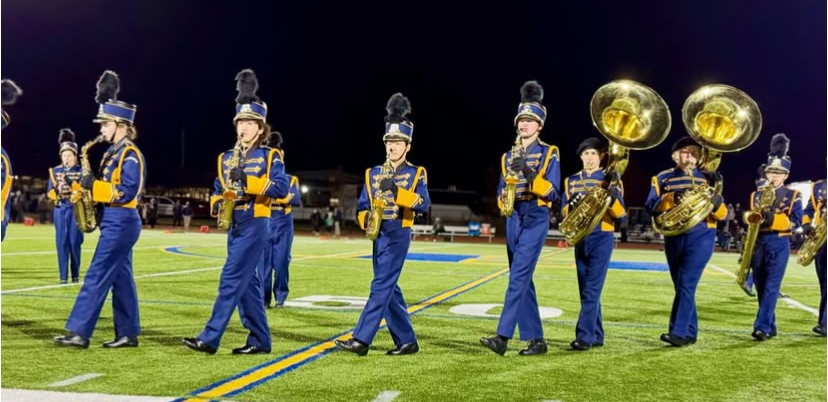
The Patriot Ledger is asking readers to vote for the best school marching band on the South Shore. HHS knows there’s no contest; the Pride of Hanover Band tops them all! Show your support by voting in the free poll. Vote as often as you like before the poll closes at noon Wednesday, Nov. 26.
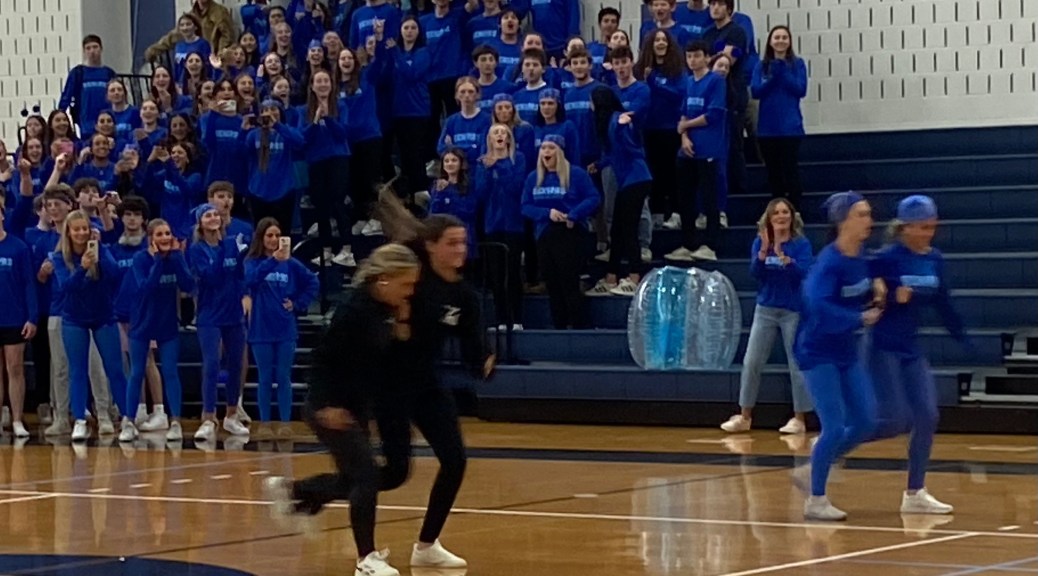
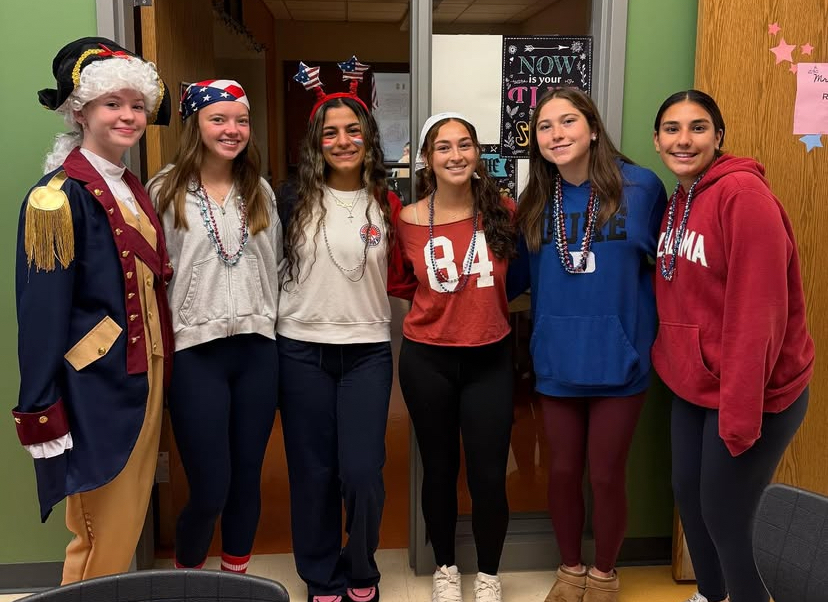
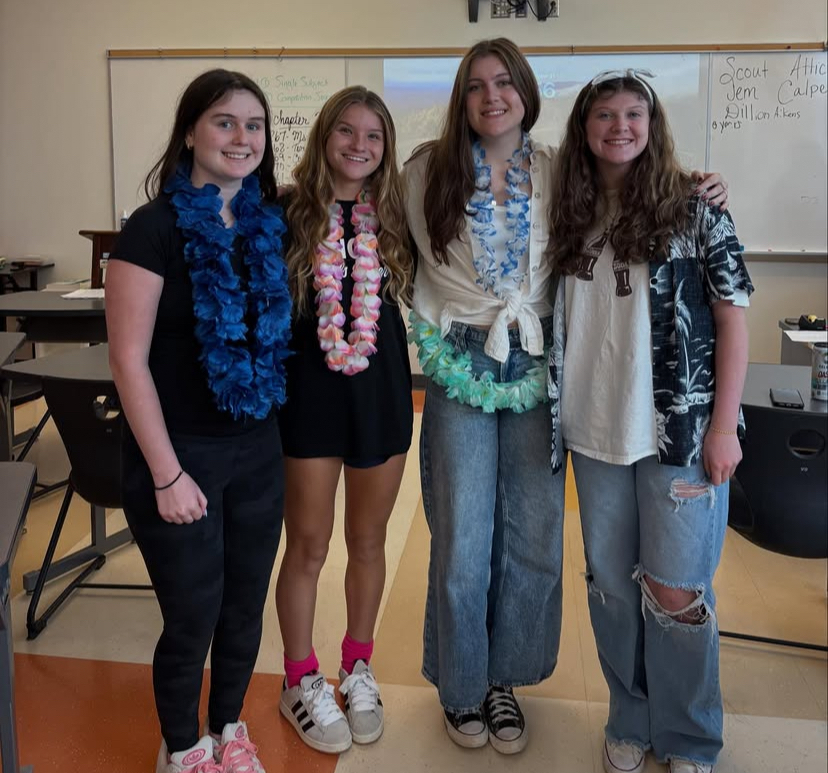
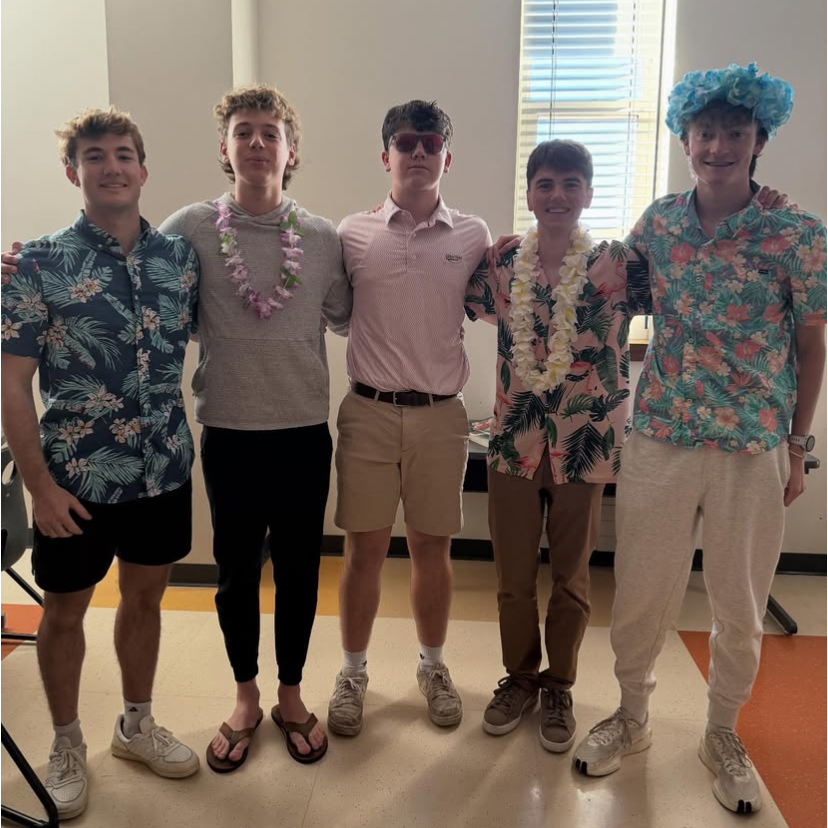
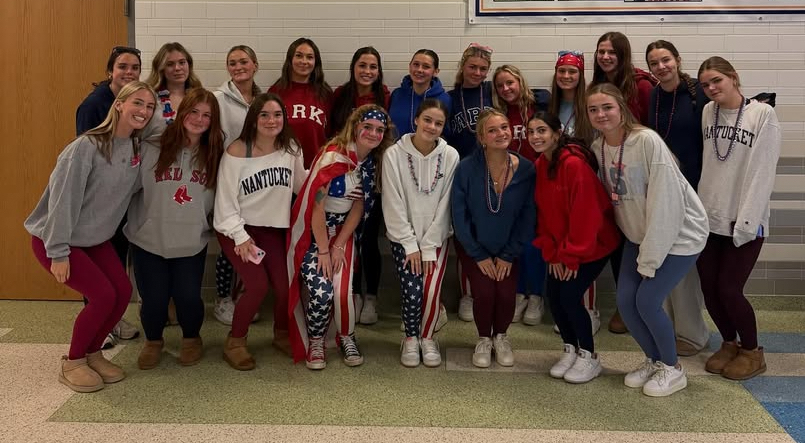
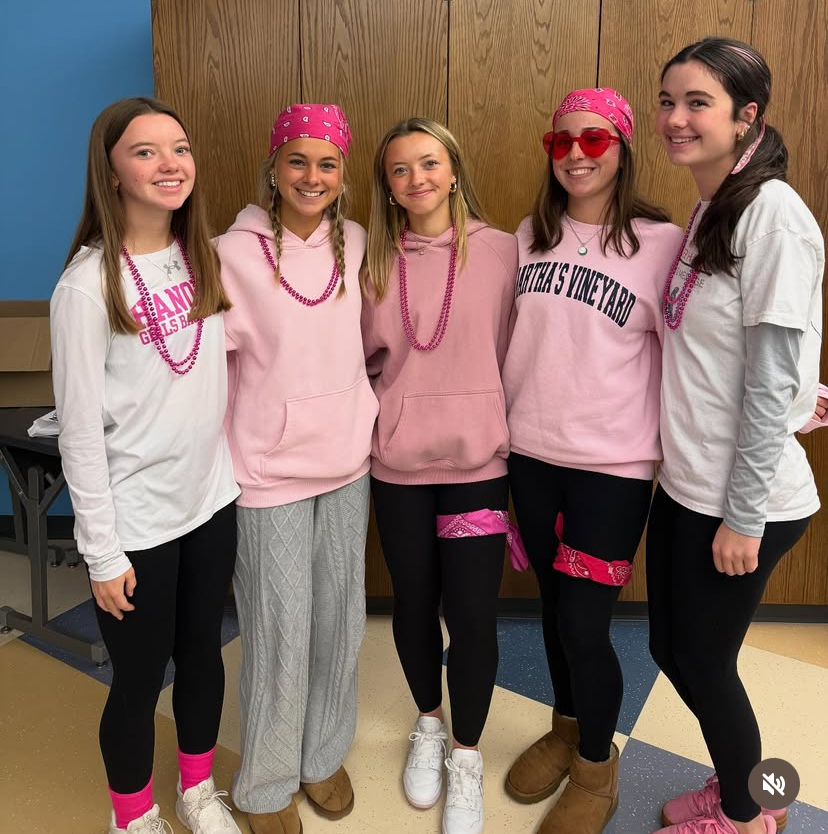
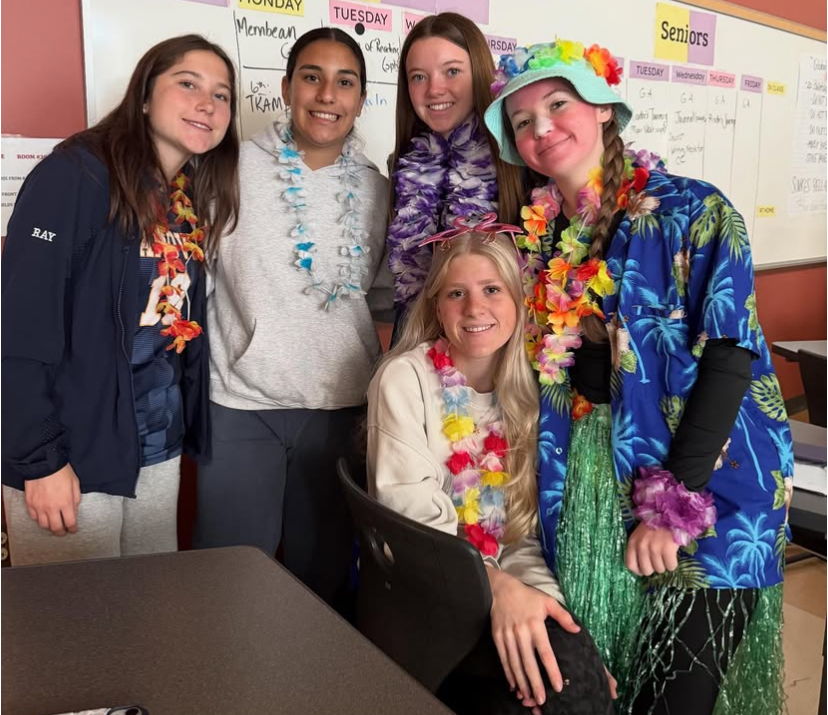
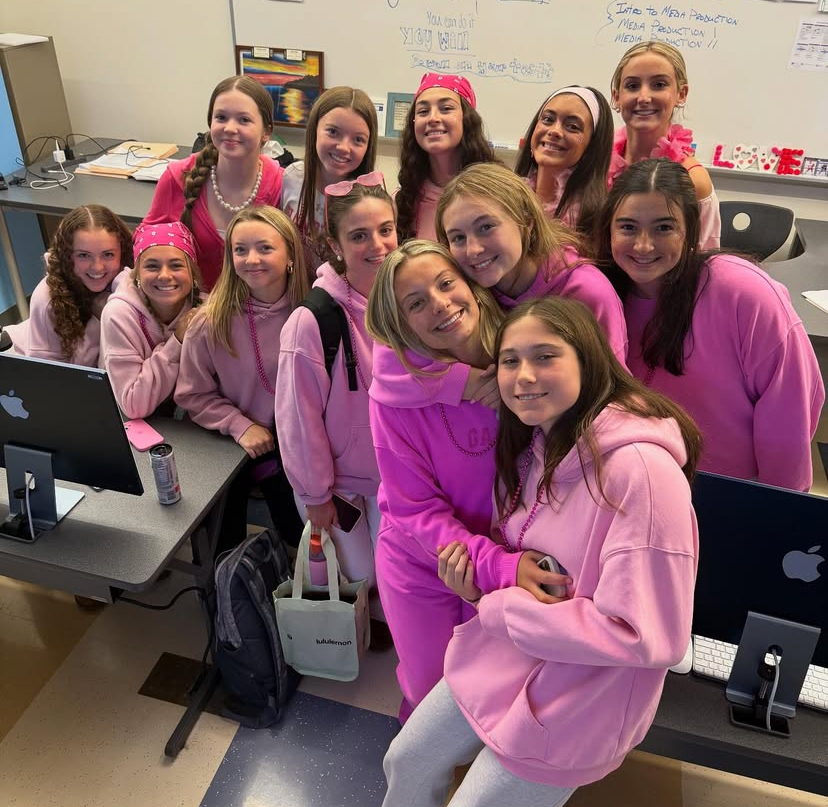
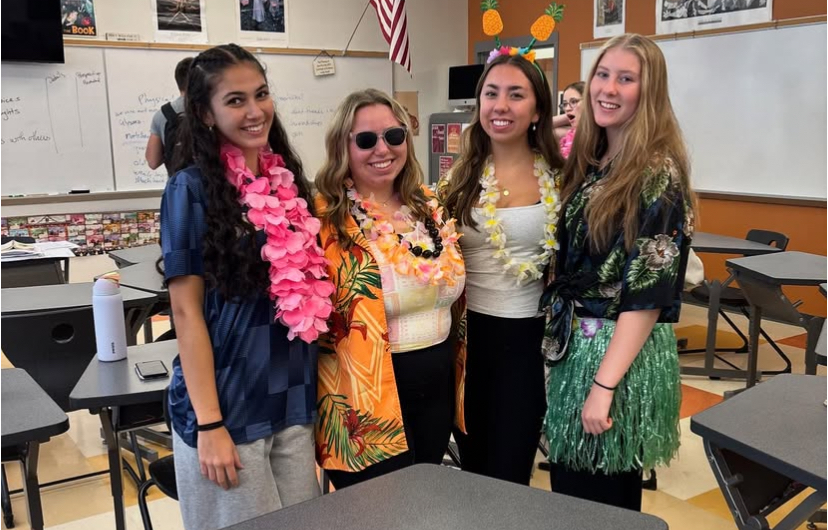
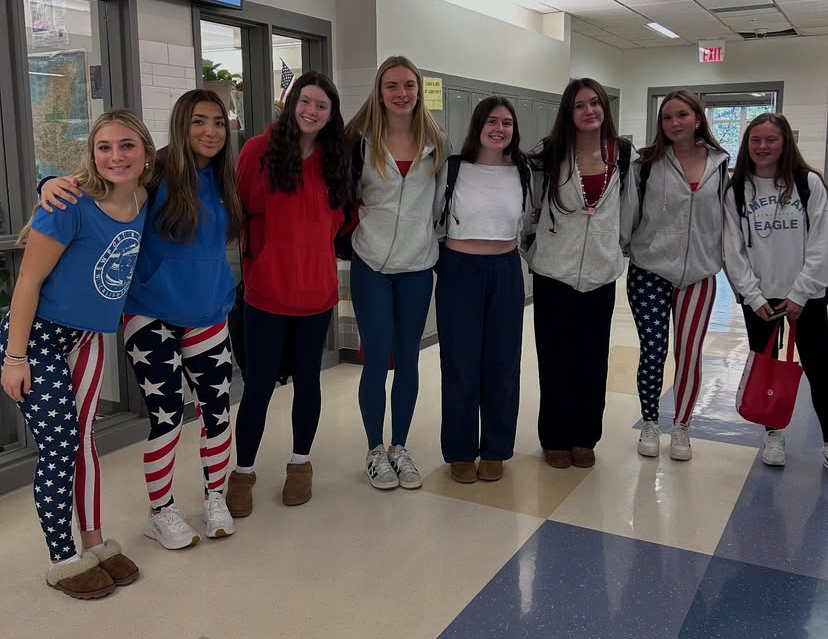
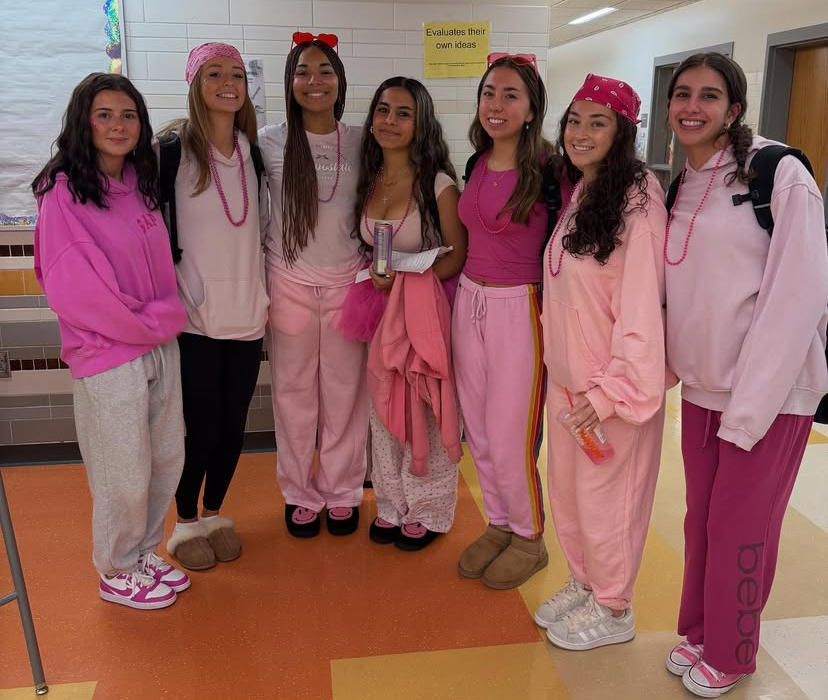
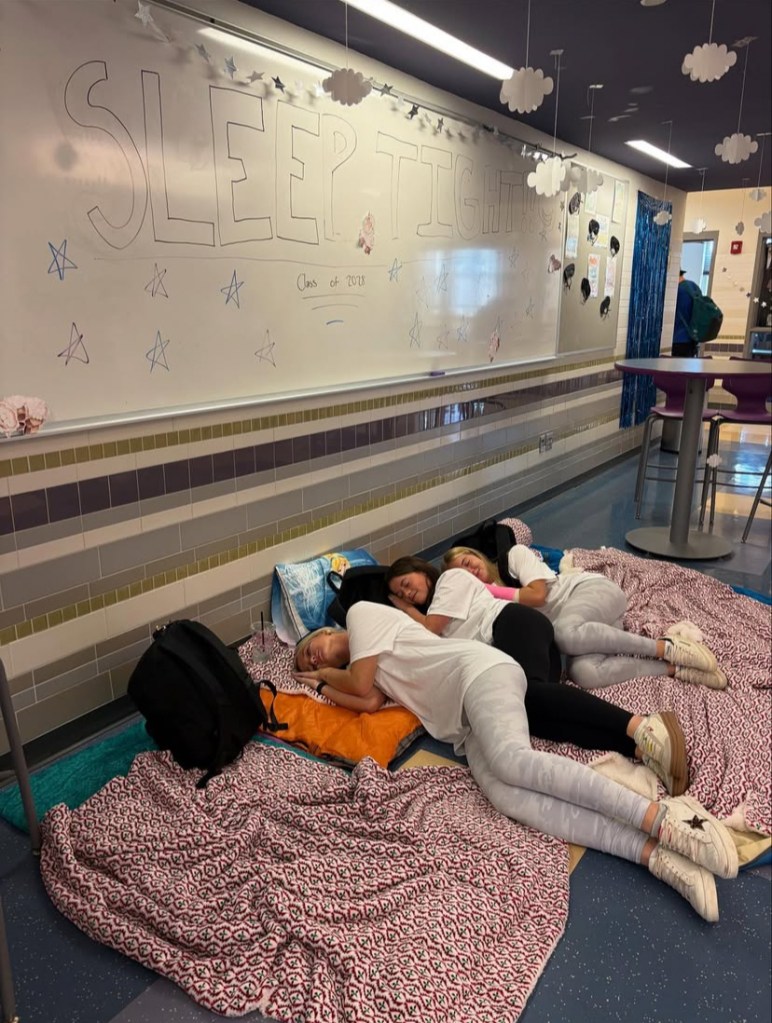
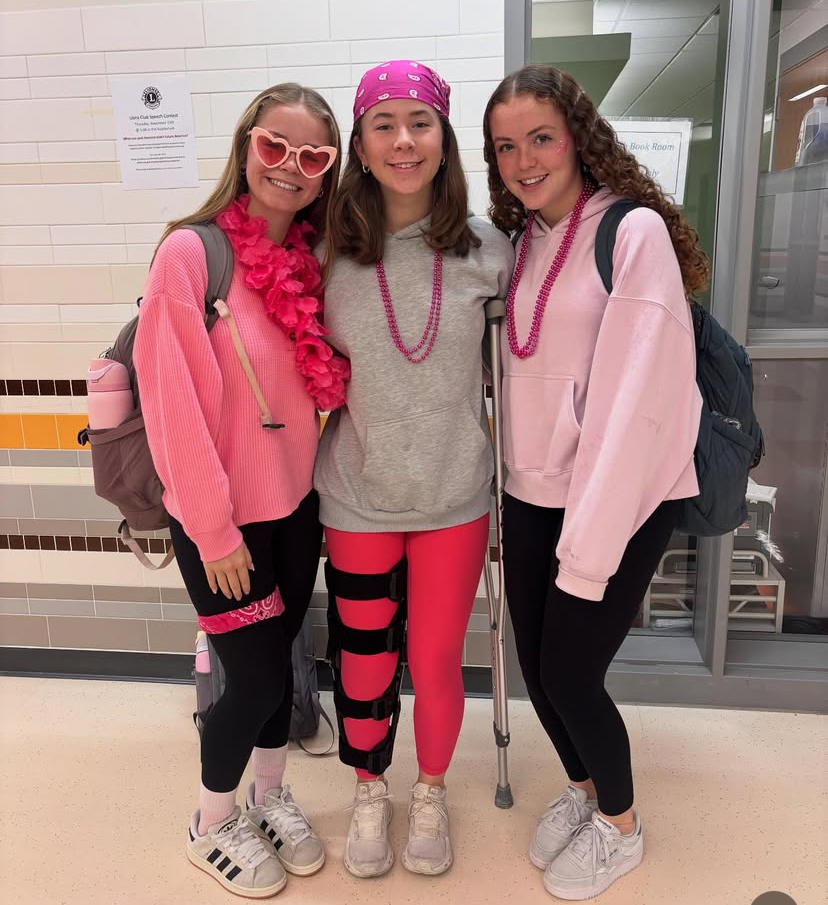
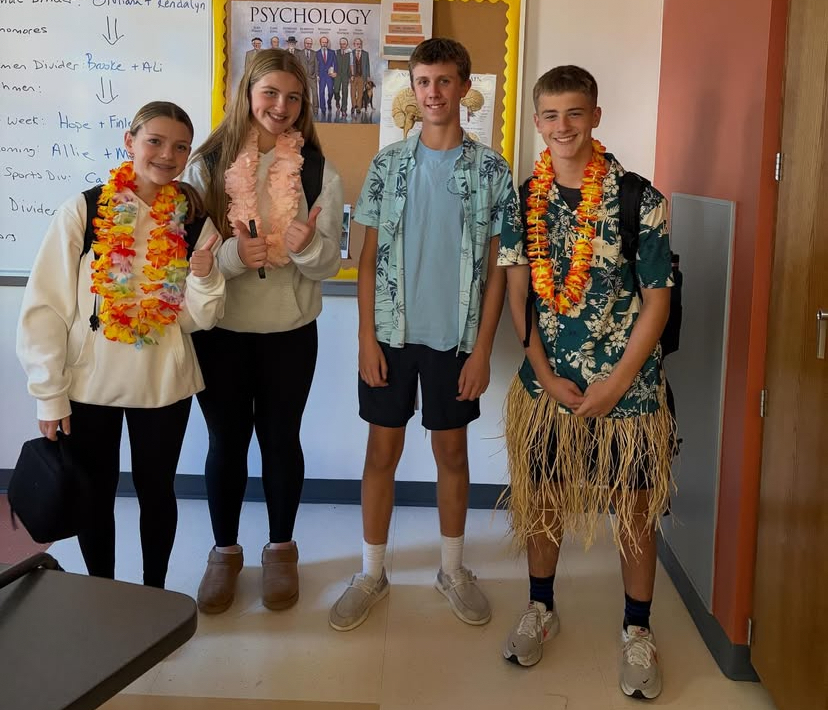
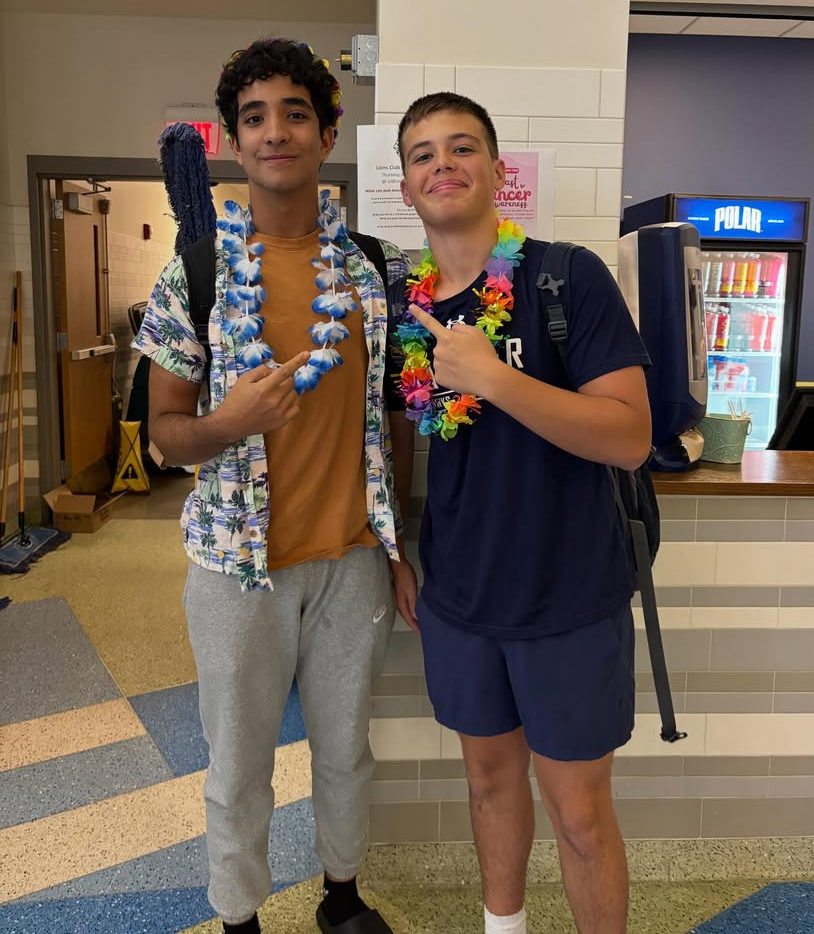
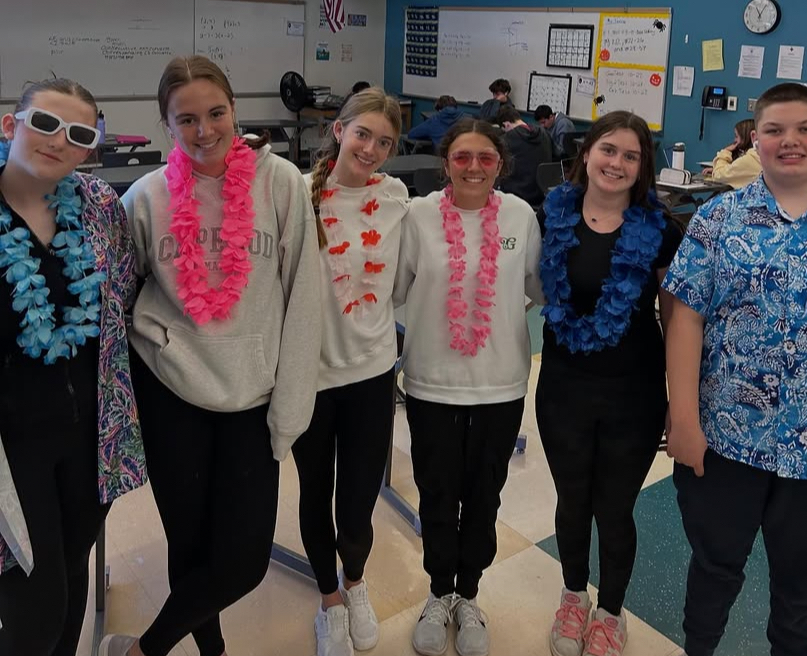
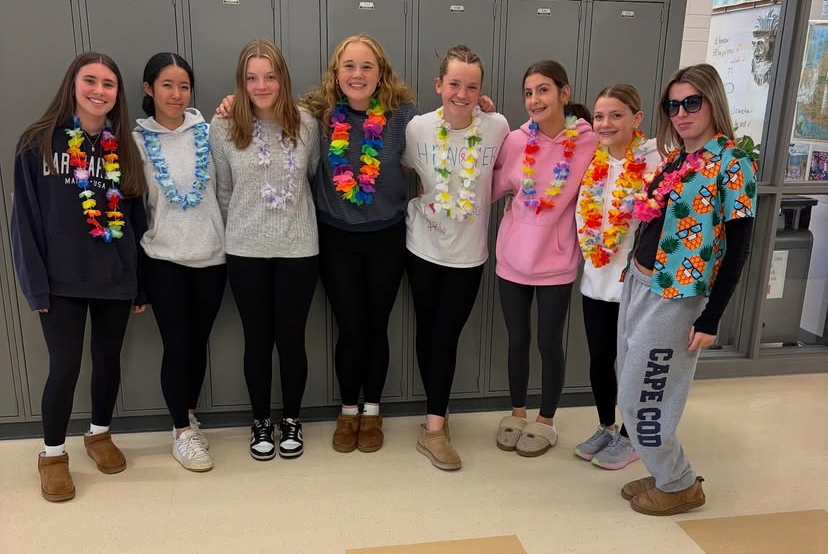
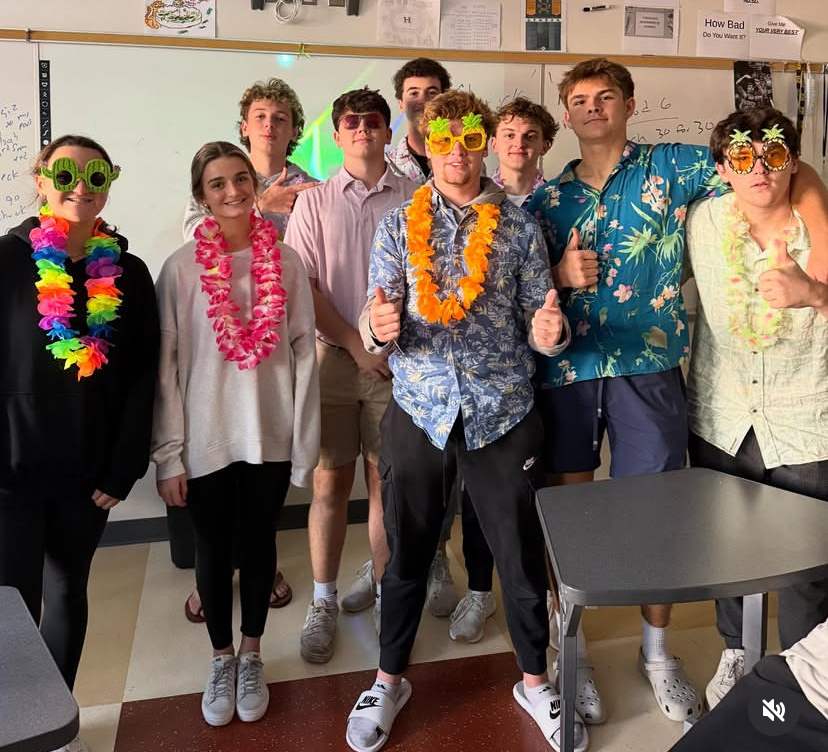
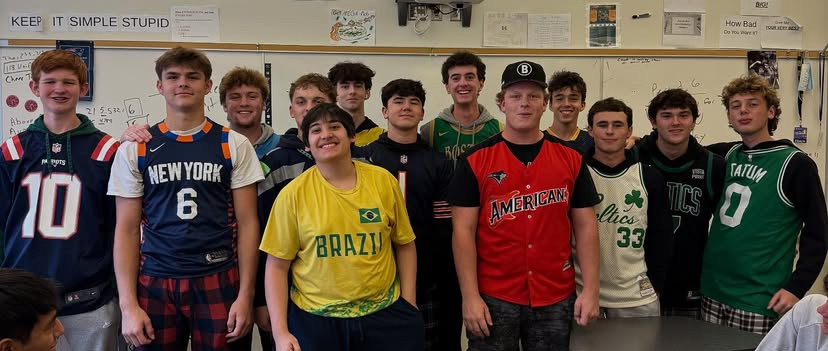
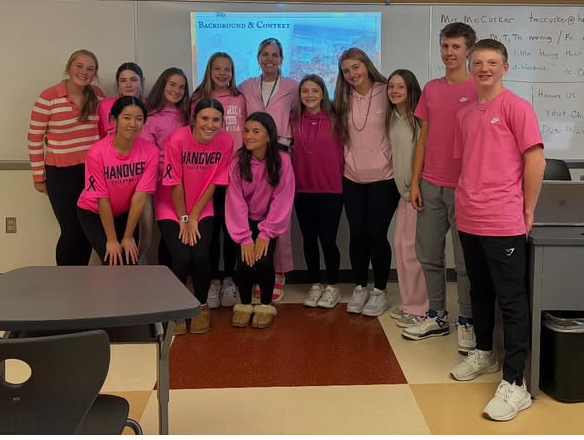
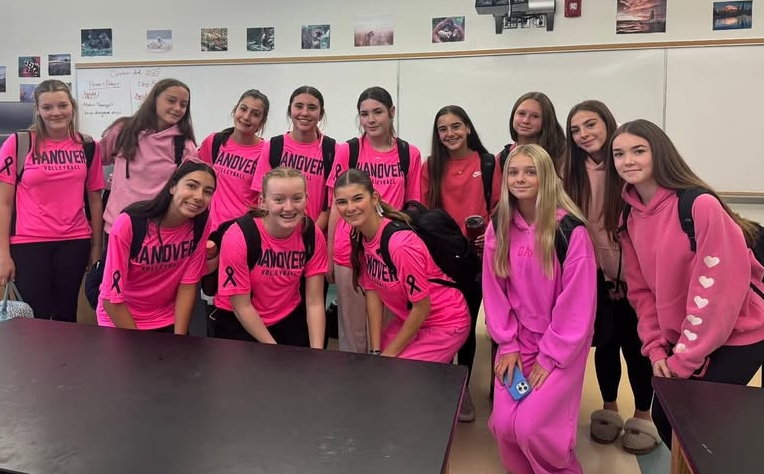
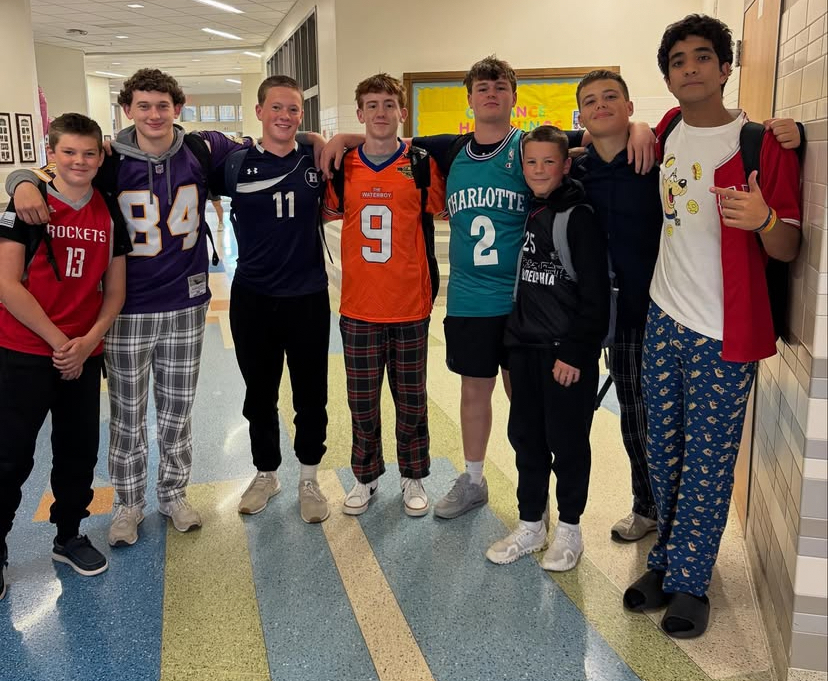
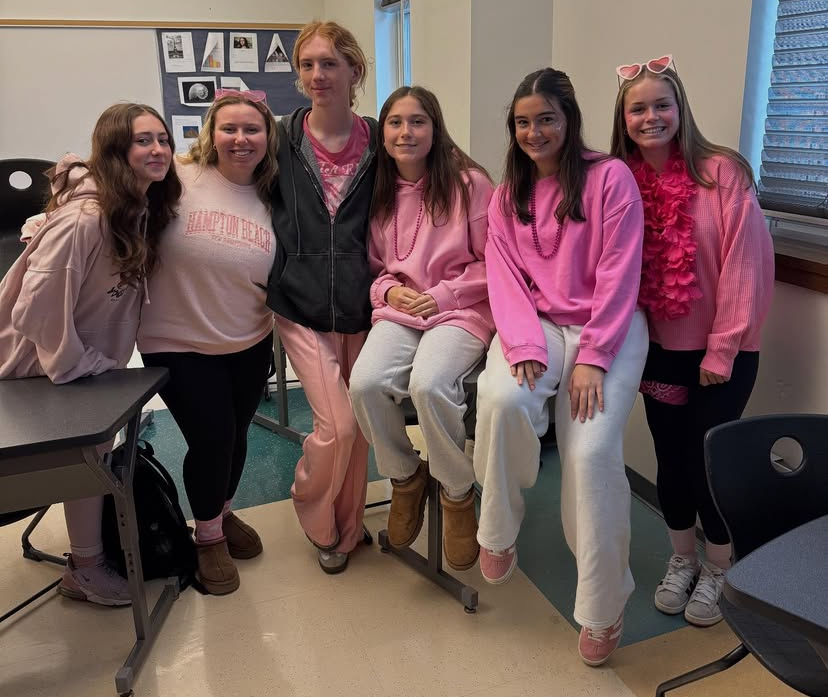
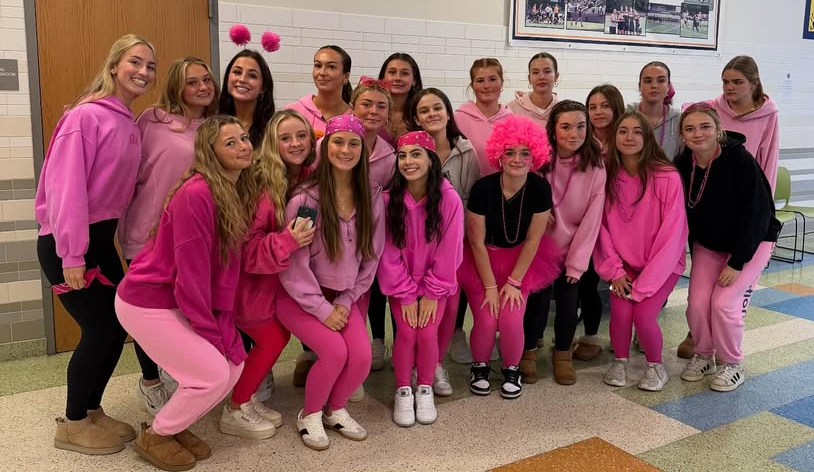
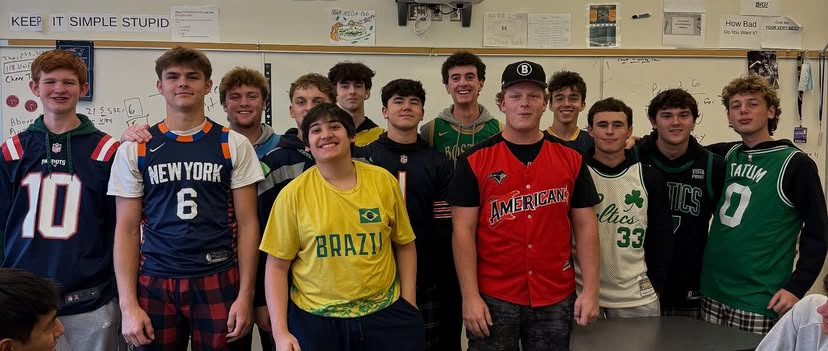
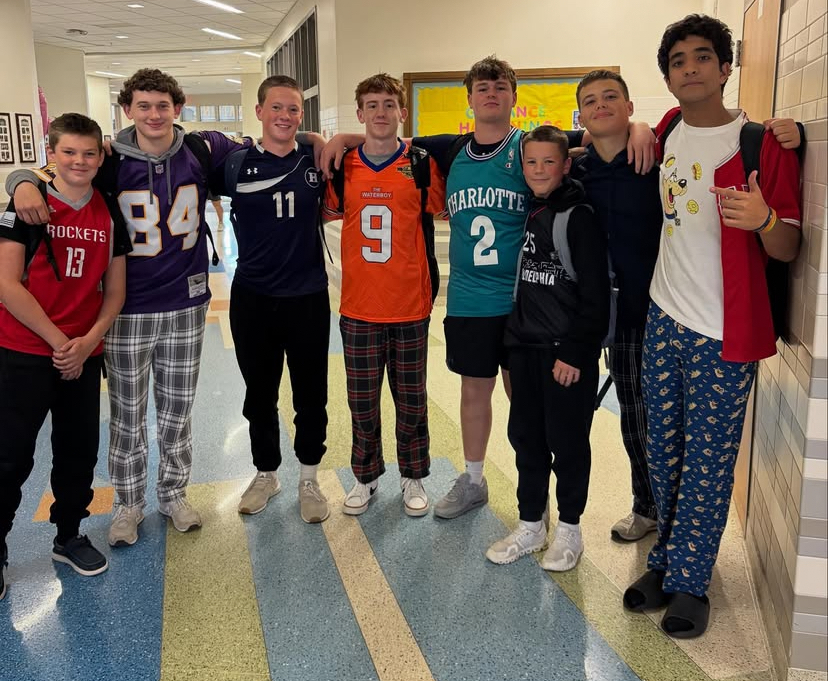
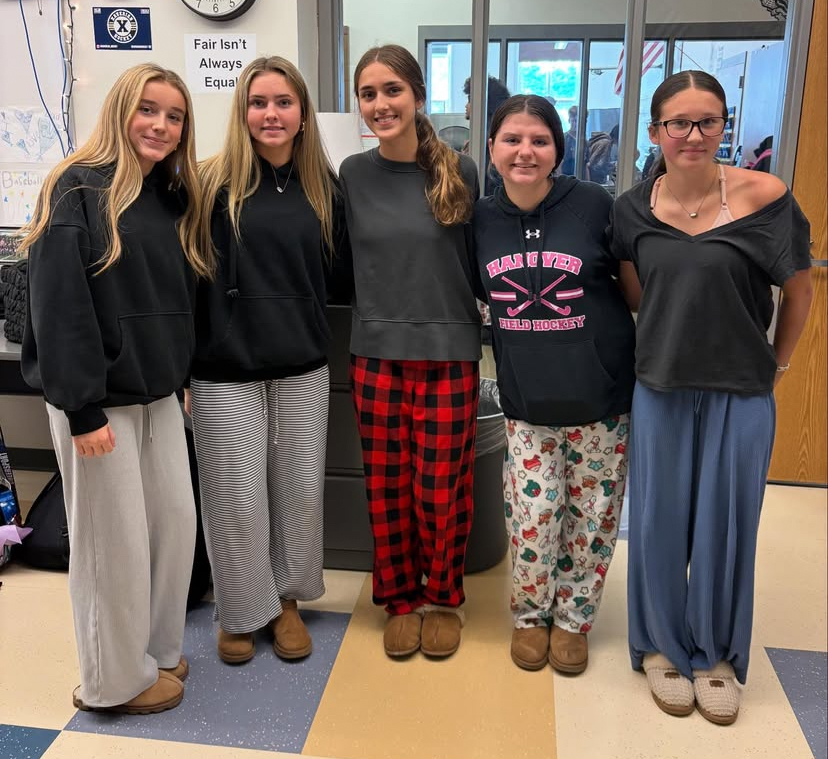
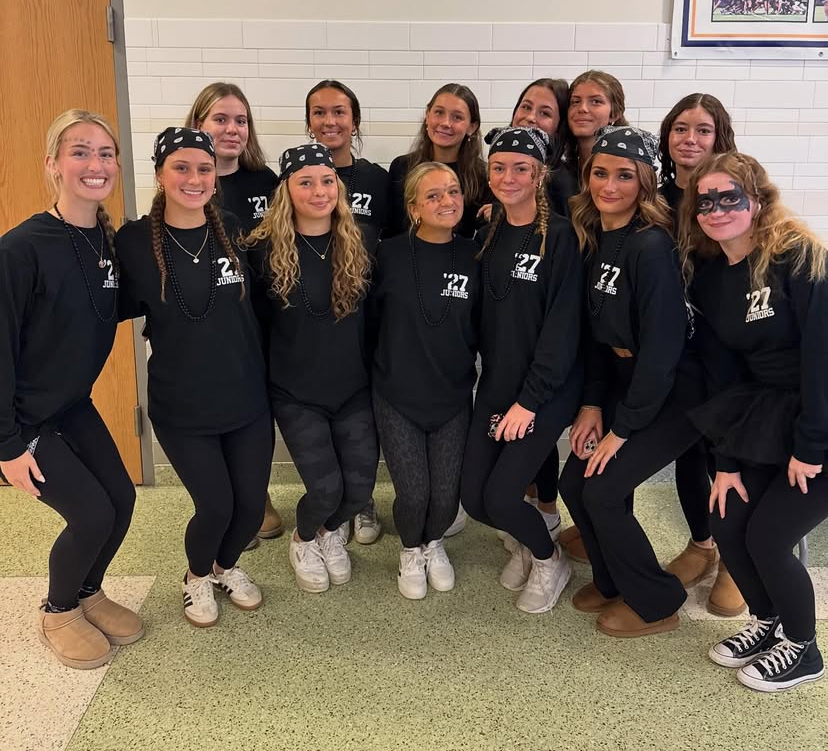
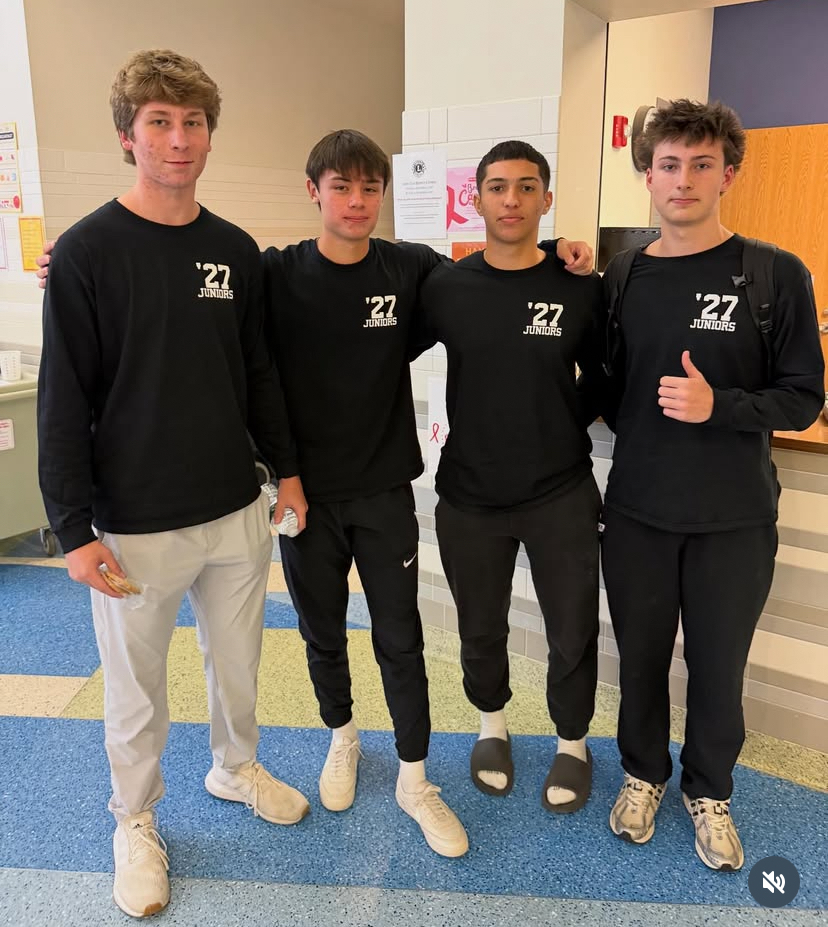
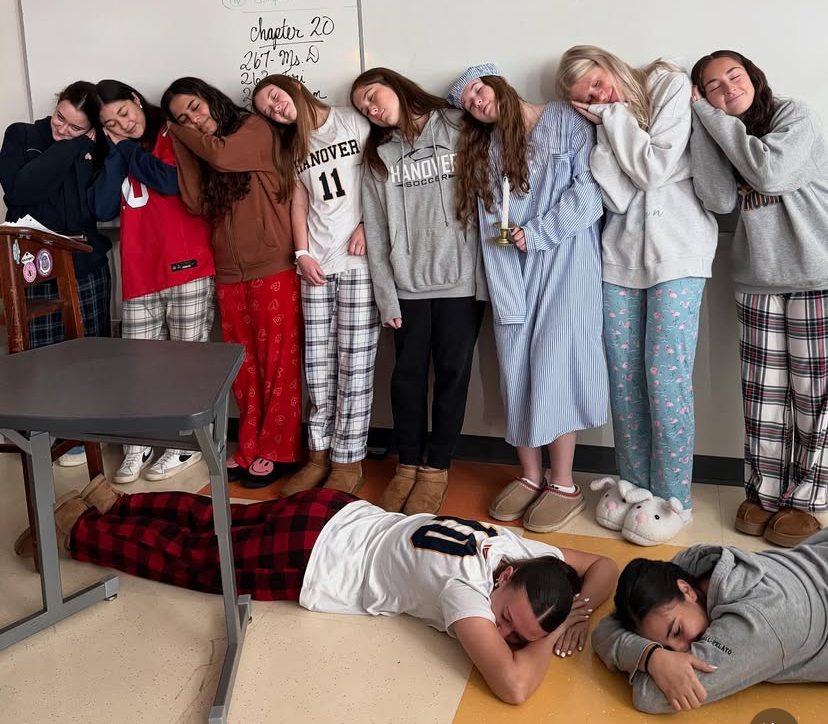
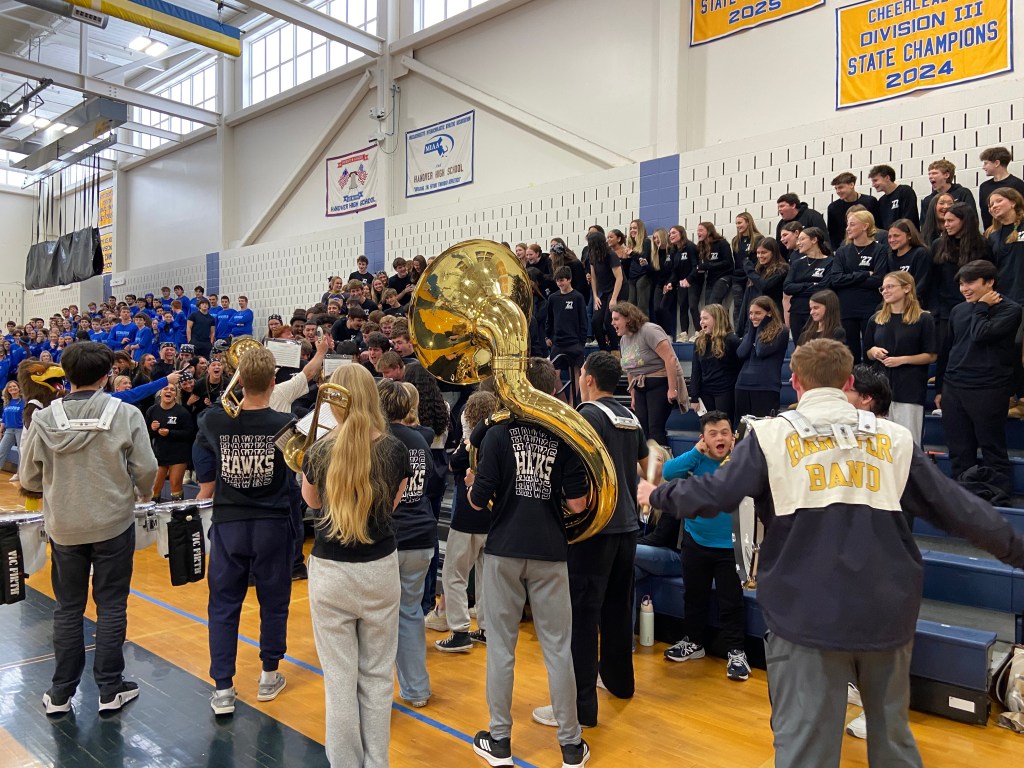
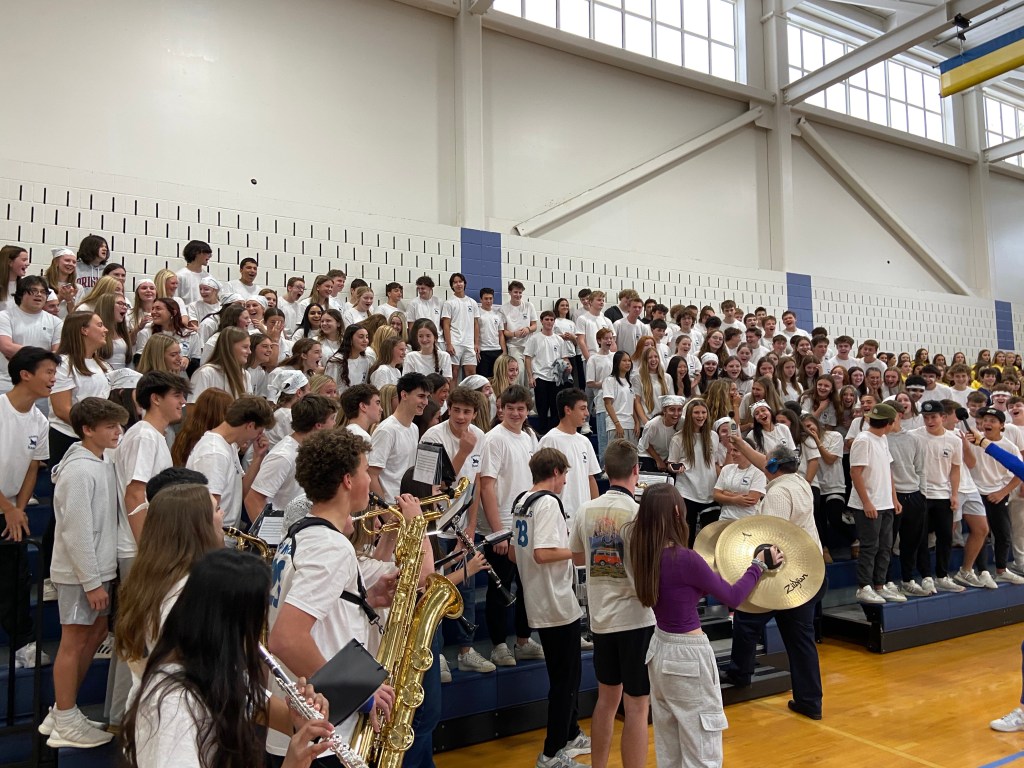
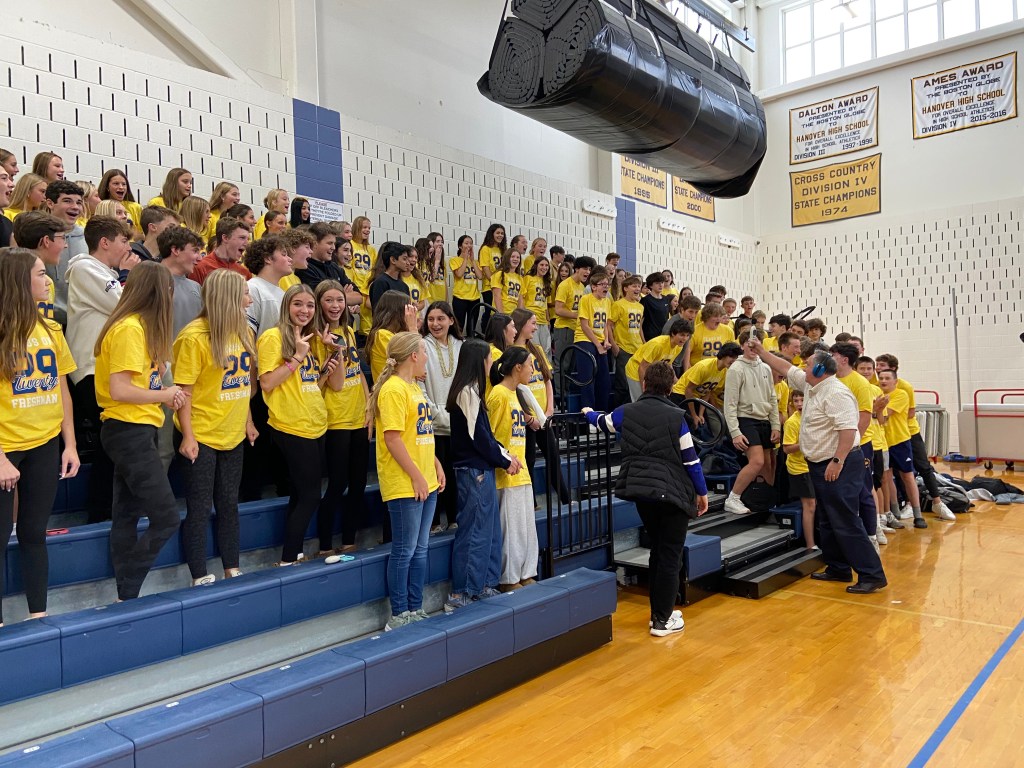
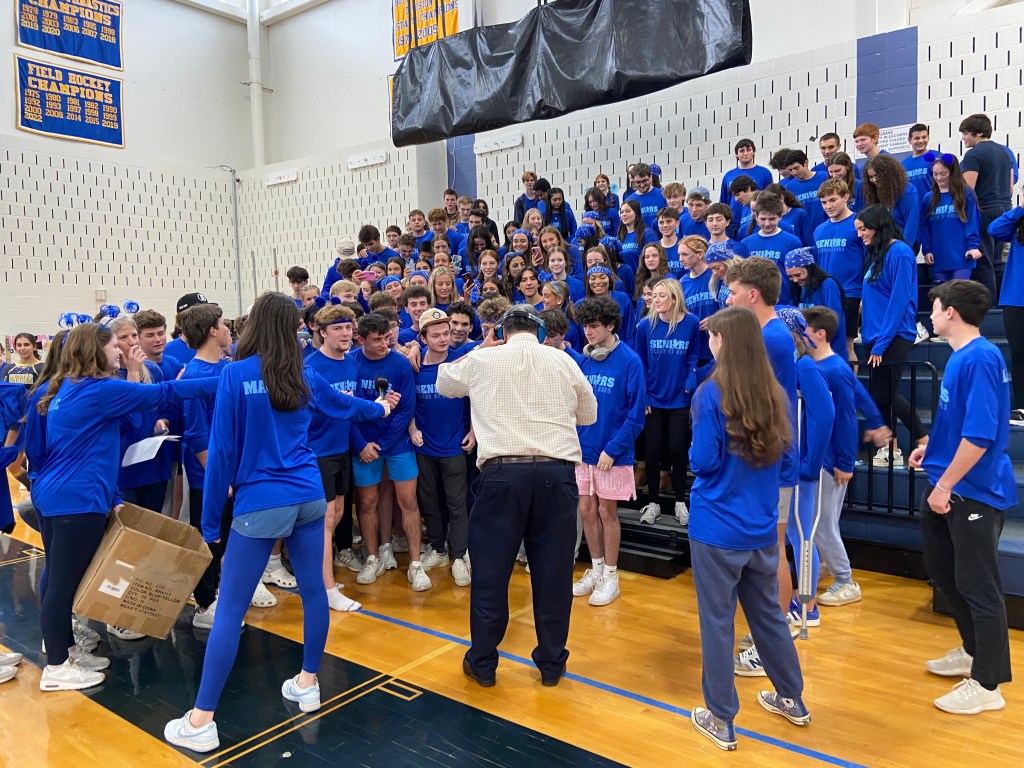
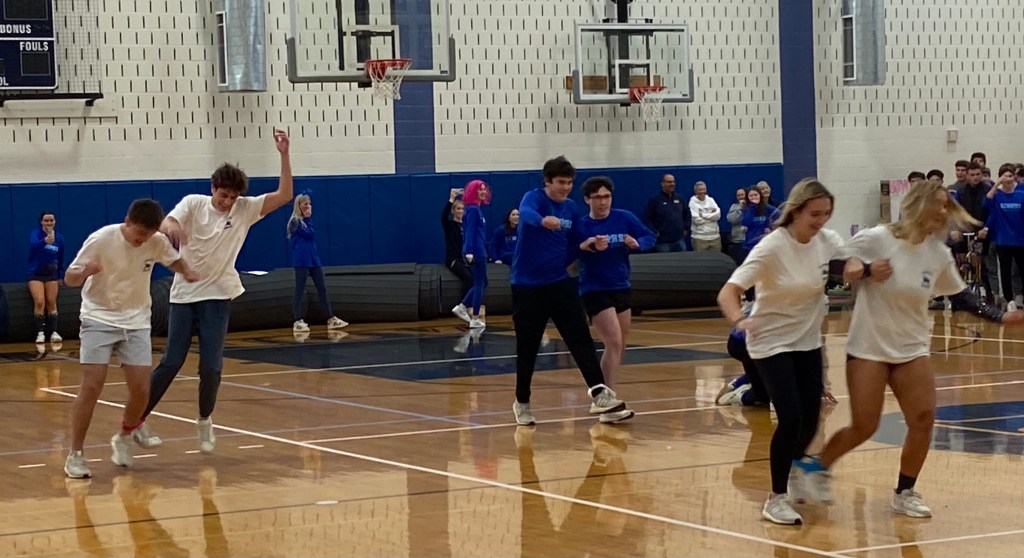
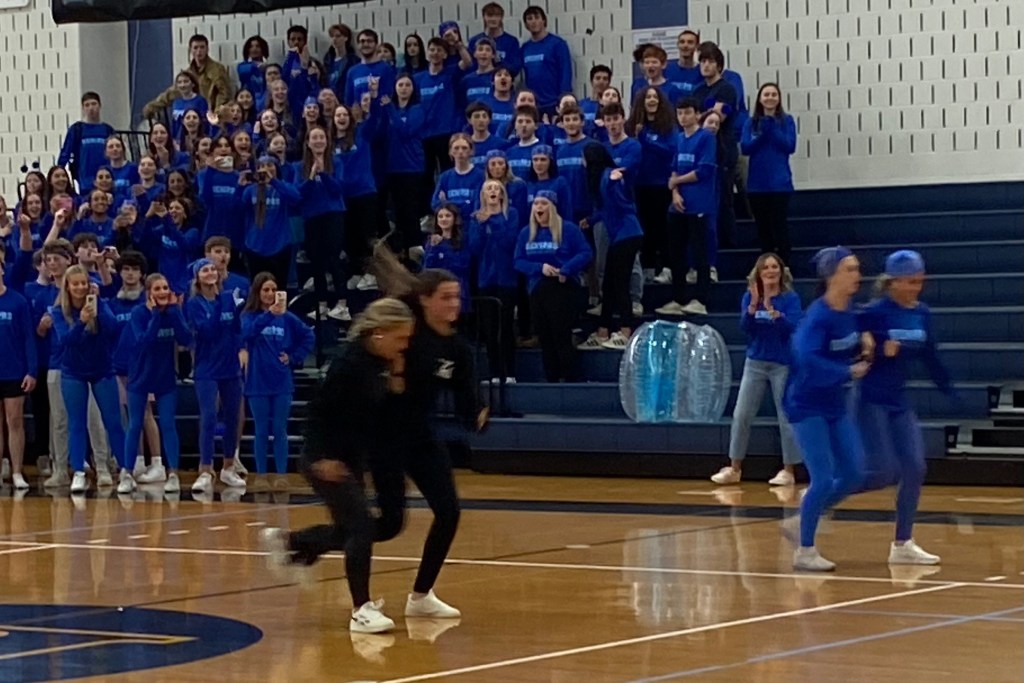
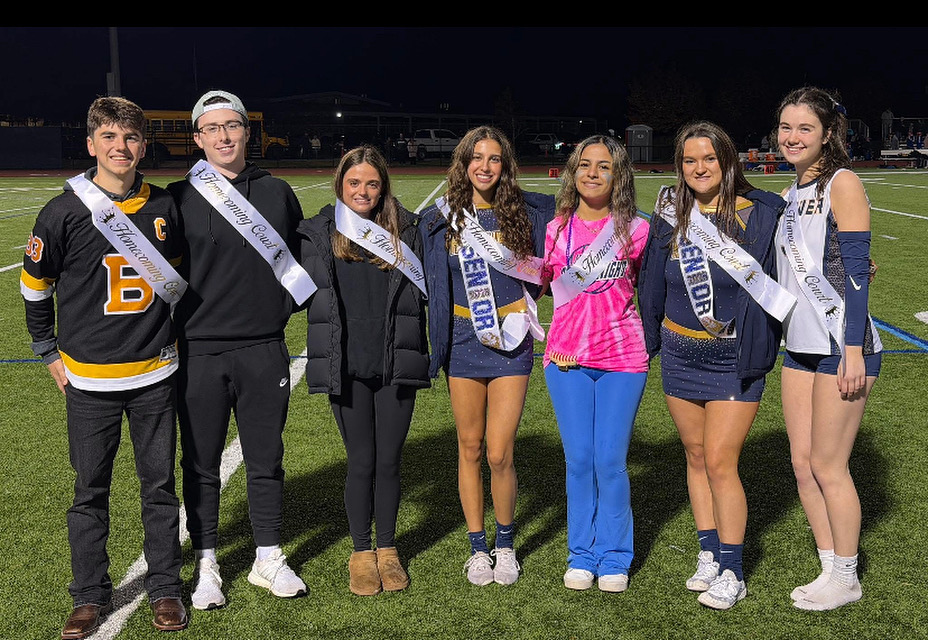
Spirit Week brought the school to life with a packed lineup of themed days and Homecoming events Oct. 20-25. Monday kicked things off with red, white, and blue outfits, followed by a tropical Tuesday and a “We Wear Pink” Wednesday. Thursday, students showed up in jerseys and jammies. Friday wrapped up the week with class colors, a pod decorating contest won by the “Freshman Fishtank,” and an energetic pep rally highlighted by sibling musical chairs won by the Collins’ brothers. The night continued with Senior Night for football, cheer, and band, capped off with a 42-21 football win over Quincy. The celebration ended on Saturday with the Homecoming Dance and the crowning of Brad Peterson and Morgan Curtis as king and queen.
If you rely on Medicaid, federally funded health care or the Affordable Care Act, or just can’t afford the ridiculous bills that pile up from the use of our world-renowned health care system, you’re in for a wild ride. On July 4th, President Donald Trump signed a budget bill reducing all federally funded health care programs by 25 percent. Our health care system has been struggling for a while now, and Trump’s “Big Beautiful Bill” has exacerbated the already rough conditions faced by health care workers and patients. In the few months since it was signed, the bill has already resulted in:
Shortages of nurses and doctors
Rising prescription drug costs
Privacy and data risks from the integration of AI into recordkeeping systems
The recently ended government shutdown lasted a record 43 days partly because of health care issues, as Democrats in Congress fought to extend tax credits they argued help keep insurance affordable for millions. The shutdown ended with Republicans promising to vote on the issue, but many fear that is a token gesture since the party has enough votes to reject it.
Although our health care system is not perfect and there are disparities in care and treatment outcomes based on race, ethnicity, sex, and socioeconomic status, the Affordable Care Act and Medicaid have provided lifesaving care. Many people with disabilities depend on these programs to pay for medicine, treatment and even basic living expenses because they are unable to work. Others apply for benefits because of an accident or injury that keeps them out of work. But Trump’s “Big Beautiful Bill” — which he promises will cut taxes and wasteful spending while diverting funds to national security and immigration enforcement — decimates this support. According to the Disability Law Center, the bill makes it harder to secure and maintain disability benefits, imposes unrealistic work requirements, and cuts benefits while raising prices at the same time.
Despite Trump’s constant campaigning to the working class, it seems he could care less about what happens to most of us. Even before this budget bill, the Trump administration paved the way for many states to reduce reproductive rights for women. One of the more troubling stories from recent months is that of Adriana Smith, a Georgia nurse who was six weeks pregnant when she had a stroke in February. She was pronounced braindead. But since Georgia law prohibits abortion after six weeks excluding medical emergencies, the hospital and state argued they were legally obligated to keep Adriana “alive” until the baby was viable. This was against her family’s wishes. Our society has made a horrific, almost dystopian turn for the worse, putting moral ideas over the health and safety of women and children.
Trump also has pushed American medical research back by decades. He cut funding for kids’ cancer research, and just as scientists were figuring out the cure to AIDS, he cut that budget too. The president showed how little he understands science when he cut funding to “transgender mice.” What our presidentwas supposed to know was that scientists are studying Transgenic Mice, which are not used for transgender operations, as Trump suggested, but for research into gene function, human disease and new therapies. The mice are genetically modified by injecting DNA into a fertilized mouse egg, which is then implanted into a surrogate mother. Once born, these mice serve as invaluable research tools, with the altered DNA becoming part of every cell. So you see, there’s a big difference between transgenic mice and transgender people, but Trump certainly doesn’t get that. Yet he’s making decisions that impact the health of millions.
On the topic of transgender people, it’s hard to ignore the executive orders that Trump has issued that limit the rights of the LGBTQ community. In terms of health care, the president has attacked gender affirming care, which includes everything from getting your hair and nails done to undergoing testosterone injections and reconstructive surgery. He has decreed that no federal funding can be used in hospitals, government offices and schools to even discuss gender, let alone perform gender affirming care. He’s working double time to try to legislate trans people out of existence.
If you think these issues don’t impact you because you are not disabled, LGBTQ, a woman, or someone with health concerns, think again. As history shows, governments and people in power go after the rights of minorities first, and then slowly target other groups. What’s happening in health care will affect you whether you’re rich or poor, disabled or able bodied, cis or trans, man or woman. It’s time to wake up and protect yourself and your community against these injustices.
This year, The Hawk will profile some of the truly special students in the Class of 2026. Each issue, we’ll ask several seniors about their Hanover High School experience to get to know a little bit more about them before they head off into the world. The chosen seniors showcase excellence, whether as a team captain, award winner, club leader, or academic achiever. In our last article, we covered Leo Galvin, Abigail Kajunski, and Ireland Cronin, so go show those incredible seniors some love by reading our first article in this series! Now, these next seniors are certainly worth the wait, so let’s read about them!
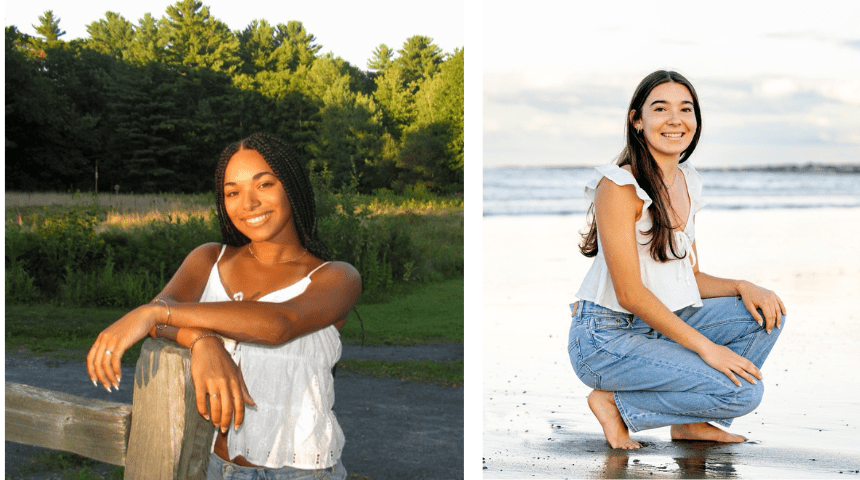
Abigail Minasi
Abby moved to Hanover in July of 2013, entering kindergarten at Center School. Starting in first grade, she played baseball/softball. This spring, Abby will play Varsity Softball for her fourth year; she has served as captain for two!
In high school, Abby started playing field hockey. She describes it as ” one of the best decisions I have made going into high school.” This is because she had so much fun learning a new sport and playing with her friends. Upon entering high school, Abby had to let go of soccer. She says, “. . .at times, I do miss it.” But she is happy having gotten the opportunity to try new things.
Her favorite class at HHS has been AP Precalculus with Ms. Mathisen. She recalls, “I loved her class because she was such a nice teacher, always there when you needed a hand. She is also so easy to talk to and get extra help when needed.” Abby’s favorite high school activity was the District 1 DECA conference in junior year. She said she “had so much fun staying overnight at Quincy Marriott and participating in the role plays.”
After high school, Abby plans to go to college and become a nurse, “specifically,” she says, “a pediatric nurse.” She has always loved her science courses like AP Biology and Anatomy and Physiology. She found an appreciation for working with kids after taking Early Childhood Education, which influenced her interest in pediatric health.
Abby is most proud of making it into the National Honor Society, racking up many hours of community service, and maintaining a GPA above 4.0. Outside of school, Abby has worked at Dunkin’ for 3 years! “I started as a sophomore in 2022.”
Looking back, Abby believes junior year was her favorite year of high school. “I enjoyed the classes I took and had fun being a softball captain.” If given the chance to do high school over again, “I would take my freshman year a little more seriously and work harder to get better grades.” She wishes she had learned how to study in her freshman year. And she also wishes she had gone to more football games throughout the years.
The biggest lesson she takes away from high school? “Time flies by.” She suggests that students “make the most out of the little time you have.” Her four years of high school have gone by so fast, and she wishes she could go back and have more time.
Damaris Mejia-Miller
If you’ve been at Hanover long enough, you probably know Damaris Mejia-Miller. “I’ve lived in Hanover my whole life,” she says. “So I’ve been enrolled since kindergarten.”
From day one, sports have been a huge part of Damaris’ life. In elementary school, it was softball. In middle school, she switched to soccer. And now, she just wrapped up her last season of Varsity Volleyball, which has become one of her favorite parts of high school. “It’s such a good community and space where I feel comfortable enough to be myself,” Damaris says. “The energy in the games is just so fun and engaging.”
Something new she picked up in high school was getting more involved in clubs, something she didn’t really do in middle school. But while she’s grown a lot since then, she still misses some of those childhood moments. “In elementary school, I used to go out with my neighbors, and we’d all rollerblade and play around,” she says. “I definitely miss it since most of them have moved away or we grew apart.”
When it comes to classes, Damaris says her favorites have been Spanish, U.S. History, and Art. She especially appreciates teachers who make learning fun and engaging. “Mrs. Gately is my favorite because her class was always engaging, and she’s super understanding and easy to talk to,” she says. “I also like Mr. File because his classes are fun and really inclusive. There’s no set idea of what ‘good art’ is, and I love how he emphasizes that.”
Looking back at all four years, Damaris says sophomore year was her favorite. “My classes were really fun, and I made a lot of new friends who I’m still really close with.” But the year she’s most proud of is junior year, just because of how tough it was. “Everyone says it’s the hardest year, and I totally agree,” she says. “I took more challenging classes, and it was a lot. But I’m proud that I tried my best and got through it.”
If she could do high school all over again, she says she’d focus less on what other people think and more on just being herself. “I’d try to take freshman year more seriously, but I’d also just have fun and not stress so much.”
And if there’s one big lesson she’s learned from all of it, it’s this: “Don’t stress about what you can’t control. If you get a bad grade, accept it and try to do better next time. Staying positive helps you learn from mistakes without feeling overwhelmed or discouraged.”
From kindergarten to senior year, Damaris has grown up with Hanover and it’s clear she’s leaving behind a legacy of kindness, resilience, and authenticity.
Turkeys, table settings, matching napkins, travel, desserts—the checklist of gratitude has never looked so expensive. Thanksgiving was built on simplicity, or at least that’s the myth we tell ourselves while scrolling through sales and calculating oven times. It’s supposed to be about pausing, appreciating, giving thanks—but somewhere between the grocery cart and the group photo, the holiday turned into a production. Gratitude now feels like a performance: the curated table, the perfectly browned turkey, the caption that insists “so thankful for everyone in my life.”
We’re not giving thanks—we’re staging it.
The irony is that Thanksgiving preaches humility while thriving on excess. We consume until we’re full, then talk about how grateful we are. We buy our way into meaning because it’s easier than sitting in silence and feeling it. It’s easier to measure love in portion sizes than in presence. For a holiday about appreciation, it depends heavily on abundance. Gratitude becomes something you perform with purchases—a kind of moral receipt that says, I’ve done enough to feel thankful.
But when the table is cleared, the receipts crumpled, and the leftovers cooled in the fridge, what’s left that actually matters? Maybe the point isn’t to strip the holiday down, but to notice what would remain if we did. Without the desserts, matching napkins, or endless refills, could we still recognize the feeling we were trying to buy? Every year, we’re asked, “What are you thankful for?” Maybe the harder, more revealing question is the one we never say out loud: “What would still matter if everything else was gone?”
Have you ever walked into a room and had the strange sensation that you had already been there before? Or turned the corner while visiting a new city and gotten the overwhelming feeling that you had been in that exact same spot before, only you know there is no possible way you could have? This sensation is known as Déjà Vu, the French word for “already seen.” Nearly 97 percent of people will experience this phenomenon at least once in their lifetime. But what causes it? And what does it mean?
Déjà Vu is the fleeting sensation that you have already lived in a totally identical situation at some point in your life, only you haven’t. This conflict between false familiarity and rational knowledge feels as if your memory is telling you one thing, while your brain is saying something different. In fact, this conclusion is not as far off as you may think.
The concept of Déjà Vu has fascinated scientists for many years, and even now the true cause of this “glitch in the matrix,” as the popular movie franchise calls it, is still yet unknown. Some people have proposed that Déjà Vu could be a sign that you are recalling an experience from a past life or experiencing a paranormal event; however, after increased research and experimentation, scientists have developed scientifically proven theories to explain the reasons behind this uncanny sensation. Through the use of insights into neuroscience, scientists have proposed that Déjà Vu is likely the result of dysfunctional connections between the parts of the brain that have a crucial role in memory and familiarity.
According to Dr. O’Connor, a senior lecturer in the School of Psychology and Neuroscience at the University of St. Andrews, this miscommunication arises between two parts of the brain, namely the medial temporal lobe that is associated with recollecting memories and the frontal cortex that is responsible for higher order cognition and fact-checking. Déjà Vu may occur when the temporal lobe sends signals to the frontal cortex to indicate a familiarity with the experience at hand. The frontal cortex region then evaluates whether this signal is consistent with a prior experience. If a prior experience is not identified, the sensation of Déjà Vu occurs and you are left with the conscious feeling of familiarity without evidence to back it up; in other words, false memories.
In 2006, a group of medical researchers led by Leeds Memory Group conducted an experiment in an attempt to recreate Déjà Vu in a lab setting. First, the patients were presented with a simple memory while under hypnosis, such as playing a game or seeing a certain color. The test subjects were then given the suggestion to either forget or hold on to the memory. The experiment showed that this later triggered the sense of Déjà Vu when the patients were presented with a situation that reminded them of the memory they were introduced to while under hypnosis. The results of this confirmed to scientists the belief that Déjà Vu is a memory phenomenon, a feeling of familiarity that cannot be placed.
What does it mean if you experience Déjà Vu?
Although this memory quirk may seem as a sign your brain is working improperly, it actually indicates the opposite. The sensation of Déjà Vu demonstrates that the fact-checking brain regions are functioning correctly to prevent you from incorrectly remembering events. Having this feeling of false familiarity is a sign that your brain is functioning properly to accurately remember situations and events, and is overall a sign of a healthy brain and mind.
Through recent studies and experimentation, scientists have discovered specific situations that can increase the probability of experiencing Déjà Vu. For example, age can have an effect on whether you are more likely to experience Déjà Vu. Young people between the ages of 5 to mid-20s tend to experience more frequent instances of Déjà Vu due to the fact of healthier fact-checking frontal regions in younger brains. As you age, the brain’s ability to detect memory errors declines, and the instances of Déjà Vu become less common.
So, if you experience Déjà Vu in the future, do not worry – instead, view it as proof of a well-functioning brain and a healthy mind.
Cleveland Clinic. “Why Does Déjà vu Happen?” Cleveland Clinic, 23 Oct. 2022, health.clevelandclinic.org/deja-vu-what-it-is-and-when-it-may-be-cause-for-concern.
Kennedy, Justin. “The Fascinating Science of Déjà vu | Psychology Today.” 20 Dec. 2023, http://www.psychologytoday.com/us/blog/brain reboot/202312/the-fascinating-science-of-deja-vu.
For a very, very long time, the cardinal sin of professional sports has been gambling: players making bets on and fixing games for profit. Let’s be honest, who wants to watch a rigged game? If you want to watch something fixed, watch the WWE, not the NFL or the MLB. And pro sports leagues have not been very sympathetic toward those who have been caught gambling. Take the Chicago “Black Sox” of 1919. They intentionally lost the World Series to get a big payout. Eight players on that team were banned for life from Major League Baseball. Perhaps the most famous example of the consequences of athletes’ gambling is the late, great Pete Rose. The MLB’s hits king with 4,192 in his career was found guilty of betting on games, including his own, and throwing them, for years. In 1989, Rose was banned from baseball and the Hall of Fame, a place where someone with 4,000 hits belongs.
In late October, the FBI announced that they had made 38 arrests across eleven states involving illegal poker games and sports betting. Two of these people were NBA coaches, and one of them was an active player. Chauncey Billups, Hall of Fame guard and current Portland Trail Blazers head coach, allegedly worked with the mafia to run fixed poker games. Former Cleveland Cavaliers assistant coach Damon Jones and Miami Heat guard Terry Rozier III were arrested for providing illegal betting information. The news broke just days after the 2025-26 NBA season tipped off, putting a sour taste in the mouths of those happy that basketball is back. The sport has never really seen anything like this, and some reports indicate that the news so far may only be the tip of the iceberg, with an impact much more far-reaching.
Chauncey Billups was just entering his fifth season as the head coach of the Portland Trail Blazers when he was arrested. It was found that he had been working with the mafia to illegally rig poker games. He and his mafia pals would use high-tech gadgets such as rigged shuffling machines, X-ray tables, and special contact lenses to see marked cards. They also had poker chip trays that could read cards and fake cell phones with card analyzers. All of this information, along with how good each player’s hand was, was transmitted to a behind-the-scenes “quarterback” who would process it and send it to the players he or she was working with. The scheme allegedly made $7 million over six years, with one victim losing $200,000 at one of these tables. And if you could not pay your debts, the mafia thugs would not be shy about violently threatening you. Not only that, but Billups was involved in gambling as well. He allegedly gave bettors insider information about his team’s tanking, who he was playing, and who he was not playing in a given game.
Terry Rozier was entering his 10th NBA season, this one with the Miami Heat. He has been there for a couple of years now. But it was Scary Terry’s actions that sparked the whole investigation into the NBA and gambling.
It started all the way back in March of 2023, when Rozier told his childhood friend that he would leave the game early with an “injury” to hit his under bets. This friend, Deniro Laster, told other conspirators what Rozier said so they could all cash in on it. Terry stayed true to his word, leaving the game after about nine minutes. Thousands of dollars came in on his unders because of this, sparking the NBA to look into it. There was another instance in January 2024, when Rozier said he would leave the game with a leg injury. Sure enough, he left that game with a leg injury, and a considerable sum of money came in on his unders again. The NBA had been investigating him, but had supposedly cleared him to continue playing.
Damon Jones was the third person involved with professional basketball to be arrested. He was a former player and assistant coach with the Cleveland Cavaliers and the Los Angeles Lakers. He was more on the gambling side of things, where he supposedly told some conspirators to make a large bet on Milwaukee one night, because a specific player would be out. LeBron James showed up on the injury report that night, and Los Angeles lost again, with lots of money coming in on this loss.
Sports betting has always been a disgusting practice for a professional athlete, something frowned upon by all. It can tarnish a reputation and ruin a career in the blink of an eye. It happened to Pete Rose. And now it could very easily happen to someone like Chauncey Billups, who was inducted into the Naismith Memorial Basketball Hall of Fame. If he is found guilty, his reputation and how people remember him will be changed for the worse, forever. The same goes for Terry Rozier and Damon Jones. Neither of them was going to the Hall of Fame. But if found guilty, they will forever be associated with one of the biggest gambling scandals in the history of professional basketball. None of these people will ever be associated with the NBA again if convicted.



















 The Hawk