
By Maren Freeman, ’29, and Azure Chiasson, ’29
Staff Writers
With the state of global affairs in disarray, many wonder what will bring the end of humanity. Nuclear war? The Hantavirus? Aliens? Though these issues are pressing, one threat to humanity that is becoming hard to ignore is global warming. Due to its recognition by world governments, despite many deniers, global warming is one of the most talked about topics today. Defined as the increase in Earth’s average air and ocean temperatures over the last couple hundred years, it is at the forefront of international discussion.
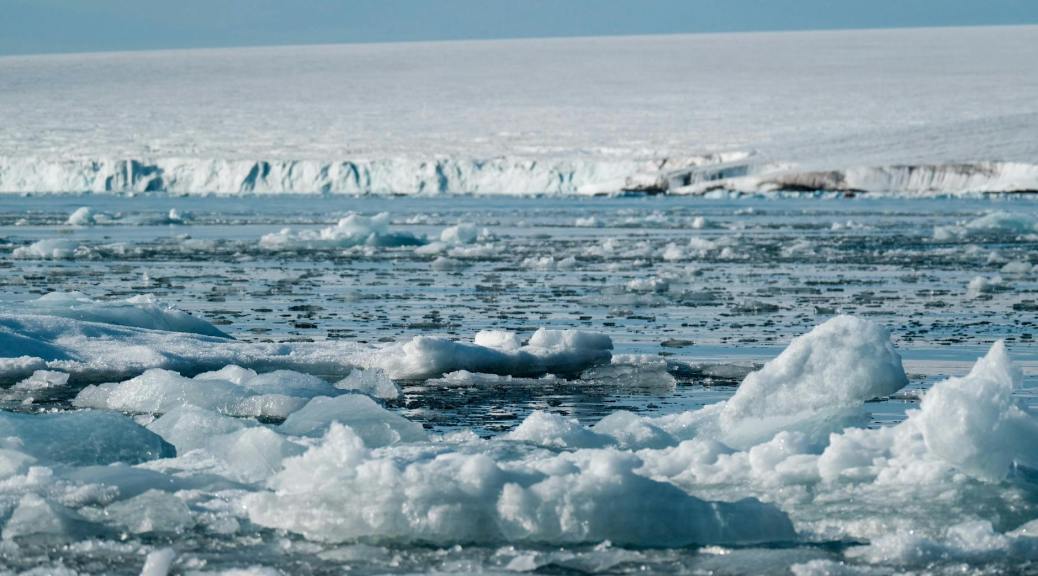
Activists have most commonly cited the significant changes in Earth’s climate as the biggest cause for alarm. The greenhouse effect is a natural process where atmospheric gases (CO2, methane, water vapor) trap heat radiating from Earth. This phenomenon keeps the planet warm enough to sustain life. But human activities, including the burning of fossil fuels and deforestation, have intensified this process, leading to an increase in the Earth’s average temperature. The year 2024 was the warmest recorded by a wide margin, according to scientists. This has led to the melting of large polar ice sheets as well as the thermal expansion of water, which is the increase in volume and decrease in density that occurs when water temperature rises. Taken together, these have directly caused a rise in sea levels across the globe.
The consequences of global warming can be detrimental to our environment as a whole. Global warming doesn’t just affect animals and plants; it can have devastating effects on human life as well. Rising sea levels and an increase in extreme weather lead to more frequent natural disasters including storms, droughts and wildfires. Rising sea levels can cause flooding and erosion which threatens many coastal areas. Damage to buildings and businesses force the people affected to rebuild their homes and buildings with their own money, which can be costly. Additionally, local animals lose habitats, making them more vulnerable to predation, competition and possibly extinction.
To satisfy needs for monetary gain and convenience, humans have ignored the environmental impacts of industrialization and expansion, and thus have created the current problem we call global warming. Many advocacy groups and political leaders, fearful of Earth’s uncertain future, actively seek strategies to prevent or delay this threat They recommend reducing our carbon footprint — and the greenhouse gas emissions that fuel it — by switching to renewable energy like wind and solar, shifting toward the use of electric vehicles over gas-powered cars, and reducing waste sent to landfills.
Of course, these changes can’t be made in a day, and one person choosing to ride a bike rather than drive a car to work may not seem to make much of a difference. But if the human race can collectively adopt more climate-friendly lifestyle changes, we can preserve the wonderful planet that we all know. Global warming is one of the most important issues of the modern era. Our willingness to act now — or our failure to act — will determine life on Earth for generations to come. By taking steps to combat global warming, we can at least delay the impact of the problem that our ancestors created and many of us continue to ignore.


This is very well written and an important topic to be discussed. It shows that we as humans have a big impact on our environment.
LikeLike