All posts by The Hawk

Super Bowl’s Long-awaited Hip Hop Show a Hit

By Abby Van Duyn, ’24

Staff Writer

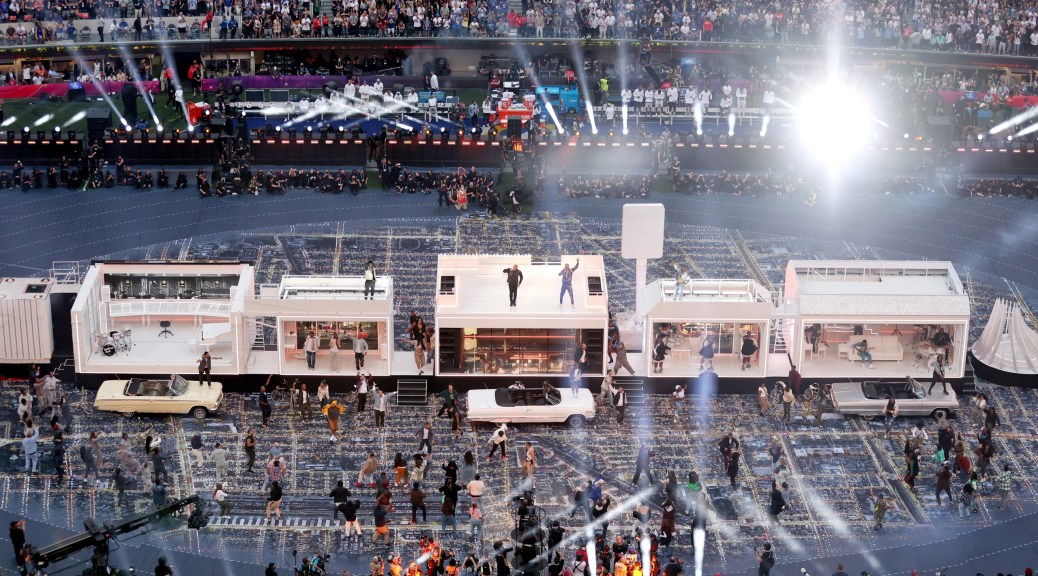
The Los Angeles Rams won the Super Bowl last Sunday by defeating the Cincinnati Bengals 23-20. Millions of fans were excited to watch the game, but many were even more excited by the halftime performance that showcased hip hop and rap for the first time. Featuring Eminem, Snoop Dogg, Dr. Dre, 50 Cent, and Mary J. Blige, the show was labeled by many on social media as the “greatest halftime show of all time.” Among the songs that were performed were “The Next Episode,” “California Love,” “In Da Club,” and “Family Affair.” The choice of artists brought in many viewers of all ages, old and young. 

“It’s crazy that it took all of this time for us to be recognized,” Dr. Dre said in an interview. It was time that Super Bowl halftime shows started to highlight different genres of music other than pop, he added. Although many pop music halftime shows have been a big hit, fans of hip hop and rap have been waiting a long time for their favorite genre to be showcased.

The performance was very nostalgic for many viewers, as it catered to an older group of people than the halftime show usually does. The stage was set with structures representing Tam’s Burgers, Randy’s Donuts and the Compton courthouse. It made the performance feel like Los Angeles was inside as well as outside of SoFi Stadium, located in Inglewood, Calif. 

The artists vowed that this performance would open doors in hip hop and give opportunities to the artists in the genre. All the artists agreed that the NFL was too late in acknowledging this genre and giving them center stage. Viewers seemed to agree: the Super Bowl gained a total of 112 million viewers, the most it has had in five years.

Author Tells Stories Often Overlooked by History

By Mrs. McHugh

HHS Librarian

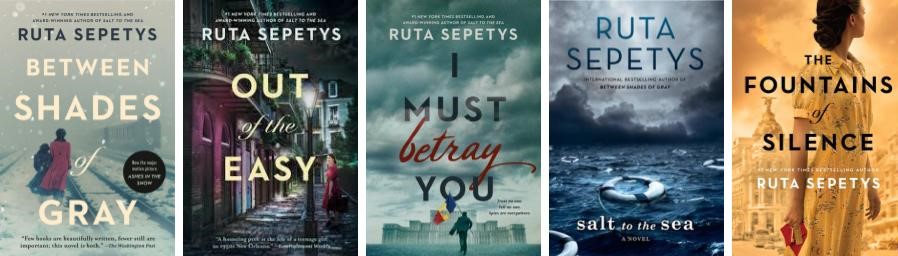
Author Ruta Sepetys calls herself a “seeker of lost stories.”  Her award-winning novels shed light on people and events often overlooked in history. “Through character and story,” she writes on her website, “historical statistics become human and suddenly we care for people we’ve never met, we can find their country on a map, and then—the history matters. Through historical fiction we can give voice to those who will never have a chance to tell their story. “

Sepetys’ passion comes through in well-researched, powerful stories suitable for both teens and adults. Whether set in one of Stalin’s Siberian gulags, a New Orleans run by the mob, or a crumbling Cold War dictatorship, her books explore the depths of human cruelty and resilience – often with a teenaged protagonist. She sometimes has multiple characters tell the story, reminding us that history has many different perspectives and layers. Her author notes, giving historical context and shining a light on her motivation for writing, are as interesting as the novels themselves. If you like historical fiction or even just thrilling stories of survival, check out her books.

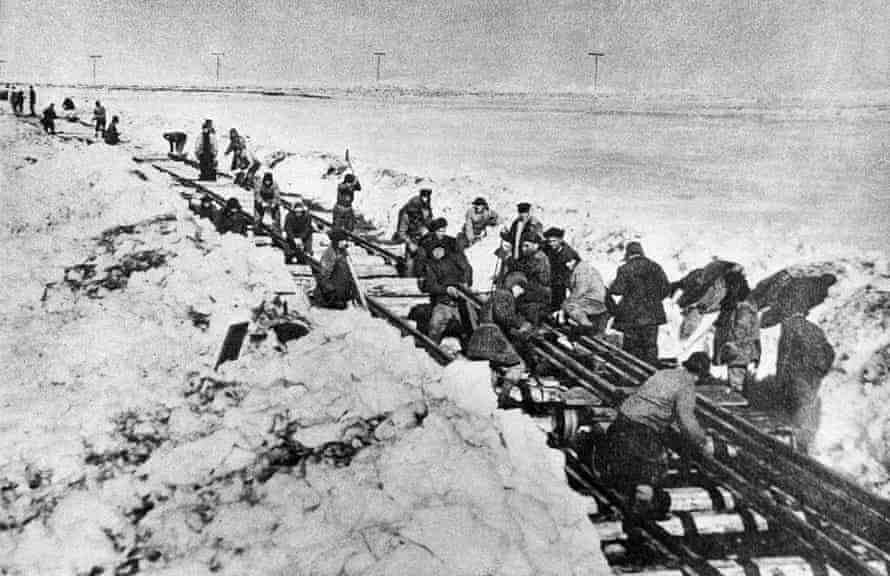
Between Shades of Gray follows 15-year-old Lina who is sent with her family to a Siberian gulag (prison) when the Soviets invade her native Lithuania. As she struggles in unimaginable conditions – including brutal treatment from guards, meager food rations and extreme weather – she vows to share the story with the world. Sepetys was inspired by the experiences of relatives who were among the millions of people who Stalin deemed enemies of the state and sent to Siberia during his regin of terror (1922-1953). Many never made it home. This book was made into a movie called Ashes in the Snow.

Salt to the Sea is a story of the largest maritime disaster in history, killing more people than the sinking of the Titanic or Lusitania. It was largely ignored by history, though, overshadowed by so many other stories of World War II. As the Nazi losses were mounting in 1945, thousands of German civilians fled the rampaging Russian army. They flooded two ports in hopes of evacuation, joining countless wounded German soldiers on overcrowded ships. When the Wilhelm Gustloff was sunk by Russian torpedoes, it took more than 9,000 people – mostly women and children -with it. Sepetys tells the story from four points of view, drawing a complex picture of the hatred among nations that led to, and resulted from, that awful war.

Out of the Easy takes places in New Orleans in 1950s, where the mob rules and crime thrives along with the rich culture of the city. Josie, 17, dreams of life far from the brothels where her mother has carved out a desperate existence. But as Josie strives for a way out, she becomes tangled in a murder investigation that tests her loyalties. The story explores what makes a family, the burdens of poverty and the gray area between crime and survival.

I Must Betray You is the most contemporary of Sepetys’ stories, taking place in 1989. The Soviet Union is on the brink of collapse, along with communism throughout Europe. Romania is still within the grip of a cruel, murderous dictator when 17-year-old Cristian is forced to become a government informant. He must decide whether to spy on his family and friends, or risk his life to fight for a better future. The story brings to life the fear, oppression and desperation of an isolated society, which was found in many Communist countries during the Cold War.

The Fountains of Silence follows Daniel, a wealthy 18-year-old tourist who visits Madrid in 1957, when Spain is ruled by a tyrannical general after a bloody civil war. Madrid is a beautiful city in a country ruled by fear and repression, but the affluent Daniel is slow to realize how bad things are. When he meets Ana, a hotel maid whose father was killed and mother imprisoned in the resistance, he falls in love. He also is drawn into the dangerous world of secrets she inhabits.

Black Authors Combine to Explore Modern Love, Friendship

By Mrs. McHugh

HHS Librarian

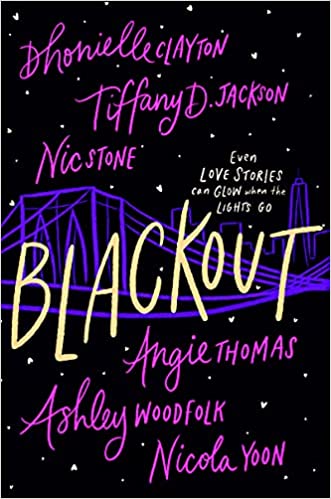
I don’t read a lot of romance, but I was intrigued by Blackout, a series of interconnected stories written by six Black female writers. The book imagines romance in many shapes and sizes among contemporary teens when a power outage rocks New York City. The project was the brainchild of Dhonielle Clayton, an author and leader of We Need Diverse Books, a nonprofit that works to increase representation of marginalized voices in publishing. While binge-watching TV and movies early in the pandemic, Clayton’s niece asked her “why Black girls didn’t get big love stories.” Clayton contacted her friends to see what they could create. The result is a sweet, short, engaging book that I believe many teens will relate to and enjoy.

Tiffany Jackson, author of Monday’s Not Coming and other thrillers, writes about a couple who is angry over their recent breakup when they are forced to rely on each other to get home in the dark. Nic Stone, author of Dear Martin and other fiction for children and teens, focuses her chapter on two boys admitting their feelings for one another amidst fears of what their friends and teammates might think. Ashley Woodfolk, who wrote The Beauty That Remains, among others, tells the story of two queer teens brought together while helping at a retirement home. (The depiction of the wise-cracking older characters was one of my favorite parts of the book). Clayton, whose work includes fantasy and realistic fiction, writes about whether two long-time friends can take their relationship from “like” to “love.” (This section has an after-hours adventure in the  grand New York Public Library which calls to mind From the Mixed Up Files of Mrs. Basil E. Frankweiler by E.L. Konigsburg, one of my favorite children’s books). Famous for The Hate You Give, Angie Thomas writes about a school trip of teens from Georgia caught in the city — and in assorted love triangles (The stressed-out chaperone is funny). Nicola Yoon, author of The Sun is Also a Star, closes the book with a chapter about a girl intent on getting back her boyfriend before she meets a rideshare driver who reminds her of what she’s really looking for. The final section brings all of the characters – who we learn are siblings, cousins, neighbors and classmaters – together at a block party in Brooklyn.

In addition to celebrating love and friendship in all its forms, and elevating the stories of Black teens in a genre that often overlooks them, the book is a tribute to New York City. The city that never sleeps stays wide awake even during the blackout, providing an exciting setting for the stories. The highs and lows of the relationships are very true to life, and many of the teens are facing decisions about college and their futures, something most high school students can relate to.

If you like any of the contributing authors, you’ll probably enjoy this book. If you haven’t yet read their work, these stories may have you rushing to the library or bookstore to give them a try.

For more books like this, check out the Black History Month display in the HHS library

Some Schools Reach State Goal for Dropping Masks; HHS Not There Yet

By Paulina Leskow, ’24

Staff Writer

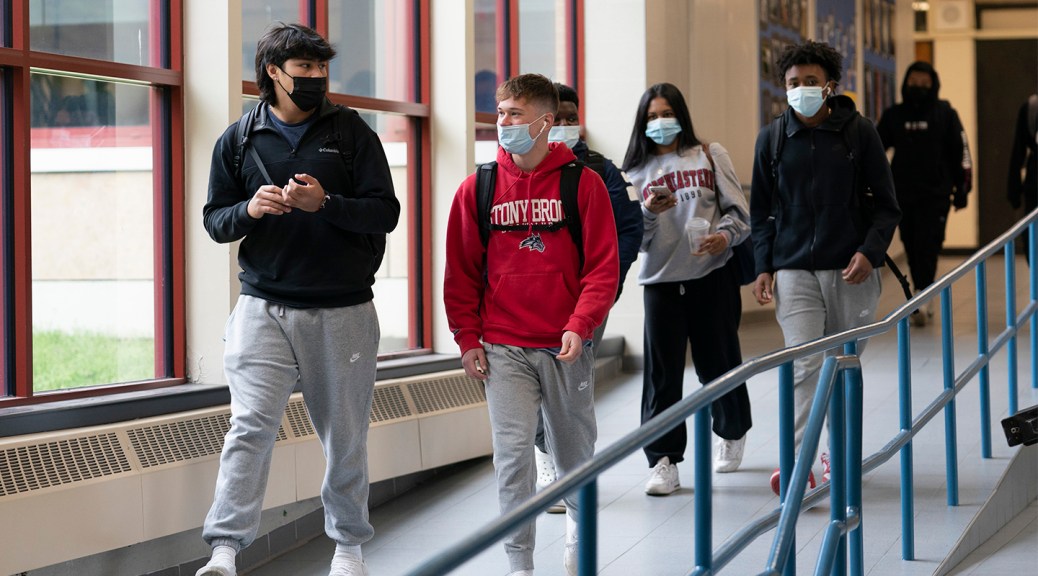
The year is now 2022. It has been almost two full years since our world shut down due to the coronavirus. The virus, however, has not stopped. With new variants continuing to emerge, the mask policy remains in effect in Hanover schools. Whether vaccinated or not, all students and staff must wear a mask in the school building and during sporting events. 

The new year brought about some new policies, which include the town of Hanover strongly recommending that people wear masks in common areas like restaurants. In addition, the state extended the mask mandate in schools until the end of February; it was initially set to expire in mid-January. The Centers for Disease Control has also shortened the quarantine time for asymptomatic people.

Although these are important policies, many would say the most significant one is that a school with 80 percent of students and staff fully vaccinated can go mask-free. Several schools in the surrounding area no longer require masks, including Norwell High School, Cohasset Middle School and Cohasset High School. Hanover High School is at 77 percent vaccinated, according to a recent email from Patricia Smith, the district’s director of health services. Cedar School, Center School, and Hanover Middle School vaccination rates are currently less than 60 percent, Mrs. Smith said. Once a school reaches the 80 percent mark required by the state, local officials can decide whether to drop or continue its mask mandate.

HHS students have differing opinions on masks at school.

“It would be safer to keep them on for a bit longer,” said junior Melissa Manning. “Even with everyone wearing masks, many people continue to get sick and having masks off would increase that rate of sickness.”

Another student, who asked to be anonymous, said that when enough people are vaccinated, Hanover schools should go mask-free. ”Once we hit that vaccination rate, those who received the vaccine will be protected, and those who did not can choose to either wear a mask or face the consequences of the virus,” the student said.

No matter what opinions you have about the vaccine, masks, and the coronavirus, it is always important to stay safe and help keep yourself and others healthy. The school district continues to administer pool testing and has begun at-home testing for students and staff who opt into that program.

Featured image: https://www.edweek.org/leadership/what-does-the-cdcs-new-mask-recommendation-mean-for-schools/2021/05

Drama Club Prepares One-Act for State Festival

By Callia Gilligan, ’22

Staff Writer

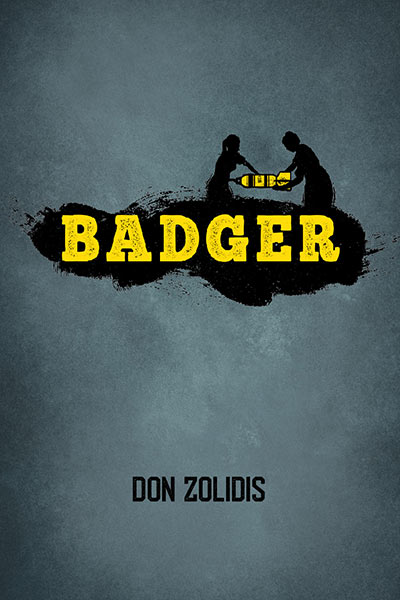
The Hanover High School Drama Club is alive and well and participating once again in the Massachusetts Educational Theatre Guild’s Drama Festival with their presentation of Badger by Don Zolidis. 

The METG Drama Festival is an annual theatrical competition. Schools gather together and each presents a 40-minute one-act piece, with just 5 minutes to put together and strike, or take down, their sets. At the end of the day, each play is scored and three winners are named. Drama Festival is a wonderful and exciting day, an event that HHS Drama annually participates in. 

In the past, HHS has presented shows such as The Scheme of the Driftless Shifter, an over-the-top comedy. In 2019, the club advanced to the semi-finals with its production of At the Bottom of Lake Missoula. Last year, due to the pandemic, the festival was moved to a virtual presentation. Hanover still participated with 4 A.M. by Johnathon Dorf, submitting a video of the performance. 

This year, with the festival returning to an in-person event scheduled for March 19th or 20th, Hanover is presenting Badger by Don Zolidis. The play focuses on four women working in a munitions factory during World War II and the challenges they face as women in the workforce. It is both a heartbreaking and uplifting story that paints a strong picture of the hardships of domestic life during the war. 

The cast is led by Sammy Burke (‘22) as Rose, Morgan Gentile (‘22) as Irene, Lauren Casey (‘22) as Grace, and Caris Mann (‘22) as Barbara. Any good show includes some romance and this play does not disappoint. Ben Manning (‘22) plays Tim, another factory worker who takes an interest in Rose, and Rose Giordani (‘22) plays Barbara’s husband, John, who is overseas fighting. The Chorus includes Erin Shea (‘23), Kendall Sherwood (‘22), Mary Longueil (‘22), Paulina Leskow (‘24), Addy Potter (‘24), Bella MacDonald (‘24) and Kaya Biunculli (‘23). The Chorus is the backbone of the show, taking on various characters and roles within the factory. 

Rehearsals are already underway with the direction of Mr. Fahey and the stage management of Karen Bell (‘22) and Paulina Leskow (‘24). This play is certain to be fantastic so be sure to catch it in March as part of the 2022 METG Drama Festival!

Featured image is the 2022 METG logo designed by Jashia Sikder of Brockton High School

Thrillers Keep You Guessing Until the Big Reveal

By Mrs. McHugh

HHS Librarian

With some books, being confused is part of the fun. The author drops clues and layers plot twists so you’re constantly trying to figure out what’s going on. When it’s done well, you enjoy the ride – even if your predictions were off the mark. The final reveal shocks you, entertains you and makes you go back through the book to see what you missed.

These young adult books do it really well. They can be hard to describe without spoilers, but I’ll try.

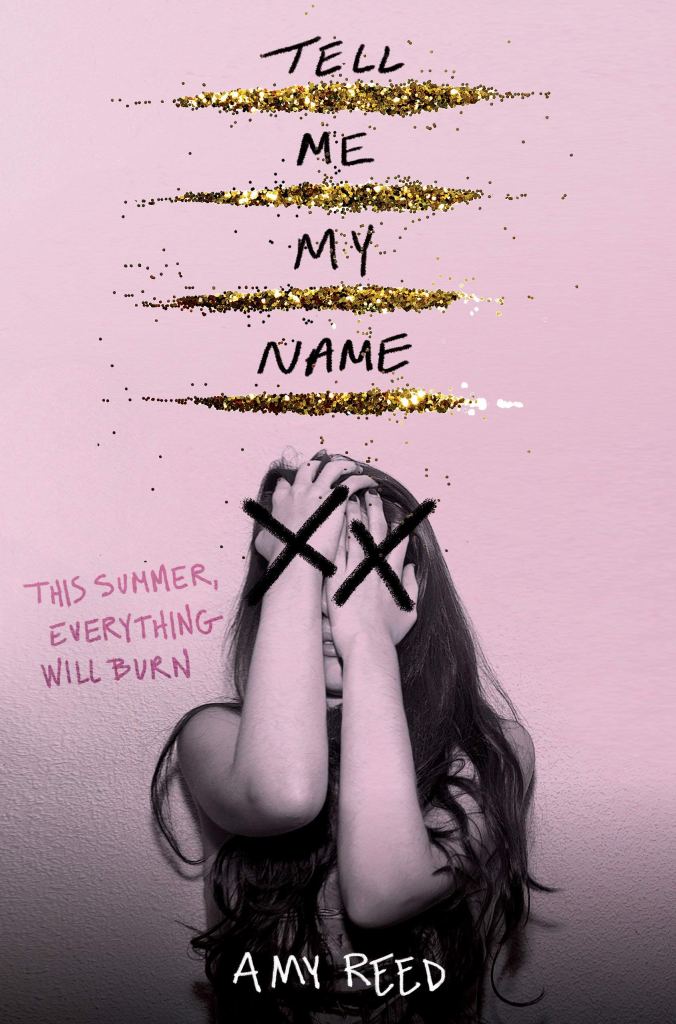
Tell Me My Name by Amy Reed is the story of Fern, a quiet working-class teen living in a community that’s a playground for the rich and famous. Floods and drought have destroyed much of the country, and there’s a huge gap between rich and poor. Fern watches and waits – for college, a boyfriend, and adventure. When teen celebrity Ivy Avila moves into town, Fern feels alive for the first time in her life. Touching on serious issues like inequality, climate change, drug addiction and sexual assault, the story is about finding and keeping your identity in a turbulent world.

In Monday’s Not Coming by Tiffany D. Jackson, Claudia is trying to solve the disappearance of her best friend. But no one else seems to know anything about the missing teen, or they assure Claudia that everything is fine. The story highlights racism, poverty and other social issues that cause people to fall through the cracks. It also explores the impact of trauma on your heart and mind. I was confused through much of this book, but since it received good reviews, I trusted the author and stuck with it. The ending was shocking and thought-provoking.

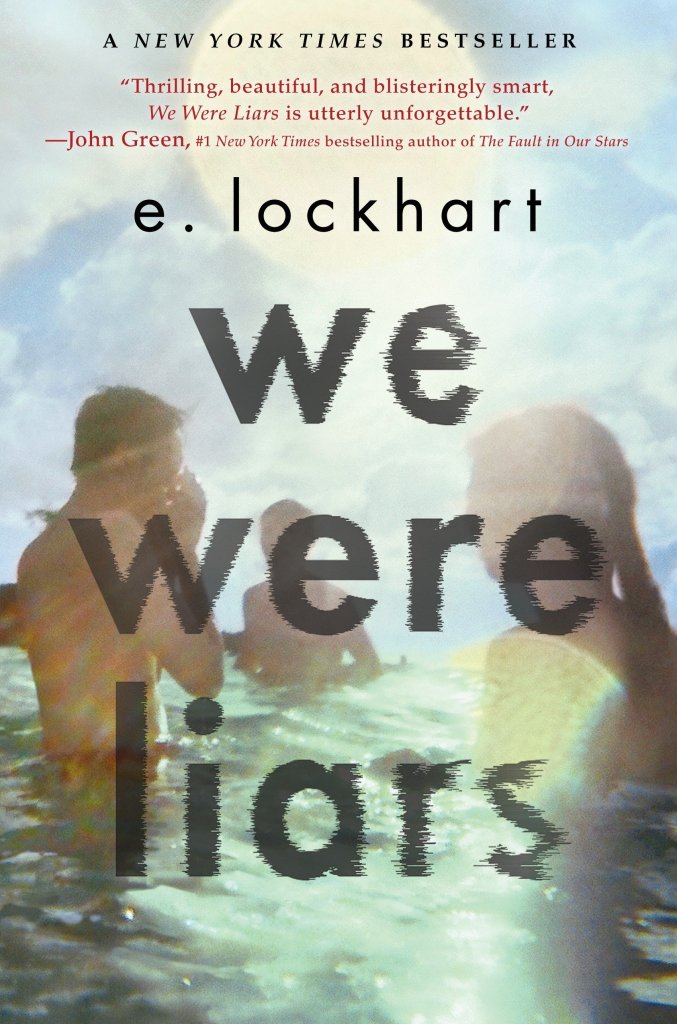
We Were Liars by E. Lockhart is about a group of friends that spend summers together with their families on a private island off the coast of Massachusetts. Raised in privilege, the friends have few worries until one devestating summer. Cadence, the main character, reveals the story in two parts – what happened that fateful summer when she was 15 and what takes place when she returns two years later, still bearing the scars. When I finished this book, I immediately flipped back to the first page to try to see how I missed signs of the big twist. It was amazing. Family of Liars, a prequel by the same author, will be published in May.

Stories Show Scars of History, Efforts to Preserve Culture

By Mrs. McHugh

HHS Librarian

Our region is rich with Native American history, but it’s all too easy to focus only on lives from the past. These recent books remind us that Native Americans still exist today, striving to preserve their cultures and cope with the scars of a turbulent past.

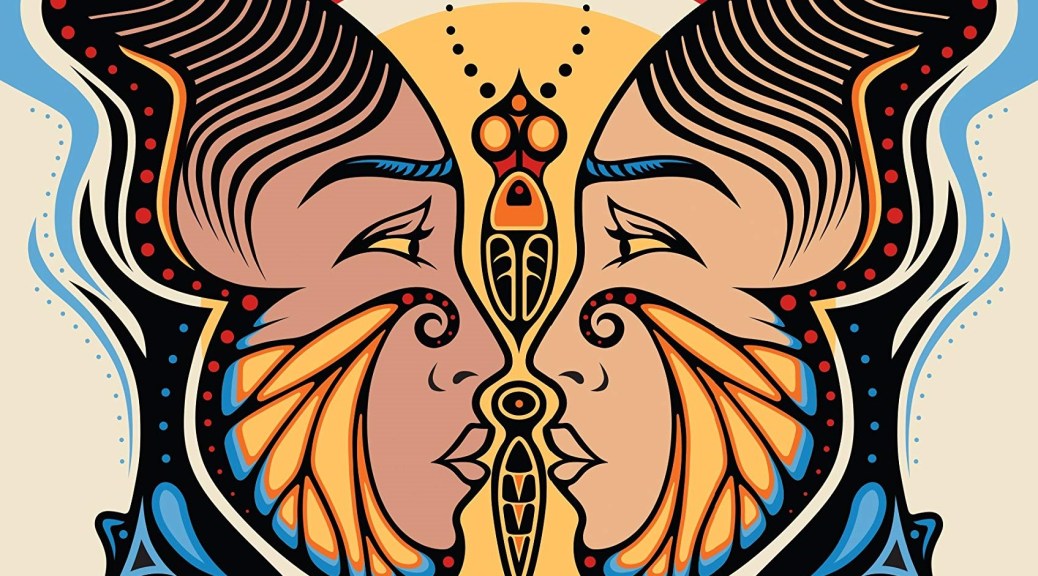
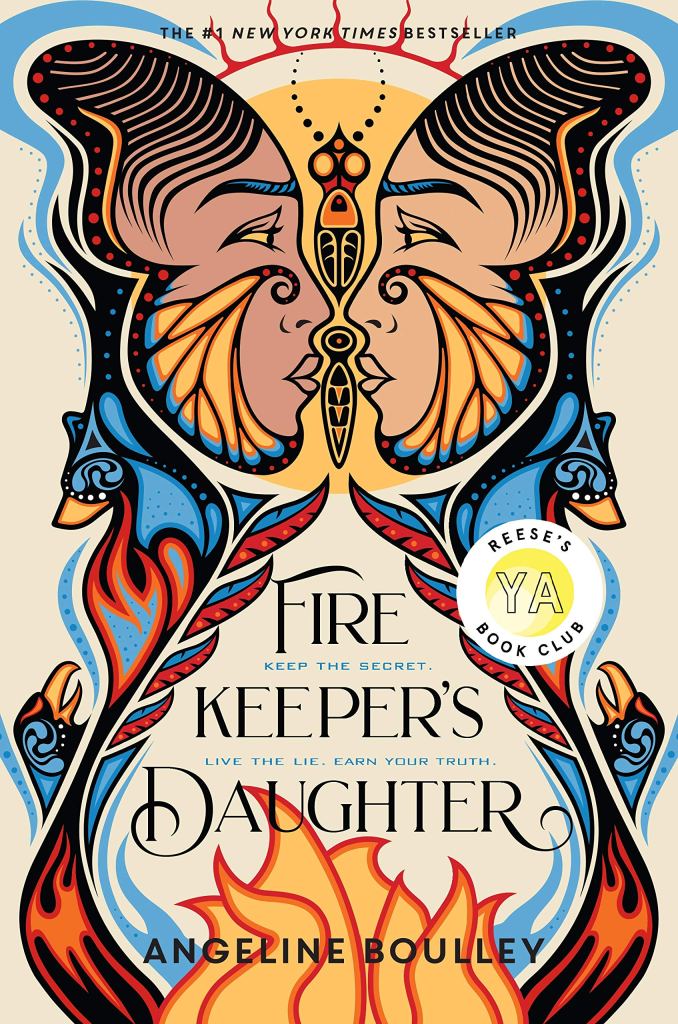
In The Firekeeper’s Daughter by Angeline Boulley, Daunis is a young woman whose community is wracked by drug abuse and mysterious deaths. When she agrees to help with a police investigation, she grows close to an undercover officer who is posing as a local hockey star. Soon, she feels torn between protecting her community and bringing people to justice. The story takes a little while to build as it introduces its multigenerational cast of characters and the traditions of the Ojibwe culture. The action-packed ending is worth the wait. It’s a crime thriller, family saga and cultural celebration all in one.

There, There by Tommy Orange tells the stories of a dozen different characters whose lives converge at an Oakland cultural festival. Despite their different reasons for attending – some hopeful, some scared, some ready for violence – they all share the scars of the nation’s oppressive treatment of Native Americans, which includes forced removal from ancestral lands and the erasure of culture in government-sponsored boarding schools. These scars come through as struggles with poverty, suicide, alcoholism and identity. The mix of voices telling the story is powerful and eye-opening.

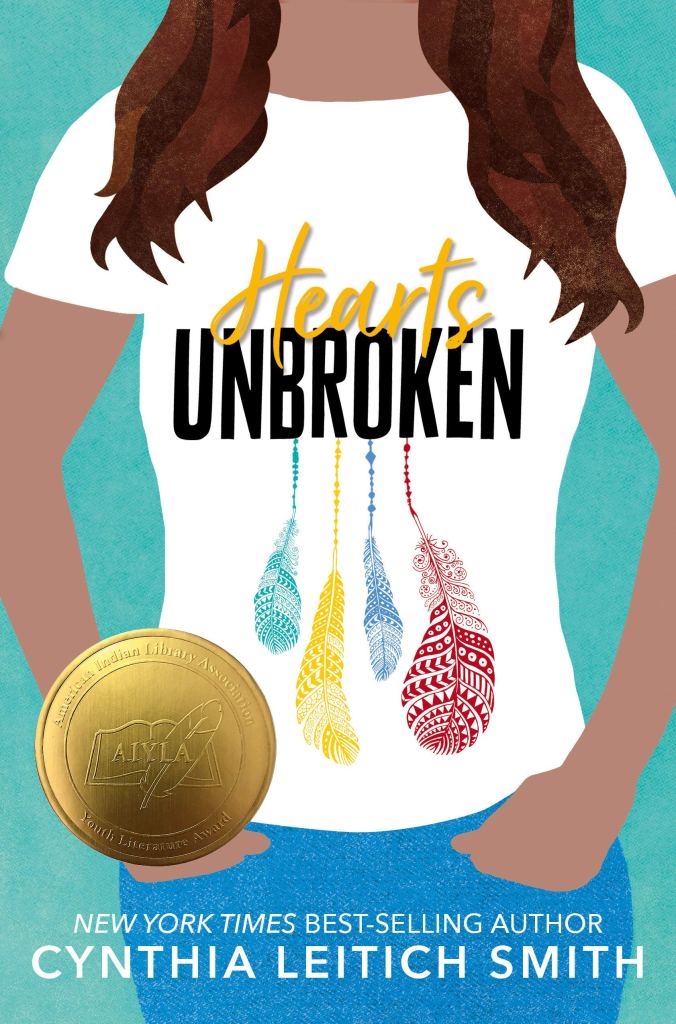
Hearts Unbroken by Cynthia Leitich Smith follows Louise Wolfe, a Native American high school senior living in a largely white Kansas town. When the director of the school play shakes up the casting of their production of The Wizard of Oz, the ensuing backlash reveals long-held prejudice and divides the community. As Louise writes about the controversy for her school newspaper, she begins to fall for a fellow student. But she knows that “dating while Native” is never easy. Whose hearts will be broken before this is over?

Exploring a Dark Chapter in American History

By Mrs. McHugh

HHS Librarian

Imagine if the government deemed you and your family a threat to national security. You’re told to pack what you can carry and report for relocation, not knowing if you’ll ever see your home, community or possessions again. 

This is what happened to thousands of people of Japanese ancestry living on the West Coast after the attack on Pearl Harbor Dec. 7, 1941. While the United States had previously watched World War II from afar, the conflict now hit closer to home than ever imagined. The U.S. government turned its sights on possible spies and saboteurs within its own borders, focusing on Japanese Americans and immigrants. Some of these prisoners – referred to as internees or evacuees throughout history – were U.S. citizens. Some had lived in the country for decades, but hadn’t been allowed to become citizens because of immigration laws. Many had children born here, who were citizens no matter their parentage. Yet all were treated the same, their rights stripped from them because they looked like the enemy, imprisoned in isolated and inhospitable “internment camps” with uncertain futures.


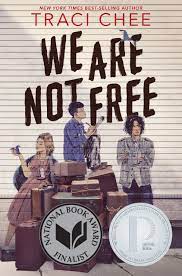
There have been many books written about this awful chapter in American history. One of the latest, We Are Not Free by Tracy Chee, is a moving novel sharing the stories of 14 teens from one San Francisco community. What I liked about this book is that it covers many different experiences: the Americanized teen trying to make the best of life in the camps, which offer dances and sports along with barbed wire and armed guards; the young man who enlists in the Army because he believes in America despite what it’s done to his family; the conflicted youth whose parents would rather return to Japan than deal with such poor treatment; the teens who protest the harsh living conditions. With a chapter told from the point of view of each character, the reader learns a lot more about the time period than they might from their history textbooks. While there may have been some cases where people of Japanese ancestry acted as spies in the war, most families who were imprisoned were innocent victims of bigotry and fear. The chapter about a young man named Twitchy is especially powerful, based on the real experiences of Japanese-American Army units who saw some of the toughest fighting of the war.

If this topic interests you, here are a few more recommendations:

The Train to Crystal City by Jan Jarboe Russell – While We are Not Free touches on the experience of imprisoned families facing deportation to Japan, this nonfiction book goes into much more depth. For one thing, it wasn’t just Japanese immigrants who were imprisoned in camps during World War II; there were Germans in America who were considered dangerous as well. When these immigrants – mostly men who pledged loyalty to the U.S. and were never charged with a crime – were jailed in camps, their wives and children would join them rather than struggle to survive on their own. If the men were deported, the children followed without question, even if they were born in America and therefore citizens. The author describes one such family that was sent to a Japanese city devastated by an atomic bomb; there were neither the resources nor the goodwill to welcome them and the family struggled to survive. 

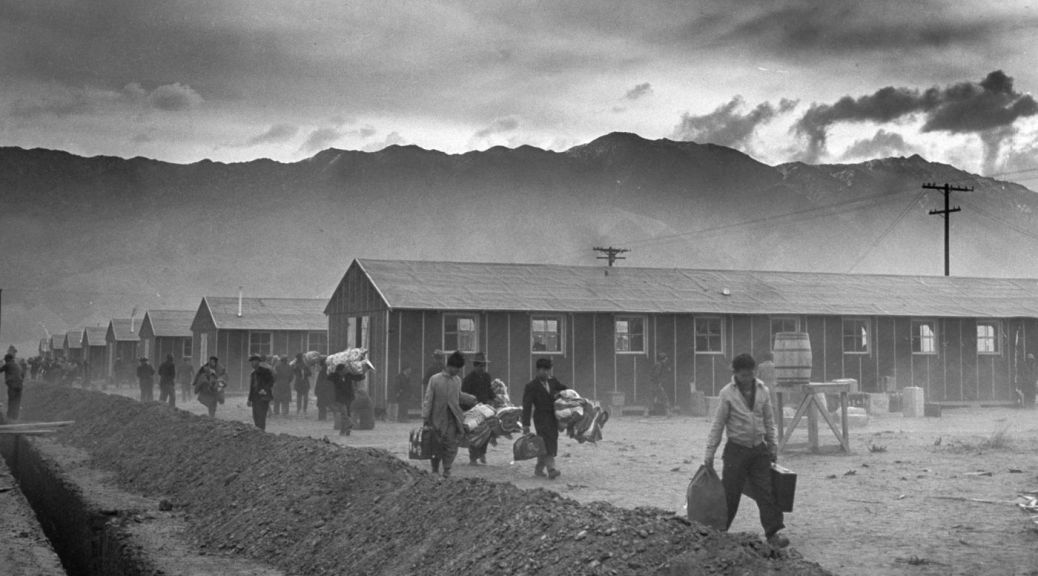
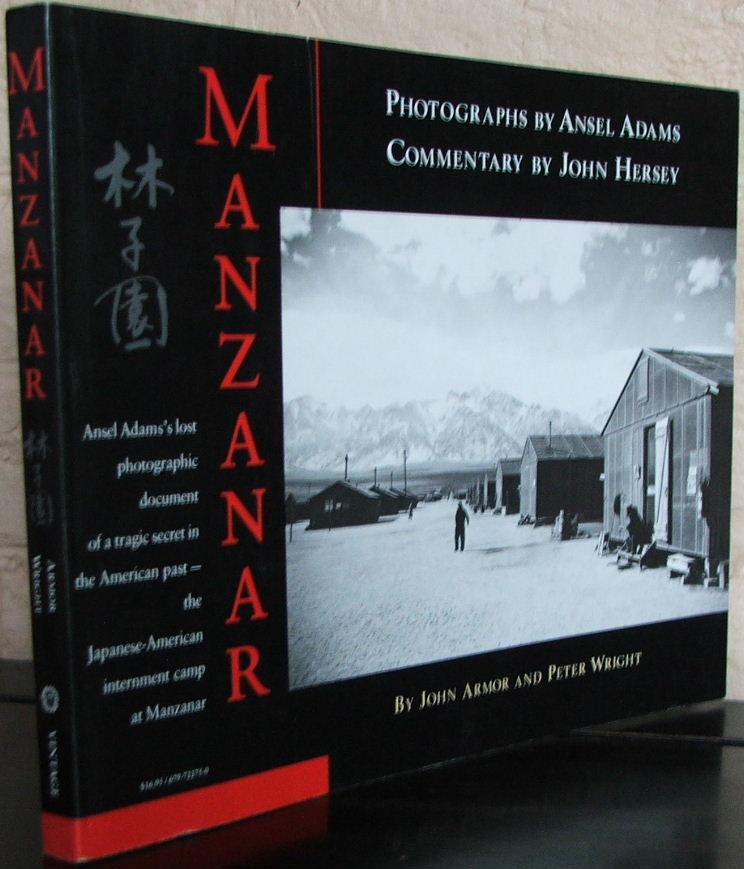
Manzanar by John Armor and Peter Wright – In commentary by a journalist who covered World War II and stark black and white photographs, this nonfiction book details life in one of the largest prison camps for Japanese Americans. While the camps offered things like Boy Scout troops, dances and softball leagues, they also featured tall barbed wire fences and armed guards. Homes were crowded barracks that barely provided shelter from the harsh weather of the isolated mountain or desert regions where camps were built. Food was rationed, mail was censored, and prisoners lost hope.

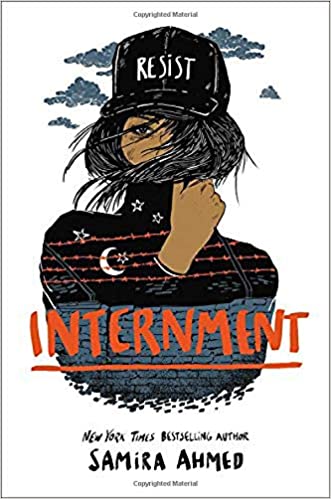
Internment by Samira Ahmed – Although fiction, the premise of this story feels a little too easy to imagine. It’s the near future, and the U.S. government has imprisoned all Muslim-Americans in internment camps, including 17-year-old Layla and her family. Even though they are citizens, they are stripped of their rights and possessions and considered enemies of the state. This echoes what happened to Japanese-Americans during World War II. It also draws on the hate and fear directed at Muslims after the September 11th attacks committed by radicals in the name of their religion. This is a fast-paced, thrilling story of tolerance and reason triumphing over fear and hate. It also highlights the danger we face when we stay silent in the face of injustice.

Featured image: A Japanese internment camp in California in 1942. Eliot Elisofon/The LIFE Picture Collection via Getty Images from https://eji.org/news/history-racial-injustice-forced-internment-of-japanese-americans/

Prism Offers Story Contest for Writers, Artists

By Michael Greene, ’22

Staff Writer

Attention all HHS writers and artists!  Do you like telling creative stories?  Do you like making art?  If you do, then this is the perfect opportunity for you!  The Hanover High School literary magazine, The Prism, is holding a story prompt contest that will last until the end of January.  The contest gives students the opportunity to respond to an open-ended story prompt by either finishing the story or making unique artwork.  This year, the prompt is, “I don’t know how it happened, but it all began when …”

Once all participants have submitted, the top three winners will receive gift cards and be featured on the literary magazine’s website and in future print issues.

Happy writing!

To submit, please email theprism@hanoverstudents.org.  For any questions about the contest or the literary magazine, please contact Mr. Henderson (shenderson@hanoverschools.org) or Michael Greene (mgreene22@hanoverstudents.org).  You can also follow “The Prism” on Twitter @theprismhhs, and visit the magazine’s website at theprism.medium.com.

Featured image: https://neilpatel.com/blog/create-facebook-contest/