

By Mrs. McHugh
HHS Librarian/Advisor of The Hawk
Brynn and Mia are 13-years-old when they’re accused of killing their best friend, Summer. The brutal ritualized murder was inspired by a fantasy story the trio was obsessed with, according to police. When lack of evidence and shoddy police work allow the girls to go free, they are outcasts in their town, considered by neighbors to be evil incarnate.
Except, they claim, they didn’t do it. And five years later, they’re determined to clear their names and find the real killer.
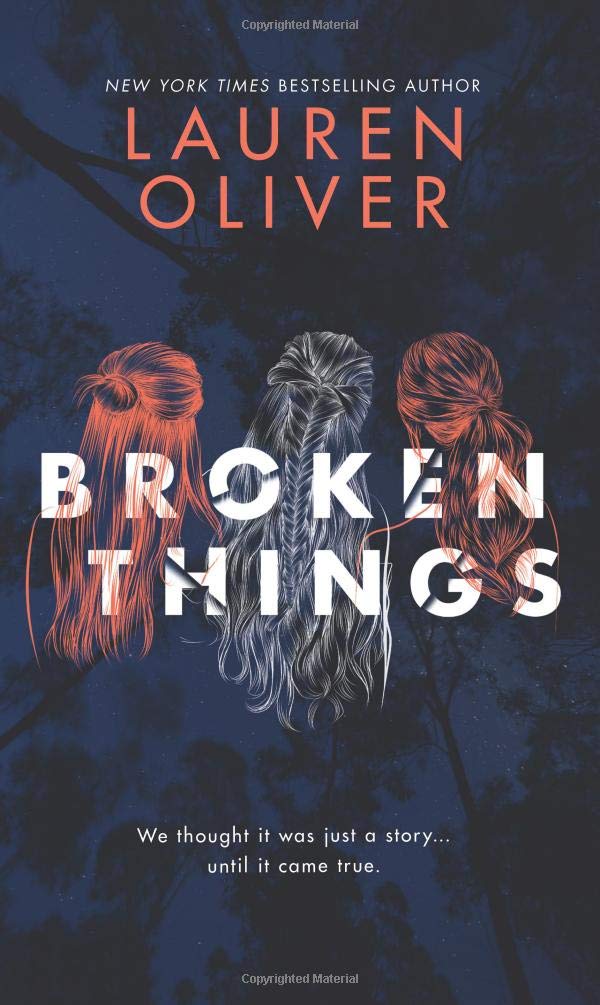
This is the plot of Broken Things by Lauren Oliver, a mystery/thriller that will keep you glued to the page. As the story alternates between then and now, you learn more about the victim Summer, whose years bouncing around foster homes left her troubled and turbulent. You get to know Mia and Brynn and why they were drawn to the exciting, but often toxic, friendship. You dive into the fantasy story the girls tried to recreate, both in their afterschool adventures and fan fiction they wrote together. You meet ex-boyfriends, bus drivers and other characters and wonder what role they played – if not in the murder then in the drama surrounding Summer’s final months.
The book leaves you guessing until the heartbreaking reveal. It is then that you realize that the book is not just a mystery, but a tragedy.
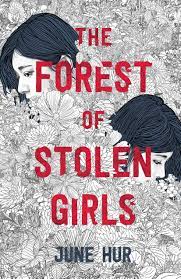
Not just one murder, but thirteen are at the heart of The Forest of Stolen Girls by June Hur. Hwani and Maewol are children when they get lost in the woods and are found, unconscious, next to the body of a dead young woman. The girls are impacted in vastly different ways and the family is torn apart. Years later, after 13 other girls are missing and presumed dead, Hwani’s detective father tries to investigate. Instead, he disappears as well. Defying the norms of a culture that require young ladies to stay hidden at home while they await marriage (it’s Korea, in the 1400s), Hwani sets out to find her father and solve the mystery of the missing girls.
While I enjoy historical fiction, I normally read books set in more recent history. I’m not usually drawn to stories of maidens and emperors. Yet the conflict at this book is timeless – girls fighting the expectations of an oppressive society – and the mystery is engaging. Whenever I thought I figured out the story, a new twist would arise.
For more mysteries, check out the Genre Lists at hhsmchugh.weebly.com




 The Hawk